
Main Courses
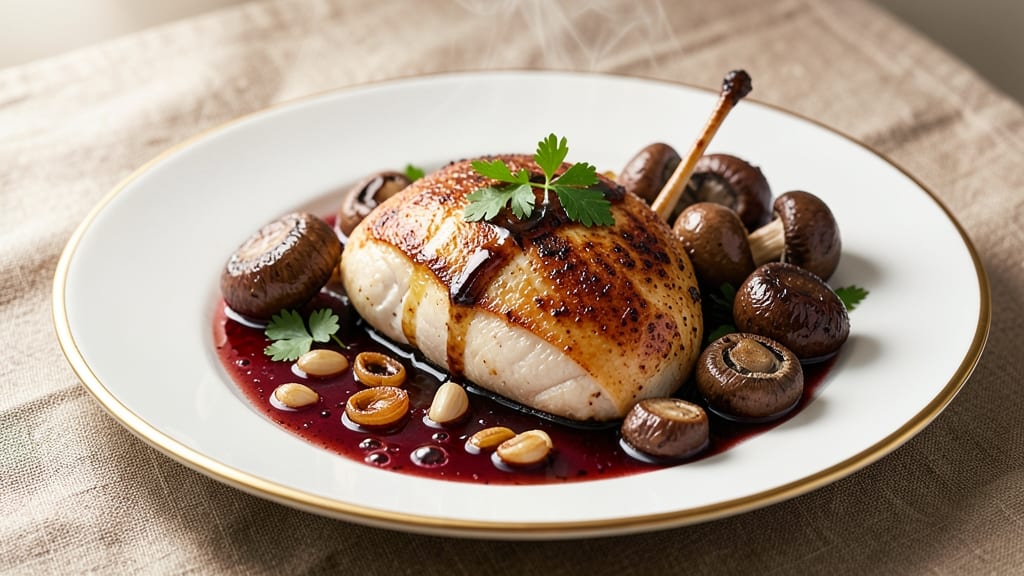
Ina Garten’s Chicken Marsala recipe transforms simple chicken breasts into a restaurant-worthy dish with a crispy pan-seared crust and velvety wine sauce. This elegant yet approachable recipe relies on precise technique—starting with a dry brine to lock in moisture, followed by a high-heat sear to develop that golden crust.
The Marsala wine reduction, enriched with mushrooms and herbs, creates a sauce so rich it feels indulgent without being overly heavy.
The secret lies in balancing acidity and richness: the wine’s tang cuts through the chicken’s richness while mushrooms and shallots build depth. I’ve simplified Ina’s method slightly without sacrificing authenticity—no fancy equipment, just a well-seasoned pan and patience for the sauce to reduce properly.
The result? Tender chicken with a crust that shatters at every bite, bathed in a sauce that clings perfectly to each forkful.
This dish pairs beautifully with creamy mashed potatoes or buttery spaghetti, but it stands strong alone as a weeknight centerpiece. The aroma alone—warm wine, garlic, and thyme—will have your guests asking for the recipe before they even taste it.
With just 30 minutes of active time, you’ll deliver a meal that feels like a special occasion, no matter the day.
Here’s where Ina’s professional touch makes all the difference: the sauce isn’t just reduced—it’s built in layers, starting with a dry sear to capture flavor, then deglazing with Marsala to create a glossy finish.
Trust the process, and you’ll achieve the same results that make this dish a staple in her cookbook. Let’s get cooking.
Ingredients for ina garten chicken marsala
Ina Garten’s legendary technique meets restaurant-quality results with these precise ingredients for Chicken Marsala.
| Ingredient | Amount | Notes |
|---|---|---|
| Boneless Chicken Breasts 🍗 | 1 ½ lb | Pounded to even thickness |
| Dry Brine Solution 🧂 | ½ cup | Kosher salt + 1 tbsp sugar |
| Extra-Virgin Olive Oil 🫒 | ½ cup | For pan-searing |
| Shallots 🧅 | 3 whole | Thinly sliced |
| Garlic Cloves 🧄 | 4 cloves | Minced |
| Button Mushrooms 🍄 | 8 oz | Sliced |
| Marsala Wine 🍷 | 1 cup | Dry red variety |
| Chicken Broth 💧 | ½ cup | Low-sodium preferred |
| Fresh Thyme 🌿 | 1 tbsp | Leaves only |
| Fresh Rosemary 🌿 | 1 tbsp | Leaves only |
| Unsalted Butter 🧈 | ¼ cup | Cubed |
| Fresh Parsley 🌿 | ¼ cup | Chopped, for garnish |
| Diamond Crystal Kosher Salt 🧂 | 1 tsp | For seasoning |
| Freshly Ground Black Pepper 🌶️ | ½ tsp | For seasoning |
The chicken breasts are the foundation—opt for thick-cut, boneless cuts (about 1-inch thick) to ensure even cooking and that coveted crispy crust. Pound them to a uniform ½-inch thickness for consistent searing. Costco’s pre-pounded chicken breasts save time, but if using whole breasts, invest in a good meat mallet or rolling pin. For the dry brine, Diamond Crystal kosher salt dissolves properly and doesn’t clump, while the sugar prevents a salty crust. Let the chicken brine for at least 1 hour (or overnight for maximum tenderness), then pat it dry with paper towels—this is critical for achieving that golden sear.
Marsala wine is non-negotiable for authenticity, but if you can’t find it, dry red wine like Cabernet Sauvignon or Chianti works in a pinch—just reduce the liquid by 2 tbsp to account for the lower acidity. Fresh herbs are ideal, but dried thyme and rosemary at half the amount maintain the flavor profile. For mushrooms, cremini or white button varieties provide the best texture, but oyster mushrooms add a delicate, meaty quality. The butter should be unsalted and at room temperature—cold butter steams rather than browns, so let it sit out for 30 minutes before using. And always use low-sodium chicken broth to control the final seasoning.
This dish shines when made ahead—the flavors deepen overnight, making it even more luxurious. Store the cooked chicken and sauce separately in airtight containers in the fridge for up to 5 days. To reheat, gently warm the sauce in a saucepan over low heat, then add the chicken and cover for 5 minutes. For freezing, allow the dish to cool completely, then freeze in portions for up to 3 months. The sauce can also be made a day ahead—simply refrigerate until ready to use. Garnish with fresh parsley just before serving to preserve its vibrant color and aroma, as it wilts quickly when exposed to heat.
Why You'll Love This Recipe
- No-Panic Weeknight Win: That dry brine step might sound fancy, but honestly? It’s just letting the chicken do its thing while you relax. Pound the breasts, toss them in salt and sugar, and forget about them overnight—then boom, golden, juicy perfection with zero stress.
- Wine Sauce Magic: The marsala wine and fresh herbs? That’s the secret. The shallots and garlic caramelize just enough, then the wine reduces into something rich and velvety—like a fancy restaurant dish but made in your own kitchen.
- Leftovers That Shine: I double the recipe on Sunday, and by Wednesday, I’m still eating it. The sauce tastes even better the next day, and the chicken reheats like it came straight from the oven. Five days in the fridge, no complaints.
- Budget-Friendly Luxe: You’re using ingredients you probably already have—chicken, mushrooms, butter, herbs—and that bottle of marsala wine? A splurge worth it. Feels like a restaurant meal without the price tag.
Step-by-step instructions for Ina Garten's chicken Marsala
Master this technique and you'll achieve the perfect balance of crispy sear and rich wine sauce.
Prepare the Chicken with Dry Brine
Begin by pounding the 1½ lb boneless chicken breasts between two sheets of plastic wrap to an even ½-inch thickness using a meat mallet. This ensures even cooking and prevents dryness in the center. The dry brine solution is your secret weapon for crispy skin and tender meat.
Place the pounded chicken in a shallow dish and pour the ½ cup dry brine solution evenly over both sides. Let it sit uncovered in the refrigerator for at least 4 hours, ideally overnight. This step is crucial - it allows the salt and sugar to penetrate deeply, creating a perfect moisture balance. The chicken will develop a dry surface that crisps beautifully when seared.
Sear the Chicken in Olive Oil and Butter
Remove the chicken from the brine and pat it completely dry with paper towels. Heat ½ cup extra-virgin olive oil and ¼ cup unsalted butter in a large skillet over medium-high heat until the butter foams and the oil shimmers. The combination of olive oil and butter creates the ideal fat balance for searing.
Season the chicken generously with 1 tsp diamond crystal kosher salt and ½ tsp freshly ground black pepper on both sides. Working in batches if needed, add the chicken to the skillet and cook undisturbed for 4-5 minutes per side until the undersides develop a deep golden-brown crust. This crispy exterior is what makes this dish special - resist the urge to move the chicken too soon.
Build the Marsala Sauce
Remove the chicken from the skillet and set it aside on a warm plate. Reduce the heat to medium and add the 3 thinly sliced shallots and 4 minced garlic cloves to the same skillet. Cook for 2-3 minutes until the shallots soften and become translucent, but don't let them brown.
Add the 8 oz sliced button mushrooms and cook for another 5 minutes until they release their moisture and begin to brown. Stir in the 1 tbsp fresh thyme leaves and 1 tbsp fresh rosemary leaves, scraping up any browned bits from the bottom of the pan. This deglazing step captures all the flavor you've built so far.
Deglaze and Simmer
Pour in the 1 cup marsala wine and scrape vigorously with a wooden spoon to incorporate all the browned bits. Let the wine simmer for 3-4 minutes until it reduces by about half and the alcohol aroma dissipates. This reduction concentrates the flavors and creates the foundation for your sauce.
Add the ½ cup chicken broth and bring to a gentle simmer. Return the chicken to the skillet, spooning some of the sauce over the top. Cover and let it simmer for 10-12 minutes until the chicken reaches an internal temperature of 165°F. The sauce should thicken slightly as it absorbs the chicken's juices.
Finish and Garnish
Remove the chicken from the skillet and transfer it to a warm serving platter. Tent loosely with foil to keep it warm while you finish the sauce. Increase the heat to medium-high and let the sauce reduce by another 2-3 minutes until it coats the back of a spoon.
Stir in the remaining ¼ cup unsalted butter, one cube at a time, until it melts completely and the sauce becomes glossy and velvety. Taste and adjust seasoning if needed, then spoon the sauce over the chicken. Garnish with ¼ cup chopped fresh parsley just before serving. The parsley adds a bright finish that cuts through the richness of the sauce.
Pro Tips For Making Ina Garten Chicken Marsala
- Pat Chicken Dry First: DESCRIPTION: I know it’s tempting to just wipe the chicken with a paper towel, but really dry those breasts with a clean kitchen towel—especially if they came out of the fridge damp. The dry brine solution will stick better, and the sear will actually form a crust instead of steaming. (Yes, even if you’re impatient like me.)
- Sear Over High Heat—Seriously: DESCRIPTION: High heat. Seriously, crank it up. You’re not making a gentle poached chicken here—this is a Marsala sauce, and the sear needs to happen fast. Let the pan get smoking hot before adding the chicken, or you’ll end up with a sad, pale brown instead of that golden, caramelized crust. Trust me, I burned three batches before I got this right.
- Don’t Crowd the Pan: DESCRIPTION: Space those chicken breasts apart like they’re at a fancy dinner party—no touching, no overlapping. Crowding means steam instead of sear, and your sauce will end up watery instead of rich. If you have to cook in batches, do it. The pan should look like a stage, not a sardine can.
- Deglaze Immediately with Marsala: DESCRIPTION: As soon as the chicken hits the plate, grab that bottle of Marsala wine and immediately pour it into the pan. Scrape up those browned bits—those are your flavor bombs. If you wait, they’ll turn into a sad, sticky mess instead of dissolving into a glossy, aromatic sauce. (I learned this the hard way after tasting a bland Marsala once.)
Pro cooking tips for this recipe
Mastering the Sear
That golden-brown crust is the soul of this dish—never skip patting the chicken dry after brining. I use a stack of clean paper towels to absorb every drop; excess moisture steams instead of sears. Heat your skillet until it’s shimmering hot before adding the oil and butter.
If your pan isn’t hot enough, the chicken will steam rather than develop that coveted crust. Trust me, that first bite with the crispy exterior is worth the patience. 🔥
Deglazing Like a Pro
The secret to a rich sauce starts with scraping the pan after removing the chicken. Use a wooden spoon to loosen those browned bits—those are your flavor bombs! Pour in the Marsala wine immediately and let it simmer until it reduces by half.
This step transforms a simple pan sauce into something restaurant-worthy. I always use a heat-safe wooden spoon because it’s gentle on the pan and easy to scrape.
Timing Your Simmer
Covering the chicken while it simmers is non-negotiable—it traps steam and keeps the meat juicy. But here’s the trick: don’t lift the lid to check the temperature until the last few minutes.
Every time you peek, you lose heat and moisture. Use a meat thermometer to ensure that 165°F internal temperature is reached without overcooking. I keep mine handy on the counter while cooking.
Butter Finishes Everything
Adding butter at the end is what takes this dish from good to exceptional. Stir in the cubes one at a time, letting each melt completely before adding the next. This creates a silky texture and adds richness without overpowering the sauce.
I always keep a small bowl of cubed butter nearby—room temperature is key—so it melts smoothly. The sauce should look glossy and velvety when you’re done.
Batch Cooking Hacks
If you’re cooking for a crowd, work in batches—don’t overcrowd the pan. The chicken needs space to develop that perfect sear. I use two skillets if needed, and keep the cooked chicken warm on a plate lined with a clean kitchen towel.
This prevents steaming and keeps the crust crisp. It’s a small detail, but it makes a big difference in the final result. ✨
Nutrition facts
Frequently asked questions
Why does the recipe use a dry brine instead of just seasoning the chicken?
The dry brine creates a perfect balance of moisture and crispiness. It penetrates deeply while leaving the surface dry, which ensures a golden-brown crust when seared. This technique locks in juices and prevents dryness—key for tender, flavorful chicken.
Can I substitute a different type of wine for the Marsala?
While Marsala wine is traditional, you can use a dry red wine like Cabernet Sauvignon or Chianti. Just reduce the liquid by about 2 tablespoons to account for the wine’s lower acidity. The flavor will be slightly different but still delicious.
What if my chicken isn’t searing properly?
Check your pan temperature—it should be shimmering hot before adding the chicken. Also, ensure the chicken is completely dry after brining. If needed, increase the heat slightly and let the oil/butter foam before searing. Patience is key for that perfect crust!
How do I prevent the sauce from being too thin?
Let the sauce reduce by simmering uncovered for 2-3 extra minutes after adding the butter. If it’s still too thin, remove the chicken and reduce the sauce further before finishing. A spoonful should coat the back of the spoon for the ideal consistency.