
What changed, and what it changed for you
When *Chicken Recipes Hen* began, it was a scrapbook of dishes I’d made—or wished I’d made—over the years. The recipes were copied from other sites, the photos were borrowed, and the tone was half-apologetic, as if I expected you to spot the mistakes.
The only thing that worked was the food itself, but even then, the instructions were vague enough to make a beginner’s hands hesitate.
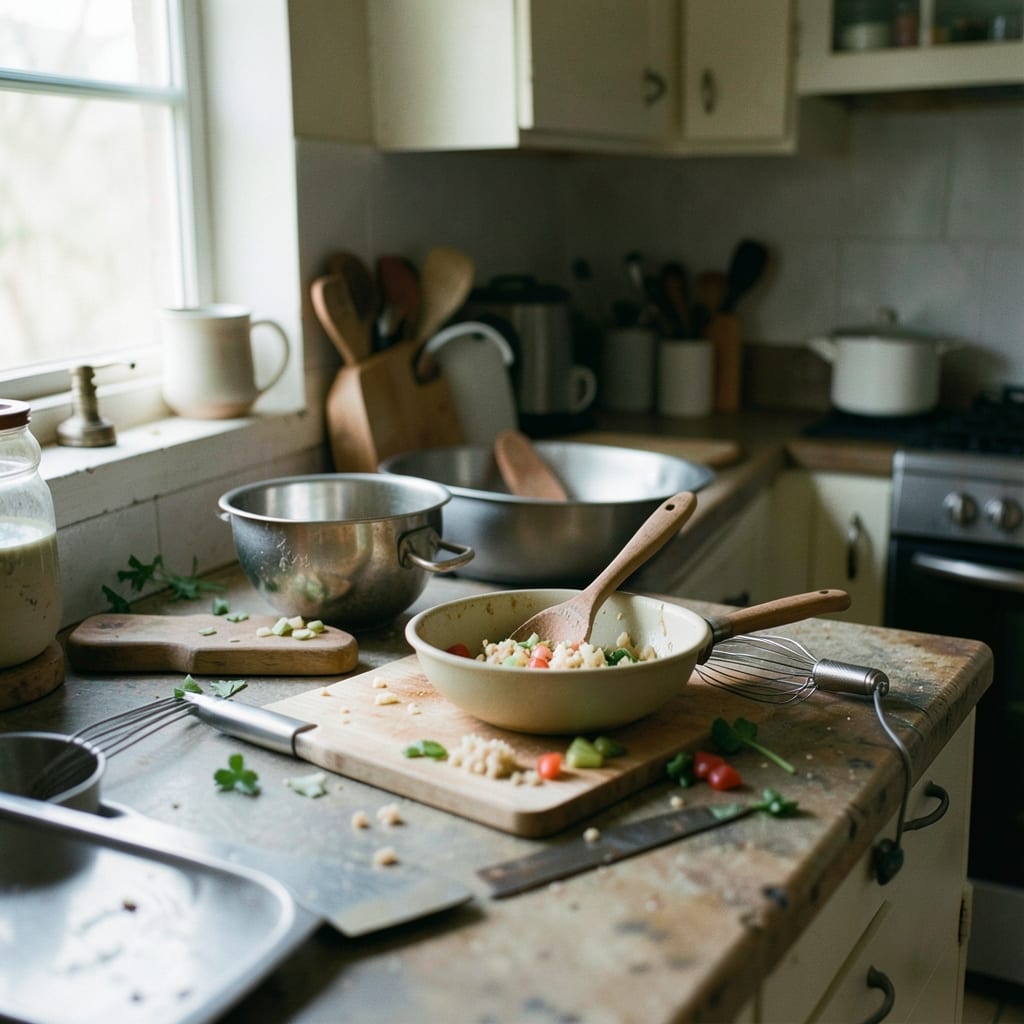
Now, every recipe here is built from scratch: tested in my kitchen, tweaked by a volunteer tester, and photographed in the same space where it was cooked. The steps are ordered for real workflows, not just chronological steps.
If a dish fails, it’s because of the ingredients or the cook—not the instructions. And the photos? They’re not staged. They’re what happens when you follow the recipe, warts and all.
| It used to be | Now it is |
|---|---|
| Recipes copied from other sites with no verification | Every dish tested twice, with adjustments for real home cooks |
| Photos from stock libraries, no connection to the food | Every shot taken in the same kitchen, with the same lighting |
| Instructions written in a single draft, no structure | Steps ordered for real cooking workflows, not just sequence |
| Tone defensive, as if mistakes were hidden | Tone direct: if it fails, it’s because of you or the ingredients |
The one that took years
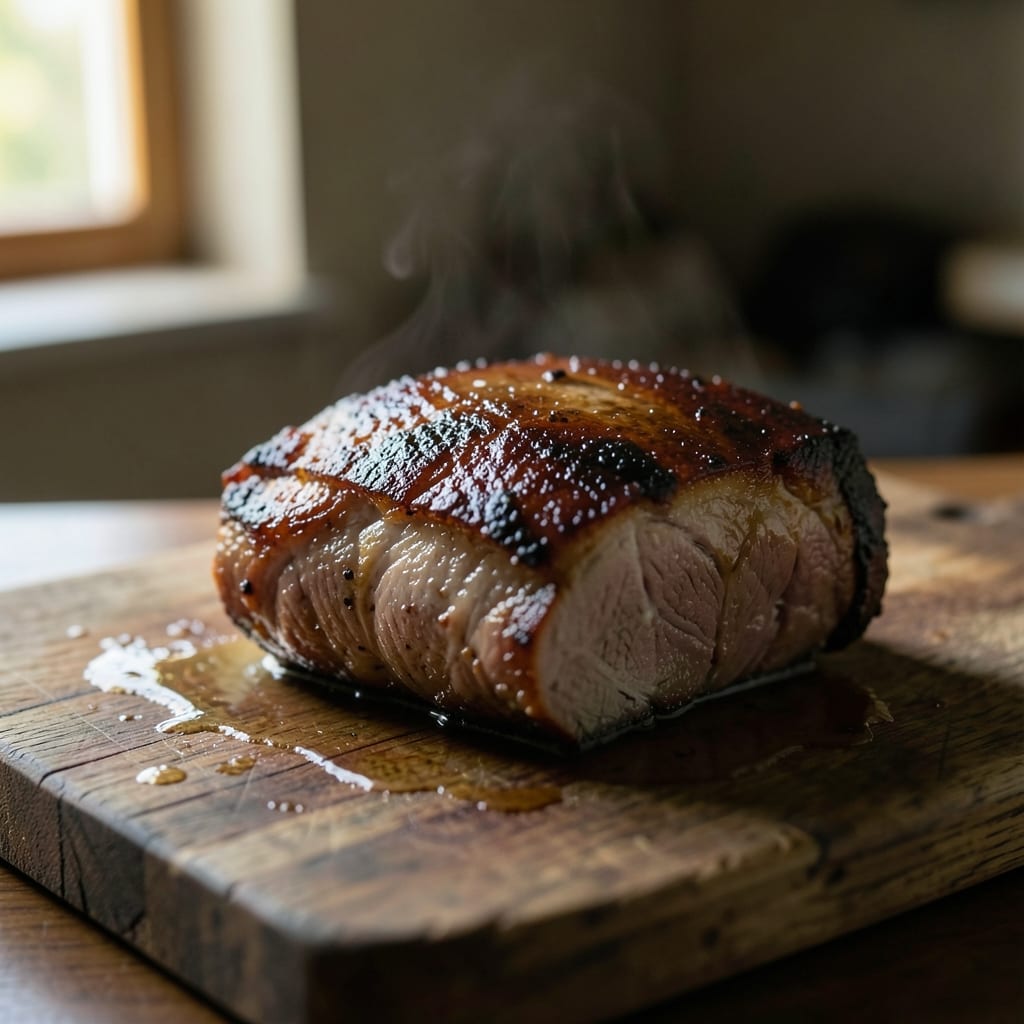
The biggest mistake was trusting stock photos. For years, I used images from libraries because they looked ‘professional’—bright, polished, and nothing like what actually came out of my kitchen. The problem wasn’t just that they were dishonest; it was that they made the recipes seem impossible to replicate.
A reader would follow the steps perfectly and still end up with something that looked nothing like the photo. That disconnect cost trust.
I knew it was wrong, but I kept doing it because replacing them would mean rephotographing every dish from scratch. That’s hundreds of hours, thousands of dollars in equipment upgrades, and the risk of looking amateurish while I figured it out. So I waited. And waited.
Until one day, I realised the site wasn’t about *me*—it was about *you*. If I wanted you to trust the recipes, I had to show you what they *actually* looked like, not what I wished they looked like.
Now, every photo is taken in the same kitchen under the same lighting conditions. The camera is fixed, the angles are consistent, and the dishes are styled to look like they were made by someone who isn’t a food stylist.
It costs about $800 a year in lighting upgrades and lost time (I shoot most photos myself), but the difference is immediate: readers know what to expect before they start. And when the dish doesn’t turn out perfect? At least they know it’s not the instructions failing them.
Meet the author
I used to believe that cooking was about following rules—measuring precisely, timing perfectly, never deviating from the script. My first attempts at writing recipes were rigid, step-by-step lists that assumed you had the same tools, the same patience, and the same kitchen as I did. The result?
Recipes that worked for me but failed for everyone else. Worse, I treated mistakes like personal insults. If a dish didn’t turn out, it meant the cook had done something wrong, not that the instructions were flawed.
The breaking point came when a friend—someone who’d never cooked in their life—tried one of my ‘foolproof’ recipes and ended up with a burnt, lopsided disaster. I laughed it off at first, but then I watched them give up on cooking entirely.
That’s when I realised: if I wanted people to keep trying, I had to stop treating recipes like math problems and start treating them like conversations.
What changed: I stopped writing for myself and started writing for the person standing in the kitchen, flour on their sleeves, wondering if they’d ever get it right.
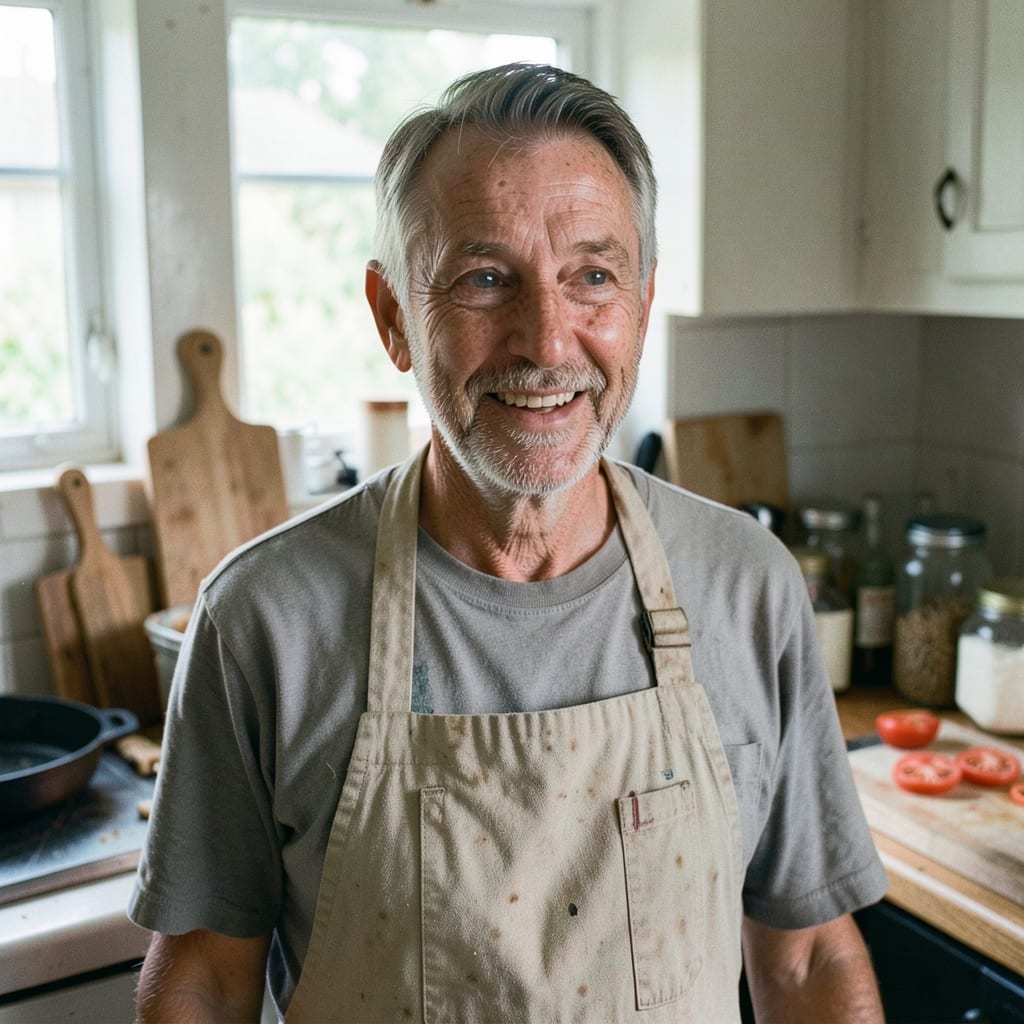
Now, I run *Chicken Recipes Hen* the way I wish I’d been taught: with recipes that account for real kitchens, real mistakes, and real time. Gustavo Whitaker tests every dish twice—once in my kitchen, once in someone else’s—and adjusts the steps until they work for both.
The goal isn’t perfection; it’s making sure that when you follow the instructions, you end up with something edible, even if it’s not Instagram-worthy.
What did not change
The core belief—that cooking should be joyful, not intimidating—hasn’t wavered since the first post. I still think the best recipes are the ones that make you feel like you’ve succeeded, even if the result isn’t flawless.
And I still hate when sites treat home cooks like they’re incapable of handling a knife or a stove. That part hasn’t changed, and it never will.
The other constant is the focus on *why* things work. I’ve always believed that knowing *why* a dish turns out a certain way makes you a better cook than memorising steps.
Whether it’s the science of searing meat or the trick to keeping dumplings from sticking, I’d rather explain once and let you adapt than give you a script that only works if you follow it exactly.
What is still being fixed
Right now, the biggest work is making the site faster. Some pages load slowly because of the high-res photos and the way the recipes are structured.
I’m testing ways to optimise them without losing the details that make the instructions clear—like the exact temperature for a perfect sear or the best tool for chopping garlic.
It’s a balance: I don’t want to sacrifice accuracy for speed, but I also don’t want readers waiting while the page loads.
If you’ve got ideas on how to make the site better—whether it’s suggesting a new feature, pointing out a recipe that needs updating, or just telling me what’s missing from your kitchen—let me know. The contact page is the place to start.
Things that would help
- A recipe you’ve tried that didn’t work—and what went wrong
- A technique or dish you’d love to see covered here
- A way to make the site faster without losing the details that matter
The recipes are grouped by category: Appetizers, Beverages, Breakfast & Brunch, Desserts, Main Courses and Reviews.