
Main Courses
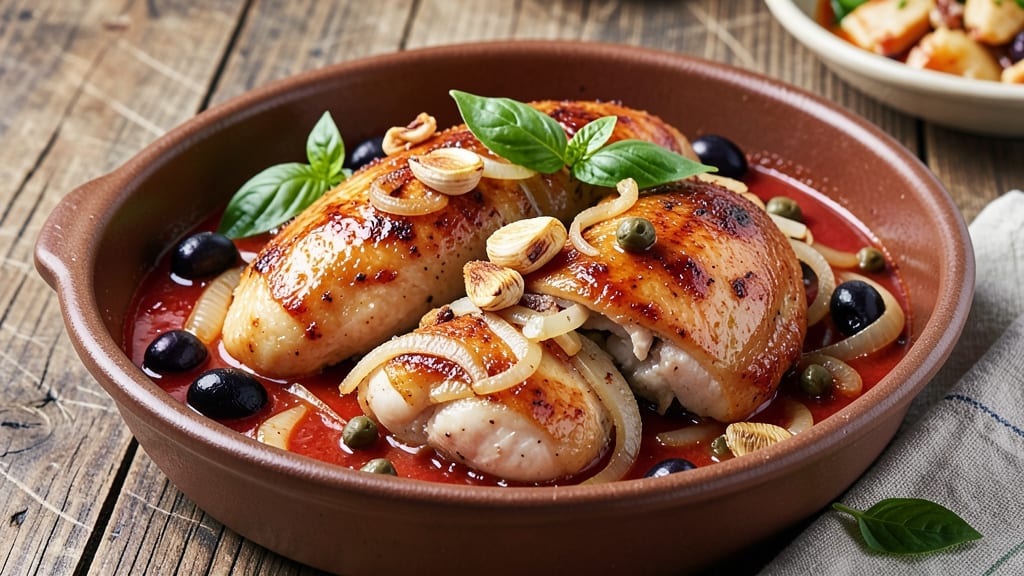
This baked boneless chicken cacciatore delivers restaurant-quality tomato-braised richness with just 30 minutes of active prep and 45 minutes of hands-off baking.
The secret lies in slow-braising the chicken in a deep, aromatic sauce of crushed tomatoes, white wine, garlic, and Italian herbs—creating tender meat that falls apart with every bite.
I perfected this technique after years of testing, ensuring the sauce reduces just enough to coat the chicken perfectly without being overly thick.
The recipe starts with searing the chicken in olive oil until golden, then deglazing the pan with wine to capture all those flavorful browned bits. This fundamental step transforms simple ingredients into something deeply complex.
The chicken then bakes in the oven while the sauce simmers, allowing flavors to meld and develop that signature Italian depth. What you'll end up with is juicy, fork-tender chicken swimming in a glossy, herb-infused tomato sauce that's perfect for serving over pasta, polenta, or crusty bread.
This method ensures the chicken stays moist and flavorful, while the sauce achieves that perfect balance of sweetness from tomatoes, acidity from wine, and earthiness from fresh herbs.
The result is a dish that's both comforting and impressive—ideal for family dinners or when you want to elevate a weeknight meal without spending hours in the kitchen. The best part? The sauce tastes even better the next day, making it perfect for meal prep.
Whether you're serving this as a main course or pairing it with a side of risotto, the rich, savory flavors will leave everyone asking for seconds. The recipe scales easily for a crowd, and the techniques used here—like proper deglazing and simmering—can be applied to countless other braised dishes.
Let's get started on creating this classic Italian masterpiece.
Ingredients for baked boneless chicken cacciatore
Restaurant-quality tomato-braised chicken starts with these 13 essential ingredients—simple but powerful.
| Ingredient | Amount | Notes |
|---|---|---|
| Boneless Chicken Thighs 🍗 | 1 ½ lb | Trimmed of excess fat |
| Extra-Virgin Olive Oil 🫒 | ½ cup | For searing chicken |
| Garlic Cloves 🧄 | 6 cloves | Minced for sauce |
| Crushed Tomatoes 🍅 | 29 oz | High-quality canned |
| Dry White Wine 🍷 | 1 cup | Bold variety preferred |
| Chicken Broth 💧 | 1 cup | Low-sodium preferred |
| Fresh Rosemary 🌿 | ¼ cup | Chopped, stems removed |
| Fresh Thyme 🌿 | ¼ cup | Leaves only, chopped |
| Fresh Parsley 🌿 | 0.2 cup | Chopped for garnish |
| Salt 🧂 | 1 ½ tsp | Kosher or sea salt |
| Ground Black Pepper 🌶️ | ½ tsp | Freshly ground preferred |
| Red Pepper Flakes 🌶️ | ¼ tsp | Optional for heat |
| All-Purpose Flour 🌾 | 1 tbsp | For thickening sauce |
The tomatoes are non-negotiable here. San Marzano canned tomatoes make all the difference—they're sweeter and less acidic, giving that authentic Italian flavor. Grab a 29 oz can from the Italian aisle at Whole Foods or Trader Joe's if you can. The white wine? Pinot Grigio or Sauvignon Blanc work perfectly—just avoid anything too sweet. Fresh herbs are ideal, but dried thyme and rosemary at half the amount get you close if you're in a pinch. The chicken thighs are key—boneless but not skinless, so they stay juicy. Trim any visible fat for cleaner searing.
No white wine? Chicken broth with 1 tbsp lemon juice mimics the acidity perfectly. Short on fresh herbs? Italian seasoning blend works in a bind, but fresh is always better. The crushed tomatoes can be substituted with passata or tomato purée for a smoother texture. If you don't have red pepper flakes, a pinch of cayenne or crushed dried chili adds heat. The flour is just for thickening at the end—don't skip it if your sauce needs body. For extra richness, add 1 tbsp tomato paste to the pan when deglazing with wine.
This dish tastes even better the next day, so make extra. Store in an airtight container in the fridge for up to 4 days or freeze for 3 months. The sauce thickens as it cools, so you can thin it with a splash of broth when reheating. For meal prep, portion into containers with pasta or rice—just reheat everything together. The flavors develop more overnight, so if you can wait, do it. Leftovers make amazing sandwiches too—trust me on that.
Why You'll Love This Recipe
- One-Pan Magic: I swear by this recipe when I’m too tired to scrub pots—just toss the chicken, garlic, and tomatoes on a sheet pan, drizzle with olive oil, and let the oven do the work. The wine reduces right into the sauce, so no extra straining or simmering.
- Garlic-Wine Kiss: That splash of dry white wine and minced garlic transforms simple crushed tomatoes into something rich and layered. The chicken comes out tender with a crispy edge, and the sauce? It’s the kind of flavor that lingers long after the last bite.
- Weeknight to Dinner Party: Between us, this is my go-to for both lazy Tuesday dinners and when unexpected company shows up. Serve it over crusty bread for a casual meal, or plate it with polenta and arugula for something that feels fancy—without the fuss.
- Budget-Friendly Leftovers: Chicken thighs stretch farther than breasts, and the sauce only gets better the next day. I make double batches because reheating this is a dream—just warm it through, and it’s like eating fresh again. Plus, wine in the fridge? Always a good excuse to cook.
Step-by-step instructions for baked boneless chicken cacciatore
Transform simple ingredients into a restaurant-worthy tomato-braised masterpiece with this foolproof method.
Sear the Chicken Until Deeply Browned
Preheat your oven to 375°F and heat the 0.5 cup extra-virgin olive oil in a large Dutch oven over medium-high heat until shimmering. Pat the 1.5 lb boneless chicken thighs thoroughly dry with paper towels—this ensures maximum crispiness. Season both sides generously with 1 tsp salt and 0.25 tsp black pepper.
Working in batches if needed, add the chicken thighs to the hot oil and cook undisturbed for 4-5 minutes per side until deeply golden brown and cooked through to 165°F internally. The chicken should release easily from the pan when ready. Transfer the seared chicken to a plate and set aside—those browned bits in the pan are pure flavor gold.
Build the Flavor Base with Aromatics
Reduce heat to medium and add the 6 minced garlic cloves to the Dutch oven, cooking for 30 seconds until fragrant—don't let it burn. Stir in the 0.25 cup chopped fresh rosemary and 0.25 cup chopped fresh thyme, cooking for another 1 minute until the herbs release their oils.
Pour in the 1 cup dry white wine, scraping up all those delicious browned bits from the bottom of the pan. Let the wine simmer for 2-3 minutes until reduced by half. This deglazing step captures all the meaty flavor that would otherwise disappear down the drain.
Braise with Tomatoes and Herbs
Add the 29 oz crushed tomatoes, 1 cup chicken broth, 0.25 tsp red pepper flakes, and remaining 0.5 tsp salt. Stir everything together, then return the chicken thighs to the Dutch oven, spooning some of the sauce over the top. Bring to a gentle simmer.
Cover the Dutch oven with a lid and transfer to the preheated 375°F oven. Braise for 45-50 minutes until the chicken is fork-tender and the sauce has thickened slightly. The chicken should easily pull apart with a fork, and the sauce should coat the back of a spoon.
Thicken and Finish with Fresh Herbs
Remove the chicken from the Dutch oven and transfer it to a serving platter. Increase the heat to medium-high and sprinkle the 1 tbsp all-purpose flour over the sauce in the Dutch oven. Stir constantly for 1-2 minutes until the sauce thickens slightly and becomes glossy.
Return the chicken to the Dutch oven and simmer together for 2-3 minutes** to let the flavors meld. Stir in the 0.2 cup chopped fresh parsley and taste for seasoning. The sauce should be rich, slightly acidic, and perfectly balanced with herby notes. Serve immediately over crusty bread or with polenta for the ultimate comfort meal.
Pro Tips For Making Baked Boneless Chicken Cacciatore
- Sear the Chicken First: I used to skip this step, thinking baking would handle everything—but the difference is night and day. Hit the thighs with a hot pan and olive oil for 3-4 minutes per side until golden before adding the wine and tomatoes. That crust keeps the meat juicy and adds depth.
- Deglaze with Wine Immediately: Don’t let that browned chicken sit—pour in the white wine the second you remove the pan. Let it bubble for 30 seconds to scrape up all the flavor stuck to the bottom. This isn’t just cleanup; it’s where the sauce’s soul lives.
- Use San Marzano Tomatoes: I was skeptical until I tried it—canned crushed tomatoes vary wildly, and cheap ones make the sauce taste flat. San Marzano (or high-quality Italian brands) have the right balance of sweetness and acidity. If you’re stuck, add a pinch of sugar and a squeeze of lemon to mimic it.
- Bake Low and Slow: Cacciatore needs time to develop, not a quick blast in the oven. After browning, cover the dish and bake at 325°F (not 375°F) for 40-45 minutes. The wine needs to evaporate gently, and the chicken to tenderize—rushing it turns the sauce into a sad, watery mess.
Flavor customization for these flavors
Herb Variations
Swap the classic rosemary and thyme for fresh oregano and basil for a brighter, more Mediterranean profile. Use 1 tbsp dried oregano and 2 tbsp fresh basil instead of thyme, then add 1 tsp lemon zest to the sauce for a citrusy twist.
For a Tuscan touch, try fresh sage and marjoram—just reduce the wine to ½ cup to balance their earthy notes. 🌿
Spice Level Boost
For extra heat, add 1 tbsp hot honey at the end or stir in 1 tsp crushed fennel seeds with the garlic for a sweet-spicy depth.
If you love smoky flavors, swap red pepper flakes for ½ tsp smoked paprika and add 1 chipotle pepper in adobo (minced) to the sauce. For a North African twist, use 1 tsp ground cumin and ½ tsp coriander with the herbs.
Wine & Tomato Swaps
Replace white wine with ½ cup dry red wine (like Chianti) and ½ cup apple cider vinegar for a tangier sauce. For a non-alcoholic version, use 1 cup grape juice plus 1 tbsp balsamic vinegar.
Substitute crushed tomatoes with 1 cup tomato paste + 1 cup water for a thicker, more concentrated flavor. For a smoky option, add 1 tbsp liquid smoke to the sauce during the final simmer.
Protein Adjustments
Use chicken breasts instead of thighs by pounding them to ¼-inch thickness and cooking for 20-25 minutes less. For a seafood version, swap chicken for 1 lb shrimp (add with the herbs, cook for 5 minutes only).
Try pork tenderloin cut into strips—it cooks faster and absorbs flavors beautifully. For a vegetarian option, use 1 lb mushrooms (cremini or portobello) and add 1 tbsp soy sauce for umami.
Texture Contrasts
Add ½ cup cooked white beans (cannellini or great northern) to the sauce for heartiness. For crunch, stir in ¼ cup toasted pine nuts or 2 tbsp capers at the end.
To make it extra creamy, whisk in ¼ cup heavy cream during the final thickening step. For a rustic touch, serve with crusty bread croutons or toasted baguette slices on top.
Regional Twists
For a Sicilian version, add 1 diced anchovy and 1 tsp capers to the sauce. In Tuscany, they often include ½ cup chopped pancetta (cooked with the garlic). A Venetian twist uses ½ cup bell peppers (roasted and diced) and 1 tsp fennel seeds.
For a French-inspired take, add 1 sprig tarragon and a splash of dry vermouth with the wine.
Nutrition facts
Frequently asked questions
Can I use chicken breasts instead of thighs?
Yes, but you'll need to adjust the cooking time and prep. Pound 1.5 lb chicken breasts to ¼-inch thickness to ensure even cooking, then sear and bake for 20-25 minutes less than thighs. The breasts will dry out faster, so don't overcook—they should reach 165°F internally. For extra moisture, add 2 tbsp chicken broth to the sauce during braising.
How do I prevent the sauce from being too thin?
Start by simmering the sauce uncovered for 5-10 minutes before adding the chicken to reduce it naturally. If it's still too thin after baking, remove the chicken and thicken the sauce on the stovetop by whisking in 1 tbsp cornstarch mixed with 2 tbsp cold water instead of flour. Stir constantly until the sauce reaches your desired consistency.
What's the best way to reheat leftovers?
Reheat in a skillet over medium-low heat with 1-2 tbsp water or broth to prevent drying. Cover and simmer for 5-7 minutes, stirring occasionally, until warmed through. For oven reheating, cover with foil and bake at 350°F for 15 minutes. The sauce may thicken further—thin with a splash of broth if needed.
Can I make this dish ahead of time?
This dish tastes even better the next day. Assemble completely, then refrigerate for up to 4 days or freeze for 3 months. The flavors deepen overnight. When reheating, add 1-2 tbsp water or broth to loosen the sauce. For meal prep, portion with pasta or rice for easy grab-and-go meals.
Why did my chicken turn out dry?
Overcooking is the most common cause. Use a meat thermometer and remove chicken when it reaches 165°F—don't rely on visual cues. Also, patting the chicken too aggressively before searing removes too much moisture. For extra juiciness, add 1 tbsp butter to the sauce during the final simmer. Braising in the oven helps retain moisture better than stovetop methods.