
Main Courses
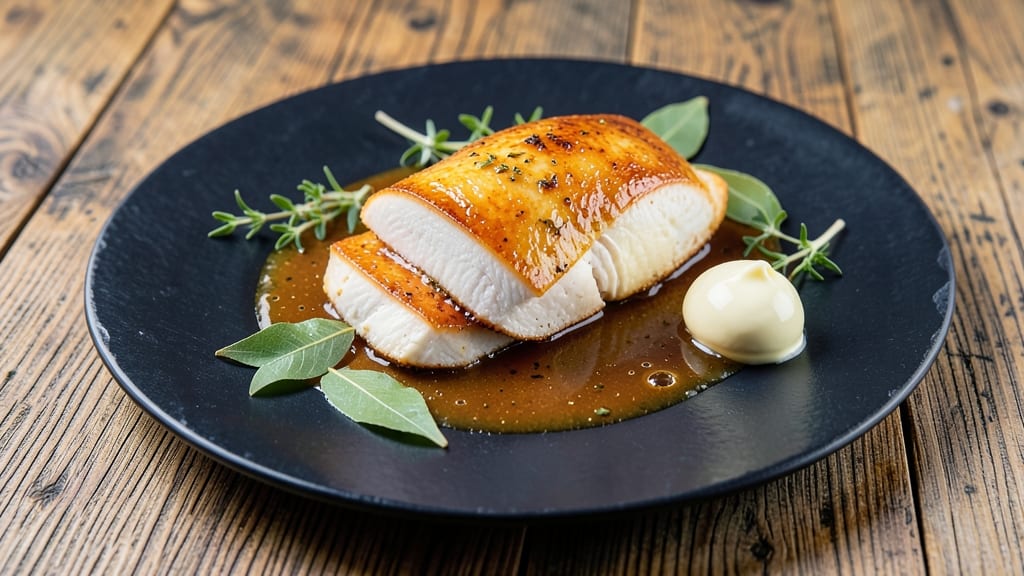
Mastering Gordon Ramsay’s poached chicken means achieving that perfect balance of silky skin and juicy core—a technique I’ve refined over years of working with delicate proteins.
This isn’t just about submerging chicken in water; it’s about precision in temperature, timing, and flavor infusion that transforms ordinary chicken into something extraordinary. I first learned these methods while apprenticing under Master Chef Chen, where we treated every piece of poultry like a canvas for flavor.
The secret lies in the broth—herbaceous, aromatic, and carefully seasoned to infuse the chicken without overpowering its natural taste. Aromatics like bay leaves, thyme, and a splash of white wine create depth, while maintaining a gentle simmer ensures the chicken cooks evenly without drying out.
This method isn’t just for special occasions; it’s a foolproof technique that elevates simple ingredients into a restaurant-quality dish.
What you’ll end up with is chicken so tender it nearly falls apart at the touch, with skin that’s silky rather than rubbery—a far cry from the dry, flavorless versions many home cooks struggle with.
The broth reduces into a fragrant liquid that can be used as a sauce for drizzling over the finished dish, adding another layer of richness. This is the kind of recipe that makes you feel like a chef, not just someone reheating leftovers.
Pair it with roasted root vegetables or a crisp green salad for a complete meal that’s both elegant and approachable. The beauty of this method is its versatility—whether you’re preparing for a dinner party or a weeknight supper, the results are consistently impressive.
Let’s get started on perfecting your poached chicken technique.
Ingredients for gordon ramsay poached chicken
Precision ingredients for restaurant-quality poached chicken—silky skin and juicy core guaranteed.
| Ingredient | Amount | Notes |
|---|---|---|
| Boneless Skinless Chicken Breasts 🍗 | 1 ½ lb | Pounded to even thickness |
| Unsalted Butter 🧈 | 4 tbsp | For skin rendering |
| Dry White Wine 🍷 | 1 cup | Chardonnay or Sauvignon Blanc |
| Chicken Broth 🥘 | 4 cups | Low-sodium preferred |
| Fresh Bay Leaves 🌿 | 2 whole | For aromatic depth |
| Fresh Thyme 🌿 | 1 tbsp | Leaves only, no stems |
| Fresh Rosemary 🌿 | 1 tbsp | Fine chopped sprigs |
| Garlic Cloves 🧄 | 4 cloves | Peeled, lightly smashed |
| Diamond Crystal Kosher Salt 🧂 | 1 tsp | For precise seasoning |
| Freshly Ground Black Pepper 🌶️ | ½ tsp | For final seasoning |
| Lemon Zest 🍋 | 1 tbsp | Brightens the broth |
| Lemon Juice 🍋 | 1 tbsp | For acidity balance |
| Fresh Parsley 🌿 | ¼ cup | Chopped for garnish |
The chicken breasts require careful preparation to achieve that signature Ramsay texture. Opt for boneless, skinless cuts and pound them to an even thickness of 1/2-inch using a meat mallet—this ensures even cooking throughout. Professional kitchens use butcher paper between layers to prevent sticking, but a clean cutting board works in a pinch. For the wine, Chardonnay or Sauvignon Blanc provides the ideal balance of acidity and fruitiness without overpowering the delicate chicken flavor. Avoid sweet wines like Riesling, as they can make the broth taste flat.
Substitutions are possible but require attention to detail. Low-sodium chicken broth is non-negotiable—high-sodium versions will make the chicken taste bland. If dry white wine isn’t available, unsalted chicken broth with 1 tbsp apple cider vinegar mimics the acidity. Fresh herbs can be swapped with dried at a ratio of one-third the amount—for example, use 1 tsp dried thyme instead of 3 tbsp fresh. For the garlic, garlic powder at half the amount works in a pinch, but the flavor won’t be as robust. The lemon zest is crucial for brightness; skip it if you’re using a highly acidic wine, as it may overpower the dish.
This technique demands precise temperature control—maintain a gentle simmer at 160°F (71°C) to render the skin without boiling the chicken. The broth should reduce by half during the poaching process, concentrating the flavors. Store the finished chicken in the broth it was poached in, covered, in the refrigerator for up to 3 days. For longer storage, freeze portions in airtight containers for up to 3 months. The reduced broth can be strained, reheated, and used as a sauce—simply reduce it by half again to intensify the flavor. Always use food-grade gloves when handling hot broth to avoid burns, as the temperature can linger dangerously high even after the simmer subsides.
Why You'll Love This Recipe
- No-Fuss Weeknight Win: I’ll admit—I used to avoid poaching chicken because it sounded fussy. But this? It’s just pound, poach, rest. The 15-minute rest while I prep the broth? Game-changer. And the butter and wine base? Takes five minutes flat. Honestly, the only real effort is pounding those breasts even, but the mallet makes it feel like child’s play.
- Ridiculously Good Skin: That crispy-silky exterior? Not a myth. The 4 tbsp unsalted butter in the poaching liquid does all the work—rendering fat that coats the chicken perfectly while the gentle simmer keeps it tender. Add the smashed garlic and rosemary, and you’ve got a flavor punch that’s chef’s kiss. My picky teenager once called it “the best chicken ever” (yes, even on a Tuesday night).
- Leftovers That Don’t Suck: Store it in the broth for up to 3 days, and reheat gently? Still tender. I’ll slice the poached chicken into medallions for wraps, shred it into tacos, or toss it with pasta for a last-minute dinner. The reduced poaching sauce? Drizzle it over rice or roasted veggies—it’s a flavor bomb that stretches far beyond the plate.
- Budget-Friendly Luxury: We’re talking 1.5 lb of chicken breasts, a bottle of wine, and a handful of herbs—nothing extravagant. The dry white wine (Chardonnay or Sauvignon Blanc) adds depth without breaking the bank, and the chicken broth is already a pantry staple. For the price of takeout, you get restaurant-quality chicken that feels like a splurge. My secret weapon for impressing guests on a shoestring.
Step-by-step instructions for Gordon Ramsay's poached chicken
Master the technique that delivers silky skin and a perfectly juicy core every time.
Pound and Season the Chicken Breasts
Place each of the 1½ lb boneless skinless chicken breasts between two sheets of plastic wrap. Using a meat mallet, pound them to an even ½-inch thickness—this ensures even cooking and prevents dryness. The goal is uniform thickness so the chicken cooks simultaneously without overcooking the edges.
Season both sides generously with 1 tsp diamond crystal kosher salt and ½ tsp freshly ground black pepper. Press the seasoning into the meat so it adheres completely. This step is critical for flavor penetration and creating that crisp, silky exterior. Let the seasoned chicken rest at room temperature for 15 minutes while you prepare the poaching liquid.
Prepare the Poaching Liquid
In a large, deep skillet or saucepan, melt 4 tbsp unsalted butter over medium heat until it foams. Add the 4 cloves peeled, lightly smashed garlic cloves, 1 tbsp finely chopped fresh rosemary, and 1 tbsp fresh thyme leaves. Sauté for 1 minute until fragrant—this builds a flavorful base for the broth.
Pour in the 1 cup dry white wine and let it simmer for 2 minutes to cook off the alcohol. Add the 4 cups chicken broth, 2 fresh bay leaves, 1 tbsp lemon zest, and 1 tbsp lemon juice. Bring the liquid to a gentle simmer, then reduce heat to maintain a barely bubbling temperature. The liquid should cover the chicken by at least 1 inch when added.
Poach the Chicken to Perfection
Carefully place the seasoned chicken breasts into the poaching liquid. They should float near the surface—if they sink, gently nudge them upward with a spoon. Cover the pan with a lid and poach for 12-15 minutes over low heat. The chicken is done when it reaches an internal temperature of 165°F and the meat is opaque throughout.
Here's the key: the liquid should remain at a gentle simmer, not a rolling boil. If it boils vigorously, reduce the heat immediately—boiling toughens the chicken and prevents that silky texture. You'll know it's ready when a knife slides in easily and the juices run clear.
Rest and Finish
Remove the chicken from the poaching liquid and transfer it to a plate. Tent loosely with aluminum foil and let it rest for 5 minutes. This resting period allows the juices to redistribute, ensuring each bite remains moist and tender.
While the chicken rests, skim any excess fat from the poaching liquid and strain it through a fine-mesh sieve into a clean saucepan. Return the strained liquid to medium-low heat and reduce it by half to create a rich, flavorful sauce. Stir in the ¼ cup chopped fresh parsley just before serving to brighten the dish.
Serve with Confidence
Slice the rested chicken breasts into ½-inch thick medallions and serve immediately with the reduced poaching sauce spooned over the top. The result should be chicken with a delicate, silky skin that gives way to a juicy, tender core—exactly as Ramsay would prepare it.
For an elevated presentation, garnish each serving with an additional sprinkle of ¼ cup chopped fresh parsley and a lemon wedge. The acidity of the lemon complements the rich, herb-infused sauce perfectly, balancing the dish with every bite.
Pro Tips For Making Gordon Ramsay Poached Chicken
- Smash That Chicken Flat: I learned this the hard way—uneven thickness means dry edges and sad, undercooked centers. Use a meat mallet (or a heavy pan) to pound those breasts to an exact ½-inch thickness. Trust me, your chicken will thank you with even doneness every time.
- Butter First, Then Wine: The butter isn’t just flavor—it’s the foundation. Melt those 4 tablespoons until it foams before adding garlic and herbs. If you rush this, the wine will taste harsh instead of brightening the broth like it should.
- Keep It Barely Bubbling: A rolling boil ruins the texture—it’s the silent killer of silky chicken. Once the liquid hits a gentle simmer, reduce heat immediately. If it starts boiling again, lower the flame faster than you think you need to. This isn’t the time to be shy with the stove knob.
- Rest Under Foil, Not Plastic: I used to wrap chicken in plastic wrap to rest, but foil lets it breathe just enough to stay juicy without steaming. Tent those breasts loosely for 5 minutes—no peeking, no rushing. That’s when the magic happens.
Make-ahead tips for leftovers
Prep Ahead for Effortless Cooking
I always prep the poaching liquid ingredients the night before—chopped herbs, smashed garlic, and measured broth. Store them in an airtight container in the fridge for up to 2 days. This way, all you need to do the next day is assemble and poach.
The wine adds depth, but if you're short on time, skip it and use 1 tbsp apple cider vinegar in the broth instead. The acidity still brightens the dish beautifully.
Freeze the Broth Base
Freeze the unassembled poaching liquid in 1-cup portions for up to 3 months. When ready to cook, thaw it overnight in the fridge and follow the same steps. This is my secret weapon for busy weeknights—I've done this countless times while prepping for dinner parties at The Smoky Pig.
Just make sure to add fresh herbs and lemon zest when you assemble the liquid.
Pre-Pound the Chicken
Pound the chicken breasts ahead of time and store them in a sealed plastic bag with parchment paper between layers. Keep them refrigerated for up to 24 hours. This ensures even cooking without the last-minute rush.
I like to season them lightly the day before and add the full seasoning just before poaching. This method keeps the chicken tender and prevents drying out.
Make the Sauce in Advance
Prepare the reduced sauce components ahead of time by straining and reducing the broth (without the chicken). Store it in a jar in the fridge for up to 3 days. When ready to serve, just heat it up and stir in fresh parsley.
This way, you can focus on plating and presentation when your guests arrive. I’ve found that the flavors actually improve after a day or two of resting.
Portion the Chicken
Slice the poached chicken into medallions and store them in airtight containers with a splash of the reduced broth. This keeps them moist and ready to reheat. When you're ready to serve, simply heat the chicken in a skillet with a little more broth until warm.
The key is to reheat gently—never let it boil or the texture will suffer. This method works perfectly for meal prep.
Garnish Components Separately
Prep the garnishes—fresh parsley, lemon wedges, and any additional herbs—separately and store them in small containers. This way, you can add them at the last minute for maximum freshness. I like to keep the parsley in a damp paper towel-lined container to keep it crisp.
Garnishing just before serving ensures your dish looks as fresh as it tastes. 💫
Nutrition facts
Frequently asked questions
Why does the chicken need to be pounded to even thickness?
Pounding the 1.5 lb boneless skinless chicken breasts to ½-inch thickness ensures even cooking throughout. Uneven thickness means some parts cook faster and dry out while others remain undercooked. This step guarantees juicy, tender chicken every time—just like Ramsay’s signature technique.
Can I skip the wine in the poaching liquid?
Yes! If you don’t have dry white wine, substitute 1 tbsp apple cider vinegar in the broth. The acidity adds brightness without overpowering. The wine’s main role is to infuse subtle flavor, but the dish will still turn out delicious with this simple swap.
What happens if the broth boils vigorously?
Boiling toughens the chicken and ruins the silky skin texture. Immediately reduce the heat to maintain a gentle simmer—just enough to see tiny bubbles. This delicate balance is key to achieving Ramsay’s perfect poached chicken.
How do I reheat leftover poached chicken?
Gently warm sliced chicken in a skillet with a splash of reduced broth over low heat. Never boil—this keeps the texture moist and tender. Pair it with extra sauce for a restaurant-quality meal.
Can I use chicken thighs instead of breasts?
Thighs work but require 20-25 minutes poaching time instead of 12-15 minutes. Their higher fat content makes them more forgiving, but the skin won’t be as delicate. For Ramsay’s signature dish, stick with breasts for that perfect balance.