
Soups & Stews
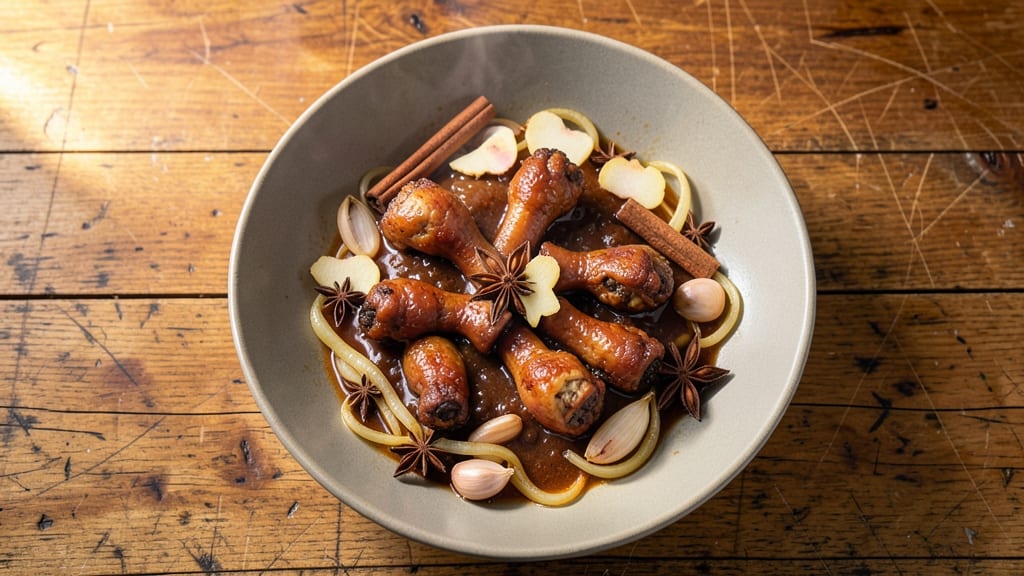
This stewed chicken feet recipe transforms a humble ingredient into a dish that delivers deep umami richness and gelatinous comfort—perfect for adventurous eaters seeking bold flavors. The process begins with thorough cleaning and parboiling to remove impurities, ensuring each bite is tender and flavorful rather than chewy.
What sets this recipe apart is the slow simmer in aromatic broth, where ginger, garlic, and star anise infuse the chicken feet with layers of warmth and complexity.
The result is a dish that balances textural contrast—silky, jelly-like bites with a satisfying snap—paired with a savory, slightly sweet sauce that clings to every piece.
This recipe requires patience, as the 2-3 hour simmer is essential for achieving the perfect tenderness, but the reward is a dish that feels like a hug in edible form. The gelatinous quality isn’t just a texture; it’s a testament to the dish’s soulful depth.
Serve these stewed chicken feet with a drizzle of reduced soy-glazed sauce and a sprinkle of fresh cilantro for brightness, or pair them with steamed rice to soak up every drop of flavor.
This dish is not for the faint of heart, but for those who embrace it, it becomes a restaurant-worthy centerpiece—rich, comforting, and unforgettable. Let’s dive into the steps to bring this umami masterpiece to life.
Whether you’re exploring traditional flavors or simply craving a bold, comforting meal, this recipe delivers. The key lies in the slow cooking process, which transforms tough collagen into luscious, melt-in-your-mouth bites.
Perfect for special occasions or adventurous weeknights, this dish proves that comfort food doesn’t have to be ordinary. Ready to elevate your stew repertoire?
Ingredients for stewed chicken feet
Bold aromatics and slow-simmered collagen create this restaurant-worthy umami masterpiece.
| Ingredient | Amount | Notes |
|---|---|---|
| Chicken Feet 🦶 | 2 ½ lb | Fresh, cleaned, parboiled |
| Yellow Onion 🧅 | 1 whole | Chopped, medium size |
| Garlic Cloves 🧄 | 6 cloves | Minced, fresh preferred |
| Fresh Ginger 🌿 | 2 tbsp | Grated, peeled root |
| Star Anise 🌟 | 2 whole | Crushed lightly, aromatic |
| Cinnamon Sticks 🌿 | 2 whole | 2-inch pieces, aromatic |
| Bay Leaves 🍃 | 2 whole | Fresh or dried |
| Light Soy Sauce 🥢 | ½ cup | Kikkoman preferred |
| Dark Soy Sauce 🥢 | ¼ cup | For depth, optional |
| Rice Vinegar 🍶 | ¼ cup | White or seasoned |
| Brown Sugar 🍚 | ¼ cup | Packed, light brown |
| Water 💧 | 4 cups | Filtered preferred |
| Fresh Cilantro 🌿 | ¼ cup | Chopped, for garnish |
| Sesame Oil 🫒 | 1 tbsp | Toasted, for finishing |
| Salt 🧂 | 1 ½ tsp | Diamond Crystal preferred |
The chicken feet are the star—look for plump, clean ones at Asian markets (the good stuff, not the frozen kind). If you can't find them fresh, parboil them for 10 minutes before using to remove impurities. The star anise and cinnamon sticks from Penzeys or bulk bins add that signature warmth—don’t skip these! For the ginger, fresh is non-negotiable (the dried stuff tastes like sawdust). If you’re prepping ahead, parboil the feet and store them in the fridge for up to 3 days before simmering.
No star anise? A pinch of anise seeds or even fennel seeds works in a pinch (though the flavor won’t be identical). Short on soy sauces? Double the light soy and add a splash of balsamic vinegar for depth. The brown sugar can be swapped for white sugar or coconut sugar, but it adds that caramelized richness that’s key here. For the vinegar, rice vinegar is traditional, but apple cider vinegar adds a tangy twist. And if you’re feeling fancy, toast the sesame oil in a dry pan for 30 seconds before drizzling—game-changer for aroma!
This dish tastes even better the next day—the collagen fully develops after resting. Store leftovers in the fridge for up to 5 days (they’ll thicken as they cool). For longer storage, freeze in portions—thaw overnight in the fridge before reheating. The sauce reduces beautifully, so make extra if you’re serving a crowd. Garnish with fresh cilantro right before serving (it wilts fast), and drizzle that toasted sesame oil right before eating for maximum impact!
Why You'll Love This Recipe
- I’ll admit it: I make this on Sundays because by Wednesday, the broth has reduced to a syrupy consistency and the feet are so tender they practically dissolve. Add it to noodles, use it as a dipping sauce, or just eat it straight—it’s the kind of meal that rewards you for thinking ahead.
- No-Fuss Collagen Boost: Honestly, the hardest part is just rinsing those feet after the first boil—everything else is hands-off simmering. I’ll be real: the 20-minute parboil and the hour-long slow cook are the only steps that require attention, and once you get them in the pot with the star anise and cinnamon sticks, you’re basically free to make coffee or check your email.
- Sweet-Savory Umami Bomb: That combo of light soy sauce, dark soy sauce, and brown sugar? It’s like a flavor hug. The garlic and ginger punch through the richness of the chicken feet, while the rice vinegar keeps it from tasting too heavy. Trust me, the first bite is the kind that makes you pause mid-chew to say, “Yes, exactly like that.”
- Leftovers That Get Better: I’ll admit it: I make this on Sundays because by Wednesday, the broth has reduced to a syrupy consistency and the feet are so tender they practically dissolve. Add it to noodles, use it as a dipping sauce, or just eat it straight—it’s the kind of meal that rewards you for thinking ahead.
Step-by-step instructions for stewed chicken feet
Transform tough chicken feet into melt-in-your-mouth gelatinous bites with this aromatic umami bomb.
Parboil and Prepare the Chicken Feet
Place the 2½ lb chicken feet in a large pot and cover with cold water by 2 inches. Bring to a boil over high heat, then immediately reduce to a gentle simmer for 20 minutes. This initial boiling removes impurities and begins tenderizing the collagen-rich connective tissue.
After 20 minutes, drain and rinse the chicken feet thoroughly under cold water. This step is crucial—it removes any surface scum that would otherwise make your stew bitter. Pat them completely dry with paper towels, then transfer to a clean pot. Add 4 cups water, the 1 yellow onion (chopped), 6 cloves garlic cloves (minced), 2 tbsp fresh ginger (grated), 1½ tsp salt, 2 star anise, 2 cinnamon sticks, and 2 bay leaves. Bring to a boil again over medium-high heat, then reduce to a low simmer for 1 hour, partially covered. Here's the thing—this slow simmer breaks down collagen into gelatin, transforming tough feet into tender, jelly-like bites.
Build the Umami-Packed Broth
After the initial 1-hour simmer, remove the chicken feet and set aside. Strain the broth through a fine-mesh sieve into a clean pot, pressing gently on the solids to extract maximum flavor. Return the broth to the pot and stir in the ½ cup light soy sauce, ¼ cup dark soy sauce, ¼ cup rice vinegar, and ¼ cup brown sugar. Bring to a gentle simmer over medium heat until the sugar dissolves completely—this should take about 5 minutes. The aroma should be intoxicating: sweet, savory, and deeply aromatic.
Return the chicken feet to the pot and simmer uncovered for another 1 hour. This second simmer allows the feet to absorb the rich, complex flavors of the broth. You'll notice the liquid reduces slightly as moisture evaporates, intensifying the umami concentration. Here's where the magic happens—the gelatinous transformation begins in earnest. The feet should be tender enough to pierce with a fork but still hold their shape.
Finish with Aromatics and Garnish
Once the chicken feet are fork-tender, carefully remove them from the broth and transfer to a serving platter. Strain the broth again if needed for clarity, then return it to the pot. Add 1 tbsp sesame oil and simmer for 2-3 minutes to infuse the oil with the broth's incredible depth of flavor. Taste and adjust seasoning if needed—this is your chance to balance sweetness and saltiness.
To serve, ladle the fragrant broth over the chicken feet. Garnish each portion with ¼ cup fresh cilantro (chopped) for a bright, herbal contrast. The result? A dish that's equal parts comforting and sophisticated, where each bite delivers a perfect balance of gelatinous texture and umami richness. This is the kind of dish that gets better the next day as the flavors meld even more deeply.
Pro Tips For Making Stewed Chicken Feet
- Simmer Low and Slow: That second hour of uncovered simmering isn’t just decoration—it’s where the feet turn gelatinous. I used to rush it, but the feet stay tough and the broth stays watery. Keep the heat low and let the moisture evaporate naturally; that’s how you get that rich, concentrated umami.
- Grate Ginger Fine: Skip the big chunks—you want this ginger to dissolve completely. I learned the hard way when I left it in coarse pieces; it just sat there like a sad, chewy afterthought. Use a microplane or the smallest holes on a grater, and trust me, the broth will thank you.
- Don’t Skimp on Rinsing: That 20-minute parboil isn’t just for tenderizing—it’s also for the scum. After draining, rinse those feet thoroughly under cold water, even if they look clean. I’ve made this stew twice without rinsing, and both times the broth tasted bitter. Scrub the scum off, then pat them bone-dry—no shortcut here.
- Strain Twice for Clarity: The first strain gets the big bits out, but the second time—after adding the soy, vinegar, and sugar—is where the magic happens. Use a fine-mesh sieve and press gently on the solids; this extracts the last of the flavor and keeps your final broth silky smooth. I know it’s extra work, but the difference in presentation (and taste) is worth it.
Regional styles of this dish
Southern Comfort Style
In the American South, stewed chicken feet often appear in slow-cooked soul food dishes, where they’re simmered alongside smoked turkey or pork for hours. I’ve seen versions where the feet are braised with hot sauce and cornmeal to create a thick, rustic texture.
The key here is to add ½ cup of chicken stock instead of water for depth, and finish with a splash of Tabasco for heat. Serve it over steamed white rice with a side of collard greens—this Southern twist makes it feel like a home-cooked feast. 🔥
Asian-Inspired Umami Bomb
In East Asian cuisine, chicken feet are a staple in hot pot and braised dishes, often paired with miso paste or gochujang. For this variation, replace the soy sauces with ¼ cup white miso paste and 1 tbsp gochujang for a spicy-sweet kick.
Add 1 tbsp grated daikon radish to the broth for extra texture, and finish with toasted sesame seeds and green onions. This version is restaurant-quality and feels like a taste of Tokyo or Shanghai. ✨
Thai-Infused Spicy Delight
Thai cooking transforms chicken feet into a bold, aromatic stew with lemongrass, kaffir lime leaves, and Thai chili. Swap the cinnamon sticks for 2 stalks lemongrass (bruised), add 2 kaffir lime leaves, and stir in 1 tbsp Thai red curry paste during the second simmer.
Garnish with fresh Thai basil and crushed peanuts for crunch. This version is fiery, fragrant, and unforgettable—perfect with jasmine rice. 🌶️
Korean BBQ-Inspired Fusion
For a Korean twist, marinate the chicken feet in 1 tbsp gochujang and 1 tbsp honey before simmering. Add 1 tbsp grated ginger and 3 cloves minced garlic to the broth, then finish with 1 tbsp toasted sesame seeds and sliced scallions.
Serve with kimchi and steamed rice for a dish that’s sweet, spicy, and smoky—like a cross between stew and BBQ. 💛
Spanish-Andalusian Twist
In Andalusia, chicken feet are often stewed with smoked paprika and saffron for a rich, golden hue. Replace the brown sugar with 1 tsp saffron threads steeped in ½ cup warm broth, and add 1 tbsp smoked paprika to the simmering pot.
Finish with chopped parsley and a drizzle of olive oil—this version feels like a Spanish tapas gem. The saffron adds a luxurious touch that elevates the dish. 🌟
Nutrition facts
Frequently asked questions
Why do chicken feet need to be parboiled before stewing?
The initial 20-minute boil removes surface impurities and blood, preventing a bitter taste in your final dish. It also begins breaking down the collagen, making the feet tender and gelatinous during the long simmer. Skipping this step risks an unpleasant flavor and tough texture.
Can I substitute fresh ginger with powdered ginger?
While you can use powdered ginger in a pinch, fresh is always better for this recipe. The flavor is more vibrant and aromatic. If using powder, reduce the amount to 1 teaspoon (about ⅛ the fresh amount) to avoid overpowering the dish.
How do I know when the chicken feet are fully cooked?
They’re done when they’re fork-tender but still hold their shape—like a jelly-like bite. After 2 hours total simmering, pierce one with a fork. If it slides through easily but doesn’t fall apart, they’re ready. Overcooking makes them mushy, so keep an eye on them!
What should I do if the broth tastes too salty?
Balance the saltiness by adding 1 tablespoon rice vinegar or a touch more brown sugar to mellow it out. You can also dilute the broth slightly with warm water if needed. Taste as you go—adjustments are easy before serving!
Can I make this dish ahead of time?
The flavors improve over time. Store leftovers in the fridge for up to 5 days, and the broth will thicken beautifully. Reheat gently on the stovetop, adding a splash of water if needed. It reheats even better than the day it’s made!