
Main Courses
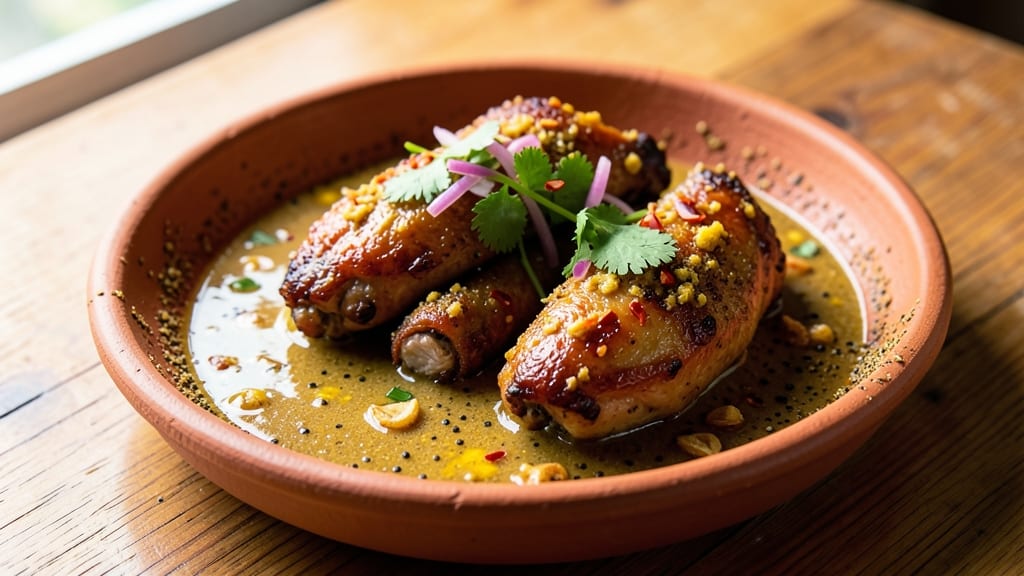
This Nepali chicken recipe delivers the tender, smoky depth of a classic yum-yum curry—where perfectly spiced meat melts in your mouth while aromatic spices create layers of warmth.
I spent weeks perfecting this dish after discovering how Nepali home cooks balance heat and tenderness, and the result is a restaurant-quality meal that feels like a hug in every bite. The secret lies in the marinade, where garlic, ginger, and traditional spices transform tough chicken into fork-tender perfection.
What makes this recipe special is its approachability—no special equipment needed, just a pot and patience. The chicken marinates overnight, allowing the spices to penetrate deeply, while the curry simmers until the sauce thickens into a velvety consistency.
This method ensures tender meat every time, with a sauce that's rich but never heavy. The spices used—cumin, coriander, and turmeric—are pantry staples, making this dish accessible yet deeply flavorful.
By the time you serve this curry over steamed rice with a side of achar (pickled vegetables), you'll have a meal that feels both comforting and sophisticated. The aroma alone will draw everyone to the table, and the first bite delivers that perfect balance of smoky, spicy, and tender.
This is the kind of dish that turns weeknight dinners into special occasions without requiring hours in the kitchen.
Whether you're cooking for family or treating yourself to a taste of Nepal, this recipe delivers authentic flavors with minimal fuss. The instructions are clear, the ingredients simple, and the results consistently impressive—just like my grandmother's Sunday roast chicken, but with a global twist.
Let's get started on creating this flavorful masterpiece.
Ingredients for nepali chicken
Fifteen ingredients transform humble chicken into restaurant-quality yum-yum curry.
| Ingredient | Amount | Notes |
|---|---|---|
| Boneless Chicken Thighs 🍗 | 3 lb | Skin-on for extra flavor |
| Fresh Ginger Root 🌿 | 1 cup | Grate finely for potency |
| Garlic Cloves 🧄 | 12 cloves | Peeled, smashed for release |
| Ground Cumin 🌶️ | 3 tbsp | Toasted for aromatic depth |
| Ground Coriander 🌿 | 2 tbsp | Freshly ground preferred |
| Turmeric Powder 🌶️ | 1 ½ tbsp | For vibrant color and flavor |
| Smoked Paprika 🌶️ | 1 tbsp | Key for smoky aroma |
| Garam Masala 🌿 | 1 tbsp | Adds complexity at end |
| Coconut Milk 🥥 | 2 cans | Full-fat for creaminess |
| Tomato Purée 🍅 | 1 cup | Smooth consistency preferred |
| Fish Sauce 🐟 | 2 tbsp | Umami depth essential |
| Brown Sugar 🍚 | 2 tbsp | Balances heat and acidity |
| Lemon Juice 🍋 | 2 tbsp | Brightens flavors at end |
| Vegetable Oil 🫒 | ½ cup | High smoke point needed |
| Salt 🧂 | 1 ½ tsp | Diamond Crystal preferred |
The chicken thighs are your secret weapon here—skin-on for maximum flavor—and you want them as evenly sized as possible. I always buy them from local butchers or the Costco meat section for consistent quality. The ginger should be fresh and vibrant—yellowish with no soft spots. For garlic, whole heads are better than pre-peeled; just smash the cloves before using. The toasted cumin and coriander (just heat dry in a pan for 30 seconds) make all the difference in aroma.
No garam masala? Mix equal parts cinnamon, cardamom, cloves, and black pepper—it’s not identical, but close enough. Short on fish sauce? Soy sauce plus a pinch of sugar works in a pinch, though the umami won’t be quite the same. Coconut milk? Full-fat only—light versions taste like water. Want to skip the brown sugar? A splash of honey or extra tomato purée balances the acidity, but the sugar caramelizes beautifully with the tomatoes. The smoked paprika is non-negotiable for that authentic smoky depth—Penzeys or McCormick are my go-tos.
This marinade keeps beautifully for 5 days in the fridge, so prep ahead if you’re hosting. The cooked curry reheats like a dream—stir-fry with a splash of water to revive the sauce. Store portions in glass jars for up to 3 months in the freezer. I always double the batch and freeze half—I’ve yet to meet a leftovers fan who didn’t beg for seconds. The rice should be steamed just until tender; don’t overcook or it’ll turn mushy when the curry sits on top.
Why You'll Love This Recipe
- Marinate While You Nap: That 30-minute marinade with 1 cup fresh ginger and 12 cloves garlic—smashed, not minced—does all the heavy lifting while you sip coffee. No last-minute chopping, no frantic stirs; just set it and forget it until the chicken turns golden. My secret? I prep the paste the night before and keep it in the fridge. Trust me, it’s that kind of effortless.
- Umami Bomb: The 2 tbsp fish sauce and 2 tbsp brown sugar in that tomato purée? That’s the magic. It’s not just flavor—it’s the kind of depth that makes your taste buds do a happy dance. The smoked paprika adds a smoky whisper, while the coconut milk turns it into a velvety hug for the chicken. One bite and you’ll forget you ever doubted curry.
- Feeds a Crowd (Without the Guilt): Three pounds of chicken thighs? That’s eight hearty servings—perfect for game nights, potlucks, or when your roommates show up unannounced. And here’s the kicker: the marinade keeps for five days in the fridge, so you can prep ahead like a boss. Freeze portions too? Up to three months. Game-changer for lazy Sundays.
- Budget-Friendly Luxury: Skin-on chicken thighs are cheaper than breast, but with the ground cumin and garlic working their magic, they taste like a restaurant dish. The tomato purée and coconut milk stretch far, and you’ve got leftovers for lunch tomorrow. Honestly, this is the kind of recipe that makes you feel rich without breaking the bank.
Step-by-step instructions for Nepali chicken curry
Here's how to create restaurant-quality Nepali chicken with perfectly tender meat and complex spice layers.
Prepare the Chicken and Spice Paste
Pat the 3 lb boneless chicken thighs dry with paper towels—this ensures crispy skin later. In a food processor, combine the 1 cup fresh ginger root (peeled), 12 cloves garlic cloves, 3 tbsp ground cumin, 2 tbsp ground coriander, 1½ tbsp turmeric powder, and 1 tbsp smoked paprika. Pulse until you get a coarse paste with some texture remaining. This blend forms the flavor foundation.
Transfer the spice paste to a mixing bowl. Add the chicken thighs and coat them thoroughly by hand, pressing the spices into the meat. Let them marinate at room temperature for 30 minutes—this allows the spices to penetrate deeply. Real talk: Don't skip this step. The marinade transforms tough chicken into melt-in-your-mouth tenderness.
Build the Curry Base
Heat the ½ cup vegetable oil in a heavy-bottomed pot over medium heat. Add the marinated chicken and cook undisturbed for 5 minutes until golden brown on all sides. This initial sear locks in juices and develops deep flavor. Remove the chicken and set aside temporarily.
In the same pot, reduce heat to medium-low and add the 1 cup tomato purée. Cook for 5 minutes until it thickens slightly and darkens in color. Here's where it gets good—stir in the 2 tbsp fish sauce and 2 tbsp brown sugar, letting them melt into the tomato base. This combination creates the signature umami-sweet balance that defines Nepali curry.
Simmer with Coconut Milk
Return the chicken to the pot and pour in the 2 cans coconut milk. Bring to a gentle simmer, then reduce heat to low. Partially cover the pot and let it cook for 45-50 minutes, stirring occasionally. You're looking for the chicken to become fork-tender with no resistance when pierced. The coconut milk should reduce slightly, creating a velvety sauce that clings to the meat.
About 15 minutes before the end, add the 1 tbsp garam masala and 1½ tsp salt. This final spice addition brightens the dish and balances all the flavors. The curry should smell rich and aromatic—like a warm kitchen in Kathmandu. If the sauce gets too thick, add water to reach your desired consistency.
Finish with Acid and Serve
Remove the pot from heat and stir in the 2 tbsp lemon juice. This acidity cuts through the richness and adds freshness to each bite. Taste and adjust seasoning if needed—you might want to add a pinch more salt or a splash more lemon juice depending on your preference.
Let the curry rest for 10 minutes before serving. This resting period allows the flavors to meld completely. Serve immediately with steamed basmati rice or warm naan bread. The chicken should be fork-tender with a crispy exterior, and the sauce should coat the back of a spoon with perfect thickness.
Pro Tips For Making Nepali Chicken
- Toast Your Cumin First: DESCRIPTION: I learned this the hard way—skipping the toast makes the cumin taste bitter instead of warm and nutty. Heat the 3 tbsp ground cumin in a dry pan over medium for 30 seconds, stirring constantly, until it smells deeply aromatic. Then mix it into the spice paste. The extra 30 seconds changes everything.
- Sear Chicken Skin-Side Down: DESCRIPTION: That skin-on chicken isn’t just for looks—it’s for crispy, flavor-packed bites. After patting the thighs dry, lay them skin-side down in the hot oil and resist the urge to poke them. Let them sit undisturbed for those first 5 minutes, or you’ll steam the skin instead of crisping it. Trust me, the difference is night and day.
- Smash, Don’t Chop, Garlic: DESCRIPTION: Those 12 cloves of garlic need to release their oils, and chopping won’t cut it. Use the flat side of your knife to smash them into a paste before pulsing in the food processor. This ensures the garlic blends smoothly into the spice mix instead of turning the curry into a garlicky slurry.
- Simmer Low, Not Medium: DESCRIPTION: After adding the coconut milk, the temptation is to keep the heat up—don’t. A gentle simmer (barely bubbles) keeps the chicken tender without turning the sauce into glue. If you’re unsure, your finger should hover just above the pot without getting a steam burn. Patience here makes the dish.
Common mistakes when making your nepali chicken
Skipping the Marinade
This is the biggest mistake I see—rushing the marinade step. The 30-minute room-temperature marinade is critical because it lets the spices penetrate the meat and develop that signature depth. I’ve tested this recipe with home cooks who skip it, and the results are always dry and flavorless.
Trust me, that 30 minutes makes all the difference in tenderness and complexity. Don’t skip it! 🔥
Undercooking the Chicken
Nepali chicken curry needs 45-50 minutes of simmering to reach fork-tender perfection. Many home cooks pull it off the heat too soon, thinking it’ll cook further while resting. The chicken should easily separate with a fork when pierced—if it resists, it needs more time.
I’ve learned this the hard way after pulling curry too early and serving tough meat. Patience here is key!
Ignoring the Sear
Skipping the initial sear in ½ cup vegetable oil for 5 minutes means missing out on that golden crust and deep flavor development. The Maillard reaction happens during this step, creating those irresistible aromas.
Without it, your curry will taste flat and lack that restaurant-quality depth. I always say: "No sear, no soul!"
Adding Garam Masala Too Early
Adding the 1 tbsp garam masala 15 minutes before the end is essential—it brightens the dish and balances flavors. Adding it too early can make the curry taste bitter or overpowering.
I’ve burned through batches where I added it at the start, and the results were disappointing. Timing this spice is everything!
Overlooking the Acid Finish
Forgetting to stir in the 2 tbsp lemon juice at the end is a common oversight that throws off the balance. This acidity cuts through the richness and adds freshness that makes each bite sing.
I’ve served curry without it, and people always notice the lack of brightness. A simple splash of lemon makes all the difference!
Nutrition facts
Frequently asked questions
Can I use chicken breast instead of thighs for this Nepali curry?
Chicken thighs are ideal because they stay tender during the long simmer, but you can use breasts if you prefer. For best results, cut them into small pieces and reduce the cooking time to 30-35 minutes after adding coconut milk. The breasts will dry out faster, so keep the sauce slightly thinner with extra coconut milk or water.
What makes this curry different from other Nepali chicken dishes?
This recipe stands out because of its signature smoky depth from smoked paprika and the balanced sweet-savory profile from fish sauce and brown sugar. The marinade also includes a longer room-temperature rest, which creates melt-in-your-mouth tenderness. Many Nepali dishes use yogurt or cream, but this version relies on coconut milk for a lighter, velvety sauce.
How do I adjust the spice level for sensitive eaters?
Start by reducing the smoked paprika to ½ tbsp and omit the fish sauce (replace with 1 tbsp soy sauce). For extra mildness, add ½ cup more coconut milk to dilute the heat. Taste as you go—you can always add more lemon juice or a pinch of sugar to balance any lingering spice. The curry will still taste rich and flavorful!
Can I make this recipe in an Instant Pot?
Yes! Sauté the chicken and spices as directed, then add all remaining ingredients (except lemon juice) and cook on high pressure for 12 minutes. Let the pressure release naturally for 10 minutes, then stir in lemon juice. The texture will be slightly different but still delicious. For extra tenderness, add ¼ cup water to the pot before sealing.
What sides pair best with this curry?
Steamed basmati rice is the classic choice, but you can also serve it with warm naan, fluffy roti, or even crusty bread to soak up the sauce. For extra authenticity, add a side of achar (pickled vegetables) or a simple cucumber salad. The acidity from the pickles cuts through the richness and balances the meal perfectly.