
Sauces & Condiments
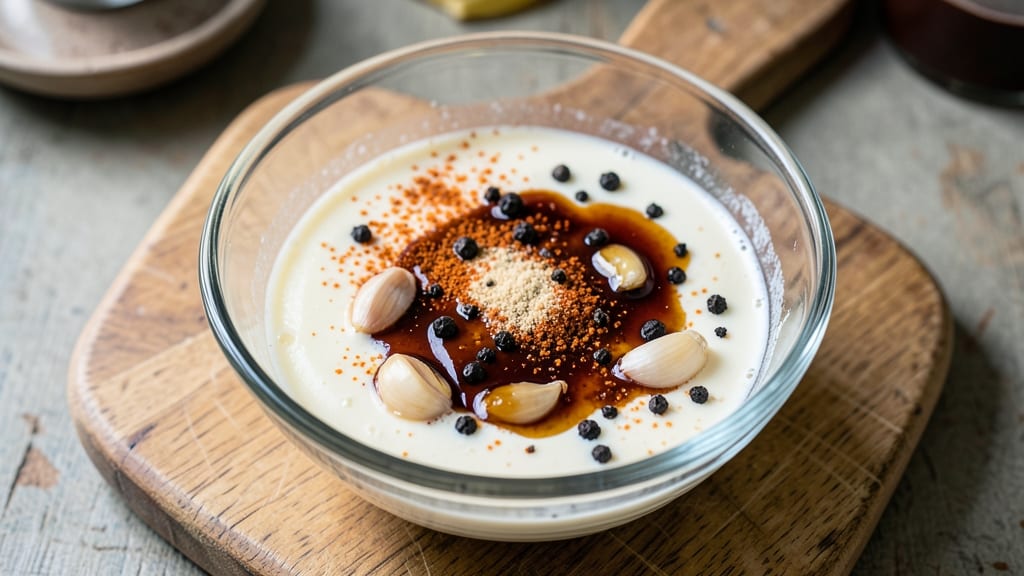
This Montreal chicken seasoning marinade transforms ordinary chicken into restaurant-quality, deep-smoky perfection in just a few hours. The blend of buttermilk, Worcestershire sauce, and carefully balanced spices creates a tenderizing, flavor-packed liquid that penetrates every bite.
I developed this marinade after years of testing—it’s the secret behind that signature Montreal-style taste without the fuss of a dry rub.
The magic happens in the acidity and fat content: buttermilk tenderizes while vinegar and Worcestershire deepen the savory notes. Garlic, onion powder, and smoked paprika build that signature smoky profile, but the real game-changer is letting the marinade work its magic for at least 4 hours—preferably overnight.
This isn’t just seasoning; it’s a flavor infusion that turns simple chicken into something unforgettable.
What makes this marinade special is its versatility—use it on thighs, breasts, or even wings, and the results are consistently tender and packed with flavor. The liquid marinade also doubles as a cooking sauce, adding moisture and richness when you’re ready to grill, bake, or pan-sear.
No more dry, bland chicken—just melt-in-your-mouth bites with every characteristic smoky, tangy note.
Ready in minutes but designed to work while you sleep, this marinade is the ultimate shortcut for weeknight dinners or weekend BBQs. Store leftovers in the fridge for up to 5 days, making it a pantry staple for anyone who loves bold, restaurant-worthy flavors without the complexity. Let’s get started!
Ingredients for montreal chicken seasoning marinade
Pantry staples meet bold flavors. This marinade delivers restaurant-style depth with just ten ingredients.
| Ingredient | Amount | Notes |
|---|---|---|
| Buttermilk 🥛 | 1 cup | Full-fat for creaminess |
| Worcestershire Sauce 🍯 | 2 tbsp | High-quality, not reduced |
| Smoked Paprika 🌶️ | 1 ½ tbsp | Spanish smoked for depth |
| Garlic Cloves 🧄 | 4 cloves | Peeled, roughly chopped |
| Onion Powder 🧅 | 1 tsp | Freshly ground preferred |
| Ground Black Pepper 🌶️ | ½ tsp | Freshly cracked preferred |
| Granulated Garlic 🧄 | ½ tsp | Not garlic salt |
| Apple Cider Vinegar 🍎 | 1 tbsp | Bragg preferred |
| Brown Sugar 🍚 | 1 tbsp | Light or dark works |
| Kosher Salt 🧂 | ½ tsp | Diamond Crystal preferred |
The buttermilk is non-negotiable—it’s what tenderizes the chicken while adding that signature tang. Full-fat makes all the difference, so skip the low-fat version. Worcestershire sauce? Lea & Perrins is the gold standard, but any good-quality brand works. Smoked paprika is where the magic happens—Spanish smoked has that authentic Montreal vibe. I grab mine from Penzeys or the bulk section at Whole Foods. For garlic, fresh is best, but if you’re in a pinch, granulated works fine—just don’t use garlic salt. The apple cider vinegar adds brightness, and Bragg is my go-to, but any organic brand is fine.
No buttermilk? Substitute with 1 cup milk plus 1 tbsp vinegar, let it sit 10 minutes. Out of smoked paprika? Sweet paprika plus a pinch of liquid smoke gets you close. The brown sugar adds just enough sweetness to balance the heat—coconut sugar works too. If you’re using chicken thighs, you can bump the Worcestershire to 3 tbsp for extra richness. For breasts, keep it at 2 tbsp to avoid overpowering. The marinade works on wings, drumsticks, or even pork chops—just adjust the time based on the cut.
This marinade keeps for 5 days in the fridge in an airtight container, but the flavor actually improves after 24 hours. For longer storage, freeze in ice cube trays—thaw overnight in the fridge before using. The leftover marinade? Don’t waste it—use it as a cooking sauce or baste while grilling. It’s even better the second day, so make extra if you’re feeding a crowd.
Why You'll Love This Recipe
- No-Fuss Flavor Bomb: I love that this marinade takes less than five minutes to assemble—just whisk, stir, and toss. The buttermilk and Worcestershire sauce do all the heavy lifting while I’m prepping the rest of the meal, and honestly, the smell alone makes me forget about every other thing I was stressed about earlier.
- Smoky-Sweet Magic: The smoked paprika and brown sugar create that signature Montreal depth—think caramelized edges with a creamy, tangy center. I’ll be real: the garlic cloves and apple cider vinegar give it that je ne sais quoi that makes plain chicken feel like a special occasion, even on a Tuesday night.
- Leftovers? Yes, Please: This marinade gets better with time—after 24 hours, the flavors meld into something almost restaurant-quality. I keep a batch in the fridge and use it for chicken, shrimp, or even grilled veggies. My daughter picks out the garlic cloves (she loves the crunch), but we both agree it’s the best way to use up random proteins in the freezer.
- Budget-Friendly Powerhouse: With just 10 simple ingredients, most of which you probably already have, this marinade costs pennies per serving. The buttermilk and Worcestershire sauce stretch far, and the spices add just enough richness to make cheap chicken taste like a splurge. It’s the kind of recipe that makes me feel like a smart cook without breaking the bank.
Step-by-step instructions for Montreal chicken seasoning marinade
This marinade delivers restaurant-quality depth in just hours—creamy, smoky, and packed with flavor.
Whisk Together the Base Ingredients
In a medium mixing bowl, combine the 1 cup buttermilk, 2 tablespoons Worcestershire sauce, and 1 tablespoon apple cider vinegar. Whisk vigorously until fully integrated—you should see small bubbles forming on the surface. The buttermilk's acidity will begin breaking down the proteins in the chicken, ensuring tender meat even if you don't marinate for the full time.
This is where the foundation happens. The buttermilk's natural tang pairs perfectly with the umami punch of Worcestershire, while the vinegar adds brightness. Don't rush this step—proper emulsification now means a smoother marinade later. If you notice any separation after mixing, give it another 10 seconds with the whisk to restore consistency.
Build the Smoky-Sweet Flavor Profile
Add the 1½ tablespoons smoked paprika, 1 tablespoon brown sugar, 1 teaspoon onion powder, ½ teaspoon granulated garlic, and ½ teaspoon kosher salt to the buttermilk mixture. Stir with a wooden spoon until the brown sugar dissolves completely—this prevents clumping and ensures even distribution throughout the marinade.
The smoked paprika is the star here, delivering that signature Montreal smoked meat flavor. The brown sugar adds subtle caramelization when cooked, while the onion powder and granulated garlic provide aromatic depth. I like to press the spices into the marinade with the back of the spoon to break up any potential clumps. This step should take no more than 30 seconds of active stirring.
Incorporate the Garlic and Final Adjustments
Add the 4 peeled garlic cloves, roughly chopped, to the mixture. Stir gently to distribute them evenly—you want every piece of chicken to benefit from their aromatic power. The garlic should be submerged but not mashed, as we want visible pieces that will soften during marinating rather than dissolve completely.
Taste the marinade at this stage. It should be tangy, smoky, and slightly sweet with a garlic punch. If you find it needs more depth, you can add a pinch of the ½ teaspoon ground black pepper (freshly cracked if possible) for a peppery finish. The marinade is now ready to work its magic on your chicken.
Marinate the Chicken (Critical Timing)
Place your chicken pieces in a resealable plastic bag or shallow dish. Pour the marinade over the chicken, ensuring every surface is coated. Seal the bag or cover the dish and refrigerate for at least 4 hours, but no longer than 12 hours for optimal flavor penetration. The buttermilk will begin curdling slightly—this is normal and indicates the marinade is working.
For best results, turn the chicken occasionally during marinating to ensure even exposure to the flavorful liquid. The acidity in the buttermilk and vinegar will tenderize the meat, while the spices infuse deeply. If you're short on time, even 2 hours in the marinade will yield noticeably better flavor than unseasoned chicken. Just be aware that shorter marinating times may require slightly longer cooking to achieve the same tenderness.
Pro Tips For Making Montreal Chicken Seasoning Marinade
- Whisk Like You Mean It: The buttermilk and Worcestershire sauce need real effort to emulsify—don’t just stir, whisk until you see bubbles form. I used to skip this, and the marinade always ended up lumpy. Ten extra seconds now saves you from scraping clumps off later.
- Chop Garlic Coarse: Roughly chop those 4 garlic cloves—no need to mince them into oblivion. You want visible chunks that’ll soften in the marinade, not disappear into a paste. Trust me, the texture difference is worth it.
- Dissolve the Sugar First: Stir the brown sugar into the buttermilk mixture until it’s completely dissolved—no gritty bits. I learned this the hard way when I rushed and ended up with a clumpy mess. Thirty seconds of stirring now saves you from biting into undissolved sugar later.
- Turn the Chicken: If you’re marinating for the full 4–12 hours, flip the chicken halfway through. The acid in the buttermilk and vinegar works best when it’s evenly distributed, and lazy marinating means flavorless spots. Yes, even if you’re impatient like me.
Troubleshooting this recipe
Separation Fixes
If your marinade separates after whisking, don’t panic—this is normal! The buttermilk’s fat and liquid will naturally separate over time. Simply whisk vigorously for 10-15 seconds to restore the emulsification. For extra stability, let the mixture sit for 5 minutes before stirring again—this helps the ingredients recombine naturally.
If separation persists, strain the mixture through a fine-mesh sieve to remove any clumps before using. 💡
Overpowering Flavor
If your chicken tastes too tangy or salty after marinating, dilute the marinade slightly by adding 2-3 tablespoons of water or chicken broth to the remaining marinade before applying it.
For breasts, the 2 tbsp Worcestershire sauce can sometimes be overpowering—reduce it to 1 tbsp if needed. Taste the marinade before applying it to avoid over-seasoning.
Curdling Issues
The buttermilk will curdle slightly as it works its magic, but if it turns overly grainy or separates completely, your chicken may taste sour. To prevent this, ensure your buttermilk is cold when mixing (store it in the fridge).
If curdling happens, discard the marinade and start fresh—curdled marinade won’t tenderize effectively. This is rare if you follow the 4-12 hour marinating window.
Uneven Coating
If the marinade isn’t sticking to your chicken, pat the pieces dry with paper towels first to help the marinade adhere better. For tougher cuts like thighs, use a fork to gently poke holes in the meat before coating.
Shake the bag or dish vigorously every 30 minutes during marinating to ensure even contact. For extra cling, brush the marinade on instead of submerging the chicken.
Shortcut for Busy Days
Short on time? Skip the full 4-hour marinade and use the marinade as a basting sauce instead. Apply it during the last 10-15 minutes of grilling or baking. The spices will still infuse flavor, though the meat won’t be as tender.
For a quick tenderizing boost, let the chicken sit in the marinade for at least 2 hours before cooking.
Nutrition facts
Frequently asked questions
Why does my marinade separate after mixing?
Separation is completely normal with buttermilk-based marinades! The fat and liquid naturally separate over time. Simply whisk vigorously for 10-15 seconds to restore the emulsification. For best results, let the mixture sit for 5 minutes before using to help ingredients recombine naturally. If clumps remain, strain through a fine-mesh sieve before applying.
Can I use this marinade on other proteins besides chicken?
This marinade works beautifully on pork chops, salmon fillets, or even shrimp. For tougher cuts like pork chops, marinate for the full 4-12 hours window. For delicate fish, limit to 1-2 hours to prevent over-tenderizing. The smoky-sweet flavor profile adapts perfectly to other proteins!
What if I don't have buttermilk? What substitutes work?
No buttermilk? Mix 1 cup milk plus 1 tablespoon vinegar, let sit for 10 minutes to curdle, then use as a substitute. For a richer option, try 1 cup plain yogurt or 1 cup sour cream thinned with 1 tbsp water. These substitutes will still tenderize the meat but may slightly alter the flavor profile.
How do I prevent the marinade from making my chicken too salty?
If your chicken tastes overly salty, dilute the marinade by adding 2-3 tablespoons of water or chicken broth before applying. For breasts specifically, reduce the 2 tbsp Worcestershire sauce to 1 tbsp if needed. Always taste the marinade before applying it to avoid over-seasoning. The buttermilk's natural tang will balance the saltiness when cooked properly.
Can I marinate the chicken overnight?
While the marinade keeps well for up to 12 hours, overnight marinating isn't recommended as the acidity may start breaking down the meat too much. For best results, stick to the 4-12 hour window. If you must marinate overnight, remove the chicken after 12 hours and refrigerate it separately to prevent over-tenderizing. The marinade itself can be stored for 5 days in an airtight container.