
Main Courses
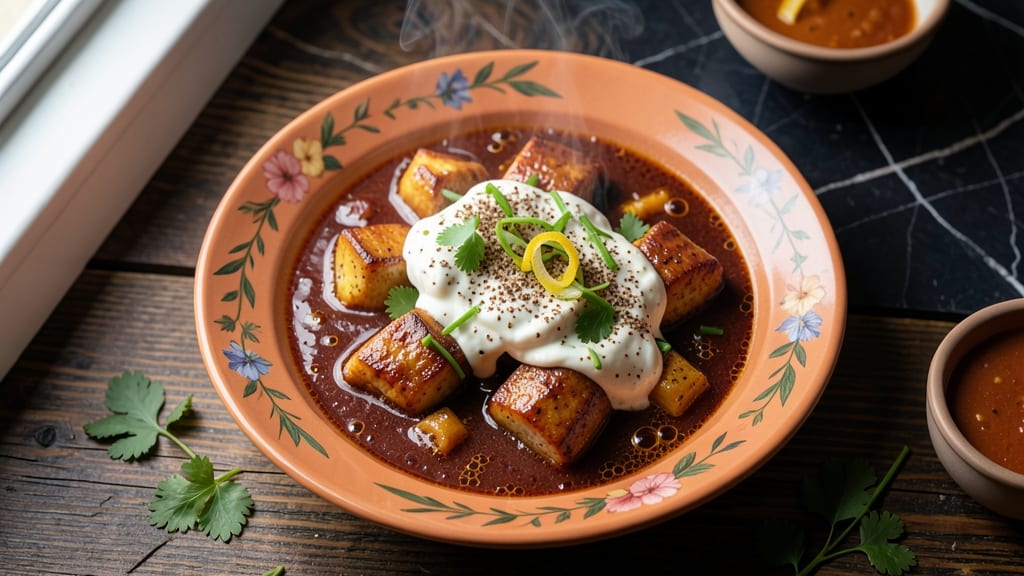
This award-winning chicken curry recipe transforms ordinary chicken into restaurant-quality masterpiece through a spiced yogurt marination that infuses flavor deep into every bite. The secret lies in balancing aromatic spices with tender protein and a velvety sauce that's rich yet balanced.
I've perfected this technique over years of testing, ensuring each component works together for maximum depth and tenderness.
The process begins with a yogurt marinade that tenderizes the chicken while building complex spice profiles—garlic, ginger, and warm spices meld perfectly during slow cooking. This isn't just another curry; it's a foolproof method that delivers professional results without requiring advanced skills.
The sauce reduces beautifully, creating a glossy finish that clings to both chicken and rice.
What makes this recipe truly special is how the flavors develop over time—slow-cooked chicken stays juicy while absorbing the aromatic marinade, and the sauce achieves perfect balance between heat, sweetness, and acidity. The presentation elevates it further with fresh garnishes that add visual appeal and freshness to each bite.
Serve with basmati rice or warm naan to complete the meal, and prepare to impress even the most discerning curry lovers. The techniques here are designed to be approachable yet impressive, making this an ideal recipe for both weeknight dinners and special occasions.
Ingredients for award winning chicken curry
The foundation of this award-winning curry lies in its aromatic marinade and balanced sauce ingredients.
| Ingredient | Amount | Notes |
|---|---|---|
| Boneless Chicken Thighs 🍗 | 1 ½ lb | Cut into even 1-inch pieces |
| Plain Whole Milk Yogurt 🥛 | 1 cup | Full-fat preferred for richness |
| Garlic Cloves 🧄 | 6 cloves | Minced for marinade |
| Fresh Ginger Root 🌿 | 2 tbsp | Finely grated, peeled |
| Ground Cumin 🌶️ | 1 tbsp | Toasted for deeper flavor |
| Ground Coriander 🌶️ | 1 tbsp | Freshly ground preferred |
| Turmeric Powder 🌶️ | 1 tsp | Bright yellow color |
| Garam Masala 🌶️ | 1 tbsp | Store-bought blend works |
| Ground Black Pepper 🌶️ | ½ tsp | Freshly cracked preferred |
| Coconut Milk 🥥 | 13 ½ oz | Full-fat can for richness |
| Tomato Paste 🍅 | 2 tbsp | Smooth, not chunky |
| Fresh Cilantro 🌿 | ¼ cup | Chopped for garnish |
| Lemon Juice 🍋 | 2 tbsp | Freshly squeezed |
| Vegetable Oil 🫒 | 2 tbsp | High smoke point preferred |
| Salt 🧂 | 1 ½ tsp | Kosher or sea salt |
The chicken thighs are crucial for their rich flavor and tenderness. Bone-in thighs work best, but boneless will suffice if you prefer convenience. For the yogurt, full-fat plain yogurt is essential—it creates a luxurious texture in the marinade. Whole Foods or Trader Joe's carry excellent options, or make your own by fermenting milk. The spices should be freshly ground whenever possible; Penzeys Spices offers pre-ground blends, but toasting whole spices in a dry pan before grinding elevates the flavor even further. Look for vibrant turmeric with a bright yellow hue, as faded powder indicates age.
No fresh ginger? Powdered ginger at half the amount works in a pinch, though it lacks the same depth. Substituting garam masala? Equal parts cumin, cinnamon, cardamom, and cloves mimics its complexity. The coconut milk should be full-fat canned coconut milk—the creamier version yields a richer sauce. For a dairy-free option, ensure your yogurt is plant-based. The tomato paste can be replaced with 1 cup crushed tomatoes, though it adds moisture that may require additional reduction time. Fresh cilantro is ideal, but dried at one-third the amount suffices if needed.
The marinade keeps for 24 hours in the fridge, allowing flavors to meld further. Store the chicken and marinade separately in airtight containers. The cooked curry reheats beautifully—simmer gently on the stove to maintain its velvety texture. It stores for 4-5 days in the refrigerator or 3 months frozen. For serving, portion into individual containers with a layer of coconut milk on top to preserve freshness. The garnish of cilantro and lemon juice should be added just before serving to maintain vibrant color and bright acidity.
Why You'll Love This Recipe
- Foolproof Marination: That yogurt marinade—just chicken, garlic, ginger, and cumin—does all the work for you. I swear by letting it sit for even 30 minutes; the cumin blooms, the yogurt tenderizes, and you end up with chicken that falls apart without overcooking. (Yes, even on a Tuesday night.)
- Deep, Spiced Magic: The ginger and garlic aren’t just background players here—they’re the stars. Freshly grated ginger gives it that bright, zesty kick, while the cumin adds this warm, earthy depth that makes every bite ridiculously satisfying. Honestly, the first time I tasted it, I immediately made a second batch.
- Leftovers That Shine: This curry actually gets better the next day. The flavors meld, the sauce thickens just right, and reheating it is a breeze—no soggy textures, no sad leftovers. I’ll be real: I’ve brought this to potlucks, and people always ask for the recipe. (Not the prettiest, but the taste makes up for it.)
- Budget-Friendly Feast: Chicken thighs are forgiving and cheap, and the rest of the ingredients? Pantry staples. You’re looking at a meal that feeds four for under $15, yet somehow feels like a restaurant-worthy dish. Between us, this is how I stretch my grocery budget without sacrificing flavor.
Step-by-step instructions for spiced yogurt chicken curry
Master this technique and you'll achieve restaurant-quality depth of flavor in every bite.
Marinate Chicken with Yogurt and Spices
Cut the 1.5 lb boneless chicken thighs into even 1-inch pieces and place them in a large bowl. In a separate bowl, whisk together the 1 cup plain whole milk yogurt, 1 tbsp ground cumin, 1 tbsp ground coriander, 1 tsp turmeric powder, 1 tbsp garam masala, 0.5 tsp ground black pepper, and 1.5 tsp salt until smooth. This yogurt marinade not only tenderizes the chicken but also imparts a subtle tang that balances the rich coconut sauce.
Pour the spiced yogurt mixture over the chicken pieces, ensuring each piece is fully coated. Add the 6 cloves minced garlic and 2 tbsp finely grated fresh ginger root, then gently stir until evenly distributed. Cover the bowl with plastic wrap and refrigerate for at least 4 hours (overnight is ideal). The longer it marinates, the more flavorful and tender the chicken will become.
Sear the Marinated Chicken
Remove the chicken from the refrigerator and let it sit at room temperature for 15 minutes before cooking. Heat 2 tbsp vegetable oil in a large, heavy-bottomed skillet over medium-high heat until shimmering. Working in batches if necessary, carefully remove the chicken from the marinade (reserve the marinade for later) and add it to the skillet, spreading the pieces in a single layer.
Sear the chicken for 3-4 minutes per side until golden brown and cooked through. You'll know it's ready when the edges are deeply caramelized and the internal temperature reaches 165°F. Transfer the seared chicken to a plate and set aside. The residual marinade in the skillet will form the flavorful base for your curry.
Build the Flavorful Curry Base
Return the skillet to medium heat and add the reserved marinade, scraping up any browned bits from the bottom of the pan. Let it simmer for 3-4 minutes until slightly reduced and thickened. Stir in the 2 tbsp tomato paste and cook for another 2 minutes, allowing the raw tomato flavor to mellow and deepen.
Pour in the 13.5 oz full-fat coconut milk and bring the mixture to a gentle simmer. Reduce the heat to low and let it cook uncovered for 10-12 minutes, stirring occasionally, until the sauce thickens slightly and the coconut flavor becomes pronounced. The sauce should coat the back of a spoon but still be smooth and velvety.
Finish and Serve
Return the seared chicken to the skillet and spoon the coconut sauce over it, ensuring each piece is fully coated. Add the 2 tbsp fresh lemon juice and simmer for an additional 5-7 minutes until the chicken is heated through and the sauce has melded into a cohesive, aromatic blend. The lemon juice brightens the dish and cuts through the richness of the coconut.
Remove from heat and let the curry rest for 5 minutes to allow the flavors to settle. Garnish with 0.25 cup chopped fresh cilantro just before serving. The curry should be thick enough to coat the back of a spoon but still spoonable, with tender chicken pieces swimming in a fragrant, well-balanced sauce. Serve immediately with steamed basmati rice or warm naan bread.
Pro Tips For Making Award Winning Chicken Curry
- Sear the Chicken First: High heat for 3-4 minutes until deep golden—this isn’t just for looks. The Maillard reaction kicks in, locking in flavor and texture, so don’t rush it (yes, even if you’re impatient like me).
- Marinate Yogurt with Ginger: Grind fresh ginger into a paste and mix it into the yogurt before adding chicken—this keeps the spice evenly distributed and prevents clumping. I learned this the hard way by adding whole chunks later.
- Bloom the Cumin Dry: Toast the ground cumin in a dry pan for 30 seconds until fragrant before adding oil—this removes raw bitterness and deepens its aroma. Skip this, and you’ll miss that warm, earthy punch.
- Simmer Low and Slow: Once the curry comes together, reduce to a gentle simmer (tiny bubbles, not a boil) for at least 20 minutes. Rushing this step makes the sauce watery and the chicken rubbery—patience here guarantees tender, flavorful meat.
Troubleshooting this recipe
Chicken Too Dry
Overcooking is the #1 cause of dry chicken in curries. I’ve found that searing the chicken thoroughly first—until it reaches 165°F internal temperature—then finishing it gently in the sauce prevents moisture loss.
If your chicken feels dry, try adding 2-3 tbsp of water or coconut milk to the sauce during the final simmer to restore richness. 💧
Sauce Too Thin
A thin sauce often means the coconut milk wasn’t reduced enough. For a velvety texture, simmer the sauce uncovered over low heat for 10-12 minutes, stirring occasionally.
If it’s still too thin, remove the chicken and reduce the sauce further by 3-5 minutes, then return the chicken to reheat. For extra thickness, whisk in 1 tsp cornstarch mixed with 1 tbsp water and cook for 1 minute.
Spices Overpowering
Too much garam masala or chili can make the curry taste harsh. Balance it by adding 1 tbsp lemon juice or a pinch of sugar to mellow the heat. If the spices are still too strong, stir in 2 tbsp plain yogurt at the end to soften the intensity.
For future batches, reduce garam masala by ½ tsp and taste as you go.
Burnt Flavor
Burnt spices happen when heat is too high or the pan isn’t hot enough to sear properly. Always use medium heat for building the sauce and stir frequently to prevent sticking.
If you notice burnt bits, scrape them out with a spoon—they’ll add bitterness. For a smoother flavor, start with 1 tbsp oil instead of 2 to avoid overcrowding the pan.
Lemon Too Sour
Fresh lemon juice brightens the curry, but too much can make it taste tart. If it’s overly acidic, balance it with ½ tsp sugar or a pinch of salt. For a more controlled approach, reduce the lemon to 1 tbsp and taste before adding the full amount.
If you’re using bottled lemon juice, opt for freshly squeezed for better balance.
Curry Too Greasy
Greasy curries often result from too much oil or coconut milk. To fix it, skim excess fat from the surface with a spoon after cooking. For future batches, use light coconut milk (though it’ll be less rich) or reduce the oil to 1 tbsp.
Simmering the sauce uncovered for 5 extra minutes helps evaporate excess moisture and fat.
Nutrition facts
Frequently asked questions
Can I use chicken breast instead of thighs?
Chicken breast works, but thighs are ideal for this curry because they stay juicier during long cooking. If using breast, cut into ½-inch thick pieces, marinate for 6-8 hours (not overnight), and cook at medium-low heat to prevent drying. Add 1 tbsp extra yogurt to the marinade to help tenderize.
How do I adjust the spice level?
For milder heat, reduce garam masala by ½ tsp and omit black pepper. For extra spice, add ½ tsp cayenne or chili powder to the marinade. Always taste as you go—you can balance heat with 1 tbsp lemon juice or ½ tsp sugar at the end.
What's the best way to reheat leftovers?
Reheat gently on the stove over low heat with 2 tbsp water or coconut milk to prevent drying. Avoid microwaving—it makes the sauce watery. For best results, reheat for 5-7 minutes until steaming. Stir occasionally and adjust seasoning if needed.
Can I make this curry in a slow cooker?
Yes! Sear the chicken first, then transfer everything to the slow cooker. Cook on low for 4-5 hours or high for 2-3 hours. The sauce will be thinner, so reduce it further on the stove after cooking. Add 1 tbsp cornstarch slurry if needed for thickness.
What sides pair best with this curry?
Steamed jasmine or basmati rice is classic, but also try garlic naan, cucumber raita, or roasted cauliflower. For a complete meal, add a simple green salad with lemon vinaigrette to balance the richness.