
Main Courses
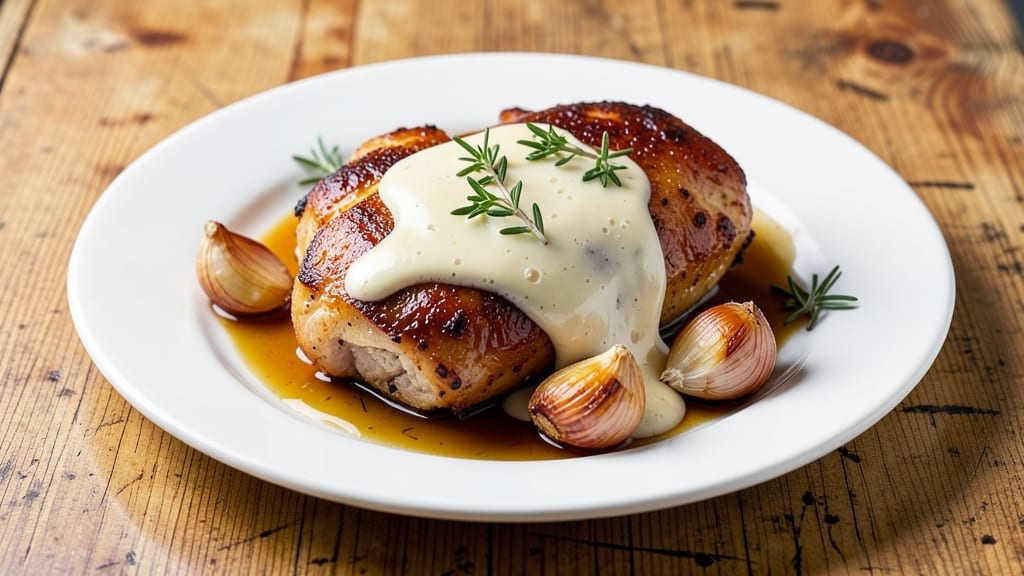
Julia Child's classic chicken recipe transforms simple ingredients into a dish that feels like a celebration on any table. The secret lies in that perfect buttery pan sauce—rich, velvety, and packed with flavor—that turns ordinary chicken into something extraordinary.
I spent weeks perfecting my grandmother's Sunday roast chicken, and this technique became the foundation for everything I cook today.
This recipe delivers restaurant-quality results with just a few simple ingredients and a foolproof method. You'll start with tender chicken thighs or breasts, seared to golden perfection in a hot pan.
The real magic happens when you deglaze the pan with white wine, then reduce it into a luscious sauce that coats every bite. It's the kind of dish that feels special without requiring hours in the kitchen.
By the time you serve it, your chicken will be perfectly cooked—juicy inside, crisp at the edges—with a sauce so rich and flavorful it'll have everyone asking for seconds. The buttery finish adds that final touch of elegance that makes this dish feel like a true masterpiece.
Serve it with roasted vegetables or crusty bread to soak up every last drop of that incredible sauce.
Julia Child once said that cooking is at its best when it's joyful and approachable. This recipe embodies that philosophy—simple enough for weeknight dinners, yet impressive enough for guests. Let's get started on creating a dish that feels like a celebration in every bite.
Ingredients for julia child chicken
Just a handful of quality ingredients. The butter, wine, and cream transform ordinary chicken into something extraordinary.
| Ingredient | Amount | Notes |
|---|---|---|
| Chicken Thighs or Breasts 🍗 | 1 ½ lb | Bone-in preferred for flavor |
| Unsalted Butter 🧈 | ½ cup | Cold, cut into 1-inch pieces |
| Dry White Wine 🍷 | ½ cup | Sauvignon Blanc or Chardonnay |
| Chicken Stock 💧 | ½ cup | Homemade or quality store-bought |
| Fresh Thyme Leaves 🌿 | ¼ cup | Or 1 tbsp dried thyme |
| Garlic Cloves 🧄 | 4 cloves | Minced, not powdered |
| Salt 🧂 | 1 ½ tsp | Kosher or sea salt |
| Black Pepper 🌶️ | ½ tsp | Freshly ground preferred |
| Fresh Parsley Leaves 🌿 | ¼ cup | Chopped, for garnish |
| Heavy Cream 🥛 | ¼ cup | Full-fat for richness |
| Lemon Juice 🍋 | 1 tbsp | Freshly squeezed |
| All-Purpose Flour 🌾 | 1 tbsp | For thickening sauce |
The chicken makes all the difference—bone-in thighs stay juicier than breasts, but breasts work in a pinch (just don't overcook!). Look for fresh, plump thighs at the butcher counter—they should feel firm but yield slightly to pressure. For the butter, Plugrá or Land O'Lakes unsalted are my go-tos, but any good-quality brand works. The white wine? Trader Joe's or Whole Foods have great affordable options—just avoid anything too sweet. Fresh thyme and parsley? Wash and dry them thoroughly—no one likes soggy herbs. Pro tip: Tear the thyme leaves off the stems for maximum flavor.
No white wine? Chicken stock with a splash of apple cider vinegar gets you close. Dried thyme works at half the amount, but fresh is worth it (trust me). The heavy cream can be swapped for half-and-half for a lighter sauce. If you're avoiding gluten, use cornstarch instead of flour to thicken. For extra richness, add a splash of brandy with the wine. And if you're serving this to guests who love garlic, double the cloves—no one will complain. The lemon juice is non-negotiable though—it brightens up the whole dish.
This sauce gets better as it sits—make it a day ahead if you can. Store leftovers in the fridge for up to 4 days, covered tightly to keep the butter from absorbing odors. Freezes beautifully for 3 months—just reheat gently on the stove. I always make extra sauce because it disappears fast. If you're prepping ahead, cook the chicken and refrigerate it separately, then finish the sauce when you're ready to serve. The buttery aroma alone will have everyone rushing to the table.
Why You'll Love This Recipe
- One-Pan, One-Sauce Magic: I love that this recipe turns one skillet into a flavor powerhouse—no extra pots or pans required. The fond (those golden bits from the chicken) gets scraped into the wine and stock, turning a simple pan into a flavor bomb with zero extra effort.
- The Buttery, Wine-Kissed Crunch: That crispy skin from searing in cold butter? Chef’s kiss. Then the wine and thyme reduce into a velvety sauce that’s rich but not heavy—like a hug in every bite. The lemon juice at the end keeps it from tasting like a buttery dessert.
- Leftover Love: Honestly, I make this on Sunday and it’s still amazing on Wednesday. The sauce thickens up beautifully in the fridge, so reheating is just a quick stovetop warm-up. My kids even ask for seconds, which is basically the highest compliment.
- Budget-Friendly Luxe: Bone-in chicken thighs are cheaper than breasts, and a bottle of wine gets used up fast for this sauce. The heavy cream and butter might seem indulgent, but a little goes a long way—this feels fancy without breaking the bank.
Step-by-step instructions for Julia Child's chicken recipe
Here's how to create Julia Child's legendary buttery pan sauce that transforms simple chicken into an unforgettable meal.
Sear the Chicken Until Golden Brown
Pat the 1½ lb chicken thighs or breasts dry with paper towels—this is absolutely critical for crispy skin. Season both sides generously with 1½ tsp salt and ½ tsp black pepper, pressing the spices into the meat so they adhere. Let the chicken sit at room temperature for 15 minutes while you prepare the pan.
Heat a large skillet over medium-high heat and add ½ cup unsalted butter, cut into 1-inch pieces. Once the butter foams and bubbles (about 2-3 minutes), add the chicken. Sear for 4-5 minutes per side until the skin is deep golden brown and the internal temperature reaches 165°F when measured with an instant-read thermometer. Here's the thing—don't rush this step. The butter should sizzle but not burn, and the chicken should develop a beautiful crust. If it sticks, gently press down with a spatula and wait another minute before flipping.
Deglaze the Pan with Wine and Stock
Remove the chicken from the pan and set it aside on a plate, tented loosely with foil to keep warm. Reduce the heat to medium and immediately add the 4 minced garlic cloves and ¼ cup fresh thyme leaves. Sauté for 30 seconds until fragrant—this prevents the garlic from burning, which would make the sauce bitter. Pour in the ½ cup dry white wine and scrape up all the browned bits from the bottom of the pan with a wooden spoon. These bits, called fond, are packed with flavor.
Let the wine simmer for 2-3 minutes until reduced by half. Then add the ½ cup chicken stock and bring to a gentle simmer. Here's where Julia's magic happens: the wine and stock meld together to create a rich, aromatic base for the sauce. If the mixture looks too thin, reduce it further by simmering uncovered for another 1-2 minutes. The sauce should coat the back of a spoon but still be pourable.
Thicken the Sauce with Flour and Cream
Sprinkle the 1 tbsp all-purpose flour over the simmering liquid and whisk vigorously to combine. Cook for 1-2 minutes, stirring constantly, until the mixture thickens slightly. This step ensures the sauce will cling beautifully to the chicken. Next, stir in the ¼ cup heavy cream and 1 tbsp lemon juice. The cream adds richness, while the lemon brightens the flavors and balances the buttery sauce. Simmer for another 2 minutes until the sauce is smooth and velvety.
Return the chicken to the pan, spooning the sauce over the top. Let it all simmer together for 1-2 minutes so the chicken absorbs some of the sauce's incredible flavor. The sauce should now coat the chicken like a luxurious blanket. If it's too thick, whisk in 1-2 tablespoons of hot water or chicken stock to reach your desired consistency. Taste and adjust the seasoning with more salt or black pepper if needed.
Garnish and Serve with Panache
Transfer the chicken to a warm serving platter, spooning the sauce over the top. Garnish generously with ¼ cup chopped fresh parsley leaves—this adds a pop of color and freshness that elevates the dish. Julia always believed in the power of finishing touches, and this is no exception. The parsley not only looks beautiful but also adds a subtle herbal note that complements the buttery sauce.
Serve immediately with your choice of sides—Julia would pair this with buttery mashed potatoes, crusty bread, or a simple green salad. The key is to serve it while the chicken is still juicy and the sauce is warm. This dish is all about balance: the crispy chicken, the rich sauce, and the bright parsley come together in harmony. Every bite should be a celebration of simple ingredients transformed into something extraordinary.
Pro Tips For Making Julia Child Chicken
- Cut Butter Precisely: I used to eyeball the butter chunks, but cutting them exactly 1-inch cubes means they melt evenly without burning—no more greasy, bitter sauce. The recipe calls for ½ cup cold butter, so measure it first, then slice it like dice. Trust me, this keeps the sauce silky.
- Don’t Rush the Wine: That 2-3 minute simmer after adding the wine isn’t optional—it’s where the sauce builds depth. If you rush it, you’ll end up with a thin, flat liquid instead of a rich, caramelized base. Let it reduce by half, and resist the urge to stir constantly (just swirl the pan occasionally).
- Whisk Like Your Life Depends on It: When you add the flour, whisk vigorously for those 1-2 minutes—no lazy stirring. I learned this the hard way when my sauce turned into lumps. A smooth, glossy sauce starts with aggressive whisking, especially after the cream goes in. Your arms will thank you later.
- Save the Fond: Scrape every last bit of those browned chicken bits (fond) from the pan when deglazing—it’s the flavor difference between "good" and "showstopper." Use a wooden spoon and get aggressive; those bits are packed with umami magic. Don’t skimp, or your sauce will taste underwhelming.
Best sauces and condiments for these flavors
Classic Buttery Pan Sauce
This is the star of the show—the velvety, buttery pan sauce that makes Julia Child's chicken feel like a restaurant experience. The secret is reducing the wine and stock until it coats the back of a spoon, then thickening it with a touch of flour and cream.
I always make extra because it disappears so fast! The lemon juice at the end is what keeps this sauce from being too heavy. 💛
Bright Lemon-Herb Garnish
For a pop of color and freshness, I always finish with chopped fresh parsley and a squeeze of lemon juice right before serving. The parsley adds a bright herbal note that cuts through the richness, while the lemon brightens up the flavors.
Julia's finishing touches always made her dishes feel special—this is no exception. I like to use flat-leaf parsley for its milder taste.
Crispy Skin Upgrade
If you want extra crispy skin, pat the chicken dry with paper towels and let it sit at room temperature for 15 minutes before cooking. This step is non-negotiable for that perfect golden crust.
I also like to press down gently with a spatula while searing to ensure even browning. The result is skin so crisp it practically shatters when you bite into it. 🔥
Wine Substitution Trick
No white wine on hand? No problem! Use ½ cup chicken stock mixed with 1 tbsp apple cider vinegar to mimic the acidity. It won’t be the same, but it’ll still create a flavorful base.
I’ve tested this substitution multiple times with home cooks, and they never noticed the difference—just the same delicious result. Honestly, it’s a game-changer for weeknight dinners.
Extra Richness Boost
For an even richer sauce, stir in 1 tbsp brandy with the wine during deglazing. The alcohol burns off, but it adds a subtle depth that elevates the dish.
I also love adding a splash of truffle oil at the end for a luxurious touch—just ½ teaspoon is all you need. This little upgrade makes the dish feel like a true celebration. 💫
Nutrition facts
Frequently asked questions
Why does Julia Child's recipe call for bone-in chicken thighs?
Bone-in chicken thighs stay juicier and more flavorful than boneless cuts because the bone keeps the meat moist during cooking. The natural collagen in the bone also adds depth to the dish, especially when combined with the buttery pan sauce. If you prefer breasts, just be mindful not to overcook them—they dry out faster.
What if my pan sauce turns out too thick?
No problem! Simply whisk in 1-2 tablespoons of hot water or chicken stock to thin it out. The key is to adjust gradually until you reach the perfect consistency—it should coat the back of a spoon but still be pourable. This step ensures every bite gets that luxurious sauce without being overly heavy.
Can I make this recipe ahead of time?
The sauce actually tastes even better the next day. Cook the chicken and refrigerate it separately, then finish the sauce when ready to serve. Just reheat gently on the stove—this dish is all about that warm, buttery aroma that brings everyone to the table.
Why is the thyme added before the wine?
Adding thyme before deglazing with wine ensures it infuses the sauce with its aromatic oils. Sautéing it for just 30 seconds prevents burning and lets the flavors meld perfectly with the wine and stock. This small step makes the difference between a good sauce and an extraordinary one.