
Main Courses
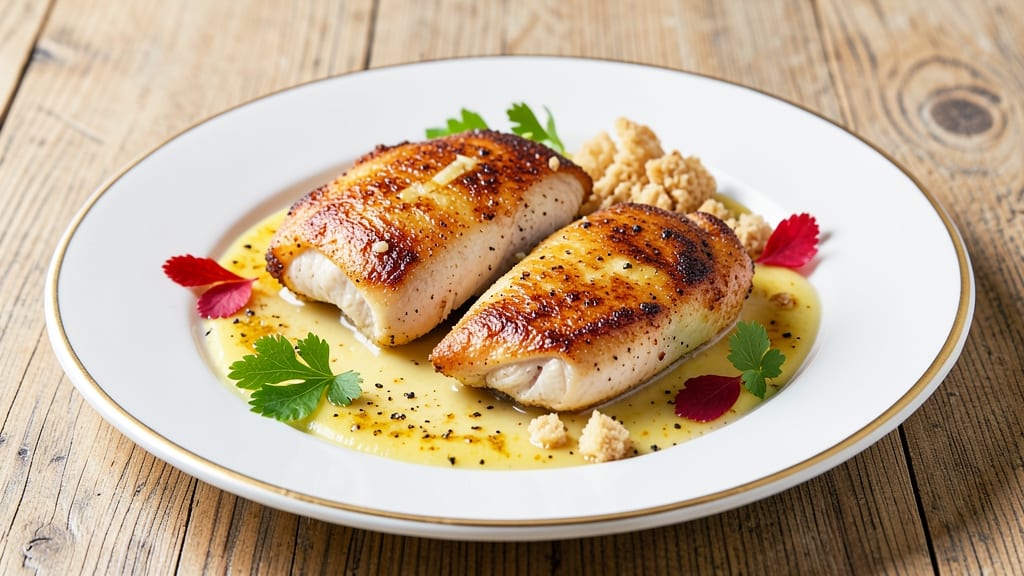
Ina Garten's chicken francaise recipe delivers the kind of restaurant-quality dinner that transforms a weeknight into a special occasion. The secret lies in perfectly breaded cutlets with a crispy exterior and tender interior, finished with a luscious pan sauce that's rich, buttery, and impossible to resist.
I've been perfecting this technique for years, and it never fails to impress—whether you're hosting a dinner party or simply treating yourself to an elegant meal.
The beauty of this recipe is in its simplicity and precision. You'll start with boneless chicken breasts pounded to an even thickness, then coat them in a light, herby breading made with panko and parsley.
Cooking them in butter at just the right temperature ensures they stay juicy while developing a golden crust. The real magic happens when you baste the chicken with the rendered butter and pan drippings, creating a sauce that's velvety and packed with flavor.
By the time you serve this dish, you'll have perfectly golden chicken cutlets with crisp edges and tender centers, all swimming in a glossy, buttery sauce. The aroma alone will have everyone gathering at the table, and the first bite delivers that perfect combination of textures and flavors.
This is the kind of meal that feels special without requiring hours in the kitchen.
Pair it with roasted potatoes or a simple green salad to round out the plate, and you've got a dinner that's elegant, satisfying, and well worth the effort. Let's get started on creating this classic dish that's become a staple in home kitchens everywhere.
Ingredients for ina garten chicken francaise
Pantry staples plus a few fresh touches transform simple chicken into restaurant-quality perfection.
| Ingredient | Amount | Notes |
|---|---|---|
| Boneless Chicken Breasts 🍗 | 1 ½ lb | Pounded to 1/4-inch thickness |
| All-Purpose Flour 🌾 | ½ cup | For dredging chicken |
| Large Eggs 🥚 | 2 whole | Beaten for egg wash |
| Japanese Panko Breadcrumbs 🍞 | 1 cup | Light and crispy |
| Fresh Parsley 🌿 | ¼ cup | Finely chopped, stems removed |
| Unsalted Butter 🧈 | ¾ cup | Cold, cut into pieces |
| Garlic Cloves 🧄 | 4 cloves | Minced for sauce |
| Fresh Lemon Juice 🍋 | 2 tbsp | From 1 small lemon |
| Dijon Mustard 🍯 | 1 tbsp | For sauce richness |
| Kosher Salt 🧂 | 1 tsp | Plus extra for seasoning |
| Ground Black Pepper 🌶️ | ½ tsp | Freshly cracked |
| Vegetable Oil 🫒 | ¼ cup | For frying chicken |
| Heavy Cream 🥛 | ¼ cup | For finishing sauce |
| Chicken Stock 💧 | ¼ cup | Low-sodium preferred |
The chicken is where it all starts. Look for plump, even-sized breasts—thicker cuts need pounding to even thickness. I grab mine from Whole Foods or the butcher counter at Trader Joe's because they're usually the freshest. Pounding isn't just about even cooking—it keeps the cutlets from curling up in the pan. Use a rolling pin or heavy pan, and wrap the chicken in plastic first to avoid splatter. The parsley? Fresh is non-negotiable here—dried won't give that bright, fresh flavor the sauce needs. I always buy extra because half gets torn over the finished dish.
No panko? Regular breadcrumbs toasted in a dry pan for 2-3 minutes work in a pinch, but trust me on the panko—it's lighter and stays crispy. Short on butter? Lard or beef tallow gives that same rich flavor, though butter's what Ina uses. The Dijon mustard adds depth to the sauce, but whole-grain mustard at half the amount works if that's what you've got. For the stock, low-sodium is key—you don't want to over-salt your sauce. And if you're feeling fancy, add a splash of white wine to the pan after removing the chicken—it cooks off the alcohol and adds complexity.
This sauce is best made fresh, but the chicken reheats beautifully—just warm it gently in the sauce. The breading stays crispy if you cover it loosely with foil while reheating. Store leftovers in the fridge for 3 days or freeze for 2 months. I always make extra sauce because it's perfect for dipping bread or tossing with pasta later. The key to freezing? Portion the sauce in ice cube trays—thaw exactly what you need for a quick weeknight dinner.
Why You'll Love This Recipe
- Crispy Without the Hassle: That panko breading—just 1 cup—locks in that perfect crunch without needing to deep-fry. I promise, the wire rack trick keeps the chicken dry and golden, no soggy bottoms here.
- Sauce That’s Pure Magic: The butter, garlic, and lemon juice? Chef’s kiss. That ¼ cup heavy cream at the end makes the sauce velvety, not greasy, and the Dijon mustard ties it all together. One spoonful and you’ll forget to eat the chicken.
- Leftover Love: Three days in the fridge, two months in the freezer—this is the kind of dish that gets better the second time around. Reheat with a splash of stock, and boom, dinner’s sorted again.
- Weeknight Hero: Pounded chicken, three bowls, and 20 minutes max. Even on the nights I’m too tired to think, this recipe still delivers. The kids won’t even notice it’s healthy.
Step-by-step instructions for Ina Garten chicken francaise
Here's how to create that signature buttery pan sauce with perfectly crisp chicken.
Prepare the Chicken for Crispy Perfection
Start by pounding the 1½ lb boneless chicken breasts to an even ¼-inch thickness between two sheets of plastic wrap. This ensures they cook quickly and evenly without drying out. Season both sides generously with ½ teaspoon ground black pepper and 1 teaspoon kosher salt, pressing the seasoning into the meat so it adheres well.
Next, set up three shallow dishes. In the first, whisk together the 2 large eggs until they're completely combined. In the second, place the ½ cup all-purpose flour and season it lightly with an extra pinch of salt and pepper. In the third dish, spread out the 1 cup Japanese panko breadcrumbs. This three-step breading process creates that signature crispy crust we're after.
Create the Crispy Breading
Working with one piece of chicken at a time, dredge it first in the flour, shaking off any excess. Then dip it into the beaten eggs, allowing any excess to drip off. Finally, press the chicken into the panko breadcrumbs, coating it completely and pressing gently so the crumbs adhere. Place the breaded chicken on a wire rack set over a baking sheet to keep it dry and crispy.
Repeat this process with all the chicken pieces, working quickly so the breading stays fresh. The key here is patience—don't rush the breading process or the crumbs won't stick properly. You'll know you've done it right when each piece is completely coated with golden panko.
Cook the Chicken to Golden Brown
Heat the ¼ cup vegetable oil in a large skillet over medium heat until it shimmers but doesn't smoke. Add the breaded chicken pieces and cook for 3-4 minutes per side, or until they're golden brown and the internal temperature reaches 165°F. Don't overcrowd the pan—cook in batches if needed to maintain the oil's temperature.
As the chicken cooks, you'll notice those beautiful golden-brown crumbs forming. This is your signal that the breading is crisping perfectly. Transfer the cooked chicken to a warm plate and tent loosely with aluminum foil to keep it warm while you make the sauce.
Make the Signature Buttery Pan Sauce
Reduce the heat to medium-low and add ½ cup of the ¾ cup unsalted butter to the same skillet. Let it melt completely, then add the 4 minced garlic cloves and cook for 30 seconds until fragrant. Be careful not to let the garlic burn—it should just barely color.
Pour in the ¼ cup chicken stock and the 2 tablespoons fresh lemon juice, scraping up any browned bits from the bottom of the pan. These bits contain all the flavor you worked so hard to develop. Let the mixture simmer for 1-2 minutes until slightly reduced. Then stir in the 1 tablespoon Dijon mustard and the remaining ¼ cup butter.
Finish with Cream and Garnish
Remove the skillet from heat and gently whisk in the ¼ cup heavy cream. The sauce should immediately thicken slightly. Return the chicken to the skillet, spooning the sauce over the top. Let it all sit together for 1-2 minutes so the chicken can absorb some of that rich sauce.
Finally, sprinkle the ¼ cup finely chopped fresh parsley over the top and serve immediately. Each bite should deliver that perfect combination of crispy panko crust, tender chicken, and velvety buttery-lemon sauce. The sauce should coat the back of a spoon with just the right balance of richness and brightness.
Pro Tips For Making Ina Garten Chicken Francaise
- Press the Panko Hard: I learned this the hard way—skimming the panko over the chicken just makes it fall off. Instead, press each piece firmly into the crumbs, especially the edges, so they stick like glue. The extra effort guarantees that crispy crust we’re all after.
- Don’t Skip the Wire Rack: Placing the breaded chicken on a wire rack (not a plate) keeps the bottom from getting soggy while you finish breading. Trust me, the difference between a perfect crunch and a sad, damp mess comes down to airflow—even if it feels like extra work.
- Cold Butter Wins: Cut that ¾ cup unsalted butter into cold pieces before adding it to the sauce. If you melt it all at once, the sauce will separate into a greasy mess. Let it melt slowly over low heat, and you’ll get that silky, velvety texture every time.
- Scrape Like Your Life Depends On It: Those browned bits at the bottom of the pan? That’s where the flavor lives. After cooking the chicken, don’t just pour in the stock—use a wooden spoon to scrape up every last bit before deglazing. I used to skip this, and the sauce always tasted flat.
Common mistakes when making your ina garten chicken francaise
Overcrowding the Pan
This is the #1 mistake that turns golden-brown chicken into greasy, soggy disaster. When you pile chicken pieces too close together in the skillet, the oil temperature drops dramatically, causing the breading to absorb oil instead of crisping.
I've seen home cooks try to cook all four pieces at once—don't do this! Cook in batches, leaving at least 1 inch of space between pieces. The oil should shimmer, not bubble violently, and the chicken should sizzle when added.
Trust me, that extra 5-10 minutes waiting for the oil to reheat is worth it for perfect crunch. 🔥
Skipping the Resting Time
After removing the chicken from the pan, I see people eager to dive right into the sauce—big mistake! Letting the chicken rest for just 5 minutes under foil prevents the juices from spilling out when you slice. This keeps your chicken moist and flavorful.
I remember my first time cooking this recipe: I sliced immediately, and the plate ended up with a sad, dry mess. Now I always remind myself—patience is key—the chicken will stay juicy if you wait.
Burning the Garlic
The garlic in your pan sauce can go from fragrant to bitter in seconds if you're not careful. When adding the 4 minced garlic cloves to the melted butter, reduce the heat to medium-low and cook them for just 30 seconds. Overcooking turns garlic from savory to ashy.
I've learned this lesson the hard way—once I burned my garlic and had to start the sauce over. Keep an eye on that pan and trust your nose: it should smell sweet and fresh, not bitter. 🌿
Using Dried Herbs
Fresh parsley is non-negotiable for this recipe—dried just won't cut it. The bright, vibrant flavor of fresh parsley elevates the sauce from good to extraordinary. I always buy extra because half gets torn over the finished dish.
If you're in a pinch, use fresh thyme or basil instead, but nothing compares to that fresh parsley finish. I've made this mistake before, and the dish just didn't feel special—it was a wake-up call for me.
Underseasoning the Sauce
The sauce is where the magic happens, and underseasoning ruins it. After adding the chicken stock and lemon juice, taste before adding the cream—you might need an extra pinch of salt or a squeeze of lemon.
I've learned to taste as I go, adjusting gradually. The sauce should taste bright, rich, and balanced—like a perfect glass of wine. Don't be afraid to taste and adjust; it's the difference between "good" and "exceptional."
Nutrition facts
Frequently asked questions
Why does Ina Garten's Chicken Francaise use panko breadcrumbs instead of regular breadcrumbs?
The Japanese panko breadcrumbs create a lighter, crispier crust that doesn't turn soggy like regular breadcrumbs. Panko's unique shape and texture absorb less oil while frying, giving you that perfect golden-brown exterior without being greasy. This is key for achieving Ina's signature crispy texture!
Can I make the sauce ahead of time and reheat it with the chicken?
Yes, but with a twist! Make the sauce first and store it in the fridge for up to 2 days. When reheating, gently warm it in the skillet with the ¼ cup heavy cream and ¼ cup butter—this keeps it velvety smooth. Just add the chicken to the sauce right before serving to keep it juicy. The sauce reheats beautifully and tastes even richer!
What's the best way to ensure my chicken stays juicy while cooking?
Pounding the 1½ lb boneless chicken breasts to ¼-inch thickness is crucial—it ensures even cooking without drying out. Also, don't overcook—remove at 165°F and let it rest 5 minutes under foil before slicing. This lets the juices redistribute, keeping your chicken tender and flavorful. Patience here makes all the difference!
Can I substitute fresh herbs in the parsley garnish?
While fresh parsley is ideal, you can use fresh thyme or basil for a different herbal note. Just chop it finely to mimic the texture. If using dried herbs, skip it entirely—they lack the bright, vibrant flavor that fresh brings to the dish. The freshness is what elevates this recipe!