
Sauces & Condiments
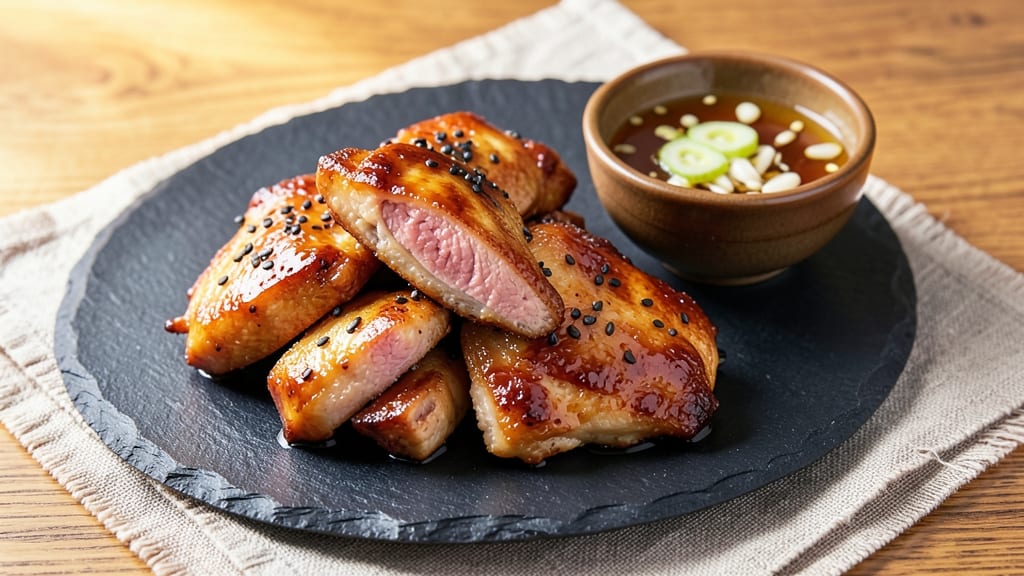
This Japanese teriyaki chicken marinade recipe transforms simple chicken into restaurant-quality dishes with its perfect balance of sweet, salty, and umami flavors. 🌟 The secret lies in combining soy sauce, mirin, honey, and aromatic ginger-garlic for a marinade that caramelizes beautifully during cooking, creating a sticky, flavorful glaze that clings to every bite.
The beauty of this marinade is its versatility—it works as both a tenderizer and a glaze, elevating grilled, baked, or pan-seared chicken. Professional chefs rely on this technique to infuse chicken with deep, complex flavors without overpowering its natural taste.
The honey adds subtle sweetness while balancing the soy's saltiness, while mirin contributes a bright, fruity acidity that brightens the entire dish.
What sets this marinade apart is its ability to develop richer flavors the longer it sits on the chicken, making it ideal for meal prep or overnight marinating. Whether you're cooking for a weeknight dinner or a special occasion, this glaze delivers professional results with minimal effort.
The key is patience—allowing the marinade to work its magic transforms ordinary chicken into something extraordinary.
Store any leftover marinade in the refrigerator for up to 5 days, where it continues to deepen in flavor. Use it to baste chicken during cooking or drizzle it over finished dishes for an instant upgrade.
This marinade is the foundation of countless Japanese-inspired meals, and once you try it, you'll never go back to store-bought versions.
Ingredients for japanese teriyaki chicken marinade
Just 10 ingredients. One marinade. Restaurant-quality teriyaki every time.
| Ingredient | Amount | Notes |
|---|---|---|
| Kosher Soy Sauce 🥫 | ½ cup | High-quality, low-sodium preferred |
| Mirin 🍶 | ⅓ cup | Sweet cooking wine, not sub with regular wine |
| Honey 🍯 | ⅓ cup | Wildflower or clover variety |
| Fresh Ginger 🌿 | 2 tbsp | Finely grated, skin on |
| Garlic Cloves 🧄 | 6 cloves | Minced, not pressed |
| Sesame Oil 🫒 | 1 tbsp | Toasted, not flavored |
| Rice Vinegar 🍶 | 1 tbsp | Unseasoned, not apple cider |
| Brown Sugar 🍚 | 1 tbsp | Light or dark, packed |
| Fresh Sesame Seeds 🌱 | 1 tbsp | Toasted lightly for garnish |
| Ground Black Pepper 🌶️ | ¼ tsp | Freshly cracked for heat |
The soy sauce is your flavor anchor—Kikkoman or Hondashi are the gold standards, but any high-quality brand works. Mirin is non-negotiable for that authentic sweetness and acidity balance (don't substitute with sherry or regular wine—it won't caramelize the same). For honey, Manuka adds a subtle floral note, but any liquid honey works. Fresh ginger and garlic? Buy organic if possible—their bright flavors cut through the richness. Toast your sesame seeds in a dry pan for 30 seconds—they'll add nutty depth to finished dishes.
No mirin? Dry sherry plus 1 tsp sugar per 1/3 cup gets you close, but texture will differ. Subbing honey? Maple syrup works 1:1, but it's heavier. Skip the sesame oil if you're sensitive to its bold flavor—neutral oil plus extra toasted seeds keeps the look. For extra umami, add 1 tsp fish sauce or dash of MSG. The brown sugar helps with caramelization, but white sugar works fine if you're in a pinch. Store-bought teriyaki mixes? Toss them—this is 10x better.
This marinade keeps for 5 days in the fridge, where flavors actually deepen. For long-term storage, freeze in ice cube trays—6 months of single-use portions. Double the batch if you're grilling a crowd—it's worth making extra. The glaze thickens as it cools, so reheat gently with a splash of water if it gets too stiff. Brush it on chicken, drizzle over rice, or toss with noodles. Leftovers taste even better the next day—trust the process.
Why You'll Love This Recipe
- No-Panic Prep: Honestly, this marinade couldn’t be easier. Just toss the garlic and ginger into a pan with sesame oil, let them bloom for a few minutes, then whisk together the soy sauce, mirin, and honey. The hardest part is waiting for it to simmer—trust me, it’s worth it.
- Umami Bomb: The combo of kosher soy sauce, mirin, and fresh ginger creates that perfect balance of sweet, salty, and zesty. That brown sugar and rice vinegar? They tie it all together with a caramelized kick that’ll make your taste buds sing.
- Weeknight Hero: Marinate overnight for restaurant-quality chicken, or use it as a quick glaze in 10 minutes. It’s my go-to for busy nights when I still want something that tastes like it took hours. Plus, it’s foolproof—even picky eaters love it.
- Flavor Bank: This marinade keeps for weeks in the fridge, and freezing it in ice cubes means you always have a perfect teriyaki boost for stir-fries, noodles, or even glazed veggies. Budget-friendly too—just a few pantry staples, and no fancy tools needed.
Step-by-step instructions for Japanese teriyaki chicken marinade
Here's how to blend this umami-packed marinade that transforms simple chicken into restaurant-quality perfection.
🍳 Step 1: Bloom the Aromatics in the Pan
Heat a small saucepan over medium-low heat and add the 1 tablespoon sesame oil. Once shimmering, add the 6 minced garlic cloves and 2 tablespoons finely grated fresh ginger (skin on for texture). Cook for 2-3 minutes until fragrant and just beginning to color—this releases their natural oils and deepens the flavor profile.
Here's the thing—don't let them brown too much or they'll turn bitter. You want that sweet, pungent aroma that'll carry through your marinade. Keep the heat gentle and stir frequently so the garlic doesn't clump. This aromatic base is the soul of your teriyaki, so take your time here.
🥘 Step 2: Combine Wet Ingredients for Depth
In a medium bowl, whisk together the ½ cup kosher soy sauce, ⅓ cup mirin, and ⅓ cup honey until fully incorporated. The mixture should look syrupy but pourable. Add the cooked garlic-ginger mixture and stir vigorously to distribute those aromatic oils evenly.
Now add the 1 tablespoon rice vinegar and 1 tablespoon brown sugar, whisking until the sugar dissolves completely. Taste the mixture—it should balance sweet, salty, and slightly tangy notes. If you're using chicken breast, you might want to add ¼ teaspoon ground black pepper now for a subtle kick, but save it for later if you're marinating darker meat that can handle more heat.
🍳 Step 3: Simmer to Thicken and Infuse Flavors
Pour the mixture back into your saucepan and bring to a gentle simmer over medium heat. Let it cook uncovered for 8-10 minutes, stirring occasionally, until it thickens slightly and reduces by about 20%. You're looking for a glaze consistency—it should coat the back of a spoon but still be pourable.
This reduction step concentrates the flavors and creates that signature teriyaki sheen. If it thickens too much, add 1 teaspoon water at a time until you reach the right consistency. The marinade should smell like a perfect harmony of caramelized sweetness and savory umami—this is your reward for paying attention.
🥘 Step 4: Toast the Sesame Seeds for Garnish
While your marinade simmers, dry-toast the 1 tablespoon fresh sesame seeds in a small dry skillet over low heat for 2-3 minutes, stirring constantly. They'll release their nutty aroma and develop a beautiful golden color. Let them cool completely before using—hot seeds can scorch your chicken or burn your mouth.
This final step might seem minor, but those toasted sesame seeds add crucial texture contrast. Sprinkle them over the finished chicken just before serving, or mix a few into the marinade itself if you prefer a more integrated flavor. The seeds should be fragrant and just beginning to crisp—this is your visual cue they're ready.
⏰ Step 5: Cool and Marinate (The Patience Phase)
Let the completed marinade cool to room temperature—this takes about 20 minutes. Once cool, transfer it to a resealable container with a lid. For best results, marinate chicken for 4-6 hours in the refrigerator, turning occasionally. For extra tender results, overnight marinating works wonders, though don't exceed 12 hours or the acidity can start breaking down the meat fibers.
Here's my pro tip: If you're short on time, you can use half the marinade as a quick glaze after cooking instead of marinating. Just brush it on during the last 5 minutes of grilling or roasting. The remaining marinade keeps well in the fridge for up to 1 week, making this a perfect make-ahead sauce.
Pro Tips For Making Japanese Teriyaki Chicken Marinade
- Bloom Ginger Slowly: I learned this the hard way—rushing the ginger and garlic in sesame oil turns them bitter. Keep that heat low and stir every 30 seconds until they’re just fragrant, not golden. The skin-on ginger adds texture, but let it soften slightly so it blends into the sauce instead of sitting as chunks.
- Whisk Until Syrupy: The honey and soy sauce need to fully dissolve before adding the garlic-ginger mix, or you’ll end up with clumps. Use a fork first to break up the honey, then switch to a whisk until the mixture pulls away from the bowl slightly—like thick syrup. This ensures even flavor in every bite.
- Simmer Uncovered Always: That 8-10 minute reduction is non-negotiable for depth, but cover the pan even for a second and you’ll trap steam, making the sauce watery. Keep it uncovered so the alcohol in the mirin evaporates properly and the sauce thickens into a glossy glaze. Stir occasionally, or it’ll stick.
- Toast Seeds Low and Often: Sounds weird, but it works: toast the sesame seeds in a dry skillet over the lowest heat setting, stirring every 30 seconds. High heat burns them before they crisp, and you’ll end up with acrid bits instead of nutty aroma. They’re ready when they smell like freshly cracked nuts—then cool them completely before using.
Best sauces and condiments for this dish
Teriyaki Glaze Upgrades
Elevate your teriyaki chicken with these simple but impactful glaze variations. For a spicy kick, stir in 1 tbsp sriracha or ½ tsp chili crisp during the simmer phase—it blends seamlessly with the sweet-savory balance.
I love adding 1 tsp gochujang (Korean chili paste) for depth, but even ½ tsp cayenne works for subtle heat. 🌶️
Umami Boosters
Want extra depth? Add 1 tsp fish sauce or ½ tsp MSG during the simmer—it enhances the savory profile without overpowering. I also mix in 1 tsp grated ginger or 2 minced shallots for aromatic complexity.
For a vegetarian twist, replace ¼ cup mirin with ¼ cup coconut aminos—it keeps the sweetness while adding tropical notes.
Sweet Variations
Swap honey for maple syrup (1:1 ratio) for a deeper caramel flavor, or use agave nectar for a lighter touch. For a fruity twist, add 2 tbsp pineapple juice or 1 tbsp plum puree during simmering—it adds natural sweetness and brightens the glaze.
I once used date syrup for a molasses-like richness that surprised everyone.
Texture Enhancements
For a nutty crunch, mix 1 tbsp toasted sesame seeds directly into the cooled marinade. I also love adding ½ tsp grated ginger or 1 minced scallion for freshness. For a silky texture, blend in 1 tbsp miso paste (white or red) during simmering—it adds fermented depth.
The seeds and miso create beautiful visual contrast when drizzled over finished dishes.
Quick Glaze Hacks
Short on time? Use ½ cup store-bought teriyaki sauce as a base and stir in 1 tbsp honey and 1 tsp sesame oil to upgrade it.
For a no-cook version, whisk together ¼ cup soy sauce, 2 tbsp mirin, 1 tbsp honey, and 1 tsp grated ginger—it’s ready in minutes. The key is balancing the sweetness and saltiness, even when shortcutting. 💡
Nutrition facts
Frequently asked questions
Can I use regular soy sauce instead of kosher soy sauce?
You can, but the flavor won't be as balanced. Kosher soy sauce has a lighter, less salty profile that works better with the sweetness of honey and mirin. If you're stuck with regular soy sauce, reduce it to ¼ cup and add 1 tablespoon sugar to compensate. The taste will still be delicious, just slightly saltier.
Why does my marinade separate after simmering?
Separation happens when the mixture cools too quickly or if the sugar doesn't dissolve fully. To fix it, gently reheat the marinade on low heat while whisking constantly until it emulsifies again. If it's too thick, add 1 teaspoon water at a time. For future batches, ensure all sugar dissolves during the initial whisking step.
How do I prevent the chicken from absorbing too much marinade?
Pat the chicken dry with paper towels before marinating to reduce moisture absorption. Use a light coat of marinade and refrigerate the chicken on a wire rack (not directly in the marinade) to allow air circulation. For extra control, marinate for 2-4 hours instead of overnight—this balances flavor without over-saturation.
Can I make this marinade ahead of time?
The flavors actually improve after 24 hours in the fridge. Store it in an airtight container and bring it to room temperature before using. If you're freezing portions, pour into ice cube trays for easy single-use portions—just pop a cube into your marinating chicken or cooking dish.