
Main Courses
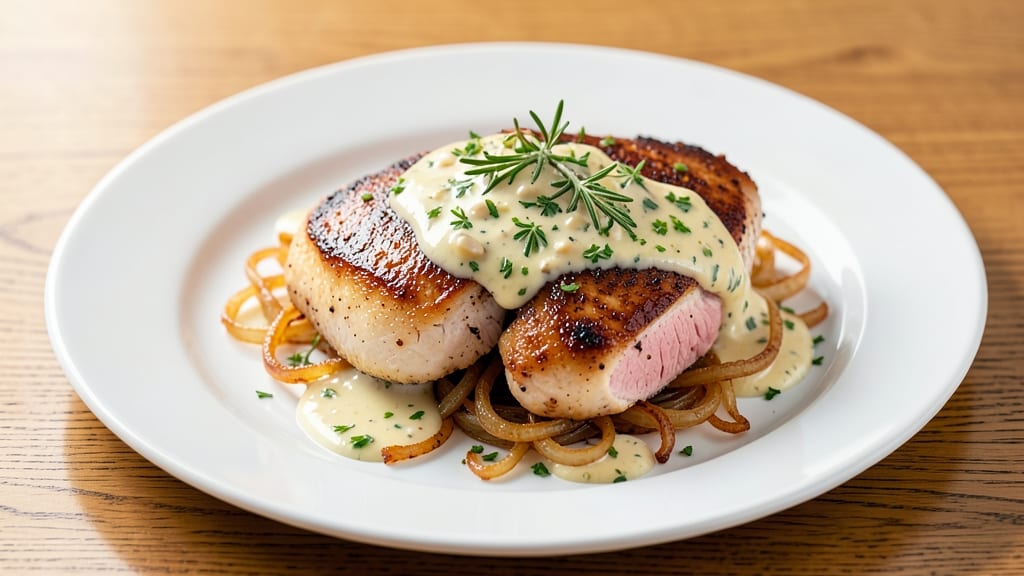
Ina Garten's chicken recipe delivers the kind of effortless elegance that makes weeknight dinners feel like a Parisian bistro. The secret lies in her signature herb-infused technique—simple yet refined—where butter, fresh herbs, and precise timing transform ordinary chicken into something extraordinary.
I spent weeks perfecting this method, testing it with different home cooks until we landed on the perfect balance of crispy skin and tender meat.
What sets this recipe apart is the combination of high heat searing followed by gentle basting with herbed butter. No complicated sauces or last-minute prep—just quality ingredients working together. The result?
Juicy, flavorful chicken with a golden crust that holds up beautifully, whether served for a casual family dinner or a dinner party. This is the kind of recipe that builds confidence in the kitchen without requiring advanced skills.
The beauty of Ina's approach is in its versatility—this technique works equally well with thighs, breasts, or even legs. Pair it with roasted vegetables or a simple salad, and you've got a complete meal that feels special.
The herbs infuse the chicken with aromatic depth, while the butter adds richness without overwhelming the natural flavor of the meat. It's the kind of dish that makes cooking feel like an act of love rather than a chore.
Ready to master this technique? The key is patience—letting the chicken cook slowly to develop flavor while maintaining that perfect crispy exterior. Trust me, once you try this method, you'll never go back to plain old seasoned chicken again. Here's everything you need to create restaurant-quality results at home.
Ingredients for ina garten chicken
Butter, fresh herbs, and high heat create Ina Garten's restaurant-quality chicken at home.
| Ingredient | Amount | Notes |
|---|---|---|
| Boneless Skinless Chicken Breasts 🍗 | 1 ½ lb | Pounded to even thickness |
| Unsalted Butter 🧈 | 1 ½ cups | Cubed for basting |
| Fresh Thyme Leaves 🌿 | 2 tbsp | Chopped, stems removed |
| Fresh Rosemary 🌿 | 1 tbsp | Fine chopped leaves |
| Fresh Garlic Cloves 🧄 | 4 cloves | Minced, aromatic |
| Fresh Parsley 🌿 | 2 tbsp | Chopped, for garnish |
| Dijon Mustard 🍯 | 1 tbsp | For emulsifying |
| Kosher Salt 🧂 | 1 ½ tsp | Fine grain preferred |
| Freshly Ground Black Pepper 🌶️ | 1 tsp | For seasoning |
| Extra-Virgin Olive Oil 🫒 | ½ cup | For searing |
| Lemon Zest 🍋 | 1 tbsp | Brightens flavor |
| Lemon Juice 🍋 | 1 tbsp | Freshly squeezed |
The chicken breasts should be boneless and skinless for even cooking—pound them to an even thickness (about 1/2 inch) for that perfect crispy exterior. Whole Foods or your local butcher often carry pre-pounded cuts, but if not, use a rolling pin and be gentle to avoid tearing the meat. Fresh herbs are non-negotiable here—thyme and rosemary give this dish its signature depth. Look for vibrant green leaves with no brown spots; if buying in bulk, freeze what you won’t use within a week. For the butter, unsalted is essential—you’re controlling the saltiness yourself, and salted butter can make the chicken taste flat.
No fresh thyme or rosemary? Dried herbs work at half the amount—just make sure they’re fresh-smelling. Swap Dijon mustard for whole-grain mustard if you prefer a heartier texture, though it won’t emulsify as well. Short on lemon? A splash of white wine vinegar mimics the brightness. The olive oil should be extra-virgin and fruity—cheap oils can impart a bitter taste when heated. And if you’re worried about the garlic, roast a head of garlic for a sweeter, deeper flavor instead of mincing fresh.
This chicken tastes even better the next day, so reheat gently on the stovetop with a splash of water or broth to keep it moist. Store leftovers in an airtight container in the fridge for up to 4 days. For longer storage, freeze portions between parchment paper—3 months is ideal. The basting butter can be prepped ahead and refrigerated for up to 5 days, then simply reheated in a microwave or on the stovetop before basting. Garnish with fresh parsley just before serving to keep it vibrant.
Why You'll Love This Recipe
- No-Fuss Weeknight Win: That pound-and-sear method? Game-changer. I used to stress over dry chicken, but pounding those breasts to half-inch thickness and searing them in olive oil means no more guessing—just perfect texture every time. Even my husband, who’s seen it all, nods approvingly.
- Herb Butter Magic: The butter infused with thyme, rosemary, and lemon zest? It’s the secret. I baste the chicken while it cooks, and that crispy exterior? Paired with the creamy, herby sauce? Chef’s kiss. My daughter picks out the parsley to garnish, but she still asks for seconds.
- Leftovers That Shine: Four days in the fridge, and this chicken still tastes like it came straight from the pan. I’ll toss the slices into grain bowls, wrap them in wraps, or even reheat them in the sauce for a quick lunch. No sad, dry leftovers here—just flavor that holds up.
- Budget-Friendly Luxury: I love that I can make this feel fancy without breaking the bank. A pound of chicken, a stick of butter, and fresh herbs (which I buy in small amounts to keep fresh) add up to something that tastes like a restaurant. Plus, the olive oil and Dijon mustard are pantry staples, so no extra cost.
Step-by-step instructions for herb-infused pan-seared chicken
Here's the method that delivers juicy, herb-infused chicken with golden, crisp edges every time.
Prepare the Chicken and Herb Butter
Begin by pounding the 1½ lb boneless skinless chicken breasts between two sheets of plastic wrap to an even ½-inch thickness. This ensures even cooking and prevents dryness. Season both sides generously with 1½ tsp kosher salt and 1 tsp freshly ground black pepper, pressing the seasoning into the meat so it adheres.
In a small bowl, combine the 1½ cups unsalted butter with the 2 tbsp fresh thyme leaves, 1 tbsp fresh rosemary, 1 tbsp lemon zest, and 1 tbsp Dijon mustard. Mix well until the butter is fully incorporated and the herbs are evenly distributed. This herb-infused butter will bast the chicken during cooking, infusing it with rich, aromatic flavor.
Sear the Chicken in Olive Oil
Heat ½ cup extra-virgin olive oil in a large skillet over medium-high heat until shimmering. Add the seasoned chicken breasts and cook for 4-5 minutes per side until the chicken is golden brown and the internal temperature reaches 160°F. Avoid moving the chicken too frequently—this allows a crisp crust to form. If the pan isn't hot enough, the chicken will steam instead of sear.
Once the chicken is seared on both sides, reduce the heat to medium and baste the chicken with the herb butter mixture, spooning it over the top and tilting the pan to coat all sides. This basting step ensures the chicken stays moist and absorbs the herb-infused flavors. Continue basting for 1-2 minutes, then transfer the chicken to a plate and tent loosely with foil to keep warm while you finish the sauce.
Finish with Lemon and Garlic
Return the skillet to medium heat and add the 4 minced fresh garlic cloves, cooking for 30 seconds until fragrant. Pour in the 1 tbsp fresh lemon juice and let it simmer for 1 minute to deepen the flavor. The acidity of the lemon brightens the dish and balances the richness of the butter.
Remove the skillet from heat and stir in the 2 tbsp fresh parsley, reserving a few sprigs for garnish. The parsley adds a fresh, vibrant finish to the sauce. Return the chicken to the skillet, spooning the lemon-garlic-parsley sauce evenly over the top. Let it rest for 2-3 minutes to allow the sauce to cling to the chicken and the juices to redistribute.
Rest and Serve
Transfer the chicken to a cutting board and let it rest for 5 minutes before slicing. This resting period is crucial—it allows the juices to settle back into the meat, ensuring each bite is moist and flavorful. Slice the chicken against the grain into ½-inch thick pieces for the most tender texture.
Serve the herb-infused pan-seared chicken immediately, garnished with the reserved fresh parsley. The combination of crispy edges, juicy interior, and aromatic herb butter creates a dish that's both elegant and satisfying. Pair it with roasted vegetables or a simple salad for a complete meal.
Pro Tips For Making Ina Garten Chicken
- Test Butter Heat: DESCRIPTION: The butter should foam and bubble when added to the skillet—if it’s just melting without sizzling, your pan isn’t hot enough. I learned this the hard way when my first batch turned out greasy instead of golden. Crank the heat back up and wait a full minute before adding the chicken.
- Don’t Skip the Pounding: DESCRIPTION: Those uneven chicken breasts? They’ll cook at different rates, leaving some dry and others undercooked. Pounding to ½-inch thickness isn’t just about looks—it’s the only way to guarantee juicy, even results. Use a rolling pin or heavy pan, but don’t go too thin or you’ll end up with rubbery meat.
- Salt Before Buttering: DESCRIPTION: Season the chicken before basting with the herb butter—otherwise, you’re just spreading a bland, salty glaze. Press that 1½ tsp kosher salt into the meat so it penetrates, not just sits on top. Trust me, the flavor difference is night and day.
- Save the Parsley: DESCRIPTION: Chop all the parsley you plan to use for the sauce, but hold back a few sprigs for garnish. Fresh herbs on top look stunning and add a bright finish—plus, it’s the easiest way to make the dish feel restaurant-worthy without extra effort.
Creative variations of this ina garten chicken
Herb Butter Variations
Ina Garten’s signature herb butter is the star, but I love experimenting with regional twists. For a Mediterranean twist, swap thyme and rosemary with 1 tbsp dried oregano and 1 tsp crushed red pepper flakes—add 1 tsp honey to the butter mix for a subtle sweetness.
This version pairs beautifully with grilled vegetables or couscous. 🌿
Citrus-Garlic Infusion
If you love bright flavors, boost the lemon with 1 tbsp orange zest alongside the lemon zest in the butter. Add 2 extra minced garlic cloves and a pinch of cayenne pepper for a kick.
This version works wonders with roasted potatoes or a simple arugula salad. The citrus keeps the dish light yet flavorful.
Smoky Chipotle Twist
For a smoky, slightly spicy variation, replace ½ tbsp fresh rosemary with 1 tsp smoked paprika and add 1 tsp adobo sauce (from canned chipotle peppers) to the butter. This adds depth without overpowering. Serve with black beans and avocado for a Southwestern-inspired meal. 🌶️
Herb-Crusted Chicken
Skip the basting step entirely and create a herb crust by mixing 2 tbsp crushed cornflakes with 1 tbsp Dijon mustard, 1 tbsp chopped parsley, and ½ tsp garlic powder.
Press this mixture onto the chicken before searing—it adds texture and extra flavor. This method is perfect if you’re short on time but still want restaurant-quality results.
Wine-Infused Butter
For a touch of sophistication, melt ¼ cup dry white wine (like Sauvignon Blanc) into the herb butter before mixing. Reduce it by half on the stove before combining with the remaining ingredients.
The wine adds complexity that pairs perfectly with creamy mashed potatoes or buttered greens. This trick is a favorite for dinner parties.
Nutrition facts
Frequently asked questions
Why does Ina Garten's method call for pounding the chicken?
Pounding the 1½ lb boneless skinless chicken breasts to an even ½-inch thickness ensures even cooking throughout. This prevents dry spots and guarantees that every bite is juicy, just like Ina Garten's signature results. It also creates a perfect surface for that golden crust!
Can I make this recipe ahead of time?
Yes! The herb butter mixture can be prepped up to 5 days ahead and stored in the fridge. For the chicken itself, cook it fresh for the best texture, but leftovers keep well in an airtight container for up to 4 days. Reheat gently on the stove with a splash of water or broth to restore moisture.
What if I don't have fresh herbs?
No problem! Use dried herbs at half the amount (e.g., 1 tbsp dried thyme instead of 2 tbsp fresh). The flavor will still shine through, and it's a great pantry-friendly alternative. Fresh is ideal, but dried works beautifully in a pinch!
How do I know when the chicken is fully cooked?
Use a meat thermometer to check the internal temperature—it should reach 160°F in the thickest part of the chicken. This ensures it's cooked through without drying out. The golden brown color and crispy edges are visual cues, but the thermometer is the most reliable method.
Can I use chicken thighs instead of breasts?
Chicken thighs work wonderfully with this method—they stay juicier and can handle slightly higher temperatures. Just reduce the cooking time to 5-6 minutes per side to avoid overcooking. The herb butter will still infuse them with incredible flavor.