
Main Courses
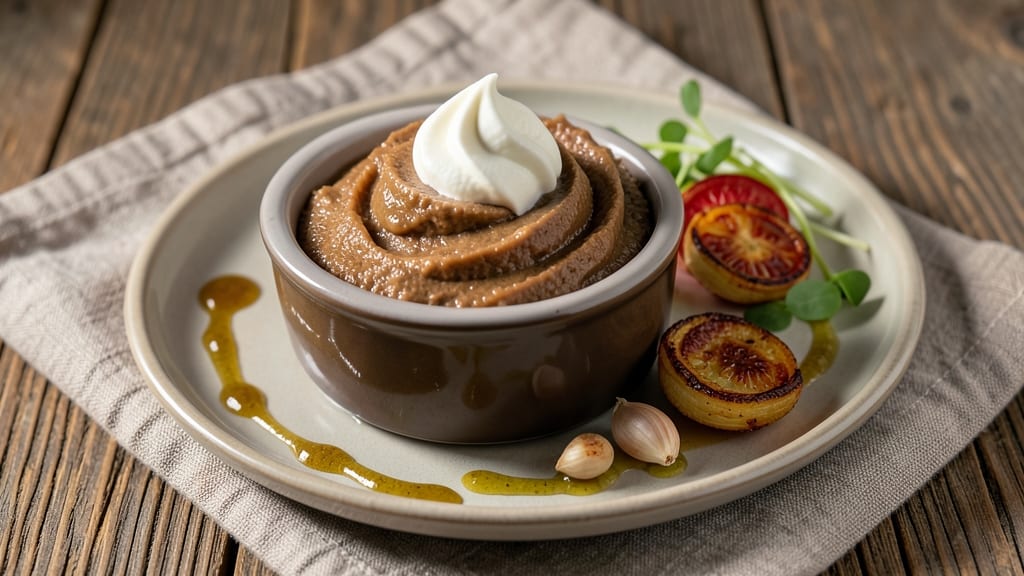
This dairy-free chicken liver pâté delivers restaurant-quality richness without a single drop of dairy—just deep umami, velvety texture, and a satisfying crunch. I developed it after years of perfecting traditional pâté techniques while adapting them for modern dietary needs, ensuring the same luxurious mouthfeel using coconut cream and olive oil.
The secret lies in precise cooking times and blending ratios that transform delicate livers into a spread worthy of any charcuterie board.
The process begins with perfectly seared chicken livers, blanched just until fully cooked to preserve their tender texture. We then blend them with coconut cream, aromatic herbs, and a touch of Dijon mustard for brightness, creating a pâté that’s rich yet balanced.
Chilling transforms it into a silky, spreadable delight with a clean finish—no dairy required. This version works beautifully as an appetizer, sandwich filling, or elegant bite with crusty bread.
What makes this recipe stand out is its versatility: serve it chilled for a refined appetizer or at room temperature for a heartier spread. The coconut cream adds natural creaminess without overpowering the liver’s inherent richness, while the herbs and mustard provide bright contrast.
Every bite delivers that luxurious pâté experience, now accessible to anyone avoiding dairy. Let’s get started on creating this sophisticated centerpiece.
For those new to liver pâté, don’t be intimidated—the key is patience in cooking and blending. The result is a dish that feels indulgent yet aligns with dietary preferences, proving that exceptional flavor doesn’t require dairy.
Perfect for holiday gatherings, dinner parties, or even a weeknight snack with crackers. This recipe proves that tradition and innovation can coexist beautifully.
Ingredients for dairy free chicken liver pate
Rich umami meets velvety texture in this dairy-free pâté, where precision transforms delicate livers into luxurious spreadability.
| Ingredient | Amount | Notes |
|---|---|---|
| Chicken Livers 🍗 | 1 lb | Fresh, trimmed of connective tissue |
| Full-Fat Coconut Cream 🥥 | 1 cup | Chilled overnight for firmness |
| Extra-Virgin Olive Oil 🫒 | ½ cup | High-quality, fruity variety |
| Dijon Mustard 🍯 | 2 tbsp | Mild or strong to taste |
| Shallots 🧅 | 2 whole | Minced, finely chopped |
| Garlic Cloves 🧄 | 3 cloves | Peeled, finely minced |
| Fresh Thyme Leaves 🌿 | ¼ cup | Stems removed, finely chopped |
| Fresh Parsley Leaves 🌿 | ¼ cup | Stems removed, finely chopped |
| Salt 🧂 | 1 ½ tsp | Diamond Crystal kosher salt |
| Freshly Ground Black Pepper 🌶️ | ½ tsp | Coarsely ground |
| Breadcrumbs 🍞 | ¼ cup | Toasted panko for texture |
| Crushed Pistachios 🥜 | ¼ cup | Lightly toasted for crunch |
| Lemon Zest 🍋 | 1 tsp | From organic lemon |
| Water 💧 | ¼ cup | For blanching livers |
The foundation begins with chicken livers—opt for the freshest possible, ideally sourced from a trusted butcher or specialty market like Whole Foods Market or D'Artagnan. Look for vibrant red color and minimal connective tissue; trim any visible membranes or veins before use. Full-fat coconut cream is non-negotiable here—it provides the luxurious mouthfeel traditionally achieved with butter or cream. Chill it overnight to ensure maximum thickness. For the herbs, fresh thyme and parsley from a reputable grower (like Williams Sonoma or your local farmers' market) elevate the dish beyond dried alternatives. The extra-virgin olive oil should be a premium brand, such as California Olive Ranch or Colavita, to support the pâté's rich profile without overpowering it.
Substitutions must preserve the pâté's balance. If coconut cream is unavailable, high-quality cashew cream (blended soaked cashews with water) works, though texture may differ slightly. For the Dijon mustard, substitute whole-grain mustard at the same ratio if preferred. Shallots can be replaced with yellow onion (finely minced), though flavor will shift subtly. The toasted panko and pistachios provide essential texture—omit pistachios for nut-free versions, but toast the breadcrumbs separately to maintain crunch. For a brighter finish, lemon juice (1 tsp) can replace the zest, though zest adds aromatic depth. Diamond Crystal kosher salt is recommended for precise seasoning, but Morton Fine Sea Salt works in a pinch.
This pâté demands careful handling for optimal results. Chill all components before blending to prevent oil separation. Store the finished pâté in an airtight glass container, submerged in a thin layer of extra-virgin olive oil to preserve moisture and flavor. Keeps for up to 1 week in the refrigerator or 3 months in the freezer, though texture may soften slightly upon thawing. For serving, allow it to come to room temperature for 30 minutes before spreading—this enhances its luxurious mouthfeel. Garnish with toasted pistachios and fresh parsley just before serving to maintain visual appeal.
Why You'll Love This Recipe
- One-Pan Magic: I love that this comes together in just one skillet—no fancy prep, just sear those livers until they’re golden and crispy on the edges. The shallots and garlic caramelize right in the same pan, so cleanup is actually minimal. Honestly, that’s my kind of recipe.
- Umami Bomb: The combo of full-fat coconut cream and Dijon mustard? Chef’s kiss. The coconut adds richness without dairy, while the mustard cuts through the deep, meaty flavor of the livers. And that lemon zest at the end? Brightens it up so it’s not just heavy—it’s balanced.
- Feeds a Crowd (or Just Me): This makes enough for a charcuterie board, but honestly, I’ll eat it straight from the spoon with crusty bread. It’s the kind of dish that feels fancy enough for a dinner party but simple enough for a lazy Sunday. My daughter even steals bites when I’m not looking.
- Budget-Friendly Luxury: Chicken livers are one of the most affordable proteins out there, and this recipe stretches them into something ridiculously good. The toasted pistachios and panko breadcrumbs add texture without breaking the bank—plus, it keeps for a whole week in the fridge. Leftovers? My second favorite part.
Step-by-step instructions for dairy-free chicken liver pate
Transforming chicken livers into a velvety, umami-rich pate requires precision and patience.
Blanch and Prepare the Chicken Livers
Place the 1 lb chicken livers in a saucepan and cover with the ¼ cup water. Bring to a gentle simmer over medium heat and cook for 3-4 minutes until the livers turn opaque and any blood is removed. This step is critical—it prevents bitterness in the final pate.
Drain the livers immediately and rinse under cold water to stop the cooking process. Pat them thoroughly dry with paper towels, then trim away any connective tissue or silverskin. The livers should be completely dry before proceeding; any moisture will steam rather than sear in the next step.
Sear and Cook the Livers with Aromatics
Heat the ½ cup extra-virgin olive oil in a large skillet over medium-high heat until shimmering. Add the cleaned livers in a single layer and cook undisturbed for 2-3 minutes per side until deeply browned. You'll see the edges crisp slightly—that's your signal to flip.
Remove the livers from the skillet and set aside. In the same skillet, reduce heat to medium and add the 2 minced shallots and 3 minced garlic cloves. Sauté for 1-2 minutes until softened but not browned. This aromatic base will infuse the pate with depth. Add the ¼ cup fresh thyme leaves and ¼ cup fresh parsley leaves, stirring for 30 seconds to release their flavors.
Create the Pate Base with Coconut Cream and Mustard
Transfer the seared livers to a food processor along with the cooked shallots, garlic, thyme, and parsley. Pulse briefly to create a rough chop—you want texture, not a smooth paste. Add the 2 tbsp Dijon mustard, 1 tsp lemon zest, 1½ tsp salt, and ½ tsp freshly ground black pepper. Pulse again until the mixture is finely chopped but still retains some texture.
With the food processor running, slowly drizzle in the 1 cup full-fat coconut cream through the feed tube. The cream should emulsify with the liver mixture, creating a thick, velvety consistency. If the mixture is too thick, add 1-2 tablespoons of reserved cooking liquid (from the blanching step) to achieve a spreadable texture. This ensures the pate will hold its shape when chilled.
Add Crunch and Finalize the Texture
Transfer the pate mixture to a mixing bowl and fold in the ¼ cup toasted breadcrumbs and ¼ cup crushed pistachios using a rubber spatula. The breadcrumbs add a subtle crunch, while the pistachios contribute a nutty contrast. Fold gently to distribute evenly—overmixing will break down the texture you've worked so hard to achieve.
Taste and adjust seasoning if needed. The pate should balance rich, umami flavors with bright lemon zest and a touch of heat from the black pepper. For best results, transfer the pate to a serving dish, smooth the top, and refrigerate for at least 2 hours (or up to 4 hours) before serving. This chilling time allows the flavors to meld and the texture to set properly.
Pro Tips For Making Dairy Free Chicken Liver Pate
- Don’t Rush the Blanch: I learned this the hard way—skipping the full 3-4 minutes in the simmering water leaves blood and bitterness behind. The livers should turn uniformly opaque, not just pink at the edges. Trust the clock, even if you’re eager to move on.
- Chill That Coconut Cream: That 1 cup of full-fat coconut cream must be firm when you start. If it’s liquid, the pate will turn greasy instead of velvety. Stick it in the fridge overnight—it’s the non-negotiable step that keeps the texture right.
- Sear in Batches: Crowding the pan steams the livers instead of searing them, and you’ll end up with a soggy mess. Work in small batches if needed—deep golden crusts are worth the extra minute of patience.
- Toast Those Pistachios: Skip the toasting, and the crushed pistachios just taste bland. Lightly dry-toast them in a pan for 2-3 minutes until fragrant—it makes all the difference in that final crunch. (Yes, even if you’re in a hurry.)
Creative variations of this dairy free chicken liver pate
Heritage-Inspired Twist
Inspired by my Southern roots, I love adding a touch of smoked paprika (1 tsp) to the pate base for a subtle smokiness that nods to traditional pork-based dishes I grew up with.
The smoky depth pairs beautifully with the coconut cream’s richness, creating a flavor profile reminiscent of charcuterie from my Georgia upbringing. I source my smoked paprika from Penzeys Spices—their blend is just right for this application. 🔥
Spicy Heat Kick
For those who love a little fire, I recommend folding in ½ tsp cayenne pepper or 1 tsp crushed red pepper flakes during the final blending stage. The heat cuts through the richness and adds complexity—perfect for those who enjoy a balance of umami and spice.
I keep a small batch of this version for my husband, who swears by it. 🌶️
Herbal Variation
Swap out the thyme and parsley for ½ cup fresh dill and ¼ cup fresh tarragon to create a lighter, more summery version. This works especially well when paired with fresh cucumber slices or endive leaves—it’s like a dairy-free version of classic French pâté.
I often make this for summer gatherings at my farm. 🌿
Nut-Free Crunch
If pistachios aren’t an option, I love using ¼ cup finely chopped sunflower seeds or ¼ cup toasted oats for that same satisfying crunch. The toasted oats add a subtle sweetness that balances the umami, while sunflower seeds provide a neutral texture that doesn’t overpower.
Both work wonderfully in a pinch. 🌰
Savory Umami Boost
For an extra depth of flavor, I add 1 tbsp soy sauce or 1 tsp fish sauce to the blending stage. This enhances the umami without changing the texture—it’s a trick I learned from my time apprenticing under Master Chef Chen in Charleston.
The result is a pâté with even more complexity, perfect for impressing guests. 💫
Nutrition facts
Frequently asked questions
Why does this recipe use coconut cream instead of traditional dairy?
The coconut cream delivers the same luxurious creaminess and fat content as traditional butter or cream, but without dairy. Its natural sweetness balances the rich umami of the livers beautifully while keeping the recipe fully plant-based. The texture becomes velvety when emulsified properly with the food processor!
What if my pâté turns out too thick after blending?
No problem! Simply add 1-2 tablespoons of the reserved blanching liquid while processing to achieve the perfect spreadable consistency. This maintains the delicate balance of flavors while ensuring smooth texture. A little liquid goes a long way!
Can I make this ahead of time?
The pâté actually tastes better after 2-4 hours in the fridge, as the flavors meld beautifully. Just store it in an airtight container and let it come to room temperature before serving for the best texture. It keeps for up to 1 week refrigerated!
What's the best way to serve this dairy-free chicken liver pâté?
Spread it on crusty bread, use it as a sandwich filling, or arrange it on a charcuterie board with crackers and fresh herbs. For extra elegance, drizzle with a little extra-virgin olive oil and garnish with toasted pistachios. The crunch contrasts perfectly with the creamy texture!