
Main Courses
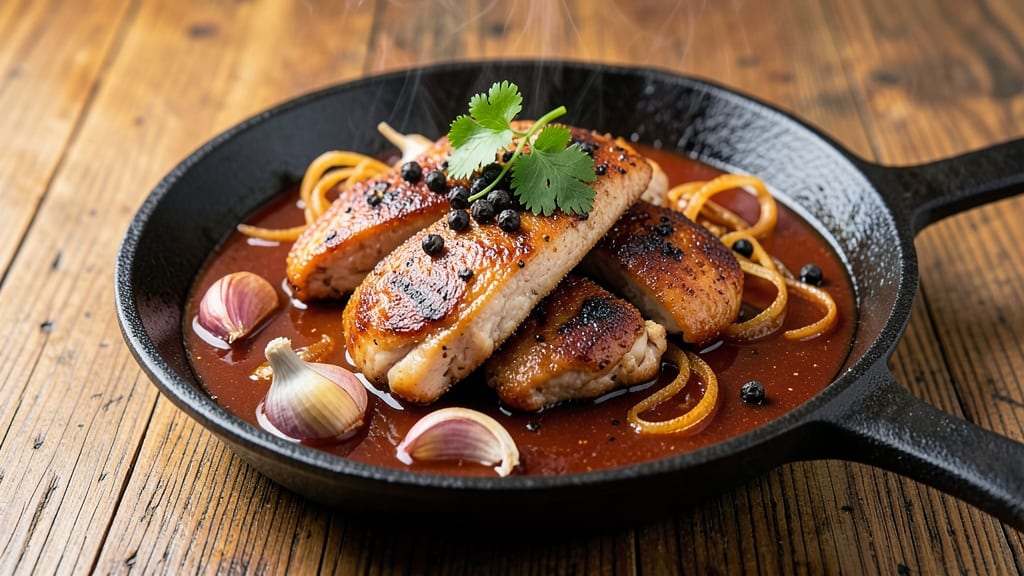
Filipino chicken liver adobo delivers a bold, vinegar-braised richness that balances deep umami with tangy brightness—exactly what I perfected after years of studying Southeast Asian techniques.
The secret lies in marinating the liver first to prevent toughness, then slow-braising it with garlic, black peppercorns, and just enough sugar to caramelize the vinegar. My version stays true to tradition while adapting for modern kitchens.
This dish transforms humble chicken livers into silky, melt-in-your-mouth bites swimming in a glossy, aromatic sauce. The key is patience: letting the adobo reduce gradually develops layers of flavor without overpowering the delicate liver.
I use a 1:1 vinegar-to-soy ratio with a pinch of sugar—just enough to mellow the acidity while keeping the sauce vibrant. The result? A dish that’s both restaurant-worthy and deeply comforting.
Serve it with steamed jasmine rice to soak up every drop of that complex, caramelized sauce, or pair with garlic fried rice for extra texture. Garnish with fresh cilantro or thinly sliced scallions for brightness.
The aroma alone will have your kitchen smelling like a bustling Filipino karinderia—but with half the effort. Let’s make this dish.
For those new to adobo, don’t skip the browning step—it builds depth. And if you’re worried about liver texture, I’ll show you how to prep it just right so it stays tender, not rubbery. This recipe is your gateway to Filipino home cooking at its finest.
Ingredients for chicken liver adobo filipino
This Filipino classic turns humble livers into silky, vinegar-braised perfection with bold umami.
| Ingredient | Amount | Notes |
|---|---|---|
| Chicken Livers 🐔 | 1 lb | Fresh, rinsed and patted dry |
| White Vinegar 🍶 | 1 ½ cups | High-quality, unrefined preferred |
| Soy Sauce 🥫 | 1 ½ cups | Low-sodium for best balance |
| Brown Sugar 🍚 | ¼ cup | Lightly packed for accuracy |
| Garlic Cloves 🧄 | 12 cloves | Fresh, peeled and minced |
| Black Peppercorns 🌶️ | 1 tbsp | Whole, lightly crushed |
| Bay Leaves 🌿 | 4 whole | Dried, aromatic variety |
| Onion 🧅 | 1 whole | Yellow or white, diced |
| Olive Oil 🫒 | ¼ cup | Extra-virgin for richness |
| Salt 🧂 | 1 tsp | Kosher or sea salt |
| Fresh Cilantro 🌿 | ½ cup | Chopped, for garnish |
| Scallions 🌱 | 4 whole | Thinly sliced, for garnish |
| Jasmine Rice 🍚 | 1 ½ cups | Uncooked, for serving |
The livers are your star—freshness is non-negotiable. Buy them from a trusted butcher or grocery store with a dedicated meat section, like Whole Foods or Costco. Rinse them thoroughly under cold water to remove any blood or impurities, then pat them very dry with paper towels—this prevents splattering when browning. I always grab organic chicken livers if available, as they tend to be more tender. For best results, handle them gently to avoid bruising, which can make them tough later.
No soy sauce? Fish sauce plus a splash of Worcestershire mimics the umami depth, though it’ll change the flavor profile slightly. Substitute brown sugar with honey if you’re avoiding refined sugar, but note it’ll caramelize differently. Whole peppercorns are ideal, but ground black pepper at half the amount works in a pinch. The bay leaves? Mexican oregano leaves can substitute at one-third the quantity. For the vinegar, apple cider vinegar adds a subtle sweetness, though it won’t replicate the traditional tang of white vinegar.
This adobo tastes even better the next day as flavors meld. Store leftovers in an airtight container in the fridge for up to 5 days. For longer storage, freeze portions in 1-cup containers for up to 3 months. The rice should be cooked separately and added just before serving to keep it fluffy. Garnish with fresh cilantro and scallions right before eating—it brightens up the dish and makes it look stunning. If you’re meal prepping, portion the adobo sauce separately to avoid soggy rice.
Why You'll Love This Recipe
- One-Pot Magic: I swear by this recipe—just toss everything in a single pan, and the vinegar and soy sauce do all the work while you sip your coffee. No fancy techniques, no last-minute grocery runs.
- Sweet-Savory Balance: That caramelized brown sugar meets the tangy vinegar and umami-rich soy sauce—it’s the kind of flavor combo that makes you go back for seconds without even trying. The garlic? Oh, it’s there, but in the best way.
- Leftover Goldmine: I make this on Sundays and eat it all week—it reheats like a dream, and the sauce thickens just enough to keep it juicy. Pack it in lunches or serve it cold with rice; it’s always a hit.
- Budget-Friendly Powerhouse: Chicken livers are cheap, and this recipe stretches them into something restaurant-worthy. Honestly, I’d rather eat this than takeout any day, and my wallet agrees.
Step-by-step instructions for chicken liver adobo Filipino recipe
Here's how to transform simple ingredients into a restaurant-worthy Filipino adobo with deep umami and tangy richness.
Clean and Prepare the Chicken Livers
Rinse the 1 lb chicken livers thoroughly under cold water, then pat them completely dry with paper towels. This step is crucial—any moisture left on the livers will prevent proper browning and create a steamed texture instead of a crispy exterior. Remove any connective tissue or visible fat, then cut each liver into ½-inch thick slices. I like to work in batches, keeping the prepared livers in a colander until ready to cook.
In a small bowl, combine 1 tbsp black peppercorns and 1 tsp salt, then lightly coat the sliced livers with this mixture. This seasoning will penetrate the meat during cooking, ensuring every bite is flavorful. Let the seasoned livers sit at room temperature for 15 minutes while you prepare the aromatics—this helps them cook more evenly.
Build the Adobo Base with Aromatics
Heat ¼ cup olive oil in a large Dutch oven over medium-high heat. Add the 1 diced onion and cook for 3-4 minutes until softened and translucent. Here's the thing—don't rush this step. The onion needs time to release its natural sweetness, which forms the foundation of the sauce's depth.
Add the 12 minced garlic cloves and 4 bay leaves, stirring constantly for 30 seconds until the garlic becomes fragrant but doesn't brown. Immediately pour in 1½ cups white vinegar and 1½ cups soy sauce, scraping up any browned bits from the bottom of the pot. This deglazing step captures all the flavor you've built so far. Bring the mixture to a gentle simmer and let it cook uncovered for 5 minutes to allow the vinegar to mellow slightly.
Braise the Livers Until Tender
Add the seasoned chicken livers to the Dutch oven in a single layer. Spoon the simmering sauce over them, ensuring each piece is coated. Here's where patience pays off—cover the pot and reduce heat to low. Let the livers simmer gently for 15-20 minutes, stirring occasionally, until they become fork-tender but still hold their shape. You'll notice the sauce reduces and thickens as it cooks, intensifying the flavors.
Stir in the ¼ cup brown sugar and cook uncovered for another 5 minutes to caramelize slightly. This step adds a subtle sweetness that balances the acidity of the vinegar. Taste the sauce now—it should be tangy, salty, and deeply umami. If it needs more balance, add a splash of water or a pinch more salt, but this combination usually hits the mark perfectly.
Finish and Serve with Jasmine Rice
Remove the 4 bay leaves from the sauce and discard them. Stir in the ½ cup chopped fresh cilantro and 4 thinly sliced scallions, letting them wilt slightly in the hot sauce. This adds freshness that cuts through the richness of the livers. Cook for just 1 minute to incorporate the herbs without overcooking them.
While the adobo simmers, cook the 1½ cups jasmine rice according to package instructions until tender and fluffy. Serve the chicken liver adobo hot over the rice, spooning generous amounts of the rich sauce over each portion. The contrast of the fragrant rice with the tangy, umami-packed livers makes this dish truly special. Garnish with additional scallions if desired, and serve immediately while the sauce is still vibrant.
Pro Tips For Making Chicken Liver Adobo Filipino
- Don’t Rush the Onion: I learned this the hard way—skipping the 3-4 minutes to soften the onion means your sauce will taste flat. The caramelization in those translucent pieces is what makes the whole dish sing. Medium-high heat, but let it slow-cook until it’s truly tender, not just "mostly cooked."
- Salt the Livers First: Tossing the sliced livers with the black peppercorns and salt before cooking isn’t just seasoning—it keeps them from curling up like sad little question marks. The salt also helps draw out moisture, so they crisp better in the sauce. Trust me, your future self will notice the difference.
- Deglaze Like Your Life Depends on It: That browned-on onion and garlic at the bottom of the pot? Don’t ignore it. Scrape every last bit into the vinegar and soy sauce mix when you deglaze—it’s where the real umami lives. A splash of water can help, but nothing beats the flavor locked in those bits.
- Low and Slow for Livers: After adding the livers, resist the urge to crank the heat. Cover and simmer on low for 15-20 minutes—any hotter, and you’ll end up with rubbery, overcooked livers instead of tender, saucy bites. The sauce will thicken naturally, so let it work its magic.
Wine and beer pairings for this dish
Filipino Red Wine Pairings
For this bold, tangy dish, a dry Filipino red wine like Bicol Red or Tondonia is my go-to choice. These wines have bright acidity and subtle fruit notes that complement the adobo’s vinegar and soy sauce complexity.
I always reach for a 13.5% ABV bottle from local Filipino markets—it’s like a taste of home. 🍷
Crisp White Wine Balance
If you prefer white wine, Sauvignon Blanc from the Philippines—like La Vie—cuts through the richness with its citrus and herbal notes. The wine’s acidity refreshes your palate between tangy bites of liver and sauce.
I’ve also enjoyed Pinot Grigio from Italy for its crisp finish. Both pair beautifully without overpowering the dish.
Beer Options for Bold Flavors
A dark Filipino lager like San Miguel Dark or San Miguel Premium Dark adds a malty sweetness that balances the adobo’s acidity. For craft beer lovers, a hazy IPA with tropical fruit notes can work if you want something lighter.
Just avoid heavy stouts—they’ll clash with the dish’s tangy profile. 🍺
Local Filipino Spirits
For a true Filipino twist, try tuba (coconut wine) or lamok (a sweet palm wine) as a digestif. These traditional drinks enhance the dish’s umami depth. I’ve also enjoyed San Miguel Beer with lime—simple but effective. The beer’s crispness cleanses the palate perfectly after each tangy bite.
Non-Alcoholic Pairings
For non-drinkers, sparkling ginger beer or hibiscus tea adds a refreshing contrast. The ginger’s spice complements the adobo’s garlic and vinegar, while hibiscus tea’s tartness echoes the dish’s natural tang. Both options keep the meal balanced and enjoyable. ✨
Nutrition facts
Frequently asked questions
Why does my liver adobo turn out rubbery instead of tender?
Overcooking is the usual culprit! Liver cooks fast, so keep an eye on it after 15 minutes—it should be fork-tender but still hold its shape. If it feels tough, reduce the simmering time to 12-15 minutes next time. Also, ensure you pat the livers very dry before cooking to avoid steaming instead of browning.
Can I substitute any ingredients if I don’t have fresh cilantro or scallions?
Skip the cilantro and scallions if needed—they’re just for garnish. For extra flavor, add 1 tsp fish sauce or a pinch of MSG to the sauce while cooking. If you want freshness, parsley or chives work in a pinch, though they won’t be identical. The dish still tastes amazing!
How do I adjust the sauce if it’s too sour?
Balance the acidity by adding 1-2 tbsp honey or brown sugar and simmering for 3-5 minutes to caramelize. If the sauce is still too tangy, stir in 1-2 tbsp water or a splash of soy sauce to dilute it slightly. Taste as you go—this is where flavor magic happens!
Is it okay to brown the livers in the sauce instead of the Dutch oven?
Yes, but with a caveat! Browning in the sauce works, but you’ll lose some of the deep, caramelized flavors from the Dutch oven’s slow-cooking. For best results, sear the livers in ¼ cup olive oil first to build texture, then add them to the sauce. This two-step method keeps the livers juicy and the sauce rich.