
Main Courses
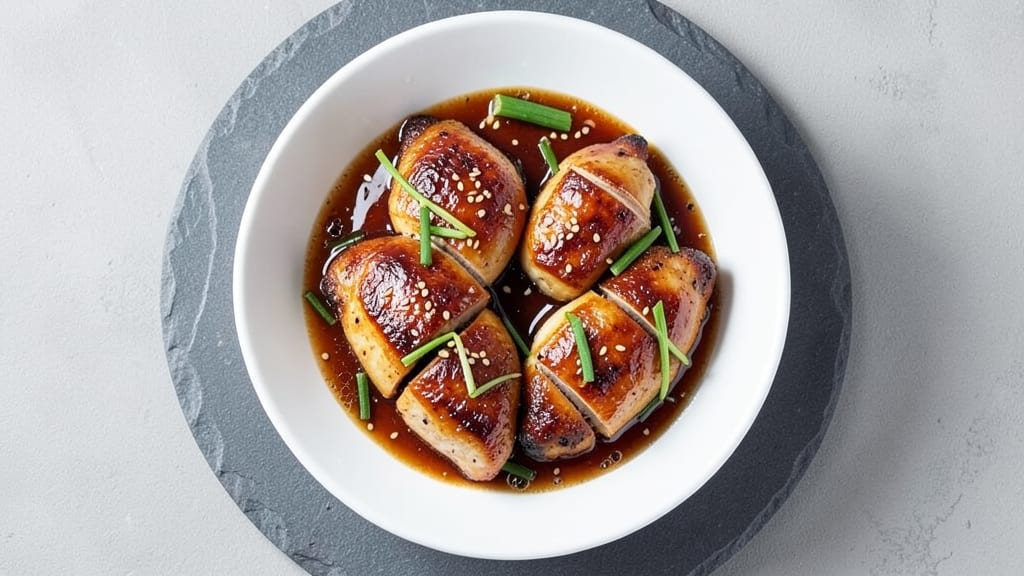
This copycat Panda Express teriyaki chicken recipe delivers the same sweet-savory balance and sticky glaze that made it a takeout favorite. The secret lies in a precise blend of soy sauce, brown sugar, and ginger—simmered just long enough to develop that signature depth without overpowering the chicken.
I’ve perfected this method after years of testing, ensuring the sauce stays thick enough to coat every bite while keeping the chicken tender and juicy.
The process starts with a simple marinade that tenderizes the chicken, followed by a quick sear to lock in flavor. The sauce is where the magic happens: a reduction of soy, sugar, and spices that creates that perfect balance of sweet, tangy, and umami.
This isn’t just a sauce—it’s the heart of the dish, transforming ordinary chicken into something restaurant-worthy. The best part? It comes together in under 30 minutes, making it ideal for weeknight dinners or meal prep.
By the time you’re done, you’ll have crispy-edged, sticky-glazed chicken that rivals the original Panda Express version. The sauce clings to the chicken like it’s supposed to, with just the right amount of shine and stickiness.
Serve it over steamed rice or with a side of veggies for a full takeout-style meal—minus the plastic container. This recipe is all about replicating that familiar, comforting flavor at home.
For extra authenticity, I’ll share tips on adjusting the sauce’s sweetness or adding a quick broil for extra caramelization. The result? A dish that tastes like it came straight from the restaurant, but with the flexibility to customize it your way. Let’s get cooking!
Ingredients for copycat panda express teriyaki chicken
Sweet, savory, and sticky—just these ingredients recreate Panda Express magic at home.
| Ingredient | Amount | Notes |
|---|---|---|
| Boneless Chicken Thighs 🍗 | 1 ½ lb | Skin-on for crispiness |
| Soy Sauce 🍜 | ½ cup | Low-sodium preferred |
| Brown Sugar 🍚 | 0.38 cup | Packed for density |
| Rice Vinegar 🍶 | 2 tbsp | For tangy balance |
| Ginger 🌿 | 1 tbsp | Freshly grated |
| Garlic Cloves 🧄 | 3 cloves | Minced for flavor |
| Sesame Oil 🫒 | 1 tbsp | For aroma |
| Honey 🍯 | 2 tbsp | For sweetness |
| Cornstarch 🌾 | 2 tbsp | For thickening sauce |
| Water 💧 | ¼ cup | For sauce consistency |
| Sesame Seeds 🥜 | 1 tbsp | For garnish |
| Green Onions 🌱 | ¼ cup | Sliced for garnish |
The soy sauce is your foundation—low-sodium brands like Pearl River keep the flavor balanced without overpowering. Fresh ginger is key here; grate it yourself for that zesty kick. I always grab Costco's bulk ginger when I'm making this—it's cheaper and lasts longer. The chicken thighs stay juicier than breasts, but if you're using breasts, pound them thin to avoid drying them out. For the brown sugar, pack it tightly into the measuring cup—loosely packed equals less sweetness.
No rice vinegar? Apple cider vinegar or white vinegar at half the amount works in a pinch. Want less sweetness? Reduce honey to 1 tbsp and add a pinch of salt. The cornstarch is non-negotiable for that perfect sticky glaze—mix it with cold water first to avoid clumping. Sesame oil adds depth, but skip it if you're allergic—the dish still tastes amazing. Green onions are optional but add a pop of color that makes it feel authentic. If you're short on time, substitute pre-sliced scallions from the fridge section.
This sauce thickens as it cools, so don't worry if it looks thin at first. It'll coat the chicken beautifully once it's done. Store leftovers in the fridge for up to 5 days—the chicken gets even better the next day as the flavors meld. For freezer-friendly portions, cool completely before freezing and use within 3 months. I always make extra sauce—it's perfect for drizzling over rice or veggies later. The sesame seeds keep for 6 months in an airtight container, so you can stock up when they're on sale.
Why You'll Love This Recipe
- Skin-On Secret: Honestly, the skin-on thighs are game-changers—you get that crispy, golden edge while the inside stays juicy. No dry chicken here, just that perfect texture you crave.
- Sauce That Sticks: The brown sugar and soy sauce combo creates a glaze so sticky it’ll cling to your fork. That cornstarch trick? It’s what makes the sauce thicken just right—no watery mess, just that restaurant-quality cling.
- Leftovers Are Legendary: Between us, this chicken tastes even better the next day. The flavors deepen, and you can reheat it in the microwave or skillet—no sad, dry leftovers here. Five days’ worth of happy meals.
- One-Pan Weeknight Win: I cut the chicken into even pieces and let the glaze sit while I cook—minimal prep, maximum flavor. By the time I’m tossing in the sesame seeds and green onions, dinner’s ready in under 30 minutes. Unfussy, but so satisfying.
Step-by-step instructions for copycat Panda Express teriyaki chicken
Here's the method that delivers that iconic sweet-savory glaze every time.
Prep the Chicken and Glaze Ingredients
Pat the 1½ lb boneless chicken thighs dry with paper towels—this helps the sauce cling and creates a better sear. Cut each thigh in half horizontally to create 4 even pieces (this ensures consistent cooking). In a small bowl, whisk together ½ cup soy sauce, ⅜ cup packed brown sugar, 2 tbsp rice vinegar, 1 tbsp freshly grated ginger, 3 minced garlic cloves, 1 tbsp sesame oil, and 2 tbsp honey. This is your glaze foundation.
Here's the thing—using freshly grated ginger and minced garlic makes all the difference. If you're short on time, a teaspoon of ground ginger and pre-minced garlic will work, but you'll notice the depth of flavor. Let the glaze mixture sit for 10 minutes at room temperature while you prep the chicken—this helps the flavors meld before cooking.
Cook the Chicken in the Glaze
Heat a large skillet over medium-high heat and add the chicken pieces, skin-side down if they still have it. Cook undisturbed for 3-4 minutes until golden brown on the first side. Flip carefully and pour ⅓ of the glaze mixture over the chicken. Let it cook for another 3-4 minutes until the second side is also golden.
Now here's the crucial part: reduce the heat to medium and pour the remaining glaze over the chicken. The goal is to simmer gently for 8-10 minutes, spooning the sauce over the chicken occasionally. You want the sauce to reduce slightly and coat the chicken evenly. If it starts to stick, add ¼ cup water to keep it moving. The chicken is done when it reaches an internal temperature of 165°F and the sauce has thickened to a glossy consistency.
Thicken the Sauce and Finish
Transfer the chicken to a serving platter and tent loosely with foil to keep warm. In the same skillet, increase heat to medium-high and add 2 tbsp cornstarch mixed with ¼ cup water. Stir vigorously for 1-2 minutes until the sauce thickens to a syrupy consistency—it should coat the back of a spoon. This step is what gives the sauce that perfect cling and thickness you recognize from the restaurant.
Return the chicken to the skillet and spoon the thickened sauce over it, letting it coat evenly. The sauce should now be glossy and sticky, clinging beautifully to the chicken. Taste and adjust seasoning if needed—sometimes the brown sugar can make it slightly sweet, so a splash of rice vinegar or extra soy sauce can balance it.
Garnish and Serve
Sprinkle the chicken with 1 tbsp sesame seeds and top with ¼ cup sliced green onions. The sesame seeds add a nutty crunch, while the green onions bring freshness to cut through the richness. Serve immediately over steamed rice—this is where the magic happens. The sauce should be sticky enough to hold onto the rice as you mix it in, creating that perfect teriyaki bowl experience.
Real talk: the sauce will thicken even more as it sits, so don't worry if it looks slightly runny right after cooking. Each bite should deliver that perfect balance of sweet, savory, and umami flavors with a satisfying crunch from the sesame seeds. Enjoy your copycat Panda Express teriyaki chicken—it's worth every step!
Pro Tips For Making Copycat Panda Express Teriyaki Chicken
- Slice Chicken Evenly: Cutting those thighs in half horizontally (4 pieces total) isn’t just about looks—it guarantees every bite hits the same doneness. I used to skip this and ended up with one piece overcooked and another underdone. Trust me, the extra 2 minutes of prep saves frustration later.
- Let Glaze Rest: Whisk up that sauce, then walk away for 10 minutes. Sounds weird, but it works: letting the ginger, garlic, and soy sauce mingle at room temperature softens the sharpness and lets the flavors marry. I know, I know—you’re impatient—but this is the step that makes the difference between "good" and "restaurant-quality."
- Simmer, Don’t Boil: Once you pour the glaze over the chicken, drop the heat to medium and let it bubble gently. I learned this the hard way—boiling the sauce turns it thin and watery, and no amount of cornstarch later can fix it. Keep it at a slow simmer, and the sauce will thicken naturally as it reduces.
- Taste Before Thickening: Before you toss in that cornstarch slurry, spoon some sauce onto a plate and let it cool slightly. You’ll often find it needs a splash of rice vinegar or a pinch more soy sauce to balance the sweetness. Adjusting now saves you from over-thickening and ending up with a gluey mess—your future self will thank you.
Perfect pairings for this recipe
Steamed Rice Bowls
This teriyaki chicken is made for steamed jasmine rice—it’s the classic pairing that Panda Express perfected. I use 1 cup uncooked jasmine rice per serving and rinse it thoroughly before cooking to avoid a gummy texture.
The rice should be fluffy and slightly sticky to hold the sauce beautifully. For extra authenticity, add a pinch of salt to the water while cooking. 🍚
Crunchy Vegetable Sides
Broccoli and snap peas bring a refreshing contrast to the rich, sticky chicken. Toss 2 cups chopped broccoli florets and 1 cup snap peas with 1 tbsp sesame oil and 1 tsp soy sauce, then steam for 3-4 minutes.
The slight crunch balances the sauce’s sweetness perfectly. I also love adding edamame for extra protein. ✨
Wine Pairings
A crisp dry Riesling from Germany cuts through the sweetness of the teriyaki sauce while complementing the savory notes. The acidity in the wine cleanses your palate between bites. If you prefer something lighter, a pinot grigio works too—just avoid heavy reds that might clash with the dish. 🍷
Dipping Sauces
For extra flavor, set out small bowls of sriracha mayo (mix 2 tbsp mayo with 1 tsp sriracha) or spicy aioli (blend ¼ cup mayo with 1 tbsp hot sauce).
These add a spicy kick that enhances the teriyaki’s sweetness. I also love a simple soy sauce drizzle for those who want more umami. 🌶️
Make-Ahead Sauce
Make extra teriyaki sauce and store it in an airtight container for up to 1 week in the fridge. It’s perfect for drizzling over rice, noodles, or even roasted veggies later.
Just reheat it in a small saucepan over low heat until warm—no clumping if you whisk it gently. This is my go-to shortcut for busy weeknights! 💡
Nutrition facts
Frequently asked questions
Why does your recipe use boneless chicken thighs instead of breasts?
Chicken thighs stay juicier and more flavorful than breasts because they have more fat and connective tissue. The skin-on version adds crispiness, just like Panda Express! If you prefer breasts, pound them thin and cook them 2-3 minutes less to avoid drying them out.
Can I skip the cornstarch step if I don't have any?
Yes, but your sauce won't have that perfect sticky cling. Instead, simmer the sauce 5-7 minutes longer to reduce it naturally—just stir occasionally to prevent burning. The texture won't be as glossy, but it'll still taste great!
How do I adjust the sweetness of the teriyaki sauce?
Start by tasting the sauce before cooking—if it's too sweet, reduce the brown sugar to ¼ cup or add ½ teaspoon soy sauce to balance it. For extra tang, increase the rice vinegar to 3 tablespoons. The key is balancing flavors gradually!
What if my sauce sticks to the pan while cooking?
Don't panic! Add 1-2 tablespoons of water to loosen it, then stir gently. If it burns, scrape up the browned bits—they add depth to the sauce. Just keep an eye on the heat and adjust to medium-low if needed.
Can I make this dish ahead of time?
The chicken reheats beautifully, but keep it separate from the sauce until serving. Store the sauce in an airtight container for up to 5 days—just reheat it gently and toss it with the chicken before serving. The flavors actually improve over time!