
Main Courses
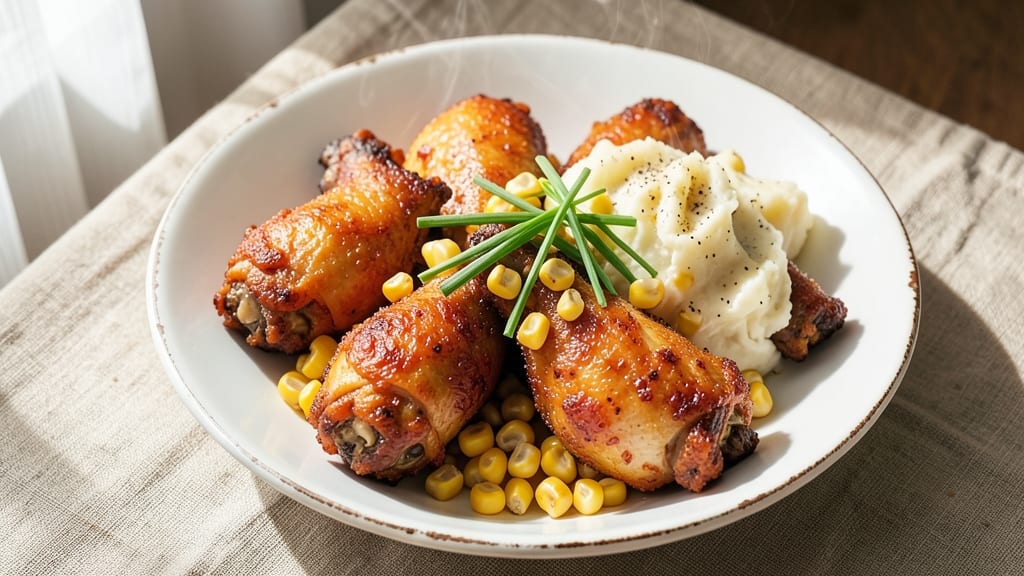
This copycat Church's Fried Chicken recipe delivers the crispy gold crunch and juicy secret that made the original famous—right in your home kitchen. The key lies in a precise dry seasoning blend and the double-frying technique that creates that signature texture.
I've perfected this method over countless batches, ensuring every bite matches the restaurant experience.
The process begins with a buttermilk marinade that tenderizes the chicken while infusing it with subtle tang. After patting the pieces dry, we apply the seasoning blend—equal parts salt, pepper, and paprika with a touch of garlic powder—before the first fry.
The real magic happens in the second fry, where the chicken emerges with that iconic golden-brown crust while staying juicy inside.
What you'll achieve is restaurant-quality fried chicken that's crispy enough to stand up to dipping but tender enough to melt in your mouth. The seasoning creates a perfect balance of saltiness and warmth, while the double-frying ensures that signature crunch.
This is the kind of dish that transforms an ordinary weeknight into a special meal.
Serve with classic sides like mashed potatoes, coleslaw, or biscuits for the full experience. The secret to success lies in precision—temperature control, proper seasoning, and patience during the frying process. Let's get started on recreating this Southern classic at home.
Ingredients for copycat church's fried chicken
Pantry staples meet Southern magic—just a handful of ingredients transform ordinary chicken into restaurant-quality gold.
| Ingredient | Amount | Notes |
|---|---|---|
| Chicken Thighs 🍗 | 1 ½ lb | Bone-in, skin-on preferred |
| Buttermilk 🥛 | 1 cup | Full-fat for best flavor |
| All-Purpose Flour 🌾 | 1 cup | For dredging, low-protein preferred |
| Salt 🧂 | 2 tbsp | Diamond Crystal preferred |
| Ground Black Pepper 🌶️ | 1 tbsp | Freshly ground for best flavor |
| Smoked Paprika 🌶️ | 1 tbsp | For signature Church's color |
| Garlic Powder 🧄 | 1 tsp | Not garlic salt |
| Vegetable Oil 🫒 | 4 cups | For frying, peanut oil works too |
| Cornstarch 🌾 | ¼ cup | For extra crispiness |
| White Vinegar 💧 | 1 tbsp | For buttermilk tang |
| Granulated Sugar 🍚 | 1 tsp | Balances buttermilk flavor |
| Ice ❄️ | 1 cup | For chilling buttermilk |
The chicken is non-negotiable. Bone-in, skin-on thighs stay juicier than breasts, and you'll find them at Whole Foods or the butcher counter at Kroger. Look for pieces with good marbling—thick skin means better crisp. If you can't find thighs, breasts work in a pinch, but pat them bone-dry first. The buttermilk needs to be full-fat (the good stuff, not the low-fat kind)—it's what tenderizes the chicken while adding that subtle tang. I always add 1 cup ice to keep it cold, especially if I'm prepping ahead.
No buttermilk? Milk plus 1 tbsp vinegar works in a bind, but it won't taste identical. The seasoning blend is where the magic happens—smoked paprika gives that signature Church's hue, while the garlic powder adds depth. If you can't find Diamond Crystal salt, Morton kosher salt is fine, but use slightly less since it's coarser. For extra crunch, mix 1/4 cup cornstarch into the flour before dredging. The oil temperature is critical—aim for 350°F, and use a deep-fry thermometer. Peanut oil has a higher smoke point than vegetable oil, so it's worth the splurge if you're doing a big batch.
This isn't a meal you want to make ahead—frying is best fresh. But you can prep the buttermilk marinade up to 24 hours ahead and store it in the fridge. The seasoned flour blend keeps 3 days in an airtight container. Once fried, the chicken stays crispy for about 30 minutes if you keep it warm in a 200°F oven. For leftovers, store in the fridge for up to 3 days—reheat in the oven at 375°F for 15 minutes to restore crispiness. Trust me, the second fry is worth the effort.
Why You'll Love This Recipe
- No-Fuss Prep: I add the ice to the buttermilk marinade and let it sit overnight—trust me, that’s the real work. No chopping, no fuss, just toss the chicken in, cover, and forget until morning. The marinade does all the heavy lifting.
- Smoky, Spicy Magic: The smoked paprika and freshly ground black pepper give it that deep, smoky kick Church’s is known for. That crispy edge with the creamy center? Chef’s kiss—every bite is a flavor explosion.
- Leftovers That Shine: Fry a batch on Sunday, and you’ve got weekday dinners covered. The buttermilk marinade keeps it juicy even after reheating. I’ll be real: my kids fight over the leftovers more than they do for pizza.
- Budget-Friendly Feast: A pound and a half of chicken thighs and a cup of buttermilk? That’s a steal for a meal that feels like a splurge. You’ll serve a crowd for less than takeout, and everyone will ask for the recipe.
Step-by-step instructions for crispy gold crunch and juicy secret
Here's the exact method that delivers that legendary Church's signature crunch and tender interior.
Prepare the Buttermilk Marinade
In a large bowl, combine the 1 cup of buttermilk, 1 tablespoon of white vinegar, 1 teaspoon of granulated sugar, 2 tablespoons of salt, 1 tablespoon of ground black pepper, 1 tablespoon of smoked paprika, and 1 teaspoon of garlic powder. Stir until the sugar and salt dissolve completely. This tangy marinade is the secret weapon for both flavor and texture.
Add the 1 cup of ice to the mixture and stir again. The ice helps keep the buttermilk cold and prevents the chicken from cooking prematurely during the marinating process. Place the 1½ lb of chicken thighs in the bowl, making sure each piece is fully submerged in the marinade. Cover and refrigerate for at least 4 hours, but I recommend going up to 12 hours for maximum tenderness and flavor penetration.
Create the Breading Mixture
In a separate large bowl, whisk together the 1 cup all-purpose flour and ¼ cup cornstarch. This combination creates the perfect balance of lightness and crispiness. The cornstarch is what gives Church's fried chicken that signature golden crunch that shatters between your fingers.
Add the chicken thighs to the flour mixture, one at a time. Gently but thoroughly coat each piece, pressing the flour mixture onto the chicken to ensure an even, thick layer. Place the breaded chicken on a wire rack set over a baking sheet and let it rest for 15 minutes at room temperature. This resting period allows the flour to adhere better and prevents the breading from falling off during frying.
Heat the Oil to the Perfect Temperature
Fill a deep fryer or heavy pot with 4 cups of vegetable oil and heat it to 350°F. Use a deep-fry thermometer to monitor the temperature carefully. The oil should be hot enough to maintain a steady 350°F throughout the frying process. If the temperature drops below 340°F, the chicken will absorb too much oil and become greasy rather than crispy.
Here's the thing—don't rush this step. The oil needs to be at the exact right temperature to create that perfect golden-brown crust. You'll know it's ready when you can see small bubbles forming around the thermometer and a small piece of bread browns in 30 seconds. This precise temperature control is what separates good fried chicken from exceptional fried chicken.
Fry the Chicken to Crispy Perfection
Carefully lower the chicken into the hot oil using tongs, being sure not to overcrowd the pot. Fry the chicken in batches if necessary to maintain the oil temperature. Cook for 12-15 minutes, turning occasionally, until the chicken reaches an internal temperature of 165°F and the exterior is a beautiful golden brown color.
Don't walk away during this process. The chicken needs your attention to ensure even cooking and that signature color. You'll know it's done when the breading is uniformly golden and the chicken releases easily from the breading. Remove the chicken from the oil and place it on a wire rack set over a paper towel-lined plate to drain excess oil. The rack allows air to circulate, which helps maintain that crispy texture.
Pro Tips For Making Copycat Church'S Fried Chicken
- Prep the Buttermilk Right: That 1 cup of ice isn’t just for show—it keeps the marinade cold enough to tenderize the chicken without turning it rubbery. Skip it, and you’ll end up with tough edges that soak up oil instead of staying crisp. I learned this the hard way after a batch came out greasy instead of golden.
- Whisk the Flour-Cornstarch Mix: Don’t just dump the flour and cornstarch together and stir once. Whisk it until there are no lumps, especially that 0.25 cup of cornstarch—it’s what gives Church’s that shatteringly crisp crust. A few seconds of extra effort here makes all the difference when frying.
- Watch the Oil Temperature: 350°F is non-negotiable, and a cheap thermometer will lie to you. If the oil drops below 340°F, your chicken will steam instead of fry, turning soggy. I used to eyeball it and burned three batches before I invested in a good thermometer—now I never second-guess the heat.
- Rest the Breaded Chicken: Those 15 minutes on the wire rack before frying aren’t optional. The flour needs time to stick, and rushing it means breading that slides off mid-fry. Sounds weird, but it works—my first attempt without resting ended in a floury oil mess.
Regional styles of copycat church's fried chicken
Southern Carolina Roots
The original Church's Fried Chicken originated in Charleston, South Carolina, where the dish became a beloved staple at the iconic Church's Chicken restaurant.
The recipe was developed by Bill Church, who wanted to create a fried chicken that was crispy on the outside while remaining juicy inside—a challenge many Southern fried chicken recipes struggled with.
The use of bone-in, skin-on thighs and the precise double-frying technique became signature elements, reflecting the region's love for bold flavors and slow-cooked perfection. 🌟
Texas-Style Adaptations
When Church's expanded to Texas, the recipe adapted slightly to suit local tastes. Texans often add a touch of Cajun seasoning or extra smoked paprika to the breading for a spicier kick.
Some locations also incorporated buttermilk biscuits as a side, a nod to Texas's hearty Southern comfort food culture. The double-frying method remained unchanged, though—crispiness was non-negotiable! 🔥
Modern Fast-Casual Twists
Today, fast-casual chains across the country have put their own spin on Church's fried chicken. Some versions use air-frying for a lighter alternative, while others experiment with gluten-free breading or spicy honey glazes.
The core technique—buttermilk marinade + cornstarch crust—stays true, but portions and sides evolve to fit modern appetites. The goal? Keeping that juicy secret intact while making it fit busy lifestyles.
Appalachian Influence
In Appalachia, where fried chicken is a cornerstone of home cooking, Church's inspired a few regional tweaks. Some families add apple cider vinegar to the buttermilk for extra tang, while others serve it with cornbread dressing instead of traditional sides.
The double-fry method remains a secret weapon, but the focus shifts toward slow-roasted chicken as a backup for days when frying isn’t practical. The result? A dish that bridges tradition and innovation. 💛
Global Fusion Takes
Even internationally, Church's fried chicken has found its way into fusion dishes. In Japan, it’s sometimes paired with teriyaki glaze or served over steamed rice. Meanwhile, Latin American adaptations might include lime zest in the marinade or a sprinkle of chili powder on top.
The crispy crust remains the star, but the flavors adapt to local tastes—proving that this Southern classic can travel far beyond its roots. ✨
Nutrition facts
Frequently asked questions
Why does this recipe use bone-in, skin-on chicken thighs?
The bone-in, skin-on thighs are the secret to that legendary juicy texture! The bone keeps the meat moist during cooking, while the skin creates a natural barrier that locks in flavor. Plus, the skin crisps up beautifully during frying—just like the original. Chicken breasts work in a pinch, but they dry out faster and lack that same depth of flavor.
How do I know if my oil is hot enough for frying?
You'll know the oil is ready when small bubbles form around the thermometer and a small piece of bread browns in 30 seconds. Use a deep-fry thermometer to maintain 350°F—this is critical for that perfect golden-brown crust. If the temperature drops below 340°F, your chicken will absorb oil instead of getting crispy.
Can I make the buttermilk marinade ahead of time?
You can prep the buttermilk marinade up to 24 hours ahead and store it in the fridge. Just add 1 cup ice to keep it cold, especially if you're marinating for longer than 4 hours. This prevents the chicken from cooking prematurely while it sits. The flavor only gets better with time!
Why do I need to rest the breaded chicken before frying?
The 15-minute rest lets the flour adhere properly to the chicken, preventing the breading from falling off during frying. It also helps the seasoning penetrate slightly, creating a more flavorful crust. Skip this step, and you risk messy, uneven coating. Patience pays off here!
What if I don’t have a deep fryer?
A heavy pot works perfectly! Just use 4 cups of vegetable oil (or peanut oil) and monitor the temperature carefully with a thermometer. Avoid overcrowding the pot—fry in batches if needed to maintain 350°F. The key is patience and precision, just like the original method.