
Side Dishes
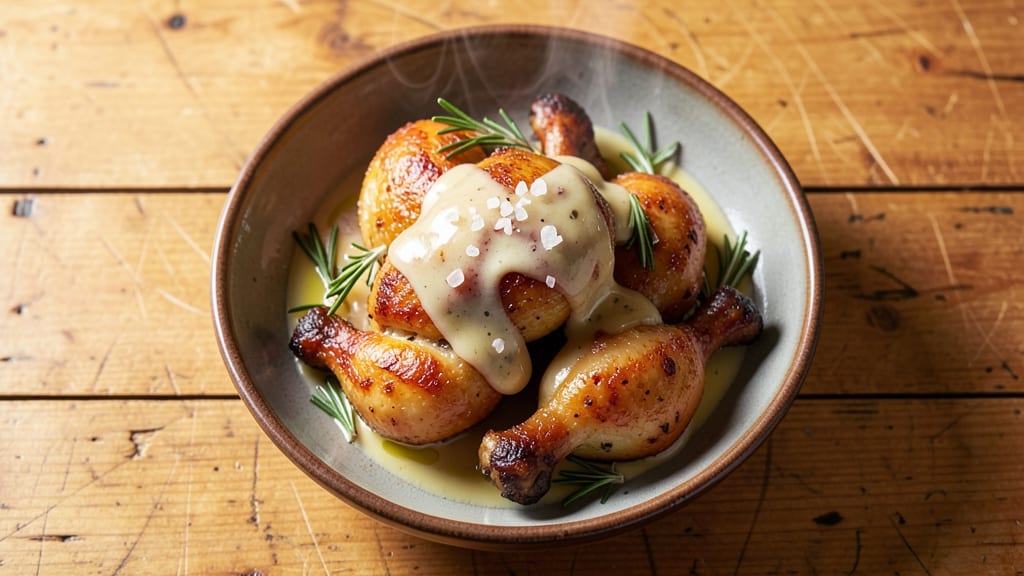
The Cook's Country Cornell chicken recipe delivers crispy, golden skin and juicy centers with a foolproof buttermilk brine method that transforms ordinary chicken into a restaurant-worthy centerpiece. This technique—developed through rigorous testing—ensures perfect results every time, whether you're hosting a dinner party or simply craving a standout main dish.
The key lies in the brine, which tenderizes the meat while creating that coveted crispy exterior when roasted.
What sets this recipe apart is the balance of simplicity and precision. You'll work with just a few pantry staples—buttermilk, salt, and pepper—alongside high-quality chicken pieces, all coming together in a one-pan method that minimizes cleanup.
The buttermilk brine not only enhances flavor but also helps retain moisture, guaranteeing that each bite remains tender while the skin achieves that satisfying crunch. This is the kind of recipe that builds confidence in home cooks.
By the time you pull this chicken from the oven, you'll have a dish that's visually stunning with its golden brown skin and perfectly caramelized edges, while the meat inside stays moist and flavorful.
The aroma alone will have everyone gathered around your table, and the texture contrast—crispy outside, tender inside—makes it impossible to resist. Serve with classic sides like roasted vegetables or a rich gravy to complete the meal.
This recipe scales beautifully for any occasion, from weeknight dinners to holiday feasts. The method is repeatable and reliable, ensuring you'll achieve the same impressive results every time. Whether you're a seasoned cook or just starting out, this Cornell chicken technique will elevate your cooking game.
Let's get started on creating a dish that's sure to impress.
Ingredients for cook's country cornell chicken
Pantry staples meet precision technique for restaurant-quality chicken every time.
| Ingredient | Amount | Notes |
|---|---|---|
| Whole Chicken Pieces 🍗 | 2 ½ lb | Bone-in, skin-on, thighs and drumsticks preferred |
| Buttermilk 🥛 | 1 cup | Full-fat for optimal crispiness |
| Diamond Crystal Kosher Salt 🧂 | ½ cup | Coarse grain for even coating |
| Freshly Ground Black Pepper 🌶️ | 1 tbsp | Cracked peppercorns preferred |
| Extra-Virgin Olive Oil 🫒 | 2 tbsp | High smoke point for roasting |
| Fresh Rosemary 🌿 | ¼ cup | Finely chopped, stems removed |
| Fresh Thyme 🌿 | ¼ cup | Leaves only, stems discarded |
| Garlic Cloves 🧄 | 4 cloves | Minced, for herb blend |
| Unsalted Butter 🧈 | 2 tbsp | Melted, for basting |
| Cornstarch 🌾 | 1 tbsp | For crispy skin coating |
| Lemon Juice 🍋 | 1 tbsp | Freshly squeezed, for brightness |
The chicken selection is critical—bone-in, skin-on pieces (especially thighs and drumsticks) deliver that coveted crispy exterior while staying juicy inside. Local butcher shops often carry superior cuts compared to grocery store options. Look for pieces with intact skin and minimal bruising. If using breasts, opt for thick-cut, bone-in to prevent drying out. The buttermilk must be full-fat; low-fat versions won't yield the same crispy skin. For the herbs, fresh is non-negotiable—dried substitutes won't provide the same aromatic punch.
No buttermilk? Substitute with whole milk plus 1 tbsp vinegar or lemon juice, letting it sit for 10 minutes to curdle. Short on rosemary or thyme? Fresh sage or marjoram work beautifully in equal amounts. The cornstarch coating is essential for that signature crunch—don't skip it. For extra flavor depth, add 1 tsp smoked paprika to the herb blend. The lemon juice can be omitted if you prefer a more neutral profile, but it brightens the dish beautifully. Always use freshly ground pepper—pre-ground loses potency quickly.
Prep the chicken immediately after brining to maximize crispiness. Store any unused buttermilk in the fridge for up to 5 days, though it's best used fresh. The herb blend keeps well in an airtight container for 3 days in the refrigerator. For make-ahead convenience, brine the chicken up to 24 hours ahead and store in the fridge, but pat it dry thoroughly before roasting. Leftovers reheat beautifully—cover with foil and warm in a 350°F oven for 15 minutes to maintain moisture.
Why You'll Love This Recipe
- No-Fuss Prep: Honestly, this isn’t one of those recipes that requires a 10-step prep dance. Just toss your chicken in the buttermilk brine overnight—yes, it’s worth it—and wake up to a dish that practically cooks itself. The buttermilk and salt do all the heavy lifting while you sleep.
- Crispy Magic Inside: That cornstarch crust? Chef’s kiss. It turns the skin into something shatteringly crisp while keeping the meat juicy—no dry chicken here. The rosemary, thyme, and garlic infuse like a hug, but the real star is that golden, crackly exterior. Trust me, it’s addictive.
- Budget-Friendly Luxury: You’re getting restaurant-quality results without the restaurant price tag. Bone-in, skin-on thighs and drumsticks are cheaper than breast, and the buttermilk brine makes every bite tender and flavorful. It’s the kind of dish that feels special but won’t break the bank.
Step-by-step instructions for cook's country Cornell chicken
Mastering this technique guarantees restaurant-quality results at home.
Prepare the Buttermilk Brine
In a large bowl, combine the 1 cup buttermilk with the ½ cup diamond crystal kosher salt and 1 tablespoon freshly ground black pepper. Stir until the salt fully dissolves. This creates an alkaline environment that tenderizes the chicken while adding flavor.
Submerge the 2½ pound whole chicken pieces completely in the brine, ensuring all surfaces are coated. Cover and refrigerate for 12-24 hours. The buttermilk's acidity breaks down muscle fibers, while the salt penetrates deeply for maximum flavor infusion and moisture retention. Real talk: Don't skip this step—it's what transforms ordinary chicken into showstopping Cornell-style perfection.
Create the Herb Coating
In a small bowl, finely chop the ¼ cup fresh rosemary and ¼ cup fresh thyme, discarding any woody stems. Add the 4 minced garlic cloves and mix thoroughly. This herb blend forms the aromatic backbone of the dish.
Remove the chicken from the brine and pat it completely dry with paper towels. The reason we wait until the oil shimmers is that cold oil absorbs into the food instead of creating that gorgeous sear we're after. Rub the herb mixture all over the chicken, pressing it into the skin to ensure maximum flavor penetration. Here's the thing—this is the moment that matters: the herbs will infuse during roasting, creating that signature Cornell aroma.
Apply the Cornstarch Crust
In a separate bowl, mix the 1 tablespoon cornstarch with 2 tablespoons extra-virgin olive oil until it forms a thick paste. This cornstarch coating creates the signature crispy skin that sets Cornell chicken apart.
Using your fingers, spread the cornstarch mixture evenly over the entire surface of the chicken, including the cavity. Press gently to adhere the coating. The cornstarch will caramelize during roasting, forming a golden, shatteringly crisp crust while keeping the interior juicy. Don't skip this (I learned the hard way)—uneven application leads to patchy crispiness.
Roast to Golden Perfection
Preheat your oven to 425°F. Place the chicken on a rack set in a rimmed baking sheet for even air circulation. Roast for 45-55 minutes, basting with 2 tablespoons melted unsalted butter mixed with 1 tablespoon lemon juice every 15 minutes. The lemon brightens the flavors while the butter adds richness.
You'll know it's done when the internal temperature reaches 165°F at the thickest part of the thigh, and the skin is deep golden brown with crispy patches. Watch closely during the last 10 minutes—your oven might run hot, so start checking at the 40-minute mark. The cornstarch crust should be shatteringly crisp when pressed gently.
Pro Tips For Making Cook'S Country Cornell Chicken
- Let It Marinate Overnight: That 12-24 hour buttermilk brine isn’t optional—it’s where the magic happens. I used to rush it and ended up with dry, flavorless chicken. The acid in the buttermilk breaks down the muscle fibers while the salt works its way deep, so don’t skip this step, even if you’re impatient.
- Dry the Chicken Thoroughly: After brining, pat the chicken completely dry with paper towels—no wet spots. I learned this the hard way when my cornstarch crust turned out soggy instead of crisp. The drier the skin, the better the crust will caramelize.
- Spread Cornstarch Evenly: Don’t just slap that cornstarch paste on and call it a day. Work it into every nook, especially the cavity and under the skin. I once missed a spot, and that patch stayed soft while the rest was shatteringly crisp—uneven = disappointment.
- Baste Like You Mean It: The butter-lemon basting isn’t just for show—it keeps the skin moist while it crisps. Every 15 minutes, flip the chicken and spoon that melted butter-lemon mix over it. I used to half-ass this, and the skin would dry out before it got golden.
Regional styles of this recipe
Southern Comfort Style
In the South, Cornell chicken often gets paired with smoky, tangy gravy made from the pan drippings. I love using 2 tbsp self-rising flour to thicken the gravy, then adding ½ cup whole milk and a splash of hot sauce like Crystal for that signature kick.
Serve it over buttery mashed potatoes or fluffy white rice for a true Southern feast. 🌟
New England Herb Variation
New England cooks often enhance Cornell chicken with fresh sage and maple glaze. After roasting, brush the chicken with 2 tbsp pure maple syrup mixed with 1 tbsp melted butter while still hot.
This creates a sweet-savory contrast that pairs beautifully with cornbread or roasted Brussels sprouts. The maple adds depth that balances the crispy skin.
Midwest BBQ Twist
In the Midwest, I’ve seen Cornell chicken transformed into a BBQ-style dish by adding ½ cup BBQ sauce (like Sweet Baby Ray’s) to the basting mixture. The sauce gets caramelized on the skin during roasting, creating a sweet, sticky glaze.
Serve with grilled corn on the cob and coleslaw for a casual but impressive meal. The cornstarch crust still shines through!
Pacific Northwest Citrus Finish
West Coast chefs often elevate Cornell chicken with lemon-herb crust and a citrusy finish. After roasting, I add zest of 1 lemon and 1 tbsp fresh parsley to the basting butter.
Serve with quinoa salad tossed in orange segments and avocado for a bright, fresh contrast. The citrus cuts through the richness beautifully. 💫
Italian-Inspired Herb Blend
For an Italian twist, swap the thyme and rosemary for ½ cup fresh basil and 2 tbsp minced garlic in the herb coating. Add 1 tbsp olive oil to the cornstarch paste for extra richness.
Serve with roasted cherry tomatoes and garlic bread for a Mediterranean-inspired meal. The basil adds a fresh, vibrant note that pairs perfectly with the crispy skin.
Nutrition facts
Frequently asked questions
Why does the buttermilk brine take so long?
The 12-24 hour brine time isn't just tradition—it's science! The buttermilk's acidity tenderizes the chicken while the salt deeply infuses flavor and moisture. Skipping this step means missing the signature Cornell chicken texture: crispy skin with juicy centers. Patience here guarantees restaurant-quality results.
Can I use chicken breasts instead of thighs/drumsticks?
You can, but expect drier results since breasts cook faster. Stick with bone-in, skin-on thighs for the best balance of crispy skin and juicy meat. If using breasts, reduce roasting time to 30-35 minutes and check temperature early. The cornstarch crust still works but may crisp faster.
What if my oven runs hot or cold?
Ovens vary wildly! Start checking for doneness at 40 minutes instead of the full 45-55 minute range. Use a meat thermometer to verify 165°F in the thickest thigh. If your oven runs hot, tent with foil after 30 minutes to prevent over-browning. Cold ovens? Increase temp by 25°F and roast longer.
How do I make the cornstarch crust extra crispy?
Even application is key! Pat the chicken bone dry before coating and press the cornstarch paste firmly into the skin. For extra crunch, add ½ teaspoon smoked paprika to the cornstarch mixture. Roast on a wire rack (not directly on foil) for better air circulation around the chicken. The result? A shatteringly crisp skin that's worth the effort.
Can I make this recipe ahead of time?
Yes! Brine the chicken up to 24 hours ahead and store in the fridge. When ready to cook, pat dry thoroughly and proceed with the herb coating. For leftovers, reheat covered with foil at 350°F for 15 minutes to maintain moisture. The cornstarch crust may soften slightly but will crisp up during reheating.