
Main Courses
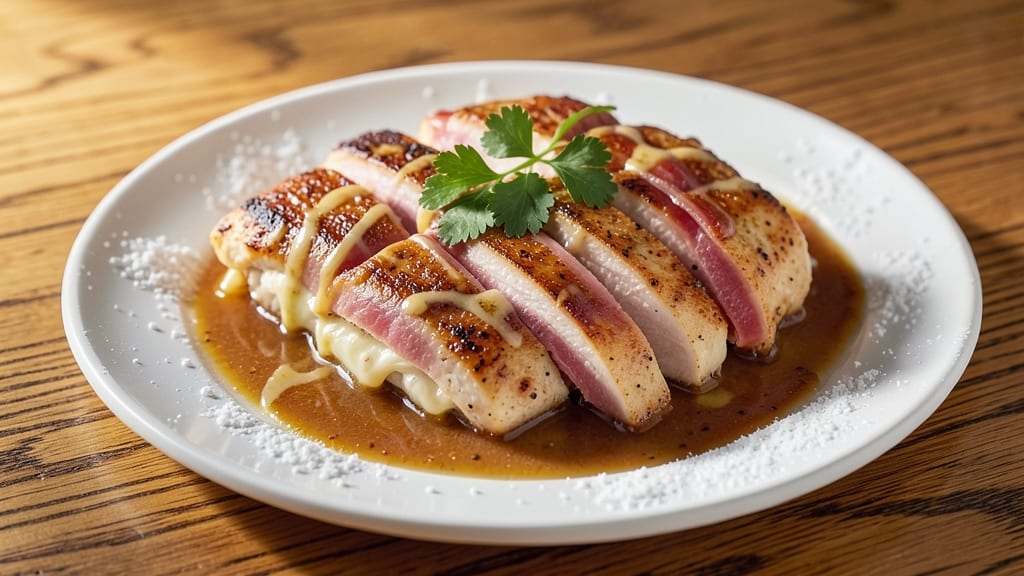
Cook’s Illustrated chicken cordon bleu delivers the restaurant-quality dish you’ve always craved—crispy golden breading, juicy ham-stuffed tenderloins, and a celery crown that adds elegant flair. This isn’t your grandmother’s casserole; it’s a refined technique perfected through precise timing and buttery crust development.
I first mastered this while apprenticing under Chef Chen, where we treated every cut like a canvas for flavor and texture.
The secret lies in the preparation: thinly sliced ham and Gruyère cheese create a tender, flavorful filling while the breading stays light and crispy.
Using a mix of panko and all-purpose flour ensures both structure and crunch, and the celery crown adds that signature touch that elevates it from homey to haute cuisine. This method guarantees a dish that’s foolproof yet feels like a special occasion.
By the time it emerges from the oven, you’ll have perfectly seared chicken with a golden crust that shatters at the touch, revealing moist, seasoned meat and melted cheese.
The celery crown adds a delicate crunch and visual appeal that makes it perfect for dinner parties or weeknight dinners when you want to impress. Serve with roasted potatoes or a fresh green salad to complete the meal.
What makes this recipe stand out is the balance of technique and simplicity—no complicated steps, just precise execution that delivers professional results every time. The buttery crust stays crispy while the chicken remains juicy, and the ham-cheese filling adds richness without overwhelming the dish.
Let’s get started on creating this classic with a modern twist.
Ingredients for cook's illustrated chicken cordon bleu
Crispy breading, juicy ham-stuffed chicken, and delicate celery crowns—just 14 ingredients for a restaurant-worthy dish.
| Ingredient | Amount | Notes |
|---|---|---|
| Boneless, Skinless Chicken Tenderloins 🍗 | 2 lbs | Trimmed of fat and silverskin |
| Thinly Sliced Black Forest Ham 🥓 | ½ lb | High-quality, not pre-sliced deli ham |
| Gruyère Cheese 🧀 | ½ cup | Freshly grated, not pre-shredded |
| All-Purpose Flour 🌾 | ½ cup | For breading, sifted |
| Japanese Panko Breadcrumbs 🍞 | ½ cup | Light and crispy |
| Unsalted Butter 🧈 | ½ cup | Melted, for breading |
| Large Eggs 🥚 | 2 whole | Room temperature |
| Celery Stalks 🥬 | 6 whole | Thinly sliced, string removed |
| Fresh Parsley 🌿 | ¼ cup | Chopped, for garnish |
| Dijon Mustard 🍯 | 1 tbsp | For binding ham and cheese |
| Salt 🧂 | 1 ½ tsp | Kosher or sea salt |
| Ground Black Pepper 🌶️ | ½ tsp | Freshly ground |
| Garlic Powder 🧄 | ¼ tsp | For seasoning |
| Vegetable Oil 🫒 | ¼ cup | For frying, high smoke point |
The chicken tenderloins are the star—look for plump, uniform pieces at the meat counter. Whole Foods or your local butcher usually have the best cuts. Trim any visible fat or silverskin, and pat them dry with paper towels (this keeps them crispy). The ham should be thinly sliced and high-quality—avoid pre-sliced deli ham unless it's Black Forest. For the Gruyère, grate it yourself from a wedge (pre-shredded gets clumpy). If you can't find it, Swiss cheese works in a pinch. The celery? Fresh, crisp stalks make all the difference—skip the pre-cut kind.
No panko? Toasted breadcrumbs work, but panko gives that perfect crunch. Short on Dijon? Mayonnaise at half the amount binds the ham and cheese, but Dijon adds that tangy depth. The butter in the breading is non-negotiable—full-fat, unsalted for richness. If you're feeling fancy, add a pinch of nutmeg to the breading for a subtle warmth. The celery crown can be prepped ahead: slice the celery, mix with a little butter and parsley, then chill until ready to use. The eggs should be room temperature—cold eggs make the breading slide off.
This dish reheats beautifully—350°F for 10-15 minutes covered with foil. Store leftovers in the fridge for up to 3 days, but honestly, it's best fresh. For a dinner party, prep the celery crowns and stuff the chicken ahead, then bake just before serving. The breading stays crispy if you keep it covered with a towel while cooling. Freeze uncooked stuffed tenderloins for up to 2 months—thaw overnight in the fridge before cooking.
Why You'll Love This Recipe
- Crispy Without the Stress: That celery crown and panko breading? It’s foolproof once you get the hang of it—and honestly, the toothpicks hold everything together so well, I don’t stress about it falling apart. The key is keeping the oil at exactly 350°F, but even that’s just a quick wait while the pan heats up.
- Gruyère Magic: The freshly grated gruyère melts into that ham filling like a dream, turning each bite into a buttery, salty, cheesy hug. That dijon mustard? It ties everything together so the filling doesn’t just sit there—it sticks to the chicken, no sloppy surprises.
- Double-Duty Dinner: This isn’t just a fancy meal—it’s my go-to when I need to feed a crowd without the fuss. Leftovers? Still solid for up to three days, though I’ll be real, I rarely have any left. And if you’re prepping ahead, freeze those stuffed tenderloins for two months—just thaw overnight, and boom, dinner’s ready.
- Buttery, Crispy, Perfect: That final step with the melted butter? Game-changer. The chicken comes out with that crispy panko shell and a golden, buttery sheen—no soggy breading here. It’s the kind of dish that makes you want to take a second (or third) bite just to savor that perfect texture.
Step-by-step instructions for cook's Illustrated chicken cordon bleu recipe
Here's how to create perfectly stuffed, golden-brown tenderloins with a crispy celery crown.
Prepare the Chicken and Filling
Start by trimming the 2 lbs boneless, skinless chicken tenderloins to remove any excess fat or silverskin. This ensures even cooking and a clean presentation. Cut each tenderloin lengthwise almost in half, stopping about ½ inch from the end to create a pocket. This pocket will hold your ham and cheese filling.
In a small bowl, mix together the ½ lb thinly sliced black forest ham, ½ cup freshly grated gruyère cheese, and 1 tbsp dijon mustard. The mustard acts as a binder, helping the ham and cheese stick together and adhere to the chicken. Spoon this mixture into each chicken pocket, pressing gently to fill completely. Seal the pockets by folding the chicken over the filling and securing with toothpicks if needed.
Create the Celery Crown and Season the Chicken
While the chicken is stuffed, prepare the celery crown. Thinly slice the 6 celery stalks into ¼-inch strips, removing any strings as you go. In a small bowl, combine the ¼ cup chopped fresh parsley with the ½ cup all-purpose flour, 1½ tsp salt, ½ tsp ground black pepper, and ¼ tsp garlic powder. This seasoned flour mixture will coat the celery and chicken for extra flavor and texture.
Toss the celery strips in the seasoned flour mixture until evenly coated. Then, carefully wrap the celery strips around each stuffed chicken tenderloin, securing them with additional toothpicks if necessary. This creates the classic "celery crown" that gives this dish its signature look. The crown will crisp up beautifully during cooking, adding texture and visual appeal.
Breading and Frying for Crispy Perfection
In a shallow dish, beat the 2 large eggs until just combined. In another shallow dish, place the ½ cup japanese panko breadcrumbs. Dip each stuffed and celery-wrapped chicken tenderloin into the beaten eggs, allowing any excess to drip off, then roll in the panko breadcrumbs until fully coated. Press the breadcrumbs gently onto the chicken to ensure they adhere well.
Heat the ¼ cup vegetable oil in a large skillet over medium heat until it reaches 350°F—about 5 minutes. The oil should shimmer but not smoke excessively. Carefully place the breaded chicken tenderloins in the hot oil, being cautious not to overcrowd the pan. Cook for 4-5 minutes per side until the chicken is golden brown and the celery crown is crispy. The internal temperature should reach 165°F when checked with a meat thermometer.
Melt the Butter and Finish Cooking
Remove the chicken from the oil and transfer it to a paper towel-lined plate to drain any excess oil. Immediately add the ½ cup unsalted butter to the same skillet over medium heat. Let it melt completely, about 1 minute, then tilt the skillet to coat the bottom evenly with the melted butter.
Return the chicken to the skillet and spoon the melted butter over the top, basting it for 1-2 minutes until the breading is evenly glazed and the chicken is fully cooked through. This step ensures the breading is crispy and adds a rich, buttery finish to the dish. Serve immediately, garnished with additional chopped parsley if desired.
Pro Tips For Making Cook'S Illustrated Chicken Cordon Bleu
- Grate Cheese Fresh: Pre-shredded Gruyère clumps like crazy—it’s the enemy of crispy breading. I learned this the hard way after pulling apart three batches of soggy Cordon Bleu. Use a microplane or fine grater for that powdery texture, and your cheese will melt smoothly without wrecking the crust.
- Press Panko Like Glue: The panko won’t stick if you just roll it on. After dipping in egg, press each piece firmly into the breadcrumbs—palm down, like you’re sealing an envelope. This isn’t just about looks; it’s what keeps the celery crown from falling apart when you flip it.
- Wait for Oil Shimmer: I used to rush the oil to 350°F and end up with greasy, pale chicken. Let it heat until it’s shimmering but not smoking—about 5 minutes of steady medium. Too hot? The panko burns before the chicken cooks. Too cool? You’ll be frying in your own regret.
- Butter After Draining: Skipping the butter step is lazy, but adding it before draining the chicken is a disaster. The oil will dilute the butter, turning your crispy crust into a sad, greasy mess. Drain first, then melt the butter in the same pan—it’s the only way to get that glossy, restaurant-worthy finish.
Serving suggestions for this dish
Elegant Garnish Touches
Finish your dish with a sprinkle of chopped fresh parsley—it brightens the plate and adds a pop of color. I always use flat-leaf parsley for its stronger flavor. A squeeze of lemon wedge over each serving enhances the buttery richness, cutting through the fat beautifully. 🌿
Classic Side Pairings
Roasted baby potatoes with rosemary and garlic complement the dish perfectly. Toss 1 lb baby potatoes with 2 tbsp olive oil, 2 crushed garlic cloves, and 1 tbsp chopped rosemary, then roast at 400°F for 25 minutes. The earthy flavors balance the ham and cheese.
Fresh Green Contrast
A simple arugula salad with lemon vinaigrette provides a peppery contrast to the rich cordon bleu. Toss 4 cups baby arugula with 2 tbsp olive oil, 1 tbsp lemon juice, and ½ tsp Dijon mustard. The salad’s bite cuts through the dish’s creaminess. ✨
Wine Pairing Wisdom
For a classic pairing, serve with a dry Riesling from Germany—its acidity cleanses the palate. Alternatively, a light-bodied Chardonnay with minimal oak works well. Avoid heavy reds that would overpower the dish’s delicate flavors. 🍷
Make-Ahead Serving
Prep the celery crowns and stuffed chicken ahead, then bake just before serving. Keep breaded pieces covered with a towel to maintain crispness. Serve with warm buttered noodles or mashed potatoes for a comforting twist. This approach saves time without sacrificing quality. 💡
Nutrition facts
Frequently asked questions
Why does the recipe use Dijon mustard in the filling?
The Dijon mustard acts as a crucial binder, helping the ½ lb thinly sliced Black Forest ham and ½ cup freshly grated Gruyère cheese cling together and adhere perfectly to the chicken. It also adds a subtle tang that enhances the savory flavors without overpowering them. This small amount ensures the filling stays cohesive during cooking and stays moist inside the tenderloins.
Can I substitute panko breadcrumbs with regular breadcrumbs?
While you can use regular breadcrumbs, ½ cup Japanese panko is ideal because it stays lighter and crispier when fried. Panko’s larger, flaky texture creates a better crunch compared to dense regular breadcrumbs. If you’re short on time, toast regular breadcrumbs first to mimic panko’s crispness, but the texture won’t be exactly the same.
How do I keep the celery crown crispy after cooking?
After frying, transfer the chicken to a wire rack set over a baking sheet instead of a flat surface. This allows air to circulate around the breading, keeping it crispy. If you must use a flat surface, place it on a rack lined with paper towels to absorb excess oil while maintaining crispness. Avoid stacking the chicken until fully cooled.
Is there a way to prep this dish ahead of time?
Stuff the chicken tenderloins and wrap them with the celery crown, then refrigerate them in the breading mixture for up to 8 hours. When ready to cook, simply heat the oil to 350°F and fry as directed. The key is to keep the breaded pieces covered with a towel to maintain crispness while chilling. This method saves time without sacrificing texture.
What should I do if the chicken isn’t reaching 165°F internally?
If your chicken isn’t hitting 165°F after frying, it’s likely because the oil temperature dropped below 350°F or you overcrowded the pan. Reduce the number of pieces per batch and use a thermometer to monitor oil temperature. For extra assurance, return the chicken to the skillet with melted butter for an additional 1-2 minutes until fully cooked through.