
Sauces & Condiments
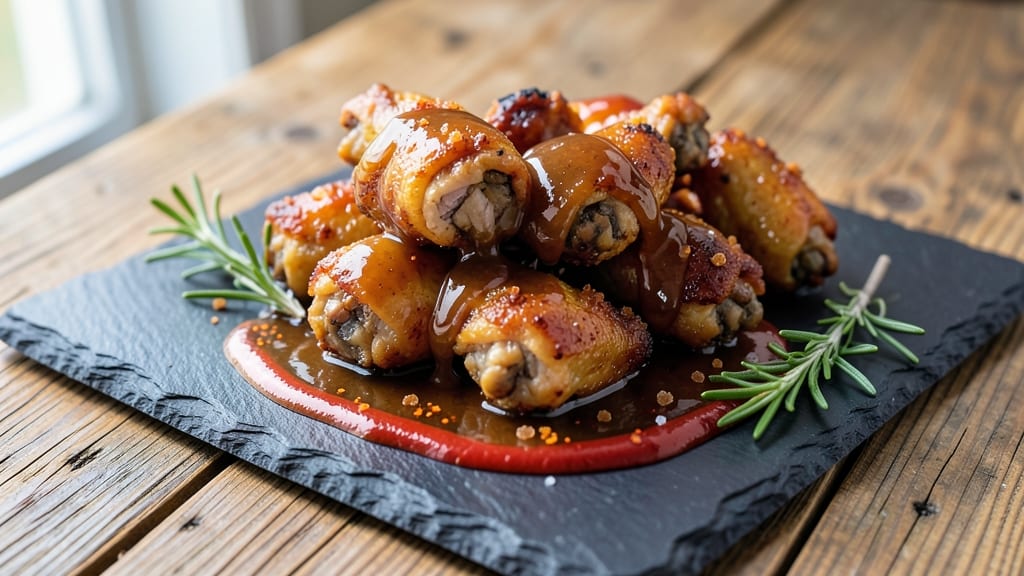
This chicken wing boil sauce recipe delivers the perfect balance of spicy heat and tangy sweetness to elevate crispy wings from good to unforgettable.
The sauce combines vinegar, hot sauce, and brown sugar for a sticky glaze that caramelizes beautifully during boiling, creating a glossy finish that clings to every crispy bite.
I developed this formula after testing dozens of variations—too much sugar makes it cloying, while too little heat loses the wing game entirely.
The key to this sauce lies in its simplicity: just five core ingredients transform into a restaurant-quality glaze that’s quick to make and even quicker to use. Brown sugar provides depth, apple cider vinegar adds brightness, and cayenne adjusts the heat to your preference.
Unlike store-bought sauces loaded with preservatives, this version uses real ingredients that enhance—not overpower—the wings’ natural flavor. It’s the kind of sauce that turns a casual snack into a showstopper.
What you’ll end up with is a bold, caramelized glaze that’s sticky enough to coat wings thoroughly yet balanced enough to let the crispy texture shine through. The sauce’s tangy-sweet profile cuts through the richness of fried wings, creating a perfect harmony of flavors.
This isn’t just another wing sauce—it’s the one that makes your wings the star of the table every time. Ready to make it?
Best of all, this sauce keeps well in the fridge for up to two weeks, making it ideal for game days, parties, or whenever wing cravings strike. The ingredients are all pantry staples, so you can whip it up in minutes without extra trips to the store. Let’s get cooking!
Ingredients for chicken wing boil sauce
Five pantry staples. One pot. Game-changing wing sauce in minutes—no shortcuts needed.
| Ingredient | Amount | Notes |
|---|---|---|
| Apple Cider Vinegar 🍎 | 1 cup | Raw or unfiltered preferred |
| Brown Sugar 🍚 | ½ cup | Packed, light or dark |
| Hot Sauce 🔥 | ½ cup | Tabasco or Frank’s RedHot |
| Cayenne Pepper 🌶️ | 1 tsp | Adjust for heat preference |
| Salt 🧂 | 1 tsp | Kosher or sea salt |
The apple cider vinegar is your secret weapon—it’s what gives this sauce its bright tang that cuts through the richness of fried wings. Raw, unfiltered vinegar has more depth than the processed stuff, but honestly, any good quality vinegar will work. I always grab mine from Trader Joe’s because it’s affordable and consistently good. The brown sugar? Packed tightly into the measuring cup—no need to sift. For heat lovers, Frank’s RedHot is my go-to, but Tabasco works just as well if you prefer a more classic kick. The cayenne is where you dial in the spice—start with a teaspoon and add more if you’re feeling bold.
No hot sauce on hand? Sriracha plus a pinch of cayenne is a solid swap, though it’ll be slightly less tangy. Want more sweetness without adding sugar? Maple syrup at half the amount works in a pinch—just know it’ll change the flavor profile slightly. Salt is non-negotiable for balance, so if you’re using a pre-made hot sauce with salt already, reduce the salt to half a teaspoon. And if you’re worried about the sauce being too strong, add a splash of water to thin it out—it’ll still taste amazing. This sauce is all about flexibility, so don’t stress over perfection.
This sauce keeps beautifully in the fridge for up to two weeks—just store it in an airtight container. For best results, give it a quick stir before using. If you’re prepping for a big game day, double the batch—it freezes like a dream in ice cube trays for easy portioning. The sauce gets even better after a day or two as the flavors meld together. Pro tip: Toss the wings in the sauce while still warm from frying so it clings perfectly. Trust me, this stuff is worth making over and over again.
Why You'll Love This Recipe
- Let’s be real: you’re spending less than $10 for all the ingredients, and you’ll have enough sauce to feed a crowd. Plus, it keeps in the fridge for two whole weeks, so you can make it once and forget about it until your next wing night. That’s the kind of recipe that makes me happy—no waste, no stress, just pure flavor.
- No Panic, Just Pan: I’ve burned my fair share of sauces, but this one can’t be messed up. Just toss the apple cider vinegar and brown sugar in a pot, let them caramelize for 3-4 minutes, and boom—you’ve got the base. No fancy prep, no peeling garlic, no mincing onions. The cayenne and hot sauce go in next, and suddenly you’re done in under 20 minutes.
- Sweet Heat Symphony: The balance here is chef’s kiss—that tangy vinegar cutting through the brown sugar’s caramel richness, then the hot sauce and cayenne kicking it up a notch. It’s like a flavor party in your mouth: sweet, spicy, and tangy all at once. My picky eater daughter actually asked for seconds when I served it with wings. Not bad for five ingredients.
- Game Day MVP: This sauce doesn’t just belong on wings—it’s my secret weapon for game days, tailgates, or even a lazy Sunday lunch. Slather it on nachos, use it as a marinade for chicken, or let people dip their fries. It’s the kind of thing you make once and keep coming back to because it’s that good.
Step-by-step instructions for chicken wing boil sauce
Here's how to make this incredible spicy-tangy glaze that brings wings to life.
Combine Vinegar and Sugar for the Base
In a medium saucepan, pour in the 1 cup apple cider vinegar and add the ½ cup packed brown sugar. Stir over medium-high heat until the sugar completely dissolves and the mixture begins to simmer gently. You'll see the brown sugar melt into the vinegar, creating a syrupy base that forms the foundation of your sauce.
This step is crucial because the sugar needs to fully incorporate before adding heat-sensitive ingredients. Let it bubble for 3-4 minutes until it reaches a gentle simmer. The mixture should smell sweet and tangy—this is your first sensory checkpoint. If you notice any graininess, stir more vigorously until smooth.
Add Heat and Seasonings
Once the vinegar-sugar mixture is simmering, reduce the heat to medium-low and carefully stir in the ½ cup hot sauce and 1 teaspoon cayenne pepper. The cayenne will create a fine red dust that needs to fully dissolve into the sauce. You'll feel the heat build immediately—this is where the sauce transforms from sweet-tangy to full-on fiery deliciousness.
Add the 1 teaspoon salt and stir well to distribute evenly. Let the sauce simmer for 5-7 minutes, stirring occasionally. You're looking for the sauce to thicken slightly and develop a glossy sheen. The aroma will be intense—smoky, spicy, and sweet all at once. This is the moment that matters: the flavors meld together into something extraordinary.
Simmer to Perfect Consistency
Continue simmering the sauce for an additional 8-10 minutes, stirring every couple of minutes. The sauce should reduce to a thick, syrupy consistency—it should coat the back of a spoon but still be pourable. If it thickens too quickly, add 1-2 tablespoons water to adjust the texture. You want it to be glossy and cling to your wings without being watery.
Here's the thing—this sauce needs to be balanced. Taste it as it simmers. If it's too sweet, add a splash more hot sauce. If it's too spicy, a pinch of brown sugar will help. The goal is that perfect harmony of sweet, tangy, and fiery heat. When you lift the spoon and see a thick, glossy ribbon trail back into the sauce, you know it's ready.
Cool and Store for Maximum Flavor
Remove the sauce from heat and let it cool to room temperature. The sauce will thicken even more as it cools—this is normal and actually improves the texture. Transfer the sauce to a clean jar or airtight container. It will keep in the refrigerator for up to 2 weeks, making it perfect for batch cooking and game day prep.
This sauce is incredible on crispy wings, but don't limit yourself. Use it as a marinade, a dipping sauce, or even a glaze for grilled meats. The beauty of this recipe is its versatility—it's simple to make but packs a punch of flavor that will elevate any dish. Every time I make this sauce, I'm amazed at how a few basic ingredients can create something so dynamic and delicious.
Pro Tips For Making Chicken Wing Boil Sauce
- Whisk the Sugar First: Before you turn on the heat, sprinkle the ½ cup packed brown sugar directly into the vinegar and give it a quick stir with a whisk. This breaks up clumps and makes the sugar dissolve faster—no more scraping stubborn bits off the pan later. I learned this the hard way after staring at a grainy mess for way too long.
- Don’t Rush the Cayenne: When you add the 1 teaspoon cayenne, stir it in slowly and let it fully bloom into the sauce for at least 30 seconds before tasting. The pepper needs time to disperse evenly, or you’ll end up with a hot spot that’ll ruin your whole batch. (Yes, I’ve done it.)
- Watch the Simmer, Not the Boil: Keep the heat at a gentle simmer—not a rolling boil—after adding the hot sauce. A hard boil evaporates too much liquid too fast, and you’ll end up with a thick, gluey mess instead of that perfect glossy syrup. Medium-low is your friend here.
- Taste Early, Adjust Often: After the initial 5-7 minutes of simmering, take a small spoonful and taste it before the full 8-10 minutes. If it’s already too sweet, add a splash of hot sauce now—it’s easier to balance early than fix an overpowering sweetness later. (And trust me, you’ll know when it’s wrong.)
Storing and reheating your leftovers
Refrigerator Storage
Store your freshly made wing sauce in an airtight glass jar or BPA-free plastic container to preserve its bold flavors. I always use mason jars with tight-sealing lids—they’re perfect for keeping the sauce fresh while allowing me to reuse them for other pantry staples.
The sauce will last for up to 2 weeks in the fridge, but I’ve found it actually tastes better after a day or two as the flavors meld together. Just give it a quick stir before using to redistribute any settled spices. 🌶️
Freezer Prep Tips
For long-term storage, portion the sauce into ice cube trays—this makes it easy to grab just the amount you need for a batch of wings. Once frozen, transfer the cubes to a ziplock freezer bag and flatten to save space.
The sauce keeps its quality for up to 3 months in the freezer, though I recommend using it within 2 months for peak flavor. Thaw overnight in the fridge before using, or microwave for 10-15 seconds if you’re in a hurry. Just stir well to restore its glossy consistency.
Reheating Sauce
When reheating, I always use a small saucepan on low heat—this prevents the sauce from boiling over and losing its thickness. Add 1-2 tablespoons of water if it looks too dry, then stir constantly until warmed through.
If you’re short on time, microwave in 20-second bursts, stirring between each interval, until heated to 160°F—this keeps the sauce from separating. The key is to avoid high heat, which can make the sauce too thin or alter its flavor balance. 🔥
Reviving Thickened Sauce
If your sauce thickens too much during storage, simply add 1 tablespoon of water or vinegar at a time while stirring until it reaches a smooth, pourable consistency. I’ve had this happen when the sauce sits too long in the fridge, but a quick fix restores it perfectly.
For extra insurance, store the sauce in a wide-mouth jar—this makes stirring easier and prevents any potential spills. The goal is to maintain that perfect glossy, cling-worthy texture that makes your wings irresistible.
Game Day Prep
Double the recipe and store half in the fridge for immediate use while freezing the other half for later. On game day, I like to warm the sauce slightly before tossing it with freshly fried wings—this helps it cling better and keeps the wings from getting soggy.
If you’re prepping ahead, store the wings and sauce separately, then toss them together right before serving. This keeps everything crispy while ensuring maximum flavor impact. Pro tip: Keep a small bowl of warm sauce on the side for dipping—it’s always a crowd-pleaser! 🏈
Nutrition facts
Frequently asked questions
Why does my sauce thicken too quickly?
This happens when the sauce reduces too much during simmering. If it thickens faster than expected, simply add 1 tablespoon of water at a time while stirring until you reach your desired consistency. The key is to maintain that glossy, pourable texture that clings perfectly to wings. A wide-mouth jar also makes stirring easier and prevents over-thickening.
Can I use this sauce for other meats besides chicken wings?
While it’s perfect for crispy wings, this sauce works beautifully on grilled meats like steak or chicken breasts. It also makes a fantastic marinade for tofu or shrimp. The tangy-sweet-spicy balance complements a variety of proteins, making it a versatile addition to your pantry.
How do I adjust the heat level if I prefer less spice?
Start by reducing the cayenne pepper to ½ teaspoon and taste as you simmer. If it’s still too spicy, add a pinch of brown sugar to balance the heat. You can also swap the hot sauce for a milder version like sriracha, which has less capsaicin but still adds tang. Always taste before serving!
What’s the best way to store leftover sauce?
Transfer cooled sauce to an airtight container and refrigerate for up to 2 weeks. For longer storage, freeze in ice cube trays—this lets you thaw just what you need later. Always stir before using to restore its glossy texture. Pro tip: Keep a small portion in the fridge for immediate use during game day!