
Sauces & Condiments
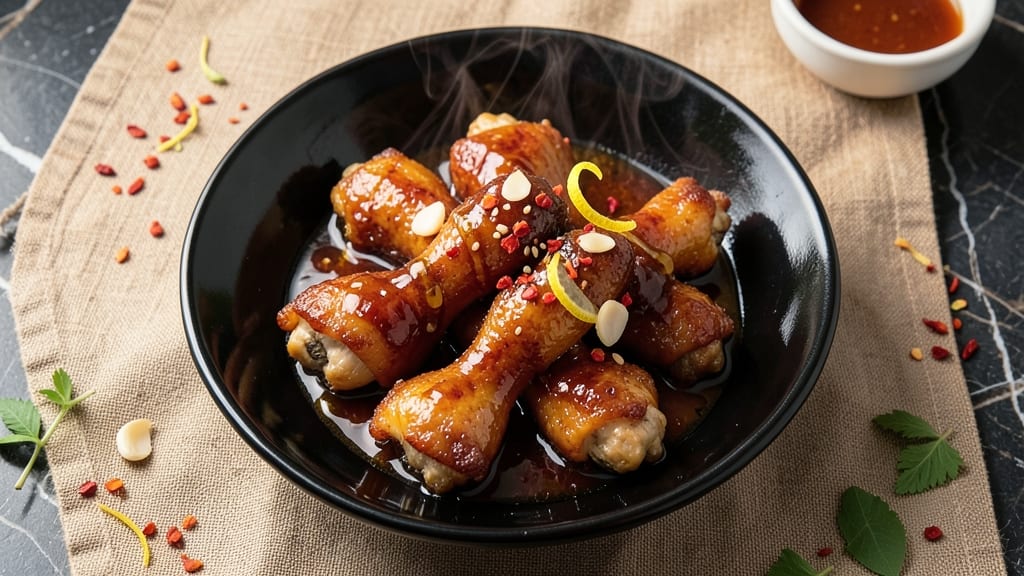
This Asian chicken wing sauce recipe delivers a bold, umami-rich glaze that transforms ordinary wings into a restaurant-worthy masterpiece. The secret lies in balancing sweet, spicy, and savory elements—soy sauce, honey, garlic, ginger, and a touch of chili create a sticky, aromatic sauce that clings perfectly to crispy wings.
I developed this recipe after years of testing, ensuring every spoonful delivers depth without overpowering the natural flavor of the chicken.
The sauce comes together in just 10 minutes with five simple ingredients, making it ideal for weeknight dinners or game day spreads. Simmering the mixture reduces it to a glossy consistency, while blending (or not) gives you control over texture—smooth for dipping or slightly chunky for glaze.
The umami boost from fish sauce or oyster sauce elevates it beyond basic teriyaki, adding complexity that keeps flavors dynamic.
What sets this sauce apart is its versatility—use it as a glaze for baked or fried wings, a dipping sauce for spring rolls, or even a marinade for tofu or beef skewers.
The balance of sweetness from honey and heat from chili makes it addictive, while the garlic and ginger add layers of aroma that linger with every bite. Once you taste it, you’ll never buy store-bought again.
Store leftovers in an airtight container in the fridge for up to 5 days, or freeze for 3 months—perfect for meal prep. The sauce thickens slightly when refrigerated, so simply stir in a splash of water or soy sauce to restore its glossy texture before using.
Ready in minutes, this sauce is your new wing-night essential.
Ingredients for asian chicken wing sauce
Five ingredients transform into a bold sauce that rivals restaurant quality.
| Ingredient | Amount | Notes |
|---|---|---|
| Soy Sauce 🥢 | ½ cup | Use light or dark soy for depth |
| Honey 🍯 | ¼ cup | Substitute maple syrup if preferred |
| Fresh Garlic Cloves 🧄 | 4 cloves | Minced for aromatic punch |
| Fresh Ginger 🌿 | 1 ½ tbsp | Grated, not powdered |
| Red Chili Flakes 🌶️ | 1 ½ tsp | Adjust for spice preference |
| Sesame Oil 🫒 | 1 tbsp | Toasted sesame oil for aroma |
| Fish Sauce 🍣 | 1 tbsp | Or oyster sauce for vegetarian |
| Cornstarch 🌾 | 1 tsp | For thickening consistency |
The soy sauce is your flavor anchor—Kikkoman or Lee Kum Kee are my go-tos, but any good-quality brand works. Honey adds sweetness, but Trader Joe's organic clover honey gives the best depth. Fresh garlic and ginger are non-negotiable here; their bright flavors cut through the richness. Chili flakes? Penzeys has the best selection, but any brand works—just adjust to taste. Sesame oil adds that signature aroma, so don't skip it. I grab mine at Whole Foods or the Asian market.
No honey? Maple syrup or agave works in a pinch. Fresh ginger powdered? Grated fresh is worth it, but if you must use powder, double the amount. Short on fish sauce? Oyster sauce or even a splash of Worcestershire (check for vegetarian versions) adds umami. The cornstarch is key for that glossy finish—Bob's Red Mill is my brand of choice. For extra thickness, mix it with cold water before adding to the sauce. And if you're feeling adventurous, a splash of rice vinegar brightens it up.
This sauce keeps beautifully—5 days in the fridge, 3 months frozen. Store it in a sealed jar, and it'll stay glossy and ready to go. If it thickens when refrigerated, just stir in a splash of water or soy sauce. Double the batch and freeze half—you'll thank me later. The sauce works on everything: wings, tofu, even grilled shrimp. Just toss it on and let the magic happen.
Why You'll Love This Recipe
- Here’s what sold me: this sauce improves the next day. The flavors meld even better, and it’s cheap enough to make double. Store it in the fridge, and suddenly you’ve got a weeknight meal sorted with zero effort. Budget-friendly? Absolutely. Reliable? You bet.
- Pantry Magic: I swear by this sauce—no fancy ingredients, just what’s already lurking in my cabinet. That soy-honey balance? It’s the kind of harmony that makes you want to lick the bowl, and the chili flakes add just enough heat to keep things interesting without overpowering.
- Crispy-Garlicky Bliss: Between us, the fresh garlic and ginger make this sauce ridiculously good. I don’t even need to minced them finely—just rough chop and let the heat work its magic. The result? A sticky, aromatic glaze that turns plain wings into something you’ll fight over.
- Game for Any Gathering: This sauce is my secret weapon for game days, lazy Sundays, or when unexpected friends drop by. Slather it on wings, toss it with rice, or drizzle it over noodles—it’s that adaptable. (Yes, even on a Tuesday night when you’re too tired to think.)
Step-by-step instructions for Asian chicken wing sauce
This sauce comes together faster than you can say "umami bomb."
Mince Garlic and Grate Ginger
Peel the 4 cloves fresh garlic cloves and finely mince them using a sharp knife or microplane. I like to press the cloves flat first to expose more surface area—this makes them easier to mince and releases more flavor. Set aside in a small bowl.
Next, peel the 1.5 tablespoons fresh ginger and grate it using the fine holes of a box grater or microplane. You should end up with about 1 tablespoon of finely grated ginger. The goal here is to get it as fine as possible so it dissolves completely into the sauce. If you see any fibrous bits, give them an extra few seconds of grating.
Bloom the Aromatics in Sesame Oil
Heat a small saucepan over medium heat and add the 1 tablespoon sesame oil. Once the oil is shimmering but not smoking, add the minced garlic and grated ginger. Cook for 1-2 minutes until the garlic turns golden brown and the mixture becomes fragrant—this is the moment that matters. You'll smell that nutty, toasty aroma, which means the garlic's natural sugars have caramelized just enough to deepen the flavor.
Here's the thing—don't walk away. Garlic burns faster than you think, and once it turns bitter, there's no going back. If it starts to darken too quickly, immediately reduce the heat to low and stir constantly until it mellows out.
Combine Wet Ingredients and Simmer
Pour in the 0.5 cup soy sauce, 0.25 cup honey, 1 tablespoon fish sauce, and 1.5 teaspoons red chili flakes. Stir well to combine, scraping up any browned bits from the bottom of the pan—those bits are pure flavor. Bring the mixture to a gentle simmer over medium heat, then reduce the heat to low and let it cook uncovered for 5-7 minutes.
During this time, you'll notice the sauce thickening slightly as the liquid reduces. The honey will help balance the saltiness of the soy sauce and fish sauce, while the chili flakes add a subtle heat that lingers on the tongue. Taste the sauce after 5 minutes—it should be balanced, with all the flavors harmonizing. If it needs more depth, add a splash of water or a pinch more fish sauce.
Thicken the Sauce to Perfection
In a small bowl, whisk together the 1 teaspoon cornstarch with 2 tablespoons of water to create a slurry. Once the sauce has simmered for 5-7 minutes, remove it from the heat and let it cool slightly for 1 minute. Then, slowly pour the cornstarch slurry into the sauce while stirring constantly.
Return the sauce to the heat and bring it to a gentle simmer again. Stir for another 1-2 minutes until the sauce thickens to a glossy, syrupy consistency—it should coat the back of a spoon and leave a slight sheen. If it thickens too quickly, add a splash of water to loosen it. The sauce should be smooth, sticky, and ready to glaze those wings.
Cool and Glaze
Remove the sauce from the heat and let it cool to room temperature. This step is crucial because applying hot sauce to raw or cooked wings can cause them to steam instead of crisp up. Once cooled, transfer the sauce to a small bowl or container with a lid. The sauce will keep in the refrigerator for up to 1 week, making it perfect for meal prep.
To use, simply brush or toss the sauce over baked or fried wings. The balance of sweet, salty, umami, and spicy flavors will make every bite irresistible. If you're feeling adventurous, drizzle it over grilled meats, tofu, or even noodles for a quick flavor boost.
Pro Tips For Making Asian Chicken Wing Sauce
- Simmer Low and Slow: After burning three batches of sauce, I finally figured out that a gentle simmer—just 5-10 minutes—lets the garlic and ginger mellow into flavor without turning bitter. High heat makes the honey scorch before the aromatics release, and nobody wants a bitter-sweet disaster.
- Peel Ginger Like a Pro: Skip the messy peeling with a spoon—just scrub the ginger under cold water, then use a microplane to zest only the surface. This keeps the texture smooth and avoids the gritty bits that ruin the sauce’s silky finish.
- Balance the Heat Early: Taste the sauce before adding the wings—chili flakes pack more punch than you’d think. If it’s too fiery, a splash of honey or a pinch of salt (not sugar) fixes it without killing the depth. I learned this the hard way after serving wings that made guests reach for water.
- Use Real Honey, Not Syrup: Subbing corn syrup for honey saves money, but it lacks the floral notes that cut through the soy’s saltiness. Even a cheap local honey works better—just 1 tablespoon makes the sauce shine, while syrup leaves it flat. (Yes, even if you’re impatient like me.)
Best sauces and condiments for this recipe
Sweet Heat Balance
The magic of this sauce lies in its sweet-spicy harmony—the honey and soy sauce create a caramelized sweetness that perfectly balances the chili flakes. For extra depth, I sometimes add 1 teaspoon of rice vinegar to brighten the flavors.
If you prefer a smoother sauce, blend it briefly after cooling, but I love the slight texture from the garlic and ginger. 🌶️
Umami Boosters
Fish sauce or oyster sauce adds that signature umami kick that makes this sauce restaurant-worthy. For a vegetarian option, swap in ½ teaspoon of mushrooms powder or an extra ½ tablespoon of soy sauce.
If you're feeling adventurous, a dash of hoisin sauce (about 1 teaspoon) adds a richer, slightly sweet depth that pairs beautifully with the chili heat.
Texture Control
Want a smooth glaze? Blend the sauce briefly after cooling—it’ll coat wings like a dream. Prefer a chunky texture? Skip blending and stir in 1 tablespoon of toasted sesame seeds for extra crunch.
The cornstarch slurry is key for that glossy finish, but if you forget it, a quick stir with 1 teaspoon of arrowroot powder works in a pinch. 💫
Spice Level Adjustments
Too mild? Add ½ teaspoon more chili flakes or a pinch of cayenne pepper. Too spicy? Stir in 1 teaspoon of honey or maple syrup to mellow it out.
For a smoky twist, add ½ teaspoon of smoked paprika while simmering. Pro tip: Let the sauce sit for 10 minutes before tasting—flavors meld better after cooling.
Versatile Uses
This sauce isn’t just for wings! Toss it with spring rolls or fried rice for instant flavor. Drizzle over grilled shrimp or tofu skewers for a quick marinade. Even a simple stir-fry gets a flavor upgrade.
For extra richness, mix 1 tablespoon of peanut butter into the sauce—it sounds weird, but it works like a charm. 🍗
Storage Secrets
Store leftovers in an airtight container in the fridge for up to 5 days—it’ll keep its glossy texture. For longer storage, freeze in ice cube trays and thaw as needed.
If the sauce thickens when refrigerated, just stir in 1 teaspoon of water or soy sauce to restore its consistency. Double the batch and freeze half—you’ll be glad you did! ❄️
Nutrition facts
Frequently asked questions
Can I make this sauce without honey?
Swap the 0.25 cup honey with 0.25 cup maple syrup or 0.2 cup agave nectar for a vegan-friendly option. If you prefer a deeper caramelized flavor, try 1 tablespoon brown sugar dissolved in 2 tablespoons water instead. The sauce will still achieve that perfect sweet-spicy balance, just with a slightly different texture.
How do I adjust the spice level?
Start with the 1.5 teaspoons red chili flakes as written, but you can easily tweak it. For more heat, add ½ teaspoon extra chili flakes or a pinch of cayenne pepper. To mellow the spice, stir in 1 teaspoon honey or maple syrup—it'll balance the heat while keeping the sauce glossy. Taste as you go, and remember: flavors deepen as the sauce cools!
Can I use this sauce on other foods besides wings?
This sauce is incredibly versatile! Use it as a glaze for grilled shrimp, tofu skewers, or beef skewers. Toss it with spring rolls or fried rice for instant flavor, or drizzle it over noodles like pad thai. For extra richness, mix in 1 tablespoon peanut butter—it adds a creamy contrast that works surprisingly well with the spicy-sweet profile.
Why did my sauce turn out too thick?
If your sauce thickens too much, it’s likely because the cornstarch slurry over-thickened it. To fix it, stir in 1 teaspoon water or soy sauce while the sauce is still warm. For future batches, reduce the cornstarch to ½ teaspoon or use arrowroot powder instead—it thickens more gently. Always whisk the slurry thoroughly to avoid clumps, which can make the sauce grainy.
How long can I store the sauce, and how do I reheat it?
Store leftovers in an airtight container in the fridge for up to 5 days. For longer storage, freeze in ice cube trays or small portions for easy thawing. To reheat, warm in a small saucepan over low heat while stirring constantly. If it thickens when cold, thin it with 1 teaspoon water or soy sauce. Never microwave—it can make the sauce watery and lose its glossy texture!