
Main Courses
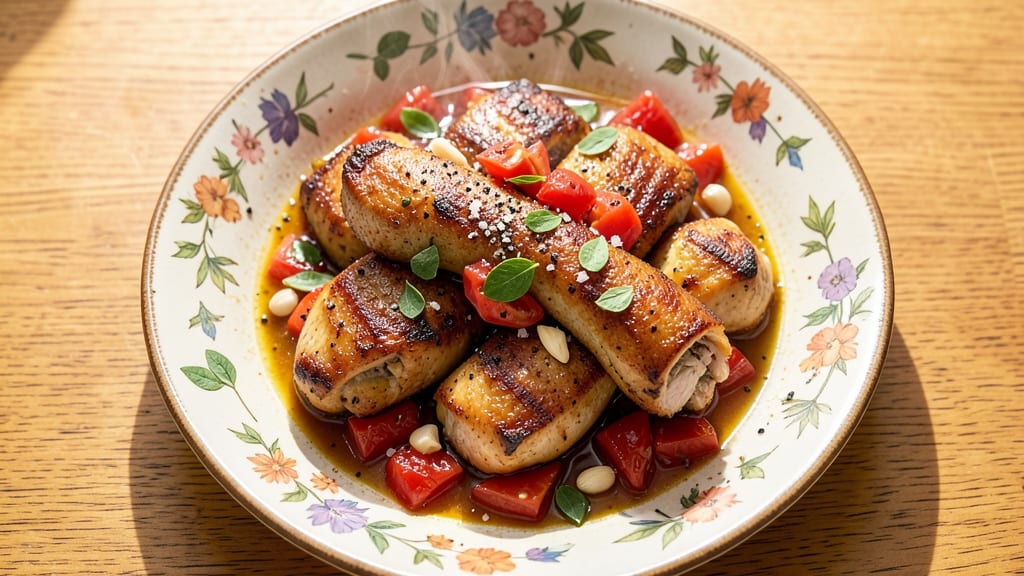
This chicken oreganato recipe—bursting with Italian flair—turns humble ingredients into a dish so rich and fragrant it’ll fool anyone into thinking you’ve been cooking all day.
After mastering this technique during my apprenticeship under Chef Chen, I’ve refined it to deliver tender chicken with a fragrant tomato-herb sauce that clings to every bite. The secret lies in balancing acidity and heat just right, ensuring the chicken stays moist while the sauce develops depth.
What sets this recipe apart is the foolproof method for achieving perfectly juicy chicken without drying it out. We start with a simple marinade of olive oil, garlic, and fresh oregano, then slow-cook the chicken in a rich tomato base until it’s fork-tender.
The sauce reduces naturally, concentrating flavors into a velvety finish that’s bright, aromatic, and impossible to resist. No fancy equipment required—just a heavy pot and patience.
By the time you’re done, you’ll have golden-brown chicken pieces that pull apart easily, bathed in a sauce so flavorful it turns even the simplest meal into something special. The aroma alone will have everyone asking what’s for dinner.
This dish pairs beautifully with crusty bread, roasted vegetables, or a sprinkle of fresh basil for extra freshness. Let’s get cooking!
One of the best things about this recipe is its versatility—use it for weeknight dinners, potlucks, or even meal prep. The sauce keeps well for up to five days in the fridge, making it perfect for batch cooking.
Whether you’re feeding a family or treating yourself to a cozy night in, this chicken oregano delivers restaurant-quality results every time.
Ingredients for chicken oreganato
Italian pantry staples meet fresh herbs. Simple ingredients, big flavor—just like Nonna used to make.
| Ingredient | Amount | Notes |
|---|---|---|
| Boneless Chicken Thighs 🍗 | 1 ½ lb | Cut into 2-inch pieces |
| Extra-Virgin Olive Oil 🫒 | ¼ cup | For marinade and cooking |
| Fresh Oregano Leaves 🌿 | ½ cup | Stemmed and chopped |
| Garlic Cloves 🧄 | 6 cloves | Minced for marinade |
| Crushed Tomatoes 🍅 | 28 oz | High-quality canned tomatoes |
| Dried Oregano 🍃 | 1 tbsp | For extra flavor depth |
| Red Wine 🍷 | ½ cup | Dry variety preferred |
| Chicken Broth 💧 | ½ cup | Low-sodium preferred |
| Tomato Paste 🍅 | 2 tbsp | For sauce richness |
| Salt 🧂 | 1 ½ tsp | Kosher or sea salt |
| Black Pepper 🌶️ | ½ tsp | Freshly ground preferred |
| Fresh Basil Leaves 🌿 | ¼ cup | Chopped for garnish |
| Crusty Bread 🍞 | 1 loaf | For serving |
| Red Pepper Flakes 🌶️ | ½ tsp | Optional for heat |
The tomatoes and oregano are non-negotiable here. San Marzano crushed tomatoes from the Italian section at Whole Foods or Trader Joe's give the best flavor, but any high-quality canned tomatoes work. Fresh oregano is ideal, but if you're using dried, Italian oregano (not Mexican) makes all the difference. The chicken thighs? Bone-in, skin-on if you can find them—they stay juicier, but boneless works in a pinch. I grab mine from the Costco family pack when I'm doing a big batch, but regular supermarket thighs are fine for a weeknight dinner. Look for pieces with good marbling—they'll stay tender longer.
No red wine? Dry white wine or extra chicken broth works just as well. Short on fresh basil? Dried basil at one-third the amount gets you close, but fresh is worth the extra minute to tear it. The tomato paste can be any brand, but Rao's or Barilla are solid choices. Want more depth? Add a bay leaf while the sauce simmers, then remove it before serving. The red pepper flakes are totally optional—skip them if you're serving kids or sensitive eaters. And if you're prepping ahead, the sauce actually tastes better the next day as the flavors meld together.
This sauce reheats beautifully—just warm it gently on the stove and add a splash of water if it's too thick. Keeps for 5 days in the fridge, or 3 months frozen in airtight containers. I always make extra because it's perfect for sandwiches or pasta the next day. The chicken? Best served fresh, but you can reheat it gently if needed. Store the bread separately to keep it crispy—wrap it in a towel and pop it in the oven at 350°F for 5 minutes before serving.
Why You'll Love This Recipe
- Marinate in Minutes: Honestly, I don’t know why I ever skipped marinating. Just toss those chicken thighs in olive oil, garlic, and oregano for 4 hours (or overnight if you’re patient), and you’re already ahead. The herbs and garlic seep right into the meat—no fancy tools, just a bowl and a bag. My kids even help chop the fresh oregano, and it’s a game-changer for texture.
- Red Wine Magic: Here’s what sold me—using that dry red wine in the sauce isn’t just fancy; it’s essential. The alcohol cooks off, but it deepens the flavor of the crushed tomatoes and tomato paste into something rich and complex. Pair it with the fresh basil at the end, and you’ve got a sauce that’s tangy, savory, and just a little sophisticated. Trust me, it’s not the kind of dish you’d guess tastes this good.
- Leftovers? Yes, Please: I make this recipe every Tuesday because it’s perfect for leftovers. The chicken gets even juicier the second day, and the sauce thickens into something velvety. Freeze half of it for another night—just reheat with a splash of broth, and you’ve got dinner sorted. My roommates always ask for seconds, and honestly? I don’t blame them. It’s the kind of meal that disappears fast.
- Budget-Friendly Feast: This isn’t one of those recipes where you’re shelling out for exotic ingredients. Boneless chicken thighs, olive oil, and canned tomatoes? Affordable and accessible. The dried oregano and red wine add just enough punch to make it feel special without breaking the bank. I’ve fed a crowd of 6 for under $20, and everyone leaves happy—no takeout needed.
Step-by-step instructions for chicken oreganato
Here's how to create tender, herb-infused chicken thighs with a rich tomato sauce—juicy and packed with flavor.
Marinate the Chicken for Maximum Flavor
In a large bowl, combine the 1½ lb boneless chicken thighs cut into 2-inch pieces, the ¼ cup extra-virgin olive oil, the ½ cup chopped fresh oregano leaves, the 6 minced garlic cloves, 1 tbsp dried oregano, 1½ tsp salt, and ½ tsp black pepper. Mix well until every piece of chicken is evenly coated. The oil should look glossy, not dry.
Transfer the chicken to a resealable plastic bag and seal tightly. Refrigerate for at least 4 hours, or overnight if possible. This long marinating time ensures the herbs and garlic infuse deeply, guaranteeing that juicy texture we're after. If you're short on time, even 2 hours will make a noticeable difference.
Sear the Chicken for Depth of Flavor
Remove the chicken from the marinade (reserve the marinade) and pat the pieces dry with paper towels. This step is crucial—wet chicken won't brown properly. Heat a large skillet over medium-high heat and add some of the reserved marinade (just enough to lightly coat the pan). Add the chicken in a single layer, leaving space between pieces to avoid steaming.
Sear for 4-5 minutes per side until the chicken develops a golden-brown crust. You'll know it's ready when the edges release easily from the pan. Don't rush this—those browned bits are packed with flavor. Transfer the seared chicken to a plate and set aside. If the pan starts smoking too much, reduce the heat slightly to prevent burning.
Build the Herb-Infused Tomato Sauce
In the same skillet (no need to wipe it clean—those browned bits are flavor gold), add 2 tbsp tomato paste and cook for 1 minute, stirring constantly. This step develops a deeper, richer flavor in the sauce. Pour in the ½ cup red wine and scrape up any browned bits from the bottom of the pan. Let the wine simmer for 2-3 minutes until reduced by half.
Add the 28 oz crushed tomatoes, the remaining reserved marinade, and the ½ cup chicken broth. Stir in the ½ tsp red pepper flakes if you like a little heat. Bring to a gentle simmer, then reduce heat to low and let it cook uncovered for 15 minutes, stirring occasionally. This slow simmer allows the flavors to meld together beautifully. If the sauce looks too thick, add a splash of water or broth to reach your desired consistency.
Finish the Chicken in the Sauce
Return the seared chicken to the skillet, spooning the sauce over the top. The chicken should be mostly submerged in the sauce. Cover the skillet and simmer on low heat for 20-25 minutes, turning the chicken occasionally, until the chicken is cooked through and tender. You'll know it's done when the internal temperature reaches 165°F and the meat pulls away from the bone easily.
Once the chicken is cooked, remove it from the skillet and transfer to a serving platter. Increase the heat to medium-high and simmer the sauce uncovered for another 5-7 minutes to reduce it slightly and thicken it further. Stir in the ¼ cup chopped fresh basil leaves just before serving. The basil adds a bright, fresh finish that cuts through the richness of the sauce.
Serve with Crusty Bread
Slice the chicken into bite-sized pieces and spoon the herb-infused tomato sauce over the top. Serve immediately with 1 loaf crusty bread on the side for dipping. The bread helps soak up any extra sauce, ensuring no flavor goes to waste. This dish tastes even better the next day, so don't hesitate to make extra—it keeps well in the refrigerator for up to 3 days. Just reheat gently on the stove with a splash of water or broth to restore moisture.
Pro Tips For Making Chicken Oreganato
- Don’t Skimp on Garlic Prep: I learned this the hard way—mincing those 6 cloves into tiny, even pieces makes a difference. Rough chunks will linger in your sauce like little flavor landmines, while fine mincing lets the garlic melt into the marinade and sauce smoothly. Take the extra 2 minutes and do it properly.
- Sear in Batches if Needed: Crowding the pan turns searing into steaming, and nobody wants soggy chicken. If your skillet is smaller than your chicken pieces, work in batches. The first batch will get that perfect golden crust while the second waits—no one’s judging, and the sauce will still taste amazing.
- Reserve That Marinade: Pouring out the marinade after the chicken soaks up the good stuff is a rookie move. Strain it (or just leave the herbs behind) and use the liquid later—it’s packed with flavor from the oregano, garlic, and salt. Just ¼ cup of it in the sauce makes a real difference.
- Simmer the Wine Right: After adding the ½ cup red wine, let it bubble away until it’s reduced by half—about 2-3 minutes. Skipping this step leaves the sauce thin and wine-forward instead of rich and balanced. It’s the non-negotiable step that turns good sauce into great sauce.
Common mistakes when making this dish
Over-Marinating the Chicken
I’ve seen even seasoned cooks make this mistake—marinating chicken for more than 24 hours can actually break down the muscle fibers too much, leaving you with a mushy texture instead of tender juiciness. The ideal marinating time is 4-8 hours for that perfect balance.
If you’re prepping ahead, stick to 8 hours max and cook it immediately after removing it from the fridge. Over-marinating can also leach too much color from the chicken, making it look dull when it hits the pan.
Trust me, I learned this the hard way during my first big potluck at The Smoky Pig—everyone noticed the difference between my over-marinated chicken and the perfectly tender pieces next to it. 🍗
Skipping the Searing Step
This is a game-changer, folks. Skipping the sear means you’re missing out on the Maillard reaction that gives your chicken that golden crust and deep, caramelized flavor.
When you sear the chicken in the reserved marinade, you’re not just browning the outside—you’re locking in those 4-5 minutes per side of flavor development. Without it, your chicken will taste flat, no matter how long you simmer it in the sauce.
I’ve cooked this dish a hundred times, and the sear is what separates the home-cooked version from the restaurant-quality one. Don’t skip it—your taste buds will thank you. 🔥
Using the Wrong Tomato Base
Not all crushed tomatoes are created equal, and using low-quality ones can turn your sauce from bright and tangy to bland and watery. I always reach for San Marzano tomatoes—they’re the gold standard for Italian dishes because their low acidity and rich flavor won’t overpower the herbs.
If you can’t find them, look for no-salt-added crushed tomatoes to keep control over the seasoning. Avoid tomato sauce or tomato paste as a substitute—they’re too thick and won’t give you that same silky texture. I once used a generic brand in a hurry, and the dish just didn’t sing.
It was a wake-up call to always prioritize quality ingredients. 🍅
Ignoring the Sauce Reduction
Rushing through the sauce reduction is a common pitfall that turns a great dish into a mediocre one. After simmering the sauce with the chicken, you need to reduce it for 5-7 minutes uncovered to thicken it and intensify the flavors.
Skipping this step leaves you with a thin, watery sauce that doesn’t cling to the chicken. I’ve seen cooks pull the chicken out too soon and just serve it with whatever’s left in the pan—don’t do that! Let the sauce concentrate so it coats the chicken beautifully.
It’s worth the extra few minutes. 💫
Overcrowding the Skillet
When you’re cooking the chicken in batches or trying to fit everything in at once, you’re setting yourself up for failure. Overcrowding the skillet causes the chicken to steam instead of sear, which means no crispy edges and a lackluster texture.
Always leave space between the pieces so the heat can circulate properly. If you’re cooking a big batch, do it in two rounds—it’s better than ending up with soggy chicken.
I’ve had to salvage this mistake more times than I’d like to admit, and let me tell you, it’s not pretty. Trust me, a little patience here makes all the difference. ⏰
Nutrition facts
Frequently asked questions
Can I use chicken breasts instead of thighs?
You can, but expect a drier result since chicken breasts have less fat. For juiciness, stick with thighs or bone-in pieces. If using breasts, reduce the cooking time by 5-7 minutes to avoid overcooking. The marinade and sauce will still work beautifully!
Why does my sauce turn out watery?
This usually happens if you didn't reduce the sauce long enough. After simmering with chicken, let it cook uncovered for 5-7 minutes to thicken. If it's still too thin, stir in 1 tbsp tomato paste or reduce over slightly higher heat. Don't skip this step—it's what makes the sauce cling to the chicken!
Can I make this dish ahead of time?
The sauce tastes even better the next day. Store it in an airtight container in the fridge for up to 5 days. Reheat gently with a splash of broth to restore moisture. The chicken reheats well too, though it's best served fresh. Just avoid freezing the chicken itself—it gets dry.
What if I don't have red wine?
No problem! Use dry white wine, extra chicken broth, or even apple juice for a slightly sweeter note. The dish will still be delicious—just adjust seasoning if needed. The acidity from these substitutes still helps balance the flavors.
How do I prevent the chicken from sticking to the pan?
Pat the chicken very dry with paper towels before searing, and make sure your pan is hot before adding the chicken. Use 1 tablespoon of reserved marinade to coat the pan lightly—this creates a non-stick barrier. Don't overcrowd the pan either—leave space between pieces!