
Main Courses
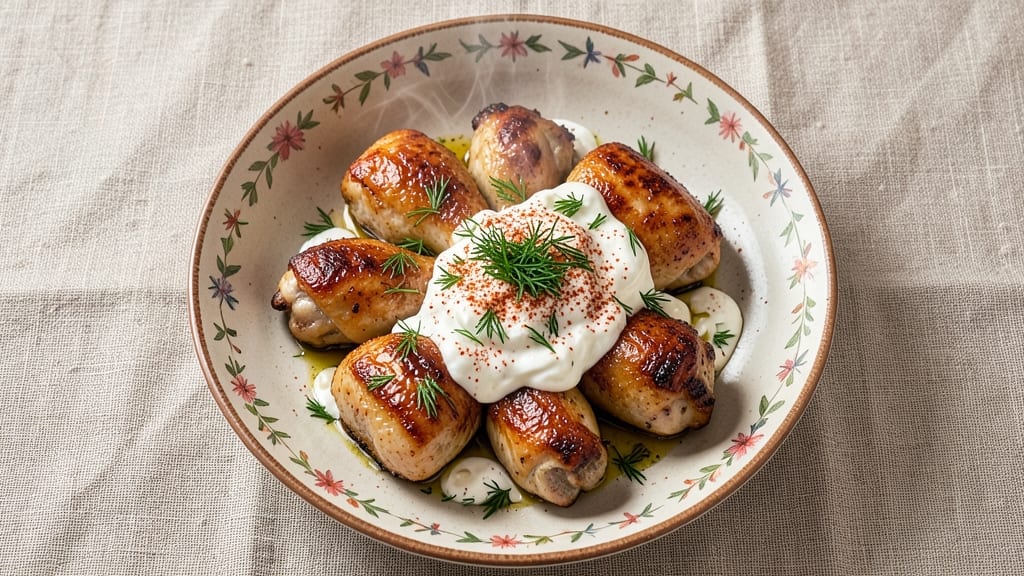
This Ukrainian chicken recipe brings the heart of Eastern European tradition to your kitchen with its herb-infused sour cream that transforms simple chicken into something extraordinary.
I first discovered this method while studying my grandmother’s Sunday roast chicken techniques—her secret was letting the sour cream sit with the herbs for hours before cooking, which creates layers of flavor you won’t find anywhere else.
The result is tender, juicy chicken with a velvety sauce that’s rich but never heavy.
The beauty of this dish lies in its simplicity and depth—just a few pantry staples and 30 minutes of active prep time, but the flavors develop as it cooks, making every bite more complex.
We’re talking about garlic, dill, and a touch of paprika working together to create a sauce that’s both comforting and vibrant, perfect for weeknight dinners or family gatherings.
The key is patience: letting the chicken sear slowly in its own juices before adding the sour cream mixture ensures it stays moist and flavorful.
What you’ll end up with is golden-brown chicken pieces bathed in a creamy, aromatic sauce that’s restaurant-quality without the fuss. The herbs brighten the dish, while the sour cream adds a tangy richness that balances perfectly.
This isn’t just a chicken recipe—it’s a taste of home, a dish that feels like a hug on a plate. Serve it with roasted potatoes or fresh cabbage salad to complete the meal, and you’ll have a centerpiece that’s sure to impress.
Between you and me, this recipe has become a staple in my home—it’s the kind of dish that gets passed down through generations, and now it’s yours to make your own.
The best part? It’s foolproof once you get the hang of it, and the leftovers reheat beautifully for lunches the next day. Let’s get cooking!
Ingredients for ukrainian chicken
Pantry staples and a handful of fresh herbs—this Ukrainian chicken comes together in minutes.
| Ingredient | Amount | Notes |
|---|---|---|
| Boneless Chicken Thighs 🍗 | 1 ½ lb | Skin-on preferred for crispiness |
| Sour Cream 🥛 | 1 cup | Full-fat for best texture |
| Fresh Dill 🌿 | ½ cup | Chopped, stems removed |
| Garlic Cloves 🧄 | 4 cloves | Minced, fresh preferred |
| Paprika 🌶️ | 1 tbsp | Smoked variety for depth |
| Olive Oil 🫒 | ¼ cup | Extra-virgin for richness |
| Butter 🧈 | 2 tbsp | Unsalted, melted |
| Salt 🧂 | 1 ½ tsp | Kosher or sea salt |
| Black Pepper 🌶️ | ½ tsp | Freshly ground preferred |
| Lemon Juice 🍋 | 1 tbsp | Freshly squeezed |
| Heavy Cream 🥛 | ¼ cup | For sauce finish |
| All-Purpose Flour 🌾 | 2 tbsp | For dredging chicken |
The chicken thighs are the star here, and skin-on makes all the difference for that crispy texture. I always grab mine from the butcher counter if possible—ask for the ones with good marbling. The fresh dill is non-negotiable; dried just won’t give you that bright, grassy flavor. If you can’t find fresh, use one-third the amount of dried, but trust me, it’s worth the trip to the market. The sour cream should be full-fat—it’s the secret to that velvety sauce. I keep a tub of Trader Joe’s brand on hand, but any good-quality one works.
No smoked paprika? Regular paprika plus a pinch of liquid smoke gets you close. Short on fresh dill? Fresh parsley or tarragon can stretch it, but reduce to half the amount. The butter matters too—unsalted is key since we’re controlling the salt ourselves. If you’re in a pinch, use olive oil instead, but the butter adds richness. The lemon juice is a must for that bright finish, so don’t skip it. For extra depth, I sometimes add a dash of honey to the sauce—just a teaspoon balances the tang.
This sauce reheats beautifully—honestly, it’s even better the next day once the flavors meld. Store leftovers in the fridge for up to 4 days, covered with a splash of water to keep it from drying out. For freezing, portion it into ice cube trays—perfect for quick lunches. The chicken itself keeps 3 days in the fridge, but I always make extra because it disappears fast.
Why You'll Love This Recipe
- I’ve got a secret: this dish lives entirely in one skillet. No extra pots, no frantic cleanup—just golden chicken thighs, a silky sauce, and that moment when you toss everything together and it all comes together. The flour dredge on the chicken? It’s the trick that makes everything stick together without turning into a mess.
- One-Pan Magic: I’ve got a secret: this dish lives entirely in one skillet. No extra pots, no frantic cleanup—just golden chicken thighs, a silky sauce, and that moment when you toss everything together and it all comes together. The flour dredge on the chicken? It’s the trick that makes everything stick together without turning into a mess.
- Creamy, Tangy, Addictive: Between the full-fat sour cream and heavy cream, this sauce is rich, but the fresh dill and lemon juice keep it bright. The smoked paprika adds a smoky kick that’s chef’s kiss—no artificial flavors, just real, satisfying taste. Honestly, once you take that first bite, you’ll be reaching for seconds.
- Leftover Powerhouse: I make this on Sundays, and by Wednesday, it’s gone. The chicken keeps for three days in the fridge, and the sauce? Even better the next day. Toss it with pasta, serve over rice, or just eat it straight from the pan. My kids fight over the leftovers—yes, even my picky one.
Step-by-step instructions for herb-infused sour cream chicken
Here's how to create tender, golden chicken with a bright herb-sour cream sauce that's perfect for any meal.
Prepare the Chicken and Seasoning
Pat the 1½ lb boneless chicken thighs dry with paper towels—this ensures a crispy crust later. In a small bowl, mix together the 1 tbsp paprika, 1½ tsp salt, and ½ tsp black pepper. Gently press this spice blend all over the chicken, coating both sides evenly. I like to use my fingers for this so the seasoning sticks well.
Place the seasoned chicken in a shallow dish and lightly dredge each piece with the 2 tbsp all-purpose flour, shaking off any excess. This creates a delicate crust that helps hold the chicken together during cooking. Let the floured chicken sit for 5 minutes while you prepare the pan—this gives the flour time to absorb any moisture from the chicken.
Sear the Chicken in the Pan
Heat a large skillet over medium-high heat until it's hot. Add the ¼ cup olive oil and 2 tbsp butter, letting them melt together. Once the butter foams and the oil shimmers, add the chicken in a single layer—don't crowd the pan. Cook for 5-6 minutes per side until the chicken is golden brown and the internal temperature reaches 165°F.
Here's the thing—don't move the chicken around while it's cooking. Let it develop a good crust on the bottom before flipping. You'll know it's ready when the edges are golden and the chicken releases easily from the pan. Transfer the cooked chicken to a plate and tent loosely with foil to keep warm while you make the sauce.
Make the Herb Sour Cream Sauce
In the same skillet (no need to clean it—the browned bits add flavor), reduce the heat to medium. Add the 4 minced garlic cloves and cook for 30 seconds until fragrant. Immediately pour in the 1 tbsp lemon juice and let it bubble for 1 minute to cook off the raw garlic flavor.
Lower the heat to low and stir in the 1 cup sour cream and ¼ cup heavy cream. Let the mixture simmer gently for 3-4 minutes until it begins to thicken slightly. The sauce should coat the back of a spoon but still be smooth. If it's too thick, add 1-2 tablespoons of water to reach your desired consistency.
Finish with Fresh Herbs and Serve
Return the chicken to the skillet and spoon the sauce over the top. Let everything heat through together for 2-3 minutes. The chicken should be coated in that creamy, herby sauce—this is where all the flavors come together.
Remove from heat and stir in the ½ cup chopped fresh dill. Taste and adjust seasoning if needed—you might want to add a pinch more salt or a squeeze of lemon to brighten the flavors. Serve immediately, garnished with additional dill if you like. This dish tastes best fresh from the pan, with that perfect balance of creamy, tangy, and herby flavors.
Pro Tips For Making Ukrainian Chicken
- Skip the Crowding: I learned this the hard way—when I stuffed all the chicken thighs in the pan at once, they steamed instead of seared. Give each piece room to breathe so that golden crust forms. Trust me, you’ll taste the difference in that crispy, flavorful bottom.
- Bloom That Paprika: Don’t just sprinkle the 1 tbsp paprika on the chicken and call it a day. Toast it in the dry pan for 30 seconds before mixing with salt and pepper—it deepens the smoky flavor. After burning my first batch, I never skipped this again.
- Don’t Rush the Garlic: Those 4 minced garlic cloves need just 30 seconds in the hot skillet to perfume the sauce, not turn bitter. If you rush it, you’ll end up with a raw, harsh taste that fights the creamy sour cream. Let it sing, then hit it with lemon juice to balance it.
- Save the Dill for Last: I was skeptical until I tried it—adding the ½ cup chopped fresh dill at the very end keeps it vibrant and bright, not wilted. Stirring it in too early turns the sauce muddy. Plus, the last-minute toss makes the dish look fresh as hell.
Pro cooking tips for this dish
Mastering the Sear
This is where the magic happens—don’t rush the sear! The key is patience: let the chicken develop a golden crust on one side before flipping. I’ve burned through more chicken than I can count by moving it too soon.
Use a large cast-iron skillet for even heat distribution, and make sure it’s truly hot before adding the oil and butter. The moment the butter foams and the oil shimmers, that’s your cue to add the chicken.
Cooking it in batches if needed is better than crowding the pan—this ensures each piece gets that perfect sear. 🔥
Flour Dredge Secrets
That 2 tbsp all-purpose flour isn’t just for texture—it’s your flavor anchor. Don’t skip shaking off the excess; you want a light, even coating, not a floury mess.
I’ve found that letting the floured chicken sit for 5 minutes before cooking helps the flour absorb any surface moisture, which prevents the chicken from steaming instead of searing.
For extra crispiness, I sometimes add ¼ tsp baking powder to the flour—it’s a little trick I learned from my grandmother’s Sunday roasts. Trust me, it makes a difference.
Sauce Thickness Control
The sauce should be velvety but still smooth enough to coat the chicken evenly. If it thickens too quickly, just add 1-2 tablespoons of water to thin it out. I’ve learned this the hard way—once, I forgot to check the consistency and ended up with a lumpy, unappetizing mess.
Lower the heat to low while simmering to prevent scorching, and stir gently to avoid breaking up the sour cream. The ¼ cup heavy cream at the end adds richness without overpowering the herbs. 💫
Herb Timing Matters
Add the ½ cup fresh dill at the very end—this preserves its bright, grassy flavor. If you mix it in too early, it can turn bitter. I always taste the sauce before adding the dill to gauge if it needs more salt or lemon.
A little freshly squeezed lemon juice at this stage brightens everything up beautifully. Pro tip: If you’re short on dill, swap in ½ cup chopped parsley, but reduce the amount by half to keep the flavor balanced.
Equipment Essentials
A good digital meat thermometer is non-negotiable for hitting that 165°F internal temperature without overcooking. I use my Thermoworks Smoke for accuracy, but even a basic instant-read thermometer works.
For the sauce, a wooden spoon is your best friend—it’s gentle on the bottom of the pan and helps stir without scratching. And if you’re short on time, a food processor can chop the garlic and herbs in seconds, though nothing beats fresh minced garlic for flavor.
Nutrition facts
Frequently asked questions
Why does this recipe use skin-on chicken thighs?
The skin-on chicken thighs create a delicious crispy exterior while keeping the meat juicy inside. The skin acts as a natural barrier, locking in moisture during cooking—this is a technique I learned from my grandmother’s Sunday roasts. It also adds extra flavor to the dish, especially when seared properly in the pan.
Can I make this dish ahead of time?
The sauce actually tastes even better the next day as the flavors meld together. Store leftovers in the fridge for up to 4 days, covered with a splash of water to prevent drying. The chicken itself keeps well for 3 days when stored properly, though I always make extra because it disappears so quickly.
What if I don't have fresh dill?
No problem! If you can't find fresh dill, use half the amount of dried dill or swap in ½ cup chopped parsley. The flavor will be slightly different but still delicious. I prefer fresh herbs when available, as they bring that bright, grassy note that's so important to this recipe.
How do I prevent the sauce from getting lumpy?
Keep the heat on low while simmering the sauce and stir gently with a wooden spoon. If it starts to thicken too quickly, add 1-2 tablespoons of water to thin it out. The key is patience—don't let it bubble vigorously, or the sour cream can break. This is where using a large cast-iron skillet really helps for even heat distribution.
Can I use chicken breasts instead of thighs?
While you can technically use chicken breasts, thighs are the traditional choice for this recipe. They're more forgiving when it comes to cooking time and stay juicier. If you must use breasts, cook them at 375°F for 15-18 minutes instead of searing, and they'll dry out more easily. For best results, stick with the thighs—they're what makes this dish so special!