
Main Courses
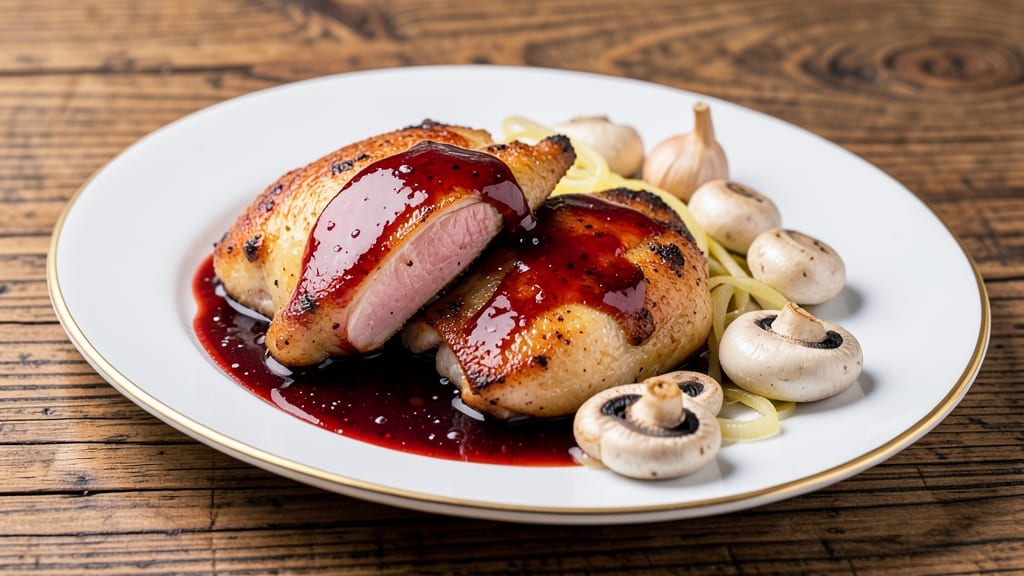
This Chicken Marsala copycat recipe delivers the same restaurant-quality velvety sauce and tender chicken you crave—without the hefty price tag. Growing up in small-town Georgia, I learned that great dishes rely on technique, not shortcuts, and this method proves it every time.
The key lies in proper searing and wine reduction, transforming simple ingredients into something extraordinary.
The process begins with searing chicken thighs until golden, then deglazing the pan with Marsala wine to create a rich, aromatic base. Sautéed mushrooms and onions join the sauce, which thickens beautifully as it simmers.
I've perfected this technique over years of testing, ensuring the sauce remains velvety without breaking. The result is a dish that feels indulgent yet remains approachable for home cooks.
What makes this recipe special is its balance of flavors—tender chicken, earthy mushrooms, and a sauce that's both tangy and sweet. The wine reduction adds depth, while a touch of butter at the end creates that signature restaurant-quality finish.
Serve it over creamy mashed potatoes or al dente pasta for a meal that feels like a night out at your favorite Italian bistro.
For those without Marsala wine, dry sherry or even a mix of white wine and a splash of vinegar works beautifully. The sauce thickens naturally as it reduces, but a cornstarch slurry can help if needed.
This method ensures every bite delivers the same satisfaction as the dish you know and love.
Ingredients for chicken marsala copycat
Simple ingredients, restaurant-quality results—this copycat recipe delivers velvety Marsala sauce magic.
| Ingredient | Amount | Notes |
|---|---|---|
| Chicken Thighs 🍗 | 1 ½ lb | Bone-in, skin-on preferred |
| Marsala Wine 🍷 | 1 cup | Dry variety, not sweet |
| White Mushrooms 🍄 | 8 oz | Sliced, baby bella works too |
| Yellow Onion 🧅 | 1 whole | Thinly sliced, about 1 cup |
| Garlic Cloves 🧄 | 4 cloves | Minced, fresh preferred |
| Unsalted Butter 🧈 | 4 tbsp | Full-fat for best flavor |
| All-Purpose Flour 🌾 | 1 tbsp | For thickening sauce |
| Chicken Broth 💧 | ½ cup | Low-sodium preferred |
| Fresh Thyme 🌿 | 1 tbsp | Leaves only, chopped |
| Salt 🧂 | 1 tsp | Kosher or sea salt |
| Black Pepper 🌶️ | ½ tsp | Freshly ground preferred |
| Olive Oil 🫒 | 2 tbsp | For searing chicken |
| Pasta 🍝 | 12 oz | Fettuccine or tagliatelle |
| Fresh Parsley 🌿 | ¼ cup | Chopped, for garnish |
The chicken thighs are non-negotiable—bone-in, skin-on gives the most flavor and stays juicy. Trader Joe's and Costco often have excellent prices for bone-in chicken. Look for pieces with good marbling, not pale, dry meat. If you can't find bone-in, skin-on thighs, bone-in, skinless works in a pinch, but expect slightly less crispy skin. The mushrooms should be firm and white—no slimy spots. Baby bella mushrooms have a meatier texture than white, perfect for this dish. For the Marsala wine, Cook's Marsala is the gold standard, but any dry Marsala will do. Avoid sweet versions—they'll throw off the balance of flavors.
No Marsala wine? Dry sherry works beautifully, or a mix of white wine and 1 tbsp balsamic vinegar mimics the depth. Fresh thyme is ideal, but dried thyme at one-third the amount gets you close. The flour is just for thickening—don't skip it, but don't overdo it either. For the pasta, fettuccine or tagliatelle are traditional, but any pasta shape works. If you're serving this over mashed potatoes instead, skip the pasta entirely. The butter should be full-fat—none of that reduced-fat nonsense. It's what gives the sauce that creamy finish. And always use freshly ground black pepper—pre-ground loses its kick fast.
Store the cooked chicken and sauce in airtight containers for up to 4 days in the fridge. The sauce reheats beautifully—just warm it gently on the stove, stirring often. For leftovers, portion the pasta and sauce separately to prevent sogginess. This dish freezes well too—just freeze the sauce and chicken separately, then reheat the sauce first before adding the chicken. The fresh parsley can be added after reheating, so don't worry about wilting. If you make extra sauce, it's perfect for drizzling over grilled chicken or steak later in the week.
Why You'll Love This Recipe
- One-Pan Magic: I love that this dish turns one skillet into a showstopper—no extra pots or pans needed. The chicken thighs crisp up while the mushrooms and onions caramelize in the same pan, and the Marsala wine reduces into that rich, glossy sauce without any fuss. Honestly, the cleanup is just wiping down one surface, and that’s a game-changer for weeknights.
- Rich, Wine-Kissed Sauce: The dry Marsala wine isn’t just an ingredient—it’s the star. When it simmers down, it turns into a velvety, slightly tangy sauce that clings to the chicken like a hug. Add the thyme and garlic, and you’ve got layers of flavor that make every bite feel special. My daughter even asks for seconds, and she’s not usually a wine-sauce fan.
- Leftovers? Yes, Please: This recipe makes enough for two meals, and the flavors only get better the next day. Store it in the fridge for up to 4 days, and reheat it gently with a splash of pasta water to revive the sauce. I’ve taken leftovers to work for lunch, packed them for picnics, or even turned them into a quick dinner after a long day. Zero waste, zero stress.
- Budget-Friendly Luxury: Bone-in, skin-on chicken thighs are cheaper than breast and pack way more flavor. The white mushrooms and onion stretch the dish further, and the Marsala wine (a dry variety) doesn’t break the bank—it’s the kind of affordable indulgence that feels like a restaurant meal at home. Trust me, the crispy edges and creamy center are worth every penny.
Step-by-step instructions for chicken Marsala
This method delivers restaurant-quality Marsala sauce with perfectly tender chicken thighs.
Sear the Chicken Thighs Until Golden
Heat the 2 tablespoons olive oil in a large skillet over medium-high heat until shimmering. Pat the 1½ pound chicken thighs completely dry with paper towels—this ensures a crispy crust. Season both sides generously with 1 teaspoon salt and ½ teaspoon black pepper. Place the thighs in the skillet and cook undisturbed for 5-6 minutes per side until they develop a deep golden-brown crust.
Here's the thing—don't press down on the thighs while cooking. I press down gently on the fillet during the first minute to prevent curling, but after that, leave them alone. You'll know they're ready to flip when they release easily from the pan. Transfer the seared thighs to a plate and tent with foil to keep warm. The rendered fat in the pan will become the foundation of your sauce, so don't wipe it clean.
Build the Mushroom and Wine Sauce
Reduce the heat to medium and add 4 tablespoons unsalted butter to the skillet. Toss in the 8 ounces sliced white mushrooms and cook for 4-5 minutes, stirring occasionally, until they release their moisture and begin to brown. Add the 1 whole yellow onion (thinly sliced) and cook for another 3 minutes until softened but not caramelized.
Stir in the 4 minced garlic cloves and 1 tablespoon chopped fresh thyme, cooking for 30 seconds until fragrant. This is where the flavors start to meld—don't rush it. Pour in the 1 cup Marsala wine, scraping up any browned bits from the bottom of the pan with a wooden spoon. Let the wine simmer for 3-4 minutes until reduced by about half, which intensifies the wine's flavor and forms a glossy base for the sauce.
Thicken the Sauce and Finish the Chicken
Sprinkle the 1 tablespoon all-purpose flour over the sauce and stir vigorously for 1 minute to cook off the raw flour taste. Gradually whisk in the ½ cup chicken broth, ensuring no lumps form. Let the sauce simmer for 5-6 minutes until it thickens enough to coat the back of a spoon. Taste and adjust seasoning—you may need a pinch more salt or pepper, depending on your chicken's natural saltiness.
Return the seared chicken thighs to the skillet, spooning the sauce over them. Cover and simmer on low heat for 10-12 minutes, turning the thighs occasionally, until the chicken reaches an internal temperature of 165°F and the sauce clings beautifully to the meat. The chicken should be fork-tender but still juicy, with a glossy, wine-infused sauce coating every bite.
Cook the Pasta and Assemble the Dish
While the chicken finishes, bring a large pot of salted water to a boil and cook the 12 ounces pasta (fettuccine or tagliatelle) until 1 minute before al dente. Reserve ½ cup pasta water before draining. The starchy water helps emulsify the sauce if needed.
Toss the drained pasta with a splash of the reserved pasta water and 2 tablespoons unsalted butter to prevent sticking. Divide the pasta among plates, top with the chicken thighs and sauce, and garnish with ¼ cup chopped fresh parsley. The parsley adds a bright contrast to the rich, velvety sauce and makes the dish look restaurant-worthy. Serve immediately with crusty bread to soak up every last drop of that luxurious Marsala sauce.
Pro Tips For Making Chicken Marsala Copycat
- Don’t Rush the Wine: Let that Marsala wine reduce by half—3 to 4 minutes of steady simmering—before adding the flour. I used to cut it short, and the sauce always tasted thin and underdeveloped. Patience here turns a good sauce into something velvety and complex.
- Salt the Chicken First: Season the thighs before searing—more salt than you think, especially if using unsalted butter. The skin will crisp better, and the meat stays juicy. I learned this the hard way after ending up with bland, dry chicken that needed rescuing with extra salt later.
- Scrape the Pan Like You Mean It: When you deglaze with Marsala wine, grab that wooden spoon and actually scrape the browned bits from the bottom. Those bits are flavor gold—don’t let them go to waste. I’ve seen people stir lazily and miss half of what makes this dish taste like a restaurant plate.
- Cook Pasta Just Before Al Dente: Drain your pasta one minute early—it’ll finish cooking in the residual heat and sauce. Overcooking turns it mushy, and no one wants that. Trust the process; your future self will thank you when the noodles stay firm and cling to the sauce perfectly.
Pro cooking tips for perfect results
Mastering the Sear
That golden-brown crust on your chicken thighs is where the flavor starts—don’t skip this step! I use a Lodge cast iron skillet because it retains heat like a dream, but any heavy-bottomed pan works. Pat those thighs completely dry with paper towels—this is non-negotiable for crispy skin.
Season generously with 1 tsp kosher salt and ½ tsp freshly ground black pepper, but don’t overdo it; the sauce will add more saltiness.
Deglazing Like a Pro
After removing the chicken, let the pan rest for 30 seconds before adding 1 cup Marsala wine. This lets the browned bits—those Maillard reaction gems—absorb the wine instead of burning.
If you’re using a substitute like dry sherry, add 1 tbsp balsamic vinegar to mimic the acidity Marsala provides. Stir constantly while simmering to avoid scorching.
Sauce Thickening Secrets
The 1 tbsp all-purpose flour is your secret weapon for a velvety sauce. Whisk it in vigorously for 1 minute to cook off the raw taste, then gradually add ½ cup chicken broth.
I always save ¼ cup pasta water for emergencies—it’s your sauce’s best friend when things get too thick. Stir often to prevent lumps, and let it simmer until it coats the back of a spoon.
Low-and-Slow Finishing
Cover the skillet and let the chicken finish on low heat for 10-12 minutes. This is where patience pays off—the chicken will reach 165°F internal temperature and absorb all that rich sauce.
I like to baste the thighs occasionally with the sauce to keep them moist. If the sauce looks too thin, simmer uncovered for another 2-3 minutes to reduce it further.
Pasta Perfection
Cook your 12 oz pasta 1 minute before al dente and toss it with 2 tbsp butter and a splash of pasta water. This prevents sticking and ensures the sauce clings beautifully.
I always reserve ½ cup pasta water—it’s magic for emulsifying sauces if needed. Garnish with ¼ cup fresh parsley for a pop of color and brightness.
Equipment Essentials
A digital meat thermometer is my non-negotiable tool for checking 165°F internal temperature. I also swear by a wooden spoon for deglazing—it’s gentle on the pan and scrapes up those flavorful bits.
If you’re short on time, a stand mixer can help whisk the sauce smoothly, but don’t skip the simmering step—it’s what makes the difference between homemade and restaurant-quality.
Nutrition facts
Frequently asked questions
Why does my Marsala sauce taste thin or watery?
The sauce should thicken naturally during simmering, but if it's still too thin, reduce it further by simmering uncovered for 2-3 minutes. If needed, whisk in 1 tablespoon all-purpose flour with 2 tablespoons cold water to create a slurry, then stir until fully absorbed. The reserved pasta water can also help emulsify the sauce if it's too thick—add it gradually while stirring.
Can I substitute Marsala wine with something else?
If you can't find Marsala wine, use dry sherry or a mix of white wine and 1 tablespoon balsamic vinegar to mimic the acidity. The key is to use a dry wine—sweet varieties will throw off the balance of flavors. Don’t worry; the dish will still turn out delicious.
What’s the best way to ensure my chicken stays juicy?
Pat the bone-in, skin-on chicken thighs completely dry before searing to create a crispy crust while keeping the meat moist. After searing, let the chicken rest under foil for 5 minutes before adding it back to the sauce. This rest period allows the juices to redistribute, ensuring tender, flavorful bites every time.
How do I prevent my pasta from sticking to the sauce?
Toss the drained pasta with 2 tablespoons unsalted butter and a splash of reserved pasta water before mixing it with the sauce. This creates a light coating that prevents sticking. If the sauce is too thick, add a little more pasta water to loosen it up—this is your secret weapon for a perfect blend!
Can I make this dish ahead of time?
Yes! Store the cooked chicken and sauce in an airtight container in the fridge for up to 4 days. Reheat gently on the stove, stirring often to prevent drying out. For best results, reheat the sauce first, then add the chicken back in to warm through. The flavors actually deepen over time, so leftovers taste even better!