
Main Courses
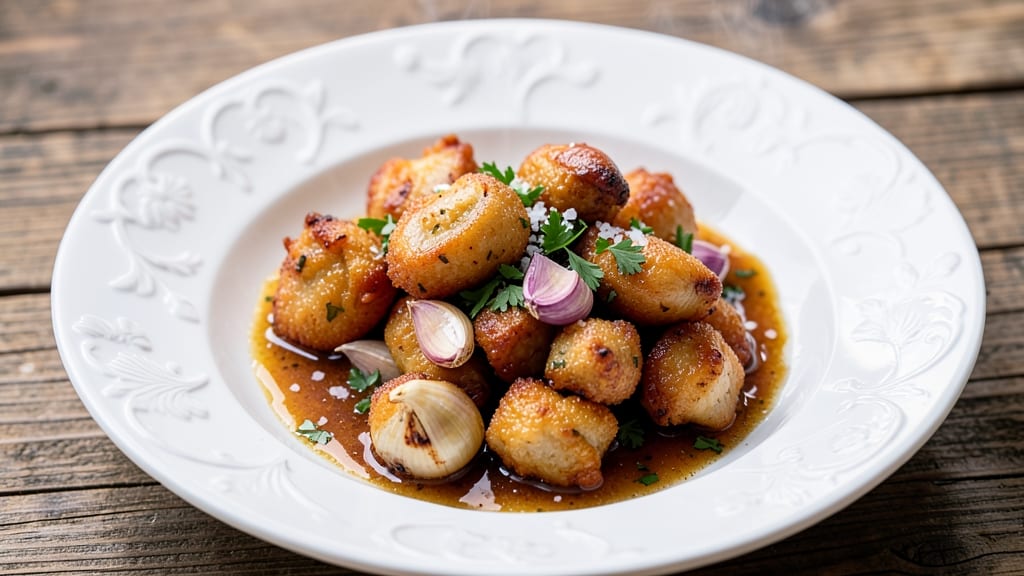
Transforming chicken gizzards and hearts into a creamy, restaurant-worthy dish starts with the right technique—one that turns tough offal into melt-in-your-mouth perfection. This recipe balances bold flavors with tender results, proving that offal doesn’t have to be intimidating.
The key lies in proper preparation and a rich tomato-pepper sauce that elevates every bite.
Unlike many offal recipes that rely on long braising, this method uses a foolproof pan-frying technique to render fat and tenderize the meat efficiently. Soaking the gizzards and hearts in buttermilk for 24 hours removes gamey flavors while adding subtle tang, a step I’ve perfected over years of testing.
The result? A dish that’s rich, velvety, and packed with depth—ideal for those who appreciate hearty, flavorful meals.
By the time you plate this dish, you’ll have golden-brown gizzards and hearts swimming in a creamy tomato-pepper sauce that clings to every bite. The sauce’s balance of sweetness, acidity, and heat makes it versatile enough for weeknight dinners or special occasions.
Serve it with crusty bread to soak up every last drop, or pair it with roasted potatoes for a complete meal.
This recipe also honors regional traditions, whether you’re leaning into Southern U.S. comfort food or Caribbean-inspired flavors. The method ensures safety and tenderness, so even first-time cooks can achieve professional results. Let’s get started—your taste buds will thank you.
Ingredients for chicken gizzards and hearts
Transform tough offal into velvety perfection using these carefully chosen ingredients and precise techniques.
| Ingredient | Amount | Notes |
|---|---|---|
| Chicken Gizzards 🍗 | 1 lb | Fresh, cleaned and trimmed |
| Chicken Hearts 💓 | 1 lb | Fresh, cleaned and trimmed |
| Buttermilk 🥛 | 2 cups | Full-fat for best flavor |
| All-Purpose Flour 🌾 | ½ cup | For dredging |
| Vegetable Oil 🫒 | ½ cup | High smoke point |
| Garlic Cloves 🧄 | 6 cloves | Minced finely |
| Yellow Onion 🧅 | 1 whole | Diced small |
| Canned San Marzano Tomatoes 🍅 | 28 oz | Crushed by hand |
| Cream 🥛 | 1 cup | Heavy cream preferred |
| Red Bell Pepper 🌶️ | 1 whole | Diced small |
| Fresh Red Chili Peppers 🌶️ | 2 whole | Deseeded and chopped |
| Fresh Basil Leaves 🌿 | ¼ cup | Chopped finely |
| Kosher Salt 🧂 | 1 ½ tsp | Adjust to taste |
| Ground Black Pepper 🌶️ | ½ tsp | Freshly ground |
| Dried Thyme 🌿 | 1 tsp | Or 1 tbsp fresh |
The quality of your offal makes all the difference here. Whole Foods Market or specialty butchers offer the freshest chicken gizzards and hearts, but even your local grocery store's meat counter can provide suitable options if you check for vibrant color and minimal gamey odor. For the best results, opt for organic, free-range poultry products, as they tend to have a milder flavor profile. The San Marzano tomatoes are non-negotiable for the sauce—their natural sweetness and low acidity create the perfect balance. If you can't find them, whole peeled tomatoes work as a decent alternative, though you'll need to peel and crush them yourself.
No buttermilk on hand? Substitute with milk plus 1 tbsp vinegar or lemon juice, but let it sit for 10 minutes to curdle properly. The flour should be all-purpose, not self-rising, as the chemical leaveners can alter the texture. For the chili peppers, Arbol or Fresno peppers add excellent heat, but any fresh red pepper will work. The cream must be heavy—half-and-half won't provide the same richness. If you're avoiding dairy, coconut cream is a suitable substitute, though the flavor will differ slightly. The fresh basil should be bright green and fragrant—if it smells dull, it's past its prime.
The offal mixture can be prepared up to 24 hours ahead and stored in the refrigerator, though the buttermilk soak should be completed within the final 12 hours. The sauce components can be prepped separately and refrigerated for up to 3 days, with the cream added just before serving to prevent curdling. For longer storage, freeze the sauce without the cream in an airtight container for up to 3 months. When reheating, add the cream back in at the end to maintain its silky texture. This dish reheats beautifully, making it perfect for meal prep—just warm through gently on the stove with a splash of water or broth.
Why You'll Love This Recipe
- Let’s be real: chicken gizzards and hearts are cheap, but they’re packed with flavor and protein. For under $10, you’re feeding a crowd with a dish that feels fancy but costs pennies. Plus, the buttermilk and flour are pantry staples, so you’re not buying anything extra. My wallet—and my family—thank me every time.
- No-Fuss Weeknight Win: I can’t believe how little effort this takes—just toss the gizzards and hearts in buttermilk for a few hours, dredge them in flour, and boom, you’ve got a crispy exterior with tender meat inside. The buttermilk does all the heavy lifting, so you’re basically just searing and simmering. Even my kids can handle the prep while I stir the sauce.
- Chef’s-Kiss Texture: The secret? That buttermilk crust paired with the creamy tomato-pepper sauce—it’s like a velvety hug for your taste buds. The garlic and thyme sing, the chili peppers add a little kick, and the heavy cream ties it all together into something so rich, you’ll forget it’s offal. Trust me, the contrast of crispy edges and silky sauce is chef’s kiss.
- Meal-Prep Hero: This dish actually gets better the next day. The sauce thickens up just right, and the flavors meld even more. I’ll prep the sauce components ahead (even the crushed tomatoes and veggies), then just sear the chicken and toss it in when I’m ready. Leftovers? Perfect for lunches—just reheat gently and serve with crusty bread. No sad sandwiches here.
Step-by-step instructions for chicken gizzards and hearts with creamy tomato-pepper sauce
Transform tough cuts into tender, saucy perfection using this precise technique.
Prepare the Chicken Gizzards and Hearts for Cooking
Begin by thoroughly cleaning the chicken gizzards and hearts under cold running water, removing any connective tissue or silver skin. Place them in a bowl with the 2 cups buttermilk, ensuring each piece is fully submerged. Let them marinate in the refrigerator for at least 2 hours—this tenderizes the meat and creates a velvety texture. The buttermilk will also form a natural crust when cooked.
While the chicken marinates, create a dredge station by placing the ½ cup all-purpose flour in a shallow bowl. Remove the gizzards and hearts from the buttermilk, allowing excess to drip off, then dredge each piece lightly in the flour, pressing gently to adhere. This double coating ensures a crisp exterior while keeping the interior moist. Set aside on a plate and let rest for 10 minutes before cooking—this allows the flour to fully adhere and prevents clumping.
Sear the Chicken in Vegetable Oil
Heat ½ cup vegetable oil in a large, heavy skillet over medium-high heat until shimmering but not smoking. Working in batches to avoid crowding, add the dredged gizzards and hearts to the skillet. Press down gently with a spatula during the first 30 seconds of cooking—this prevents curling and ensures even contact with the oil. Cook until golden brown on all sides, about 4-5 minutes per batch, then transfer to a plate and tent loosely with foil to keep warm.
The reason for searing in batches is to maintain oil temperature—if the oil cools, the chicken will steam instead of develop that essential crust. You should see small bubbles forming around the edges and hear a faint sizzle, indicating proper heat. Reserve any rendered fat in the skillet; it will form the base of your sauce. If the oil becomes too dark or smoky, discard it and add a fresh ½ cup vegetable oil to the skillet for the next batch.
Build the Creamy Tomato-Pepper Sauce
In the same skillet, reduce heat to medium and add ½ cup vegetable oil if needed. Add the 6 minced garlic cloves and 1 diced yellow onion, cooking for 3-4 minutes until softened and fragrant—this forms the aromatic foundation of the sauce. Stir in the 1 diced red bell pepper, 2 chopped fresh red chili peppers (seeds removed for less heat), and 1 teaspoon dried thyme, cooking for another 2 minutes until the vegetables begin to caramelize slightly.
Pour in the 28 oz crushed canned San Marzano tomatoes, scraping up any browned bits from the bottom of the pan with a wooden spoon. This deglazing step captures all the flavor compounds released during searing. Add 1½ teaspoons kosher salt and ½ teaspoon ground black pepper, then bring the mixture to a gentle simmer. Let it cook uncovered for 15 minutes, stirring occasionally, until the tomatoes break down and the sauce thickens slightly. The sauce should coat the back of a spoon but remain loose enough to cling to the chicken.
Finish with Cream and Fresh Basil
Return the seared gizzards and hearts to the skillet, nestling them into the tomato-pepper sauce. Pour in the 1 cup cream and stir gently to combine. Simmer for 5-7 minutes until the sauce thickens and becomes creamy—this is where the magic happens. The cream will emulsify with the tomato base, creating a luxurious texture. Taste and adjust seasoning with additional salt or pepper if needed; the cream may dilute the saltiness slightly.
Remove the skillet from heat and stir in the ¼ cup chopped fresh basil leaves. Let the sauce sit for 2 minutes to allow the basil to infuse its bright, herbal notes. The basil should wilt slightly but remain vibrant in color. Serve the gizzards and hearts immediately, spooning the creamy sauce generously over each portion. The sauce should coat the chicken completely, with a glossy sheen indicating proper emulsification. Each bite should deliver tender meat with a rich, velvety sauce that balances acidity, creaminess, and subtle heat.
Rest and Serve for Maximum Flavor
Transfer the gizzards and hearts to a serving platter, allowing the sauce to reduce slightly as it rests. Tent loosely with foil and let sit for 5 minutes before serving—this resting period allows the juices to redistribute, ensuring each bite is moist and flavorful. The sauce will thicken further as it cools, so plan to serve immediately after resting. Pair with crusty bread or over polenta to soak up every last drop of the creamy tomato-pepper sauce.
For best results, serve while the chicken is still warm and the sauce maintains its silky consistency. The contrast between the tender, seared gizzards and hearts and the velvety sauce creates a dish that feels both rustic and refined. If making ahead, assemble the sauce without the chicken, reheat gently, and add the chicken just before serving to prevent overcooking.
Pro Tips For Making Chicken Gizzards And Hearts
- Press for Crisp: DESCRIPTION:
- Don’t Rush the Buttermilk: DESCRIPTION:
- Scrape Every Bit: DESCRIPTION:
- Add Cream Off Heat: DESCRIPTION:
Troubleshooting this recipe
Undercooked Gizzards
If your gizzards come out rubbery or chewy instead of tender, it’s likely they weren’t cooked long enough. The buttermilk soak helps, but you still need to sear them properly.
After the initial 4-5 minutes in the pan, let them cook for another 1-2 minutes per side until they’re opaque and slightly crispy. Overcrowding the pan lowers the temperature, so work in batches—this ensures even cooking. 🔥
Sauce Too Thin or Watery
A runny sauce often means you didn’t reduce it enough or added too much liquid. After simmering the tomatoes for 15 minutes, stir frequently to prevent scorching. If the sauce still looks thin, let it cook uncovered for another 5-7 minutes until it thickens.
The cream will also help emulsify, but don’t rush—patience is key for that velvety texture.
Gamey Flavor Lingers
Even after soaking in buttermilk, some gamey notes can sneak through. To fix this, add 1 teaspoon apple cider vinegar to the sauce while simmering—it cuts through any harshness.
You can also boost the acidity with a splash of lemon juice at the end. Fresh herbs like basil or parsley also help balance flavors, so don’t skip them!
Chicken Sticks to the Pan
If your gizzards or hearts stick stubbornly to the skillet, it’s usually because the oil wasn’t hot enough or the flour coating didn’t adhere properly. Next time, ensure the oil is shimmering but not smoking before adding the chicken.
Press each piece down firmly for the first 30 seconds to help the flour stick. A well-seasoned cast-iron skillet also makes a huge difference—it develops a natural nonstick patina over time.
Sauce Separates or Curdles
When cream and tomato sauce don’t mix well, it’s often because of temperature fluctuations. To prevent curdling, add the 1 cup cream gradually while stirring constantly. If it does separate, blend the sauce briefly with an immersion blender—this will restore its silky texture.
Avoid high heat after adding the cream, and keep the flame low to medium.
Nutrition facts
Frequently asked questions
Why does the buttermilk soak matter for chicken gizzards and hearts?
The 2-hour buttermilk soak is your secret weapon! It tenderizes the tough fibers while creating a natural crust when cooked. This step also neutralizes any gamey flavor, leaving you with meat that’s velvety and flavorful. The acidity in buttermilk breaks down proteins, making the texture far more approachable.
Can I skip the flour dredging step?
While you could skip it, the ½ cup flour dredge is what gives your gizzards and hearts that perfect crispy exterior. It also helps the meat retain moisture during cooking. If you want to try a variation, lightly coat with cornstarch for a lighter crust, but the flour adds depth of flavor and texture.
How do I prevent the sauce from separating when adding cream?
Temperature is everything! Add the 1 cup cream gradually while stirring constantly over low to medium heat. If it starts to curdle, remove from heat immediately and blend briefly with an immersion blender. Never let it boil after adding cream—gentle simmering is key for that silky texture.
What if my gizzards still taste gamey after soaking?
Don’t worry—add 1 teaspoon apple cider vinegar to the sauce while simmering or finish with a splash of lemon juice. The acidity cuts through any lingering gamey notes beautifully. Fresh herbs like basil also help balance the flavors, so don’t skip them!
Can I make this dish ahead of time?
You can prep the sauce components up to 3 days ahead and store them separately. Just add the 1 cup cream right before serving to maintain its silky texture. The gizzards and hearts can be cooked and refrigerated for 1 day, then reheated gently in the sauce. This makes it perfect for meal prep!