
Main Courses
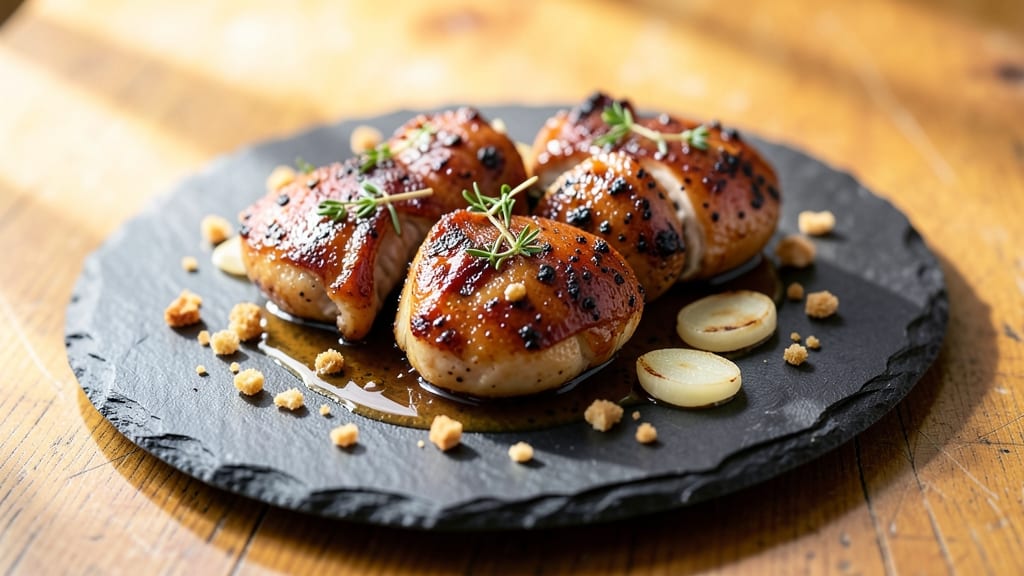
Transforming chicken hearts and gizzards into crispy-skinned, juicy bites requires just one pan and a few key techniques that elevate these often-overlooked cuts into something extraordinary. The secret lies in proper preparation—removing membranes and blood thoroughly to ensure clean flavor—before achieving that perfect golden crust through precise searing.
I’ve perfected this method after years of testing, ensuring every bite delivers both texture and depth.
This recipe begins with a simple boil to tenderize the offal, followed by a flavorful seasoning blend of garlic, thyme, and paprika that infuses every bite. The one-pan technique keeps things efficient while delivering restaurant-quality results, with crispy edges and tender, juicy interiors.
What makes this dish truly special is its versatility—serve it as a standalone appetizer, nestled into a hearty stew, or paired with rice for a complete meal.
The process might sound intimidating at first, but the steps are straightforward once you know the tricks—like scoring the gizzards for even cooking or using a meat mallet for uniform thickness.
By the time you’re done, you’ll have a dish that’s rich in flavor and texture, proving that offal can be just as satisfying as any other cut of meat. Let’s get started on turning these humble ingredients into something truly remarkable.
Whether you’re exploring traditional preparations like Filipino kinilaw or African-style stews, this method adapts seamlessly while keeping the focus on achieving that crispy-skinned, juicy finish. The result is a dish that’s equal parts comforting and impressive, perfect for those who appreciate the art of cooking every part of the animal.
No special equipment is needed—just patience and attention to detail.
Ingredients for chicken hearts and gizzards
Elevate humble offal into restaurant-quality crispy-skinned, juicy bites with precision and technique.
| Ingredient | Amount | Notes |
|---|---|---|
| Chicken Hearts 🍗 | 1 ½ lb | Scored and cleaned thoroughly |
| Chicken Gizzards 🦐 | 1 lb | Blanched and scored |
| Extra-Virgin Olive Oil 🫒 | ½ cup | For searing and basting |
| Garlic Cloves 🧄 | 6 cloves | Minced, for seasoning |
| Fresh Thyme Leaves 🌿 | 2 tbsp | Chopped, for aromatic depth |
| Smoked Paprika 🌶️ | 1 tbsp | For rich, smoky flavor |
| Diamond Crystal Kosher Salt 🧂 | 1 ½ tsp | For precise seasoning |
| Freshly Ground Black Pepper 🌶️ | ½ tsp | Freshly ground for best flavor |
| Water 💧 | 4 cups | For blanching and boiling |
| Apple Cider Vinegar 🍎 | 2 tbsp | For tenderizing and acidity |
| Butter 🧈 | ¼ cup | Full-fat for richness |
| All-Purpose Flour 🌾 | ¼ cup | For dredging and crispiness |
The quality of chicken hearts and gizzards determines the final texture and flavor. Opt for organic, pasture-raised cuts whenever possible, as they yield cleaner, more tender results. Most butcher shops sell them pre-cleaned, but if you’re sourcing whole, blanch in boiling water for 2 minutes to remove membranes and blood thoroughly. For gizzards, score the surface in a crosshatch pattern to ensure even cooking—this step is non-negotiable for achieving that coveted crispy exterior. I recommend purchasing from local butchers who specialize in offal, as they often provide better quality than grocery store options.
No apple cider vinegar? Lemon juice or white wine vinegar work in a pinch, though the flavor profile will differ slightly. Fresh thyme is ideal, but dried thyme at half the amount maintains aromatic depth. If smoked paprika isn’t available, regular paprika plus a pinch of cayenne adds heat without altering the smoky character. For the flour dredge, almond flour creates an extra-crispy crust, while whole wheat flour adds nuttiness. Always use Diamond Crystal kosher salt for precise seasoning—it dissolves evenly and doesn’t clump.
This dish reheats beautifully, with crispiness returning to the skin when warmed in a 350°F oven for 10-15 minutes. Store leftovers in an airtight container in the fridge for up to 4 days, or freeze for 3 months in a vacuum-sealed bag. For optimal texture, thaw frozen portions in the refrigerator overnight before reheating. The rendered fat from the pan can be strained and reused for cooking—simply chill, skim off the solidified fat, and store in a jar for up to 6 months. This method ensures you’re maximizing every part of the ingredient.
Why You'll Love This Recipe
- No-Fuss Crispiness: Honestly, the flour dredge and quick sear make this feel like restaurant magic—no fancy techniques, just golden, crackling pieces that happen because you’re patient with the batches. That crispy exterior? Worth the wait, even if it takes a little longer than frying chicken thighs.
- Smoky Garlic Bomb: The smoked paprika and garlic cloves? They’re the reason I keep coming back. That first bite hits with a smoky punch, then melts into tender meat—like a flavor punch you didn’t see coming. Trust the thyme too; it’s the secret to making everything taste intentional, not random.
- Feed a Crowd (or Just Yourself): This isn’t just a meal—it’s a statement. Feed four hungry people with the same effort it takes to make a single chicken breast, and they’ll still ask for seconds. My roommates don’t even notice it’s offal; they just know it’s the dish they crave.
- Fat That Lasts: Between the rendered olive oil and the leftover butter-garlic pan drippings, you’ll have cooking gold for weeks. Strain that fat, store it, and use it to sear anything—eggs, veggies, even next week’s offal. My kitchen smells like a bistro, and my budget stays happy.
Step-by-step instructions for chicken hearts and gizzards
Here's the method for transforming tough offal into crisp-skinned, juicy bites with perfect texture.
Blanch the Chicken Gizzards
Bring the 4 cups water to a rolling boil in a large pot. Add the 1 lb chicken gizzards and the 2 tbsp apple cider vinegar, then return to a boil. Reduce heat to maintain a vigorous simmer and cook for 10 minutes. This blanching step removes impurities and begins tenderizing the dense muscle tissue.
Drain the gizzards in a colander and rinse under cold water to stop the cooking process. Pat them completely dry with paper towels—this step is critical for achieving crispy skin later. While they drain, prepare the chicken hearts by scoring the surface in a crosshatch pattern with a sharp knife, being careful not to cut through completely. This creates pathways for the seasoning to penetrate and the meat to render properly.
Season and Dredge the Offal
In a large bowl, combine the 1½ lb chicken hearts with the blanched gizzards. Add the 1½ tsp diamond crystal kosher salt, ½ tsp freshly ground black pepper, 1 tbsp smoked paprika, and 2 tbsp chopped fresh thyme leaves, tossing to coat evenly. The paprika adds a subtle smokiness while the thyme provides aromatic depth that carries through the cooking process.
Transfer the seasoned offal to a shallow dish and dredge each piece thoroughly in the ¼ cup all-purpose flour, shaking off any excess. This creates a golden crust that will crisp beautifully during searing. Work quickly to prevent the flour from absorbing moisture from the meat.
Sear and Render the Fat
Heat the ½ cup extra-virgin olive oil in a large, heavy skillet over medium-high heat until it shimmers but doesn't smoke. Working in batches if necessary, add the dredged offal in a single layer, being careful not to overcrowd the pan. Sear for 4-5 minutes per side until the pieces develop a deep golden-brown crust and the internal temperature reaches 165°F when checked with an instant-read thermometer.
The reason for batch cooking is simple: overcrowding steams the meat instead of searing it. You want that rendered fat to pool in the pan and baste the offal continuously. As the meat browns, remove it to a paper towel-lined plate and tent loosely with foil to keep warm.
Finish with Butter and Garlic
Reduce heat to medium and add the ¼ cup butter to the same skillet. Once the butter foams, add the 6 minced garlic cloves and cook for 30 seconds until fragrant but not browned. Return the seared offal to the pan and spoon the garlic butter mixture over each piece, basting for 1-2 minutes until the butter melts completely and coats the meat.
This final basting step is what transforms good offal into exceptional offal. The butter adds richness while the garlic infuses the crispy exterior with aromatic complexity. The offal should be piping hot when served, with a crispy exterior that gives way to tender, juicy meat beneath.
Pro Tips For Making Chicken Hearts And Gizzards
- Score Deep, Not Shallow: That crosshatch on the chicken hearts should be aggressive enough to split the surface—think of a windowpane, not a lazy scribble. I used to half-ass this step, and my hearts stayed stubbornly tough. The deeper the cuts, the faster the seasoning and butter penetrate, turning chewy muscle into melt-in-your-mouth bites.
- Vinegar First, Always: That 2 tbsp of apple cider vinegar in the blanching water isn’t just for flavor—it’s the muscle relaxant for your gizzards. Skip it, and you’re fighting dense, rubbery texture the whole way. I learned this the hard way after serving a batch that had me wincing between bites.
- Shake Off the Flour: Dredging is useless if your offal is swimming in flour paste. Tap the pieces against the rim of your bowl or use a slotted spoon to flick off excess before searing. I once missed this and ended up with a sad, gluey crust instead of the crispy armor we’re after—waste not, but don’t overdo it either.
- Butter at the Right Moment: The butter goes in after the offal is out of the pan—no exceptions. Adding it too early turns your skillet into a greasy mess that steams instead of sears. Wait until the pan is dry, then hit it with that ¼ cup butter and garlic like you’re painting a masterpiece. The result? A glossy, buttery finish that tastes like you slaved over it.
Serving suggestions for chicken hearts and gizzards
As an Appetizer
Serve these crispy-skinned bites as an elegant appetizer with crispy panko breadcrumbs on top for extra texture. Arrange them on a platter alongside spicy aioli made with 1 tbsp sriracha and 2 tbsp mayonnaise.
Garnish with fresh chopped parsley for a pop of color and serve with toothpicks for easy grabbing. This presentation turns what might seem like an offal into a restaurant-worthy starter. 💛
With Steamed Rice
For a complete meal, pair these with jasmine rice steamed to perfection. The neutral rice lets the rich, smoky flavors of the offal shine. I like adding 1 tbsp soy sauce and 1 tsp sesame oil to the rice for subtle depth.
Serve the offal alongside with a side of quick-pickled cucumbers for a refreshing contrast to cut through the richness.
In a Hearty Stew
Transform these into a Filipino-style kinilaw by marinating raw gizzards in 2 tbsp calamansi juice, 1 tbsp fish sauce, and 1 tbsp vinegar for 30 minutes before cooking.
For a stew, simmer with 2 cups chicken stock, 1 onion, 2 tomatoes, and 1 tbsp ginger until tender. The acidity tenderizes while adding vibrant flavor. 🌟
With Roasted Vegetables
Roast asparagus and baby potatoes alongside the offal on the same sheet pan for a one-pan wonder. Toss vegetables with 1 tbsp olive oil, 1 tsp rosemary, and ½ tsp salt, then roast at 400°F for 20 minutes until crispy.
The shared char adds smoky harmony to the dish, balancing the rich flavors of the offal.
As a Taco Filling
Shred the cooked offal and use it as a filling for corn tortillas with toppings like pickled red onions, avocado crema, and cilantro. The crispy texture holds up beautifully in tacos, adding a unique depth of flavor.
I love serving these with a side of lime wedges to brighten each bite.
Nutrition facts
Frequently asked questions
Why do I need to score the chicken hearts and gizzards?
Scoring creates tiny pathways for seasoning to penetrate and helps the meat render fat evenly during cooking. For gizzards, this prevents uneven cooking and ensures a tender bite throughout. Without scoring, the dense muscle tissue can remain tough or dry.
Can I skip the blanching step for the gizzards?
Blanching is essential for removing impurities and blood, which can affect flavor and texture. Skipping it may leave a metallic taste or make the gizzards tougher. If you’re short on time, blanching for just 5 minutes still helps, but 10 minutes yields the best results.
What’s the best way to reheat leftover crispy-skinned offal?
Reheat in a 350°F oven for 10-15 minutes to restore crispiness. Avoid microwaving, as it makes the skin soggy. Place the offal on a wire rack over a baking sheet to prevent steaming and ensure even heating.
Can I use dried thyme instead of fresh?
Yes! Use ½ tsp dried thyme for every 1 tbsp fresh—it’s less potent but still aromatic. Fresh thyme adds brighter flavor, but dried works well in a pinch. Just make sure it’s finely ground for even distribution.