
Sauces & Condiments
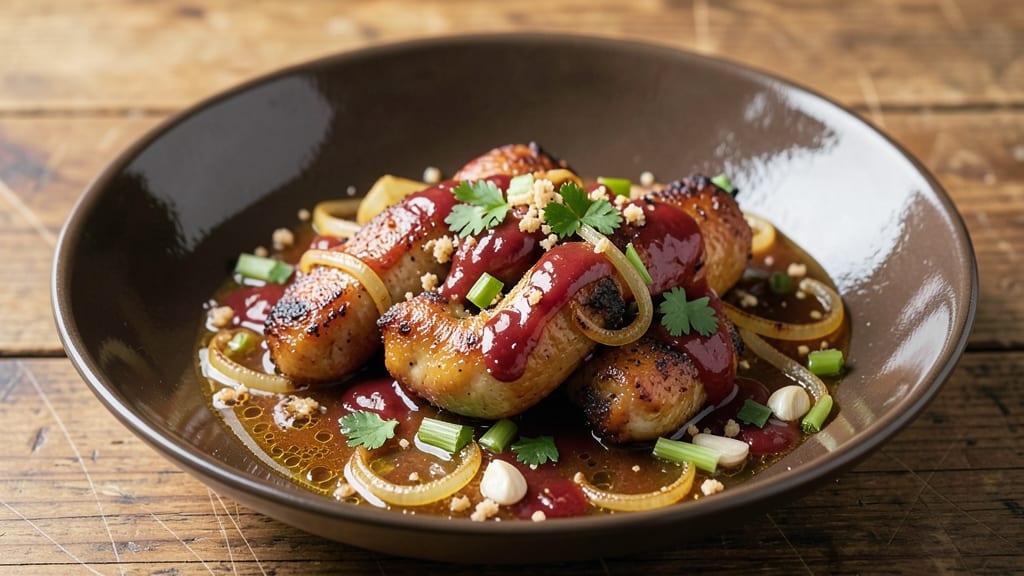
This chicken gizzard sauce recipe transforms humble offal into a deep, umami-rich condiment that elevates game day snacks from ordinary to extraordinary. 💛 The secret lies in slow simmering gizzards with aromatic vegetables until they dissolve into a velvety, flavor-packed base—no blender required.
I developed this sauce after realizing how often gizzards went to waste, and now it’s a staple in my kitchen for dipping, drizzling, or glazing proteins.
The process is straightforward but rewarding: gizzards simmer until tender, then strain to create a smooth, concentrated sauce with layers of savory depth. No fancy ingredients are needed—just pantry staples like garlic, onions, and a touch of vinegar to brighten the richness.
The result? A sauce that pairs perfectly with fried chicken, wings, or even as a marinade for meats.
What makes this sauce special is its versatility—use it as a dip for fries, a glaze for roasted vegetables, or a finishing touch for grilled meats.
It keeps well in the fridge for up to a week, so you can make a big batch and enjoy it all season long. The umami punch comes from the gizzards themselves, making this a budget-friendly way to add restaurant-quality flavor to your meals.
Ready to turn game day into a flavor fiesta? This sauce is the secret weapon that turns simple bites into unforgettable experiences. Let’s get cooking—your taste buds will thank you.
Ingredients for chicken gizzard sauce
Pantry staples meet game-day magic—this sauce turns humble gizzards into umami perfection.
| Ingredient | Amount | Notes |
|---|---|---|
| Chicken Gizzards 🦆 | 2 lb | Cleaned, rinsed thoroughly |
| Yellow Onions 🧅 | 2 whole | Thinly sliced, caramelized |
| Garlic Cloves 🧄 | 10 cloves | Minced, aromatic |
| Fresh Celery Stalks 🌿 | 4 whole | Diced, for depth |
| Tomato Paste 🍅 | ½ cup | Unsweetened, concentrated |
| Apple Cider Vinegar 🍎 | 2 tbsp | Brightens acidity balance |
| Dried Thyme 🌿 | 1 tbsp | Freshly crushed preferred |
| Salt 🧂 | 1 ½ tsp | Diamond Crystal preferred |
| Black Pepper 🌶️ | ½ tsp | Freshly ground, coarse |
| Chicken Broth 🍲 | 4 cups | Low-sodium preferred |
The gizzards are your flavor anchor—always clean them thoroughly before cooking. Butcher shops often sell them pre-cleaned, but if you're doing it yourself, a quick soak in cold water with a pinch of salt removes any lingering blood. Costco or local butcher markets usually have the best selection, and they’ll often give you a discount if you ask. Don’t skip the caramelization step for the onions and celery—their natural sugars deepen the sauce’s richness, so cook them low and slow until they’re golden. I always grab organic celery if I can find it—it’s got a cleaner taste and holds up better to simmering.
No chicken broth? Vegetable broth plus a splash of Worcestershire sauce works in a pinch. Dried thyme is fine, but fresh thyme leaves at half the amount add a brighter note. Want to stretch the sauce further? Add a cup of finely chopped mushrooms—they soak up the liquid and add earthy depth. The apple cider vinegar is key for brightness—don’t skip it, even if the sauce feels rich enough already. And if you’re worried about texture, blend it briefly after straining for a smoother finish, though the intro promises no blender is needed!
This sauce keeps beautifully for up to a week in the fridge, and honestly, it tastes even better the next day as the flavors meld. Store it in an airtight glass jar—plastic can absorb odors over time. For longer storage, portion it into ice cube trays and freeze. Each cube makes about 1 tablespoon, perfect for quick additions. I always make a double batch for game days—it disappears faster than you’d think. The gizzards themselves? If you have leftovers, save them for another batch—they freeze well for up to 3 months. Just thaw overnight in the fridge before using.
Why You'll Love This Recipe
- Let’s be real: chicken gizzards are cheap, but this sauce makes them feel like a splurge. You’re getting deep, meaty flavor for a fraction of the cost of store-bought sauces. And if you freeze leftovers? You’ve got a secret weapon for months. It’s the kind of dish that makes me feel like a clever cook without breaking the bank.
- One-Pot Magic: I love that this sauce comes together in basically one pot—no extra pans, no cleanup chaos. Just sear those gizzards, toss in the onions and celery, and let the broth do the work while you relax. The caramelized onions and garlic cloves develop all that depth without you hovering over the stove.
- Umami Bomb: Honestly, the combination of tomato paste, thyme, and those seared gizzards? It’s like a flavor explosion. The apple cider vinegar cuts through the richness, and the broth soaks up all the browned bits—you end up with a sauce that’s rich, tangy, and just slightly salty in the best way. Every bite is pure satisfaction.
- Weeknight Hero: This isn’t just for fancy dinners—it’s my go-to for weeknight meals. Slap it over rice, toss it with pasta, or use it to glaze chicken. The sauce keeps for days, so I make a big batch and use it all week. Plus, it’s one of those things that tastes even better the next day, so you’re not stuck with leftovers.
Step-by-step instructions for chicken gizzard sauce
Here's how to transform humble gizzards into a velvety umami sauce that elevates any dish.
🔥 Step 1: Sear the Gizzards for Deep Flavor
Pat the 2 lb chicken gizzards completely dry with paper towels—this ensures maximum browning. Heat a large Dutch oven over medium-high heat and add just enough oil to coat the bottom lightly. Working in batches to avoid crowding, sear the gizzards for 4-5 minutes per side until they develop a deep golden-brown crust. You'll smell that rich, meaty aroma—this is where all the flavor begins.
Once browned, remove the gizzards and set them aside. Here's the thing—don't drain the Dutch oven. Those browned bits (fond) are pure flavor gold that will dissolve into your sauce. If the fond builds up too much, you can remove about half, but leave enough to create a rich base.
🍳 Step 2: Build the Aromatic Base
In the same Dutch oven, add 2 yellow onions (thinly sliced) and cook for 5 minutes until softened and just starting to caramelize. Add 4 fresh celery stalks (diced) and 10 cloves garlic cloves (minced), cooking for another 3 minutes until fragrant and the garlic is golden—not burnt. Stir frequently to prevent burning, especially the garlic which can go from perfect to bitter in seconds.
Now add ½ cup tomato paste and cook for 2 minutes, stirring constantly. This step develops the sauce's depth. The tomato paste will darken slightly and blend seamlessly with the other aromatics. Here's where it gets good—pour in 2 tbsp apple cider vinegar and let it simmer for 1 minute to brighten the flavors and cut through any richness.
🥘 Step 3: Simmer with Herbs and Seasonings
Return the seared gizzards to the Dutch oven. Add 4 cups chicken broth, scraping up any browned bits from the bottom. Bring to a gentle simmer, then add 1 tbsp dried thyme, 1½ tsp salt, and ½ tsp black pepper. The broth should just cover the gizzards—if it's too much, reduce slightly. Here's the critical part: cover the pot and let it simmer gently for 45-50 minutes until the gizzards are fork-tender and falling apart.
After about 30 minutes, check the gizzards. They should be breaking down easily when pierced with a fork. If they're not quite there, continue simmering uncovered for another 10 minutes to reduce the sauce slightly and concentrate the flavors. The sauce should coat the back of a spoon with a rich, velvety consistency.
⏰ Step 4: Finish and Strain for Smooth Perfection
Once the gizzards are tender, use a slotted spoon to transfer them to a plate. Let them cool slightly, then shred the meat with two forks directly into the Dutch oven. Discard any bones or connective tissue. Return the shredded gizzards to the pot and stir to combine with the sauce.
For a completely smooth sauce, strain it through a fine-mesh sieve into a clean pot. If you prefer some texture, skip the straining. Taste and adjust seasoning—you might need a touch more salt or a splash of vinegar to balance the flavors. The sauce should be rich, slightly tangy, and packed with umami depth. Let it cool slightly before serving or store it in an airtight container in the refrigerator for up to 5 days.
Pro Tips For Making Chicken Gizzard Sauce
- Don’t Rush the Fond: After burning three batches of gizzards, I finally figured out that leaving the browned bits in the Dutch oven—even if it looks messy—makes a real difference. Those bits dissolve into the sauce, adding depth you can’t get any other way. Just scrape them up when adding broth, and resist the urge to wipe the pot clean.
- Caramelize Onions Properly: Thinly sliced onions need patience—5 minutes over medium-high heat until they’re just starting to turn golden, not crispy. I used to walk away, and they’d burn while I checked on the gizzards. Keep an eye on them, and don’t stir too much or they’ll turn gray instead of sweet and rich.
- Check Gizzards at 30 Minutes: The recipe says to wait 45-50 minutes, but I learned the hard way that gizzards can turn to mush if left too long. At the 30-minute mark, pierce one with a fork—if it’s already falling apart, you’re golden. If not, uncover and simmer uncovered for those last 10 minutes to thicken the sauce without overcooking the meat.
- Strain for Silky Smoothness: Skipping the straining step leaves behind little connective bits that can make the sauce gritty. I was skeptical until I tried it—strained sauce coats pasta and dumplings like a dream. If you’re short on time, at least skim off the largest chunks before serving. Your future self will thank you.
Storing and reheating this chicken gizzard sauce
Refrigerator Storage
Once cooled, transfer your sauce to airtight glass jars—I swear by Ball Mason jars—to preserve flavor and prevent odors. Store at 40°F or below for up to 5 days. The flavors actually deepen overnight, so making a batch ahead is perfect for game days. 💛
Freezing for Later
Portion your sauce into ice cube trays (each cube = 1 tbsp) for easy single-use additions. Freeze for up to 3 months—just pop out a cube when needed.
Thaw overnight in the fridge for best texture. I always freeze extras to use as a base for future batches. ❄️
Reheating for Serving
For stovetop reheating, pour sauce into a small pot and warm over low heat with 1 tsp chicken broth to prevent sticking. Heat for 3-5 minutes until steaming—never boil, or it’ll separate. A quick stir with a fork restores its silky texture. 🔥
Microwave Revival
Use 50% power in 30-second intervals, stirring between each. Start with 1 minute total, then add more time as needed. Cover loosely with a damp paper towel to trap steam. The sauce should reach 160°F for safety—use a thermometer if unsure. 💡
Reusing Gizzard Leftovers
If you have extra gizzards after making sauce, freeze them in ziplock bags for up to 3 months. Thaw overnight before using in another batch—this is my secret to never wasting them. I’ve made two sauces from one batch of gizzards! 🦆
Sauce Longevity Tips
Add 1 tsp vinegar when reheating if the sauce tastes too rich. For extra depth, stir in a pinch of smoked paprika before serving. The sauce keeps its flavor for up to 7 days in the fridge, but honestly, it’s best within 3 days for peak tanginess. 💛
Nutrition facts
Frequently asked questions
Why does the recipe call for searing the gizzards first?
Searing the 2 lb chicken gizzards creates a deep golden-brown crust that develops rich, meaty flavors through the Maillard reaction. This step also helps render fat and build a flavorful fond in the pot, which dissolves into the sauce for maximum depth. Skipping it means missing out on that signature umami punch!
Can I make this sauce without straining it?
Straining gives you a completely smooth sauce, but leaving it unstrained adds texture and heartiness. The shredded gizzards will create a rustic, chunky consistency that works beautifully for dipping or drizzling over fried foods. Just taste and adjust seasoning before serving.
What if my gizzards aren't fully tender after 45 minutes?
Simmer them uncovered for another 10-15 minutes, stirring occasionally to prevent sticking. The sauce will reduce slightly, concentrating the flavors. If they're still tough, check the broth level—it may need reducing further to help break down the meat. Patience is key here!
How do I adjust the sauce if it tastes too salty?
Add 1-2 tablespoons of water or chicken broth to dilute the saltiness, then simmer until the liquid reduces slightly. For a tangier balance, stir in ½ teaspoon of apple cider vinegar. Taste as you go—this sauce develops well over time!