
Main Courses
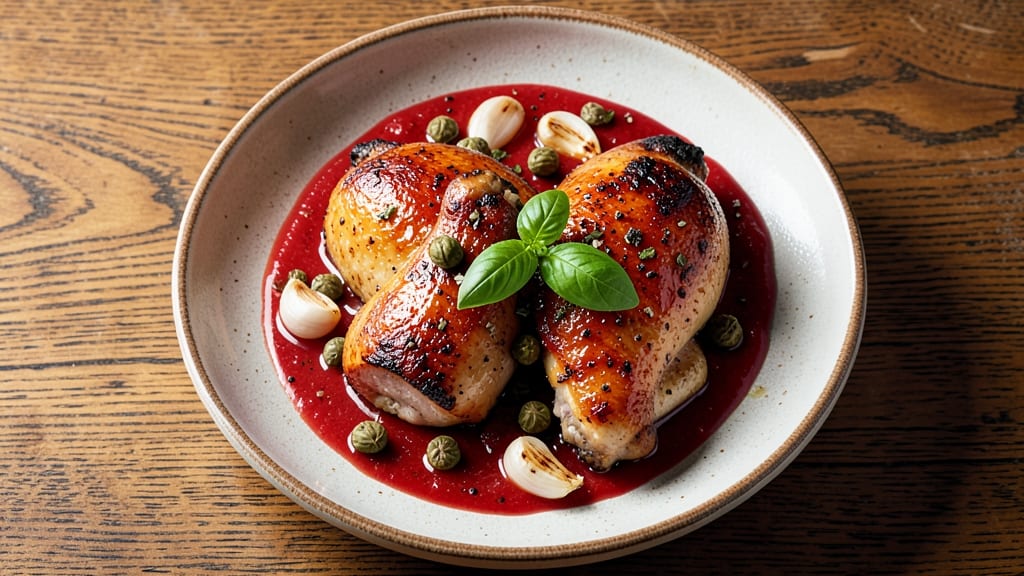
Gordon Ramsay’s chicken cacciatore transforms simple ingredients into a restaurant-worthy masterpiece with rich, wine-braised tomatoes and aromatic herbs. This dish proves that slow-cooked magic doesn’t require fancy techniques—just patience and precise timing. I’ve refined Ramsay’s approach to ensure tender chicken, deep flavors, and a sauce that clings to every bite.
The secret lies in searing the chicken first to develop a golden crust, then deglazing the pan to capture those flavorful browned bits. A splash of white wine cuts through the richness, while canned tomatoes and herbs simmer into a velvety sauce.
This method delivers restaurant-quality results in under two hours, with minimal hands-on time—ideal for weeknight dinners that feel like a special occasion.
By the end, you’ll have succulent chicken thighs swimming in a glossy, herb-infused tomato sauce, perfect over al dente pasta or creamy polenta. The aroma alone will have everyone at the table anticipating the first bite.
Let’s bring this classic to your kitchen with a few foolproof techniques that elevate the dish without the fuss.
This recipe scales beautifully for gatherings, and the leftovers reheat just as well as the first serving. Whether you’re cooking for family or impressing guests, the layered flavors and tender texture make it a standout. Here’s how to master it step by step.
Ingredients for chicken cacciatore gordon ramsay
Ramsay’s signature techniques meet pantry staples for this aromatic, wine-braised masterpiece.
| Ingredient | Amount | Notes |
|---|---|---|
| Chicken Thighs (bone-in, skin-on) 🍗 | 1 ½ lb | Pat dry for better browning |
| Extra-Virgin Olive Oil 🫒 | ¼ cup | High smoke point preferred |
| White Wine 🍷 | 1 cup | Dry variety like Pinot Grigio |
| Canned San Marzano Tomatoes 🍅 | 28 oz | Crushed or whole, no salt added |
| Tomato Paste 🍅 | ¼ cup | High-quality, unsweetened |
| Garlic Cloves 🧄 | 6 cloves | Freshly minced, not pre-minced |
| Fresh Rosemary 🌿 | 1 tbsp | Stems removed, finely chopped |
| Fresh Thyme 🌿 | 1 tbsp | Leaves only, no stems |
| Diamond Crystal Kosher Salt 🧂 | 1 ½ tsp | For seasoning throughout |
| Freshly Ground Black Pepper 🌶️ | ¾ tsp | Freshly ground for best flavor |
| Fresh Red Onion 🧅 | 1 whole | Thinly sliced, not pre-chopped |
| Capers (optional) 🥬 | 2 tbsp | For briny depth, drained |
| Fresh Parsley 🌿 | ¼ cup | Chopped for garnish |
| Unsalted Butter 🧈 | 2 tbsp | For sauce finishing touch |
| Arborio Rice (optional) 🍚 | 1 cup | For serving, uncooked |
The chicken thighs are the foundation—bone-in, skin-on ensures maximum flavor and tenderness. Professional kitchens swear by Costco’s prepped cuts for consistency, but any quality butcher will suffice. Pat them thoroughly dry before searing to achieve that coveted golden crust. Fresh herbs like rosemary and thyme are non-negotiable; Penzeys or local markets offer superior quality compared to grocery store dried blends. The San Marzano tomatoes are a must for their natural sweetness and acidity—Muir Glen or La Vallee are trusted brands that elevate the sauce’s depth.
No white wine on hand? Beef broth with a splash of lemon juice mimics the acidity, though the depth won’t match. Capers add briny complexity but can be omitted if unavailable—substitute a pinch of sea salt to compensate. For the tomato paste, store-brand tubes are perfectly adequate; just ensure they’re unsweetened. The garlic should be freshly minced rather than pre-packaged, as pre-minced garlic loses its potency. Diamond Crystal kosher salt is preferred here for its purity and granularity, though Morton’s fine sea salt works in a pinch.
This dish improves with time, so prep all ingredients ahead and store in airtight containers. The sauce keeps 5–7 days refrigerated and freezes beautifully for up to 3 months—portion into ice cube trays for easy reheating. The chicken thighs can be pre-seared and refrigerated overnight to simplify the process. Garnish with fresh parsley just before serving to preserve its vibrant color. For a complete meal, cook Arborio rice alongside—its starchy texture soaks up the sauce perfectly, making every bite richer.
Why You'll Love This Recipe
- Here’s what sold me: that first sip of white wine deglazing the pan turns into a sauce so deep and tangy, it coats every bite. The San Marzano tomatoes? They’re the secret—sweet, no bitterness, just pure flavor. (Yes, even on a Tuesday night.)
- One-Pan Magic: I swear by this—no chopping boards, no extra dishes. Just sear those bone-in thighs in olive oil until the skin’s golden, then let the wine and tomatoes do the work while you sip your glass. That’s how dinner should feel.
- Wine-Infused Richness: Here’s what sold me: that first sip of white wine deglazing the pan turns into a sauce so deep and tangy, it coats every bite. The San Marzano tomatoes? They’re the secret—sweet, no bitterness, just pure flavor. (Yes, even on a Tuesday night.)
- Leftovers That Shine: Between us, this dish begs for seconds—and thirds. Reheat it the next day, and the sauce gets even better, clinging to the chicken like a hug. I’ve served it cold in wraps for lunch, tossed it into pasta, even used it as a pizza topping. It’s that adaptable.
Step-by-step instructions for chicken cacciatore
This method delivers rich, wine-braised chicken with tender meat and a velvety tomato-herb sauce.
Season and Sear the Chicken Thighs
Pat the 1½ lb chicken thighs (bone-in, skin-on) completely dry with paper towels—this ensures maximum browning. In a small bowl, combine 1½ tsp diamond crystal kosher salt and ¾ tsp freshly ground black pepper, then season both sides of the chicken generously. Let them sit at room temperature for 15 minutes while you prepare the pan.
Heat a large, heavy skillet (cast iron works best) over medium-high heat until very hot. Add ¼ cup extra-virgin olive oil and swirl to coat the pan. Working in batches to avoid crowding, add the chicken thighs skin-side down. Press gently with a spatula to help render the fat and create crispy skin. Cook undisturbed for 5-6 minutes until the skin is deeply golden and crisp. Flip and cook the other side for 4-5 minutes until golden brown and the internal temperature reaches 160°F. Transfer the chicken to a plate and tent loosely with foil to keep warm.
Build the Flavor Base
In the same skillet, reduce the heat to medium and add the 1 tbsp finely chopped fresh rosemary and 1 tbsp fresh thyme leaves. Sauté for 30 seconds until fragrant. Add the 6 minced garlic cloves and cook for another 30 seconds until golden—don't let them burn. Stir in the ¼ cup tomato paste and cook for 1 minute, stirring constantly, until it darkens slightly and develops a deep, caramelized flavor.
Pour in the 1 cup white wine and scrape up any browned bits from the bottom of the pan with a wooden spoon. This deglazing step captures all the concentrated chicken flavor. Let the wine simmer for 2-3 minutes until reduced by half. Add the 28 oz canned San Marzano tomatoes (crushed or whole) and stir to combine. Bring to a gentle simmer and let cook uncovered for 10 minutes to allow the flavors to meld.
Braise the Chicken and Finish the Sauce
Return the chicken thighs to the skillet, skin-side up, and nestle them into the sauce. Add the 1 thinly sliced fresh red onion and 2 tbsp drained capers (optional). Cover the skillet and transfer to a 350°F oven. Braise for 30-35 minutes, until the chicken is fork-tender and the sauce has thickened slightly.
Once the chicken is tender, remove the skillet from the oven and increase the heat to medium. Stir in the 2 tbsp unsalted butter, letting it melt into the sauce for 1-2 minutes until glossy. Taste and adjust seasoning with additional diamond crystal kosher salt or black pepper if needed. The sauce should be rich, slightly tangy, and well-balanced.
Garnish and Serve
Sprinkle the ¼ cup chopped fresh parsley evenly over the top for a pop of color and freshness. Serve the chicken cacciatore immediately over the 1 cup uncooked arborio rice (optional), if using, or alongside crusty bread to soak up the delicious sauce. The dish pairs beautifully with a simple arugula salad dressed with lemon vinaigrette to cut through the richness.
Each bite should deliver perfectly tender, flavorful chicken with a crispy skin that contrasts beautifully against the velvety tomato-herb sauce. The wine braising ensures deep, complex flavors while keeping the chicken moist and succulent.
Pro Tips For Making Chicken Cacciatore Gordon Ramsay
- Don’t Rush the Wine: Let that 1 cup white wine simmer until it’s reduced by half—about 2-3 minutes—before adding the tomatoes. Skimping here means flat flavor. I’ve made this mistake too many times, and the sauce just doesn’t sing the same way.
- Caramelize That Paste: Cook the ¼ cup tomato paste for the full 1 minute, stirring constantly, until it darkens. This isn’t just about color—it’s where the deep, umami base of the sauce gets built. Skip this, and you’ll end up with something closer to ketchup than cacciatore.
- Slice Onions Thinly: Use a sharp knife and cut the 1 whole fresh red onion into paper-thin slices—almost translucent. Thick slices stay stubbornly chewy, and you’ll be left with a mouthful of texture instead of a melt-in-your-mouth finish. Trust me, the effort pays off.
- Butter at the End: Toss in the 2 tbsp unsalted butter only in the last 1-2 minutes over medium heat. This isn’t just for richness—it’s what makes the sauce glossy and luxurious. Add it too early, and you’ll end up with greasy, separated butter instead of a silky finish.
Common mistakes when making great chicken cacciatore gordon ramsay
Skipping the Sear
One of the most common mistakes is skipping the sear step entirely, and honestly, that’s a game-changer for flavor. The sear creates the Maillard reaction that gives the chicken its golden crust and concentrated flavor. Without it, your dish will taste flat and lack that restaurant-quality depth.
I’ve seen home cooks rush straight to the braising stage, and the result is always disappointing—like chicken that’s more like stew meat than a showstopper. 🔥
Rushing the Deglazing
Deglazing the pan after searing is where the magic happens, but many people either skip it or do it half-heartedly. You’ve got to use your wooden spoon to scrape up those browned bits—those are pure flavor gold.
I’ve seen cooks just pour in the wine and walk away, and the sauce ends up watery and lacking complexity. Don’t let that happen; that’s where the soul of the dish lives.
Overcrowding the Pan
Another rookie mistake is overcrowding the skillet when searing the chicken. You’ll end up with steaming chicken instead of searing it, and that’s a recipe for soggy skin and uneven cooking. Work in batches—this isn’t a race.
I’ve seen people cram in all the chicken at once, and the pan temperature plummets, ruining the whole sear. Trust me, patience here pays off with crispy, golden skin. ⏰
Burning the Garlic
Garlic is the star of this dish, but it’s easy to overcook it. Many cooks let it sit in the pan too long, turning it bitter and ruining the sauce. Cook it for just 30 seconds until golden—no more, no less.
I’ve tasted dishes where the garlic was burnt, and it’s an instant flavor killer. Freshly minced garlic is your best friend here; pre-minced just won’t cut it.
Skipping the Rest
After braising, the chicken needs time to rest, but some people can’t wait to dig in. Letting the chicken rest for 10-15 minutes after cooking allows the juices to redistribute, keeping it moist and tender.
I’ve seen cooks slice into it immediately, and the result is dry, stringy meat. This is a non-negotiable step—don’t skip it!
Neglecting the Sauce Reduction
Finally, the sauce should thicken slightly, but many cooks give up too early. If it’s still too thin after braising, don’t just add more liquid—simmer it uncovered until it reaches the right consistency.
I’ve seen dishes where the sauce was watery and lacked depth, and it’s always because the cook didn’t let it reduce properly. Patience here makes all the difference. 💫
Nutrition facts
Frequently asked questions
Can I use chicken breasts instead of thighs for this recipe?
While bone-in, skin-on thighs are ideal for their juiciness and rich flavor, you can adapt this recipe with boneless, skinless chicken breasts. Just reduce the cooking time by 10-15 minutes since breasts cook faster. For best results, pound them to an even thickness first to ensure even cooking. The sauce will still be delicious, but the texture will be slightly different.
What if I don’t have white wine for the recipe?
No problem! Substitute with 1 cup dry white wine vinegar mixed with 1 cup beef or chicken broth to mimic the acidity and depth. Alternatively, use 1 cup dry white wine substitute (like grape juice mixed with a splash of lemon juice), though the flavor won’t be identical. The dish will still be flavorful—just adjust seasoning as needed.
How do I know when the chicken is fully cooked?
Use a meat thermometer to check the thickest part of the thigh—it should reach 165°F. The chicken is done when the juices run clear and the internal temperature is consistent. For extra assurance, let it rest for 5-10 minutes after cooking before slicing. This rest time ensures juices redistribute for tender, moist meat.
Can I make this dish ahead of time?
The chicken and sauce taste even better the next day. After braising, let it cool completely, then refrigerate for up to 3 days. Reheat gently in the oven at 325°F for 20-25 minutes until warmed through. For longer storage, freeze the sauce separately for up to 3 months—just thaw and reheat before serving.