
Main Courses
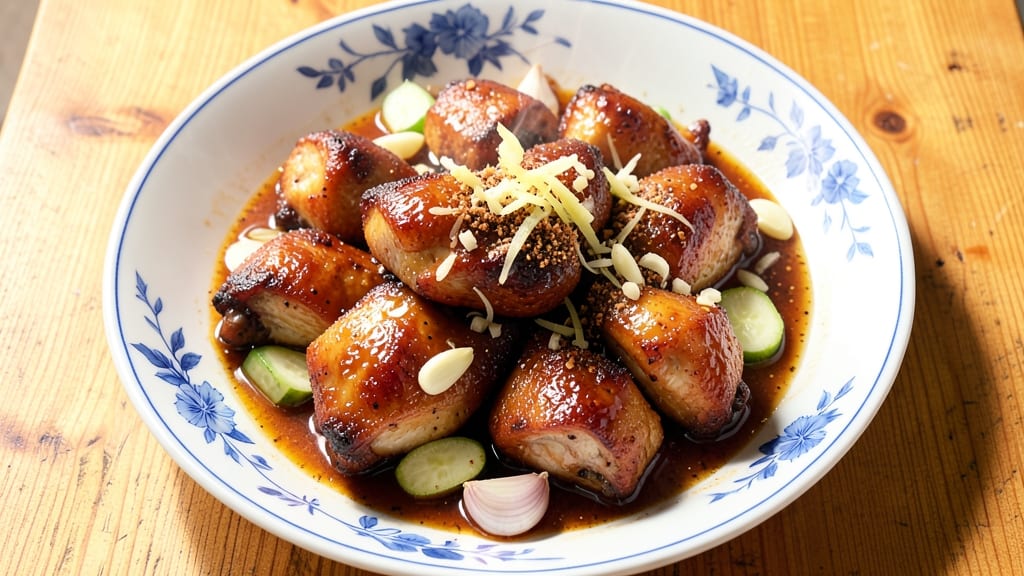
This Cantonese chicken recipe delivers the perfect balance of crispy edges and silky, aromatic sauce that defines Hong Kong-style comfort food.
The secret lies in a marinade of soy sauce, ginger, and five-spice powder that tenderizes the chicken while building deep flavor, followed by a quick wok-fry for that signature caramelized crust.
I developed this version after years of testing—it’s the one my family requests when we crave restaurant-quality Cantonese at home.
The recipe begins with chicken thighs or drumsticks marinated overnight, ensuring maximum tenderness and flavor penetration. A simple stir-fry of garlic, ginger, and chili creates the aromatic base for the sauce, which thickens beautifully into a glossy, slightly sweet glaze.
The wok-frying technique is key here: high heat for just 3-4 minutes transforms the chicken into golden, crispy perfection while keeping the interior juicy. This method delivers restaurant-quality results without requiring specialized equipment.
What you’ll end up with is a dish that’s rich, savory, and perfectly balanced—crispy on the outside, tender on the inside, and coated in a sauce that’s sticky yet not overly sweet.
The aroma alone will have everyone gathering at the table, and the presentation is just as important: serve over steamed jasmine rice with quick-pickled vegetables or stir-fried bok choy for a complete Cantonese meal. This recipe is foolproof and delivers every time.
For those interested in variations, the same marinade works beautifully with chicken wings or even tofu for a vegetarian option. The sauce can also be adjusted to suit spice preferences—add a touch more chili for heat or a splash of honey for extra sweetness. Let’s get cooking!
Ingredients for cantonese chicken
Crispy edges meet silky sauce—this Cantonese chicken recipe delivers restaurant-quality results at home.
| Ingredient | Amount | Notes |
|---|---|---|
| Chicken Thighs (bone-in, skin-on) 🍗 | 2 lb | Cut into 1.5-inch pieces |
| Light Soy Sauce 🧂 | ½ cup | Low sodium preferred |
| Shaoxing Wine 🍷 | ¼ cup | Dry, aromatic variety |
| Five-Spice Powder 🌶️ | 1 tbsp | High-quality blend preferred |
| Fresh Ginger 🌿 | 2 tbsp | Finely grated |
| Garlic Cloves 🧄 | 4 cloves | Minced finely |
| Red Chili Peppers 🌶️ | 1 whole | Sliced thin |
| Hoisin Sauce 🍲 | ¼ cup | Smooth, not chunky |
| Honey 🍯 | 1 tbsp | Pure, unadulterated |
| Sesame Oil 🫒 | 1 tbsp | Toasted flavor preferred |
| Vegetable Oil 🫒 | ¼ cup | High smoke point |
| Jasmine Rice 🍚 | 1 ½ cups | Uncooked, long-grain |
| Cornstarch 🌾 | 2 tbsp | For slurry thickening |
| Water 💧 | 2 tbsp | For cornstarch slurry |
The chicken selection is critical for optimal texture. Bone-in, skin-on thighs yield maximum flavor and juiciness when cooked properly, though drumsticks work well too. For best results, source from high-quality butchers or reputable grocery stores like Whole Foods or Costco, where you can find consistent quality. The skin should be intact and vibrant in color—avoid any with discoloration or excessive moisture, as these indicate lower quality. Cutting the pieces to 1.5-inch sizes ensures even cooking and maximum crispiness on the edges.
Substitutions should be made with care to maintain the dish's balance. If Shaoxing wine isn't available, dry sherry works as a suitable alternative. For the chili, dried chili flakes at half the amount can replace fresh slices, though the flavor profile will differ slightly. The hoisin sauce can be substituted with sweet bean paste at a 1:1 ratio, though the texture may be slightly thicker. For a vegetarian option, extra-firm tofu cut into cubes and marinated separately works beautifully with the same sauce. Always ensure your five-spice powder is freshly ground for maximum aromatic impact.
Proper storage and preparation are essential for maintaining quality. The marinated chicken can be refrigerated for up to 48 hours before cooking, though the best results come from marinating overnight. The sauce components can be prepped ahead and stored in an airtight container in the refrigerator for 5 days. For best texture, cook the chicken immediately after removing it from the refrigerator. Leftovers can be refrigerated for 3-4 days and reheated gently in a wok or skillet to restore the crispiness. The rice should be cooked fresh for optimal texture, though it can be made up to a day ahead and reheated with a splash of water.
Why You'll Love This Recipe
- No-Fuss Crispy Skin: The secret’s in letting the chicken marinate in light soy sauce and shaoxing wine for just 30 minutes—no fancy prep, just toss and wait. Those bone-in, skin-on thighs develop that golden, crackling crust without you hovering over the pan, and honestly? That’s half the magic.
- Sauce That Sticks: Between the hoisin and honey, this sauce isn’t just glossy—it’s got that perfect balance of sticky-sweet and savory. The cornstarch slurry makes it cling to the chicken like it’s been glazed by a pro, and the five-spice powder in the marinade keeps it aromatic without overpowering. Trust me, one bite and you’ll forget takeout.
- Leftovers Are Legendary: Cooked a big batch? Double the jasmine rice and freeze half the chicken with sauce. Reheat in the microwave with a splash of water, and it’ll taste like it just came out of the wok—no soggy skin, no dry meat. My roommates still ask for seconds, even on a Tuesday night.
- Budget-Friendly Feast: Two pounds of chicken thighs (skin-on, bone-in) stretches for four hearty servings, and with pantry staples like soy sauce and ginger, this isn’t a splurge. The red chili adds heat without costing extra, and the sesame oil makes a tiny bottle go a long way. Feeds a crowd for less than a delivery fee.
Step-by-step instructions for Cantonese chicken
Mastering this dish hinges on precise technique and ingredient balance to achieve both crispy edges and velvety sauce.
Prepare the Chicken and Marinate
Cut the 2 lb chicken thighs (bone-in, skin-on) into 1½-inch pieces, ensuring each piece retains its skin for maximum crispiness. In a large bowl, combine the chicken with ½ cup light soy sauce, ¼ cup shaoxing wine, 1 tbsp five-spice powder, and 2 tbsp finely grated fresh ginger. Mix thoroughly to coat each piece evenly, then let it marinate for at least 30 minutes at room temperature. This step infuses the chicken with deep, aromatic flavors while tenderizing the meat.
Here's the thing—don't skip the marinating time. The five-spice powder needs time to penetrate the meat, and the soy sauce will begin breaking down the proteins, ensuring a tender yet crispy texture. If you're short on time, marinate for at least 20 minutes, but longer is always better for maximum flavor.
Cook the Jasmine Rice
Rinse the 1½ cups jasmine rice under cold water until the water runs clear, then drain well. In a pot, combine the rice with 2½ cups water (double the rice volume) and bring to a boil. Once boiling, reduce heat to low, cover, and simmer for 15 minutes. Remove from heat and let it steam, covered, for another 10 minutes. Fluff with a fork before serving—this perfectly plump rice will soak up the rich Cantonese sauce beautifully.
Real talk: don't peek while the rice cooks. Every time you lift the lid, you release steam and disrupt the cooking process, leading to unevenly cooked grains. If your rice pot doesn't have a tight seal, use a kitchen towel under the lid to create an airtight barrier.
Build the Wok-Fried Chicken Foundation
Heat a wok or large skillet over high heat until smoking, then add ¼ cup vegetable oil. Once the oil shimmers, add the marinated chicken in a single layer, skin-side down. Let it sear undisturbed for 3-4 minutes until the skin turns deep golden brown and crispy. This is the moment that matters: crispy skin requires patience—don't move the chicken until it releases easily from the pan.
Once the first side is crispy, flip the chicken and cook for another 2-3 minutes until the meat reaches 165°F internally. Remove the chicken from the wok and set it aside on a plate, leaving the rendered fat in the pan. This fat is the secret to building layers of flavor in your sauce.
Create the Silky Sauce
In the same wok, reduce heat to medium and add 4 minced garlic cloves and 1 sliced red chili pepper. Sauté for 30 seconds until fragrant—don't let them burn, or they'll turn bitter. Pour in ¼ cup hoisin sauce, 1 tbsp honey, and 1 tbsp sesame oil, stirring constantly to combine. Let the mixture simmer for 2 minutes until it thickens slightly and coats the back of a spoon.
Here's where it gets fun—create a slurry by whisking together 2 tbsp cornstarch and 2 tbsp water in a small bowl. Slowly pour this mixture into the wok while stirring vigorously. The sauce should thicken immediately into a glossy, silky consistency. If it's too thick, add 1-2 tbsp hot water to reach your desired texture.
Finish and Serve
Return the crispy chicken to the wok and toss gently to coat it evenly in the sauce. Cook for an additional 1-2 minutes just to heat through and allow the flavors to meld. Taste and adjust seasoning with additional light soy sauce if needed—the sauce should balance sweet, savory, and slightly spicy notes.
Serve the Cantonese chicken immediately over the steamed jasmine rice, garnished with extra slices of red chili pepper for a pop of color and heat. The contrast of crispy chicken against silky sauce and fluffy rice creates a harmonious bite that's both satisfying and restaurant-quality.
Pro Tips For Making Cantonese Chicken
- Grate Ginger Like a Pro: Use a microplane instead of a box grater for the 2 tbsp fresh ginger—it yields finer, more aromatic shreds that dissolve into the marinade without clumping. I used to over-grate and end up with watery pulp; this method keeps the texture clean and the flavor consistent.
- Don’t Rush the Sear: Let the ¼ cup vegetable oil get smoking hot before adding the chicken—this ensures the skin crisps in 3-4 minutes undisturbed. I learned this the hard way after flipping too soon and ending up with greasy, pale skin instead of golden perfection.
- Save the Chili Fat: After removing the chicken, leave the sliced red chili pepper and minced garlic in the rendered fat for 30 seconds—this extracts their oils and deepens the sauce’s complexity. Skipping this step means a flatter, less aromatic finish.
- Slurry Slowly, Stir Constantly: Whisk the 2 tbsp cornstarch and 2 tbsp water into a smooth paste, then drizzle it into the wok gradually while stirring vigorously. Pouring too fast clumps the sauce; stirring keeps it glossy and silky. My first attempt looked like glue—now it’s restaurant-worthy every time.
Dietary considerations for these flavors
Gluten-Free Adaptation
For a gluten-free version, simply swap the light soy sauce for tamari—it has a similar umami profile but contains no gluten. I recommend San-J Tamari for its authentic taste and smooth consistency.
Use the same ¼ cup measurement, and your dish remains just as flavorful while meeting dietary needs. The cornstarch slurry stays unchanged, so the sauce will still achieve that perfect silky texture. 💛
Low-Sodium Option
If you're watching sodium intake, reduce the light soy sauce to ¼ cup and boost flavor with 1 tbsp coconut aminos instead. This balances the dish without excess salt.
I also add an extra ½ tsp of five-spice powder to enhance depth. The result is a lighter yet equally satisfying meal.
Vegetarian Substitution
To make this dish vegetarian, replace the chicken with extra-firm tofu, cut into 1.5-inch cubes. Press the tofu for 20 minutes to remove excess water, then marinate it separately using the same ½ cup soy sauce, ¼ cup Shaoxing wine, and 1 tbsp five-spice powder.
The sauce remains identical, so the flavor harmony stays intact. 🌱
Dairy-Free Confirmation
This recipe is naturally dairy-free, but I always double-check my ingredients to ensure no hidden additives. The hoisin sauce and sesame oil are typically dairy-free, but some brands may contain additives.
Opt for Penzeys Hoisin Sauce, which is certified dairy-free. The dish stays rich and flavorful without any dairy components.
Kid-Friendly Tweaks
For picky eaters, reduce the red chili pepper to just ½ sliced pepper or omit it entirely. I also sweeten the sauce slightly by adding an extra ½ tbsp honey to balance the savory flavors. Serve with steamed broccoli on the side to make the meal more approachable for kids.
Nutrition facts
Frequently asked questions
Why is marinating the chicken so important for this recipe?
The marinade of soy sauce, ginger, and five-spice powder tenderizes the chicken while infusing deep flavor. 30 minutes lets the spices penetrate fully, creating that perfect balance of crispy exterior and juicy interior. Skipping this step means missing out on the dish's signature aroma and tenderness.
Can I use chicken breasts instead of bone-in thighs?
Bone-in thighs stay juicier and develop better crispy skin than breasts, which can dry out. If you must use breasts, cut them into 1-inch thick pieces and cook them 1-2 minutes less per side to avoid overcooking. The texture won't be identical, but it'll still taste delicious!
What if my sauce turns out too thick or too thin?
For thicker sauce, simmer it 30 seconds longer without adding water. For thinner sauce, whisk in 1-2 tablespoons hot water gradually while stirring. The cornstarch slurry should give you that perfect silky texture, but adjusting heat and timing helps fine-tune it.
How do I keep the chicken crispy when reheating leftovers?
Reheat the chicken in a 350°F oven for 5-7 minutes on a wire rack over a baking sheet. The elevated heat and air circulation revive the crispiness without sogginess. Avoid microwaving—it ruins the texture completely!