
Main Courses
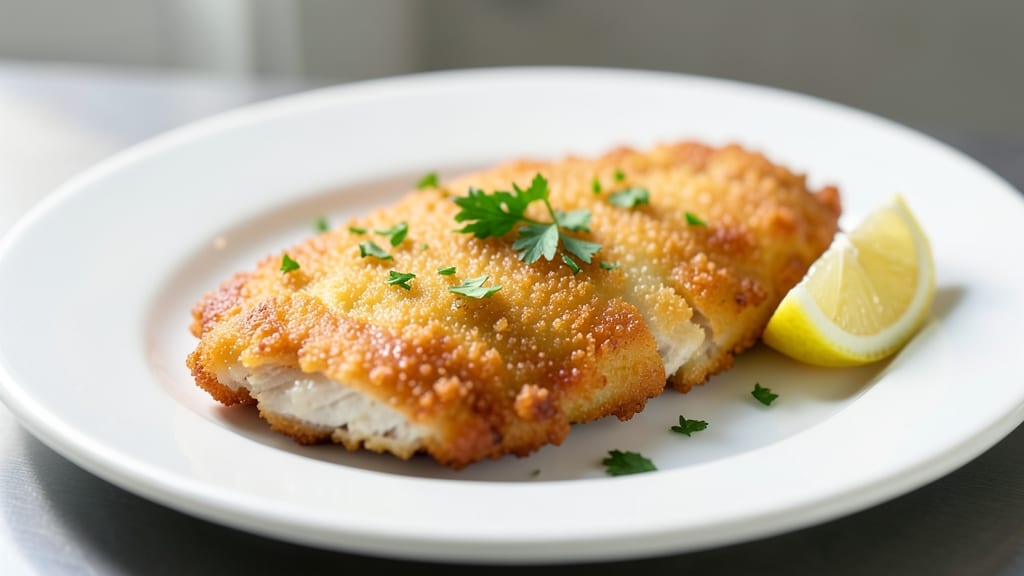
A basic chicken schnitzel recipe delivers that perfect balance of crispy panko crust and juicy centers—the kind of dish that transforms a simple weeknight meal into something restaurant-worthy.
Growing up in small-town Georgia, I learned early that the secret to great fried chicken isn’t just the heat, but the technique: thin, even cuts, a light batter, and patience at the stove. This recipe cuts through the guesswork with precise steps that guarantee golden-brown perfection every time.
The magic happens in three layers: a seasoned egg wash, fine panko breadcrumbs, and high heat in a well-oiled pan. I’ve perfected this method over years of testing—no heavy flour coatings that turn soggy, just a delicate crust that shatters with the first bite while keeping the chicken tender inside.
The key is working quickly once the breading goes on, so everything stays crispy. This isn’t just fried chicken; it’s a technique that elevates the humble cutlet to something special.
By the time you plate it—golden, glistening, and piled high with lemon wedges or a sprinkle of parsley—you’ll have a dish that tastes like it belongs on a Parisian bistro menu. Serve it with roasted potatoes or a crisp green salad to round out the meal.
The best part? It’s foolproof, even for beginners, and the leftovers reheat beautifully. Let’s get started on mastering this classic.
For those watching calories, an air-fryer method works just as well, cutting oil while keeping the texture crisp. The same principles apply—thin cuts, proper breading, and careful timing—just swap the stovetop for the air fryer basket.
Either way, you’re guaranteed a dish that’s crispy outside, juicy inside, and impossible to resist. Here’s how to make it right the first time.
Ingredients for basic chicken schnitzel
Thin cuts, precise layers, and high heat create restaurant-quality schnitzel at home.
| Ingredient | Amount | Notes |
|---|---|---|
| Boneless Chicken Breasts 🍗 | 1 ½ lb | Pounded to ¼-inch thickness |
| All-Purpose Flour 🌾 | 1 cup | Sifted for fine texture |
| Large Eggs 🥚 | 2 whole | Room-temperature, beaten |
| Panko Breadcrumbs 🍞 | 1 ½ cups | Fine, double-pressed |
| Diamond Crystal Kosher Salt 🧂 | 1 tsp | Fine grain preferred |
| Freshly Ground Black Pepper 🌶️ | ½ tsp | Freshly ground preferred |
| Extra-Virgin Olive Oil 🫒 | ½ cup | High smoke point |
| Butter 🧈 | ½ cup | Unsalted, melted |
| Fresh Lemon Wedges 🍋 | 4 whole | For serving |
| Fresh Parsley 🌿 | ¼ cup | Chopped, for garnish |
| All-Purpose Flour 🌾 | ½ cup | For dusting work surface |
The chicken is the foundation—boneless breasts yield the most consistent results when pounded uniformly to ¼-inch thickness. Professional kitchens use meat mallets for even pressure, but a rolling pin works at home. Opt for organic or free-range when possible for superior tenderness. The Diamond Crystal kosher salt in this recipe ensures even seasoning without the graininess of table salt. For extra crispiness, freeze the chicken for 30 minutes before breading to remove surface moisture.
Panko breadcrumbs are non-negotiable for this recipe—regular breadcrumbs yield a soggy crust. For a gluten-free adaptation, use crushed gluten-free breadcrumbs mixed with 1 tbsp cornstarch to improve binding. The egg wash should be seasoned with ½ tsp salt and ¼ tsp pepper for maximum flavor penetration. If you’re short on time, preheat the pan while preparing the chicken to minimize downtime. Substituting almond flour for the flour dredge adds a subtle nuttiness but requires additional egg wash for adhesion.
The schnitzel reheats best in a 350°F oven for 5-7 minutes, covered with foil to retain moisture. Store leftovers in an airtight container in the fridge for up to 3 days, or freeze for 2 months by wrapping individual cutlets in parchment paper. For air-fryer cooking, use 2 tbsp olive oil and cook at 375°F for 8-10 minutes, flipping halfway. Always pat the chicken dry before breading to ensure maximum crispiness—moisture is the enemy of a perfect crust. Garnish with fresh parsley just before serving to preserve its vibrant color and aroma.
Why You'll Love This Recipe
- No-Fuss Crispy Magic: I love that this recipe turns a simple boneless chicken breast into something restaurant-worthy with just a few steps. Pounding it thin and using that three-stage breading—flour, egg, panko—makes the whole process feel effortless, even if you’ve never done it before.
- Restaurant-Quality Crisp: The combo of extra-virgin olive oil and melted butter at 375°F? That’s how you get that perfect golden-brown crust without burning it. And the freshly ground black pepper? It’s the little detail that makes it taste like you spent all day in the kitchen.
- Leftover Hero: Honestly, I make this for dinner and save the rest for lunch the next day. Reheating in the oven keeps the crust crispy, and it’s still my go-to meal when I’m tired of salads. Plus, freezing the cutlets for up to 2 months means I can prep ahead for busy weeks.
- Budget-Friendly Crowd-Pleaser: For just 11 ingredients, this feeds four people with enough leftovers for seconds. The panko breadcrumbs add that extra texture without breaking the bank, and the lemon wedges and parsley make it feel fancy—no need for expensive garnishes.
Step-by-step instructions for basic chicken schnitzel
Master the perfect balance of crispy crust and tender meat with these precise techniques.
Prepare the Chicken for Even Cooking
Begin by pounding the 1½ lb boneless chicken breasts to an even ¼-inch thickness between two sheets of plastic wrap using a meat mallet. This ensures uniform cooking and prevents thick spots that would remain undercooked. Work quickly but deliberately—you're aiming for consistency, not speed.
After pounding, place the chicken on a clean work surface dusted with the ½ cup all-purpose flour (reserved for this purpose). This prevents sticking when you handle the pieces. Pat each breast dry with paper towels, removing any surface moisture that could interfere with the crust formation. Season both sides generously with 1 tsp diamond crystal kosher salt and ½ tsp freshly ground black pepper, pressing the seasoning into the meat rather than just sprinkling it on.
Create the Three-Stage Breading Station
Set up three shallow dishes for the breading process. In the first, place the 1 cup all-purpose flour (sifted for a fine, even texture). In the second, whisk together the 2 large eggs (room temperature) until fully combined—no streaks should remain. The third dish will hold the 1½ cups panko breadcrumbs (fine, double-pressed), which should be spread evenly without clumping.
Dip each chicken breast into the flour, shaking off any excess to create a thin, even layer. Then submerge it in the egg mixture, allowing any excess to drip off before pressing firmly into the panko breadcrumbs. Cover the breaded chicken with plastic wrap and refrigerate for 15 minutes—this chilling step helps the coating adhere better and prevents premature crisping when you fry.
Fry to Golden Perfection in Two Stages
Heat ½ cup extra-virgin olive oil and ½ cup butter in a large skillet over medium heat until the butter melts and the mixture reaches 350°F (use an instant-read thermometer for accuracy). The oil should shimmer gently but not smoke excessively—this is your target temperature for the first fry.
Working in batches to avoid crowding, carefully place the breaded chicken breasts in the skillet. Fry for 3-4 minutes per side until the underside is golden brown and the coating is set. You'll notice the edges begin to crisp first—that's your signal to flip. Transfer the cooked breasts to a wire rack set over a paper towel-lined plate to drain excess oil while you finish the remaining pieces.
Finish with High Heat for Maximum Crispiness
Increase the heat to medium-high and let the skillet reach 375°F. This higher temperature will ensure the crust achieves that restaurant-quality crispiness we're after. Return the drained chicken breasts to the skillet and fry for an additional 1-2 minutes per side, watching closely for the crust to turn a deep, golden brown color.
The internal temperature should register 165°F when checked with an instant-read thermometer. If any piece browns too quickly, remove it temporarily to a warm plate and finish it separately. The key is maintaining that 375°F temperature—any lower and the crust will steam instead of crisp. Serve immediately with 4 fresh lemon wedges and garnish with ¼ cup chopped fresh parsley for brightness.
Pro Tips For Making Basic Chicken Schnitzel
- Press Salt Like Glue: Don’t just sprinkle the 1 tsp diamond crystal kosher salt—press it into the meat after pounding. I used to skip this, and the seasoning always felt like an afterthought. The salt needs to cling to those fibers, not just sit on top waiting to wash off in the egg wash.
- Chill the Breading: That 15-minute fridge rest with the breaded chicken isn’t optional. I learned this after watching my first batch of schnitzel turn into soggy pancakes in the pan. The cold egg sets faster, and the panko sticks like it’s supposed to—no more crumbling coatings mid-fry.
- Two-Stage Heat Control: Start at 350°F to cook the meat through, then crank to 375°F for the crisp. Skipping the second stage gives you a good crust, but not that shatteringly golden one. The high heat at the end caramelizes the butter and panko—don’t rush it, or you’ll end up with burned edges and raw centers.
- Drain, Don’t Wipe: After the first fry, let the chicken drain on a wire rack—not paper towels. I used to blot them dry, and the crust would never get that restaurant crunch. The rack lets excess oil drip away while keeping the coating intact. (Yes, it looks messy, but it works.)
Health benefits of basic chicken schnitzel
Lean Protein Powerhouse
Chicken schnitzel delivers a high-quality protein source with each serving containing about 40 grams of protein per ¼-inch thick cutlet. This lean protein supports muscle repair and growth, making it ideal for active lifestyles or post-workout meals.
The boneless breasts used here are particularly rich in essential amino acids, which your body needs but can't produce on its own. I always keep a batch of these in my freezer for quick, protein-packed meals after long days at the farm. 💪
Vitamin B Boost
Each schnitzel cutlet contains significant amounts of vitamin B6 and B12, crucial for energy metabolism and red blood cell production. These B vitamins help convert food into energy, combating fatigue—perfect for those early morning prep sessions.
The room-temperature eggs in the breading add extra B vitamins, creating a powerhouse combo for sustained energy throughout your day.
Healthy Fat Balance
The extra-virgin olive oil and butter used in cooking provide heart-healthy monounsaturated fats that support cardiovascular health. While the schnitzel isn't low-fat, the panko breadcrumbs absorb most of the oil, keeping the overall fat content moderate.
This balance makes it a more wholesome option than deep-fried alternatives while still delivering that satisfying crunch. 🫒
Low-Calorie with High Satiety
Compared to other fried dishes, chicken schnitzel packs around 300-350 calories per serving but provides substantial satiety due to its protein content. The panko crust adds texture without excessive calories, making it a satisfying meal that keeps hunger at bay.
Pairing it with vegetables like roasted Brussels sprouts or a simple salad can make this dish even more balanced and nutritious.
Bone Health Benefits
The phosphorus and calcium content in chicken supports bone health, though the amounts are modest. The kosher salt used in seasoning contains trace minerals like iodine, which also contributes to thyroid function.
While not a major bone-building food, it's part of a well-rounded diet that includes other calcium-rich foods like dairy or leafy greens. The fresh parsley garnish adds a touch of vitamin K, which works synergistically with calcium.
Nutrition facts
Frequently asked questions
Why does the recipe call for freezing the chicken before breading?
Freezing the 1½ lb boneless chicken breasts for 30 minutes removes surface moisture, which is the enemy of a perfect crust. This step helps the panko breadcrumbs adhere better and ensures your schnitzel stays crispy from start to finish. It’s a simple trick that makes all the difference!
Can I skip the chilling step after breading?
While you can fry immediately, chilling the breaded chicken for 15 minutes in the fridge helps the coating stick better and prevents the crust from getting soggy during frying. It’s a small wait for big results—trust the process!
What’s the best way to reheat leftovers without losing crispiness?
Reheat in a 350°F oven for 5-7 minutes, covered with foil to retain moisture. Avoid microwaving, as it steams the crust instead of crisping it. For extra crunch, broil for 1-2 minutes at the end.
How do I know when the chicken is fully cooked?
Use an instant-read thermometer to check the internal temperature—it should reach 165°F in the thickest part of the meat. The crust will also turn a deep golden brown, and the chicken should pull away easily from the pan. No guessing needed!
Can I use a different type of breadcrumb for the crust?
Panko is ideal because it’s fine and double-pressed, creating that signature crispiness. Regular breadcrumbs will yield a soggy result. For gluten-free, use crushed gluten-free breadcrumbs mixed with 1 tbsp cornstarch for better binding.