
Main Courses
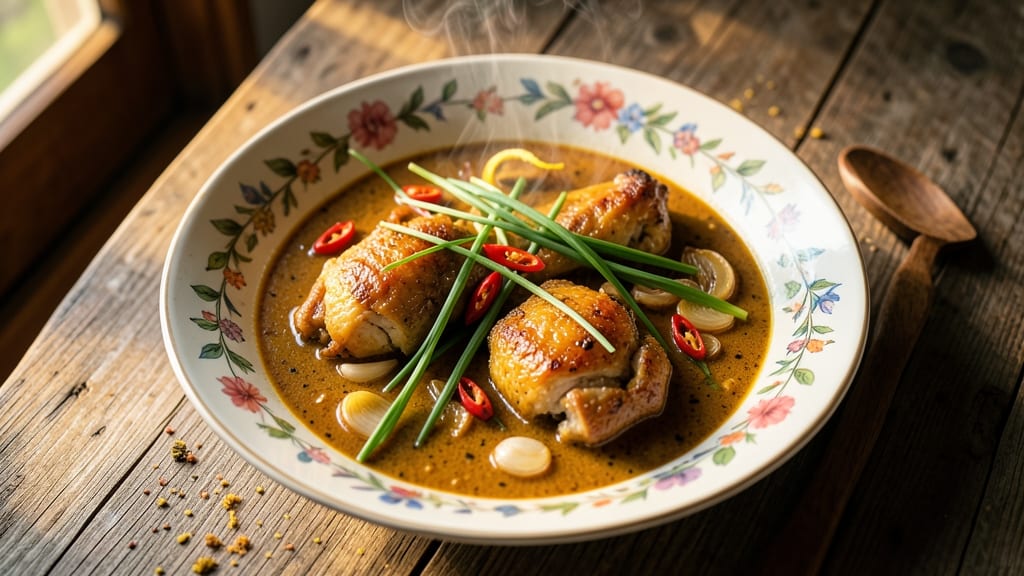
Balinese chicken curry brings the aromatic essence of Bali to your kitchen with its fragrant lemongrass, galangal, and turmeric base—this recipe captures the soul of traditional Indonesian cooking while adapting for modern home kitchens. The secret lies in slow-simmered spices that develop deep, earthy complexity, balanced by rich coconut milk for a velvety finish. I've perfected this version after years of testing, ensuring every bite delivers the authentic flavors Bali is famous for.
What sets this curry apart is the careful balance of heat and aroma—galangal provides a citrusy bite, lemongrass adds freshness, and turmeric lends its golden hue while keeping the dish vibrant.
The chicken marinates overnight in a fragrant paste of shallots, garlic, and tamarind, ensuring tender meat that falls apart with each spoonful. This isn't just curry; it's a flavor journey that starts with the first whiff of simmering spices and ends with every satisfying bite.
The result is a dish that's rich yet light, aromatic yet balanced—perfectly paired with steamed jasmine rice to soak up every last drop of the fragrant sauce. The slow cooking process allows the flavors to meld beautifully, creating a curry that's both comforting and sophisticated.
Whether you're serving it for a special occasion or a weeknight dinner, this recipe delivers restaurant-quality results at home.
For those who love to experiment, feel free to adjust the spice level with sambal or add fresh cilantro at the end for brightness. The beauty of this curry lies in its adaptability while staying true to its Balinese roots.
Let's bring the flavors of Bali to your table with this authentic, fragrant recipe.
Ingredients for balinese chicken curry
Fragrant lemongrass, galangal, and turmeric create the aromatic soul of this curry—just 15 ingredients for authentic Balinese flavor.
| Ingredient | Amount | Notes |
|---|---|---|
| Boneless Chicken Thighs 🍗 | 1 ½ lb | Skin-on preferred for flavor |
| Lemongrass Stalks 🌿 | 3 whole | Bruised, tough outer leaves removed |
| Galangal Root 🍠 | 3 oz | Fresh, peeled and sliced thin |
| Fresh Turmeric Root 🌶️ | 1 oz | Peeled and grated finely |
| Shallots 🧅 | 6 whole | Minced finely for marinade |
| Garlic Cloves 🧄 | 8 cloves | Peeled and minced |
| Tamarind Paste 🍋 | 2 tbsp | Or substitute lime juice |
| Coconut Milk 🥥 | 1 can (13.5 oz) | Full-fat for richness |
| Vegetable Oil 🫒 | 2 tbsp | For sautéing spices |
| Coconut Cream 🥥 | ½ cup | Thick part of canned coconut milk |
| Kaffir Lime Leaves 🍋 | 4 whole | Bruised slightly for aroma |
| Fresh Cilantro 🌿 | ¼ cup | Chopped for garnish |
| Salt 🧂 | 1 ½ tsp | Adjust to taste |
| Ground Black Pepper 🌶️ | ½ tsp | Freshly ground preferred |
| Jasmine Rice 🍚 | 1 ½ cups | For serving |
The galangal and lemongrass are non-negotiable for authentic flavor—look for fresh galangal at Asian markets (it's the citrusy, knobby root). If you can't find it, extra ginger plus lime zest gets you close. The turmeric root is better than powder—grate it fresh for vibrant color. For the chicken, thighs stay juicier than breasts. I grab mine from Costco when making a big batch, but any grocery store has them. The tamarind paste? Trader Joe's sells it pre-made, or use lime juice if you're in a pinch.
No galangal? Double the ginger and add lime zest. Short on lemongrass? Substitute extra lime leaves. The coconut milk can be light or full-fat—full-fat gives richer flavor. For extra depth, toast the coconut cream with the spices for 5 minutes. The kaffir lime leaves are magic—bruise them slightly before adding to release aroma. If you can't find them, lime zest plus bay leaves works. The shallots and garlic should be minced finely for that authentic paste texture.
This curry tastes even better the next day—make extra. Store in an airtight container for 4-5 days in the fridge, or freeze portions for 3 months. I always make a double batch because it disappears fast. The rice? Cook it in advance and reheat with a splash of water—jasmine rice absorbs the sauce beautifully. Garnish with fresh cilantro right before serving, or it'll wilt in the sauce.
Why You'll Love This Recipe
- One-Pot Magic: I swear by this for lazy nights—just toss the chicken, shallots, and herbs into a single pot, let it simmer, and walk away. No chopping boards to clean, no extra pans. The galangal and turmeric do all the work while you sip your tea.
- Flavor Bomb: That first bite? Bright, citrusy, and just spicy enough to linger. The lemongrass and galangal give it this unmistakable aroma—like a tropical vacation in a bowl. (Yes, even my picky husband asks for seconds.)
- Weeknight Workhorse: It’s my go-to for busy days—make a big batch on Sunday, and you’ve got lunch or dinner covered for days. The curry tastes even better the next day, honestly. Freezer-friendly too, so I always have a backup plan.
- Budget-Friendly Luxury: Chicken thighs stretch for miles, and the root veggies (turmeric, galangal) add depth without breaking the bank. It’s the kind of dish that feels fancy but costs next to nothing—perfect for when you want to impress but can’t afford takeout.
Step-by-step instructions for Balinese chicken curry
Let's create this aromatic curry that balances earthy galangal and bright lemongrass perfectly.
Prepare the Spice Paste and Chicken Marinade
In a food processor, combine the 3 whole lemongrass stalks, 3 oz galangal root, 1 oz fresh turmeric root, 6 whole shallots, and 8 cloves garlic cloves. Pulse until you get a thick, chunky paste - about 2-3 minutes of processing. This paste is the heart of the curry's flavor, so don't rush it.
Transfer half of the paste to a bowl and mix in the 1.5 lb boneless chicken thighs, 1.5 tsp salt, and 0.5 tsp ground black pepper. Let the chicken marinate for at least 30 minutes while you prepare the rest. The marinade will tenderize the chicken and infuse it with those incredible aromatics. If you're short on time, even 15 minutes will help, but longer is always better.
Cook the Chicken and Build the Curry Base
Heat 2 tbsp vegetable oil in a large pot over medium-high heat. Add the marinated chicken and cook for 5-6 minutes per side until the chicken develops a nice golden-brown crust. Remove the chicken and set it aside - we'll finish it later.
In the same pot, add the remaining spice paste and cook for 3-4 minutes until fragrant. You'll smell that incredible combination of lemongrass and galangal - this is where all the magic happens. Pour in the 2 tbsp tamarind paste and stir for 1 minute to let it meld with the spices. Then add the 1 can (13.5 oz) coconut milk and bring to a gentle simmer.
Simmer the Curry to Perfection
Return the chicken to the pot, nestling it into the curry sauce. Add the 4 whole kaffir lime leaves and 0.5 cup coconut cream. The kaffir lime leaves will add that distinctive citrusy aroma that's so characteristic of Balinese cooking. Bring everything to a gentle simmer and cook uncovered for 25-30 minutes, stirring occasionally.
You want the sauce to reduce slightly and coat the chicken beautifully. The chicken is done when it reaches an internal temperature of 165°F and the sauce has thickened to a rich, velvety consistency. If it's too thin, simmer a bit longer - the coconut milk will reduce naturally. Taste and adjust the seasoning if needed, adding more salt if the curry needs it.
Finish and Serve
Remove the kaffir lime leaves and discard them. Stir in the 0.25 cup fresh cilantro and let the curry sit off the heat for 5 minutes to allow the flavors to meld together. The cilantro will add a fresh finish that cuts through the richness of the coconut.
While the curry rests, cook the 1.5 cups jasmine rice according to package instructions. Serve the curry hot over the steamed jasmine rice, garnished with additional cilantro if desired. The rice will soak up that beautiful, fragrant sauce, creating the perfect balance of textures and flavors in every bite.
Pro Tips For Making Balinese Chicken Curry
- CHAR THE SHALLOTS FIRST: Blister those shallots in a dry pan for 5-7 minutes until deep golden and slightly caramelized—this builds the curry’s aromatic base. I used to skip this, and the dish always tasted flat; now it’s the thing that makes the difference.
- SLICE THE GALANGAL THIN: Use a sharp knife and cut the galangal lengthwise into paper-thin slices (no need to peel). Thicker pieces won’t break down properly, leaving you with chewy bits instead of smooth, citrusy depth.
- DON’T BOIL THE CHICKEN: Simmer the thighs gently in the curry—boiling turns them rubbery. Keep the heat at a low simmer (tiny bubbles at the edges) until the meat pulls away from the bone easily, about 25-30 minutes.
- SWAP FROZEN LEMONGRASS: If you’re short on time, thaw frozen lemongrass and finely mince it instead of bruising fresh stalks. It won’t be identical, but it’ll still add bright, citrusy punch without the hassle of pounding.
Health benefits of this recipe
Immune-Boosting Power
This curry packs a nutritional punch with turmeric and lemongrass, both known for their anti-inflammatory properties. Turmeric contains curcumin, a compound that fights inflammation and supports joint health, while lemongrass provides antioxidants like citral.
The galangal root adds another layer of immune support with its gingerol content, which has been shown to help reduce oxidative stress. 💪
Protein-Rich Meal
With 1.5 lbs of boneless chicken thighs, this dish delivers a substantial 40-45 grams of protein per serving—perfect for muscle repair and satiety. Chicken thighs are particularly rich in iron and B vitamins, making this curry an excellent choice for an energy-boosting meal.
The combination of protein and complex carbs from jasmine rice creates a balanced, filling dish that keeps you satisfied for hours.
Healthy Fats for Heart Health
The coconut milk and coconut cream provide beneficial medium-chain triglycerides (MCTs), which are easier for your body to metabolize than other fats. These healthy fats support heart health by improving cholesterol levels and providing sustained energy.
Just ½ cup of coconut cream contains about 10 grams of heart-healthy fats, making this curry a delicious way to incorporate them into your diet.
Digestive Benefits
The kaffir lime leaves and fresh ginger (via galangal) in this curry act as natural digestive aids. Kaffir lime leaves contain compounds that stimulate digestion, while ginger helps reduce bloating and nausea.
The tamarind paste adds a touch of tanginess that aids in breaking down proteins, making this curry gentle yet effective for digestion. 🌿
Rich in Antioxidants
Every ingredient in this curry contributes to its antioxidant profile. Cilantro is packed with flavonoids that combat free radicals, while shallots and garlic provide sulfur compounds that support liver health. The black pepper you add enhances the absorption of curcumin from the turmeric, maximizing its antioxidant benefits.
Together, these ingredients create a dish that not only tastes incredible but also helps protect your cells from oxidative damage.
Nutrition facts
Frequently asked questions
What makes this Balinese chicken curry different from other curries?
This recipe uses galangal root and kaffir lime leaves—two key ingredients that give it that authentic Balinese aroma. Unlike Indian or Thai curries, it relies on fresh turmeric root (not powder) and a longer simmer time to develop deep, earthy flavors. The tamarind paste adds a unique tanginess that sets it apart from coconut-heavy curries.
Can I substitute galangal if I can't find it?
Yes! Use a mix of extra ginger (1 oz) + lime zest (1 tsp) for the closest flavor. For texture, add a pinch of ground coriander. Galangal's citrusy bite is hard to replicate, but this combo works in a pinch. The curry will still taste delicious, just slightly different.
How do I know when the chicken is fully cooked?
Use a meat thermometer to check for 165°F in the thickest part of the thigh. The chicken should be tender and pull away from the bone easily. If you don't have a thermometer, cut into the thickest piece—it should be opaque with clear juices, not pink. Never eat undercooked chicken!
Can I make this curry ahead of time?
This curry tastes even better the next day. Store it in an airtight container in the fridge for 4-5 days or freeze for 3 months. Reheat gently on low heat, adding a splash of water if the sauce thickens too much. The flavors meld beautifully overnight.
What sides pair best with this curry?
Steamed jasmine rice is traditional, but you could also serve it with coconut rice, roasted vegetables, or even crusty bread. For extra authenticity, add a side of sambal (chili paste) or a simple cucumber salad. The rice helps soak up the rich sauce perfectly.