
Main Courses
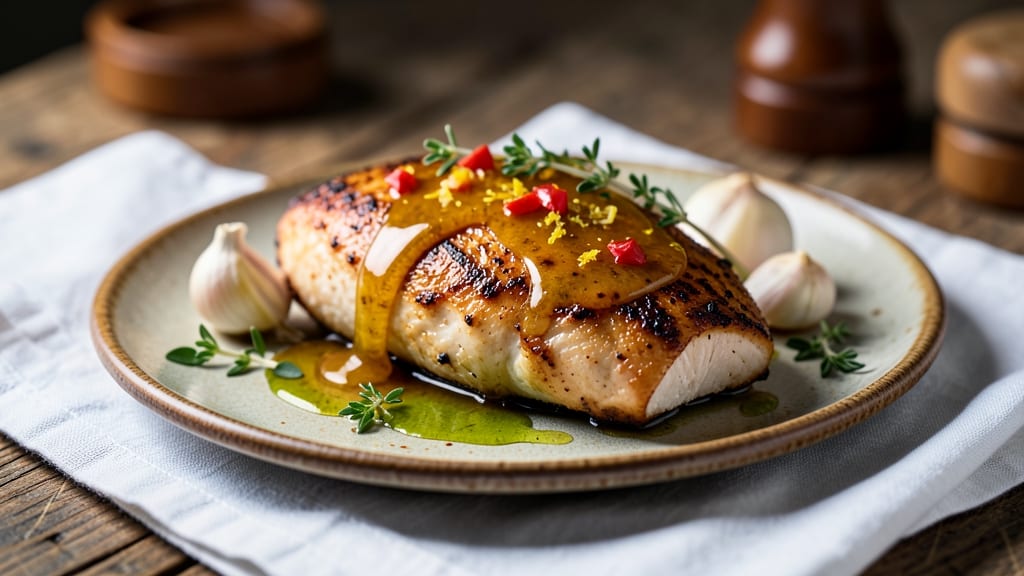
This baked honey lemon chicken breast recipe delivers tender, juicy chicken with a sticky-sweet glaze that caramelizes into a golden finish. The secret lies in marinating the chicken first—lemon brightens the meat while honey creates a glossy, flavorful crust that locks in moisture during baking.
No deep-frying or complicated techniques required, just a simple pan and oven.
The magic happens when the honey and lemon combine at high heat, forming a glossy glaze that clings to every bite. This method ensures the chicken stays succulent inside while developing a perfect caramelized exterior.
The result is a dish that’s elegant enough for dinner parties but simple enough for a weeknight meal—no one will guess it only takes 30 minutes of active prep.
By the time it emerges from the oven, you’ll have perfectly golden chicken with a glaze that’s sweet, tangy, and irresistibly sticky. The lemon infuses the meat with a bright, citrusy flavor, while the honey adds depth and a beautiful sheen.
Serve with roasted vegetables or a fresh salad to balance the richness.
This recipe is designed to be foolproof—no overcooking, no dry chicken, just restaurant-quality results every time. The glaze thickens as it bakes, creating a caramelized crust that adds texture and flavor. Ready to transform simple chicken into a standout main course?
Ingredients for baked honey lemon chicken breast
The perfect balance of sweet and tangy for juicy, golden chicken every time.
| Ingredient | Amount | Notes |
|---|---|---|
| Boneless, Skinless Chicken Breast 🍗 | 1 ½ lb | Pounded to even thickness |
| Honey 🍯 | ½ cup | Raw, unfiltered preferred |
| Fresh Lemon Juice 🍋 | ¼ cup | From 2-3 medium lemons |
| Olive Oil 🫒 | 2 tbsp | Extra-virgin for richness |
| Garlic Cloves 🧄 | 4 cloves | Minced for marinade |
| Salt 🧂 | 1 tsp | Kosher or sea salt |
| Black Pepper 🌶️ | ½ tsp | Freshly ground preferred |
| Dried Thyme 🌿 | 1 tsp | Or 1 tbsp fresh thyme |
| Dried Oregano 🍃 | ½ tsp | For herbal depth |
| Cornstarch 🌾 | 1 tbsp | For glaze thickening |
| Water 💧 | 1 tbsp | For cornstarch slurry |
The chicken breast is your star—get the freshest cut possible from the meat counter, not pre-marinated packages. Trader Joe's and Whole Foods carry excellent quality, but any well-stocked grocery store will have good options. Pounding the breasts to even thickness ensures even cooking. For the honey, raw, unfiltered varieties like Manuka or clover add subtle floral notes that regular supermarket honey can't match. If you can't find raw honey, regular works fine—just know the flavor will be slightly less complex.
No fresh thyme? Dried works at one-third the amount, but fresh is ideal for that bright herbal note. Short on lemon? Lime juice works too, though it'll shift the flavor slightly tangier. The cornstarch slurry is non-negotiable—it's what creates that perfect caramelized glaze. If you're out, arrowroot powder in equal parts works as a substitute. For the olive oil, avoid light or refined oils—they lack the fruity depth that makes this dish sing. And trust me, don't skip the marinating step—even 15 minutes makes a world of difference in moisture and flavor.
Marinated chicken keeps 2 days in the fridge, covered tightly. The glaze thickens as it bakes, so reheat gently with a splash of water if needed—it'll restore that glossy finish. For make-ahead prep, bake the chicken ahead and reheat the glaze separately. Store leftovers in an airtight container for up to 3 days. The glaze freezes beautifully too—just thaw and reheat to restore its sheen.
Why You'll Love This Recipe
- Foolproof Simplicity: I swear by this recipe because it’s the kind of meal that doesn’t demand perfection—just a quick brush of olive oil, a sprinkle of garlic, and a drizzle of honey-lemon mix. No flipping, no fussy sauces, just hands-off baking while you do whatever else needs doing.
- Sweet-Tart Magic: That honey and lemon combo? It’s the kind of balance that makes you pause mid-bite. The chicken stays juicy inside while the edges get this sticky, caramelized crust—like a dessert you didn’t know you needed.
- Weeknight to Potluck: Honestly, I make this for everything: a lazy Tuesday night, a last-minute dinner guest, or even packed for lunch the next day. The flavors hold up, and it’s always a crowd-pleaser—no one ever asks what’s in it.
- Budget-Friendly Hero: Chicken breast is cheap, and this recipe stretches it further than you’d think. A single pan, minimal ingredients, and leftovers that reheat beautifully. My wallet—and my family—thank me every time.
Step-by-step instructions for baked honey lemon chicken breast
This method guarantees tender, juicy chicken with a sticky-sweet glaze every time.
Prepare the Chicken and Marinade
Begin by placing the 1.5 lb boneless, skinless chicken breast between two sheets of plastic wrap. Using a meat mallet, pound it to an even ½-inch thickness throughout. This ensures even cooking and prevents dry spots in the center. The chicken should be uniform in thickness—no thick edges that will overcook.
In a small bowl, whisk together the 0.5 cup honey, 0.25 cup fresh lemon juice, 2 tbsp olive oil, 4 minced garlic cloves, 1 tsp salt, 0.5 tsp black pepper, 1 tsp dried thyme, and 0.5 tsp dried oregano. The mixture should be smooth with a vibrant golden hue from the honey and lemon. Pour half of this marinade over the pounded chicken, coating it evenly on both sides. Let it marinate for at least 30 minutes at room temperature—this jumpstarts the flavor infusion and helps tenderize the meat.
Create the Glaze Slurry
While the chicken marinates, prepare the glaze slurry in a separate small bowl. Combine 1 tbsp cornstarch with 1 tbsp water, whisking until completely dissolved. This slurry will thicken the honey-lemon mixture into a glossy glaze that caramelizes beautifully. Set it aside—it'll be ready to use once the chicken is in the oven.
Real talk: don't skip this step. The cornstarch slurry transforms the marinade into a sticky, caramelized crust that locks in moisture and adds texture. If you've ever had baked chicken that's dry on the outside, this is the fix.
Bake the Chicken to Juicy Perfection
Preheat your oven to 375°F and position a rack in the center position. Place the marinated chicken on a parchment-lined baking sheet, ensuring it's not crowded. Bake for 20-25 minutes until the internal temperature reaches 165°F and the edges are light golden brown. The chicken should spring back slightly when pressed—this indicates proper doneness.
Here's the thing—don't overbake. Chicken continues cooking after you remove it from the oven, and it's easy to dry it out if you push it past 165°F. Use a meat thermometer for accuracy; guessing leads to disappointment.
Apply the Glaze and Finish Baking
Remove the chicken from the oven and brush the remaining marinade evenly over the top. Then, immediately pour the cornstarch slurry over the chicken, allowing it to soak in for 1 minute. Return it to the oven and bake for an additional 5-7 minutes until the glaze thickens and turns a deep amber color. You'll see it bubble slightly—this is your signal that it's caramelizing perfectly.
Watch carefully during these final minutes. The glaze should coat the chicken completely with a glossy, sticky finish. If it thickens too quickly, add 1 tsp water to loosen it slightly. The contrast of sweet, tangy glaze with tender chicken is what makes this dish special.
Rest and Serve
Transfer the chicken to a cutting board and let it rest for 5-10 minutes before slicing. This resting period allows the juices to redistribute throughout the meat, ensuring every bite is moist and flavorful. During this time, you can make a quick pan sauce from any drippings in the baking sheet if you'd like to serve it over rice or quinoa.
Slice the chicken against the grain for maximum tenderness, and serve immediately. The glaze should be sticky and caramelized, with a perfect balance of sweet honey and bright lemon. Pair it with a simple green salad or roasted vegetables to complement the rich flavors without overpowering them.
Pro Tips For Making Baked Honey Lemon Chicken Breast
- Pound the Chicken Evenly: Skip the uneven thickness—flatten each breast to exactly ½-inch with a meat mallet or rolling pin. Thinner cuts cook faster and stay juicier, while thicker spots turn rubbery. (Yes, it’s tedious, but trust me, your fork will thank you.)
- Use Raw Honey, Not Cooked: Drizzle raw honey directly over the chicken after baking, not before. Cooking honey first makes it cloyingly sweet and lose its natural floral depth. Brush it on warm chicken—it’ll glaze perfectly in seconds.
- Don’t Overmix the Marinade: Whisk lemon juice, olive oil, and minced garlic together just until combined—no need to emulsify like a vinaigrette. Overmixing adds air, which can make the chicken’s surface dry out faster when baking.
- Rest Before Slicing: Pull the chicken from the oven and tent it with foil for 5 minutes. Cutting into it too soon lets all the honey-lemon juices pool at the bottom of your plate. (I learned this after serving a plate of sad, watery chicken.)
Serving suggestions for this dish
Bright Salad Pairings
A crisp arugula salad with lemon vinaigrette cuts through the sweetness beautifully. Toss 4 cups baby arugula with 2 tbsp extra-virgin olive oil, 1 tbsp fresh lemon juice, and a pinch of flaky sea salt.
The peppery bite refreshes your palate after each bite of honey-glazed chicken. 🥗
For a heartier option, try a mixed greens salad with cherry tomatoes, cucumber slices, and shaved fennel. Add ¼ cup crumbled feta and a drizzle of balsamic glaze to balance the dish's sweetness. This combo adds freshness and texture that complements the caramelized chicken perfectly.
Roasted Vegetables
Roasted asparagus or green beans make an excellent side—their natural sweetness enhances the honey-lemon glaze. Toss 1 lb asparagus with 1 tbsp olive oil, ½ tsp salt, and ¼ tsp black pepper, then roast at 400°F for 12-15 minutes until tender-crisp.
The charred edges add depth to the meal.
For a Mediterranean twist, roast zucchini and bell peppers with 1 tsp dried oregano and ½ tsp garlic powder. The smoky, earthy flavors contrast the bright citrus in the chicken, creating a balanced plate. Serve warm for the best texture.
Starch Sides
Creamy mashed potatoes with roasted garlic and sour cream provide a rich, comforting base. Use 2 lbs Yukon Gold potatoes, boiled until tender, then mashed with 3 tbsp butter, ¼ cup sour cream, and 2 minced garlic cloves.
The smooth texture contrasts the sticky glaze beautifully. 🥔
For a lighter option, try couscous tossed with toasted almonds, dried cranberries, and a sprinkle of fresh parsley. The nutty crunch and sweet-tart cranberries add complexity to the dish.
Cook 1 cup couscous in 1.5 cups chicken broth, then fluff with a fork before mixing in the toppings.
Bread and Garnishes
Serve with warm crusty bread or focaccia to soak up any extra glaze. Toast slices until golden, then rub with garlic and olive oil for added flavor. A sprinkle of toasted sesame seeds or crushed pistachios on the chicken adds a nutty crunch that elevates the dish.
For a final touch, garnish the plate with lemon zest or thin lemon slices. The bright citrus aroma enhances the glaze’s flavor and adds a pop of color that makes the dish look restaurant-worthy. A drizzle of honey over the chicken just before serving ties everything together.
Nutrition facts
Frequently asked questions
Can I use chicken thighs instead of breasts?
Chicken thighs work beautifully with this recipe, but adjust the baking time. Thighs stay juicier longer, so bake them for 30-35 minutes at 375°F until the internal temperature reaches 165°F. The skin will crisp up nicely with the glaze, adding extra texture. Just reduce the marinating time to 20 minutes since thighs don't need as much tenderizing.
What if I don't have cornstarch for the glaze?
No problem! Use 1 tbsp arrowroot powder or 1 tbsp all-purpose flour mixed with 1 tbsp water as a substitute. The glaze will still thicken, though arrowroot creates a slightly clearer finish. If you're out of both, try ½ tsp xanthan gum dissolved in 1 tbsp water—it's a powerful thickener that works in small amounts.
Can I make this recipe ahead of time?
Yes, but with a few adjustments. Marinate the chicken up to 2 days ahead and store it in an airtight container in the fridge. For the best results, bake it fresh when ready to serve. If you must reheat, place the chicken in a 350°F oven for 10-15 minutes with 1 tbsp water in the pan to restore the glaze's sheen.
Why did my glaze turn out too runny?
This usually happens if the cornstarch slurry wasn't fully dissolved or the oven wasn't hot enough. For next time, whisk the slurry vigorously until completely smooth, and ensure your oven reaches 375°F. If it's still too thin, bake for an extra 2-3 minutes—the heat will help it thicken. You can also drizzle the chicken with 1 tsp honey after baking to add stickiness.
How do I adjust the sweetness level?
If you prefer less sweetness, reduce the honey to ¼ cup and add 1 tbsp maple syrup for depth. For extra tang, increase the lemon juice to ⅓ cup. The glaze should balance sweet, sour, and savory—taste as you go! For a spicy kick, add ½ tsp cayenne pepper or 1 tbsp sriracha to the marinade.