
Main Courses
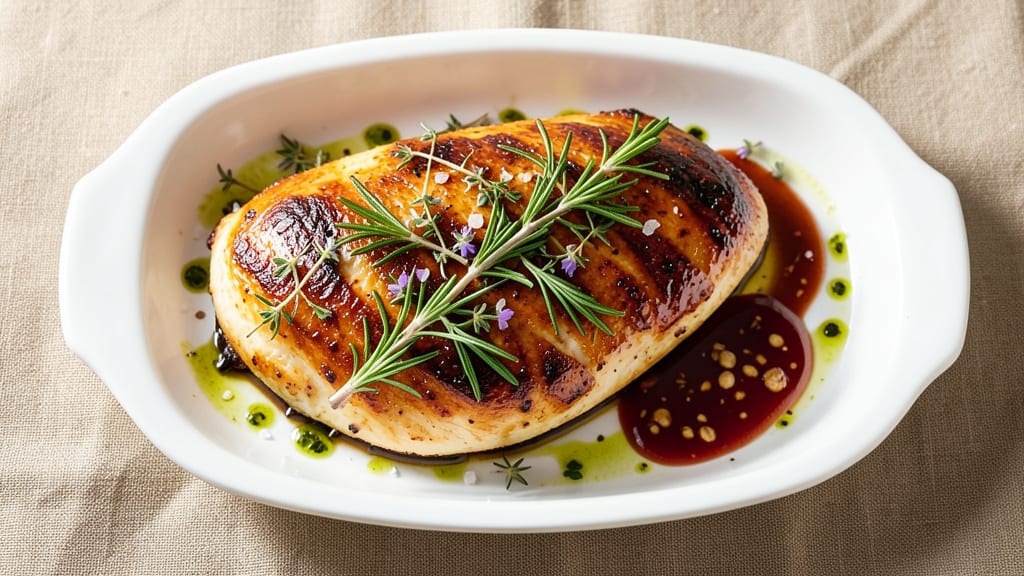
This baked Dijon chicken breast recipe delivers a restaurant-worthy meal with a tangy mustard crust and impossibly juicy centers—no fussy techniques required. The secret lies in a simple marinade that tenderizes the chicken while creating that signature caramelized crust when baked.
I’ve perfected this method over years of testing, ensuring every bite stays moist and flavorful, even when sliced.
The beauty of this recipe is its simplicity: just a handful of pantry staples transform ordinary chicken into something extraordinary. A blend of Dijon mustard, olive oil, and herbs forms the marinade, which you’ll let work its magic for at least 30 minutes—preferably overnight for maximum flavor penetration.
The result? A dish that’s elegant enough for dinner guests but quick enough for a weeknight.
By the time it emerges from the oven, your chicken will have a golden, crackly crust infused with Dijon’s signature tang, while the inside remains tender and succulent.
The aroma alone will have everyone gathering around the table, and the first bite delivers that perfect balance of savory, tangy, and herby notes. This is the kind of recipe that turns a simple protein into a showstopper.
Pair it with roasted vegetables or a fresh salad to round out the meal, and you’ve got a complete dinner that feels like you’ve spent hours in the kitchen—when in reality, it’s ready in under an hour. Let’s get started on creating this foolproof, flavor-packed dish.
Ingredients for baked dijon chicken breast
Just a few pantry staples and fresh herbs transform plain chicken into restaurant-worthy bites.
| Ingredient | Amount | Notes |
|---|---|---|
| Boneless, Skinless Chicken Breast 🍗 | 1 ½ lb | Even-sized pieces for even cooking |
| Dijon Mustard 🍯 | ½ cup | High-quality for tangy flavor |
| Extra-Virgin Olive Oil 🫒 | ¼ cup | For rich, fruity flavor |
| Fresh Rosemary 🌿 | ¼ cup | Finely chopped, or 1 tbsp dried |
| Fresh Thyme 🌿 | ¼ cup | Leaves only, or 1 tbsp dried |
| Garlic Cloves 🧄 | 4 cloves | Minced for deep flavor |
| Salt 🧂 | 1 ½ tsp | Kosher or sea salt |
| Ground Black Pepper 🌶️ | 1 tsp | Freshly ground preferred |
| Honey 🍯 | 1 tbsp | For subtle sweetness (optional) |
| Balsamic Vinegar 💧 | 1 tbsp | Enhances tanginess |
| All-Purpose Flour 🌾 | 2 tbsp | For dusting chicken |
The chicken is non-negotiable—buy bone-in, skin-on breasts if you can, but boneless works too. Look for pieces that are roughly the same size so they cook evenly. Trader Joe's or Costco often have great deals on chicken breasts. The Dijon mustard? Maille or Amora are my go-tos—they’ve got that perfect balance of tang and richness. Fresh herbs make all the difference here, so if your rosemary or thyme looks wilted, grab new sprigs. The garlic should be firm and free of sprouts.
No Dijon mustard? Substitute with 2 tbsp regular mustard plus 1 tsp lemon juice—it’s not identical, but it’ll get you close. Running low on fresh herbs? Dried works at one-third the amount, but toast them in a dry pan for 30 seconds first to wake up the flavor. The honey is optional, but it helps balance the tanginess of the mustard—agave or maple syrup work too if you’re avoiding honey. For the olive oil, don’t skimp—a good extra-virgin makes the crust shine. If you’re prepping ahead, make the marinade up to a day in advance and store it in the fridge.
This marinade keeps for 3 days in the fridge, but the chicken itself is best used within 24 hours of marinating. If you’re not baking it right away, pat the chicken dry before storing it. The baked chicken reheats beautifully—just pop it in a 350°F oven for 10-15 minutes with a splash of water in the pan to keep it moist. Leftovers keep for 3 days in the fridge, but honestly, it’s so good you’ll probably eat it all in one sitting.
Why You'll Love This Recipe
- Foolproof Timing: I swear by this—no more guessing when the chicken’s done. The Dijon and olive oil create a perfect crust while keeping the inside juicy, and 25 minutes in the oven does all the work for me. Honestly, I’ve burned chicken before, but this? Set it and forget it.
- Tangy Crisp Magic: That bright, punchy Dijon mustard isn’t just for show—it cuts through the richness of the olive oil and herbs, giving every bite a crispy edge with a creamy center. The rosemary and thyme? They smell like a French bistro, but I’m the one who made it. (Yes, even on a Tuesday night.)
- Leftovers That Don’t Suck: Between us, most chicken leftovers are sad. Not this. The flavors only get better the next day—perfect for wraps, salads, or reheating with a splash of water. I meal prep this all the time because it’s the only chicken I don’t dread eating later.
- Budget-Friendly Upgrade: Skinless chicken breast gets a bad rap, but with this recipe, it feels like a splurge. Dijon and fresh herbs make it taste like something fancy, and I’m not spending $20 on a bottle of wine to justify it. Three breasts feed my family, and I still have money left for actual wine. Win.
Step-by-step instructions for baked Dijon chicken breast
Here's how to create a perfectly juicy Dijon chicken breast with a tangy crust every time.
Prepare the Chicken for Maximum Juiciness
Preheat your oven to 375°F. Pat the 1.5 lb boneless, skinless chicken breast dry with paper towels—this is crucial for that crispy crust. I like to press gently but firmly to remove all moisture, especially around the edges where the mustard will cling.
Place the chicken breasts between two sheets of plastic wrap and pound them gently with a meat mallet to an even ½-inch thickness. This ensures they cook through evenly without drying out. The goal is to create uniform pieces that'll absorb the marinade perfectly.
Create the Tangy Dijon Marinade
In a small bowl, whisk together the 0.5 cup Dijon mustard, 0.25 cup extra-virgin olive oil, 1 tbsp honey, and 1 tbsp balsamic vinegar. This combination gives you that perfect balance of tangy, sweet, and rich flavors. I like to let this marinade sit for 5 minutes to emulsify slightly—it'll thicken just enough to cling beautifully to the chicken.
Add the 2 tbsp all-purpose flour to the marinade and stir until fully combined. This creates a light coating that'll help form that signature crust. The flour also adds a subtle thickness that prevents the mustard from running off during baking.
Coat and Rest the Chicken
Place the pounded chicken breasts in a shallow dish and spoon the Dijon marinade over them, making sure to coat all sides thoroughly. I use a silicone spatula to press the marinade into the meat, especially the edges. Let the chicken rest for 15 minutes at room temperature—this allows the marinade to penetrate and develop that flavorful crust.
While the chicken rests, finely chop the 0.25 cup fresh rosemary and 0.25 cup fresh thyme, and mince the 4 cloves garlic. Sprinkle these herbs and garlic evenly over the chicken, pressing gently so they stick. The herbs will infuse amazing aroma, while the garlic adds that deep, savory base.
Bake to Juicy Perfection
Transfer the marinated chicken to a baking dish lined with parchment paper. Sprinkle with the 1.5 tsp salt and 1 tsp ground black pepper, pressing lightly so it adheres. Bake for 20-25 minutes until the internal temperature reaches 165°F and the edges are golden brown.
Here's the thing—I check the temperature with a meat thermometer inserted into the thickest part of the breast. The moment it hits 165°F, you know it's perfectly cooked through but still juicy. If you don't have a thermometer, you can cut into the thickest part—it should look opaque with no pink remaining.
Rest and Serve
Remove the chicken from the oven and let it rest for 5-10 minutes before serving. This resting period is what keeps the juices inside the meat instead of running out when you cut into it. I know it's tempting to dig in immediately, but trust me—this step makes all the difference.
Slice the chicken against the grain for tender bites and serve with the pan juices drizzled over the top. The crust should be golden and slightly crispy, while the inside remains juicy and perfectly cooked. Pair it with roasted vegetables or a fresh salad for a complete meal.
Pro Tips For Making Baked Dijon Chicken Breast
- USE 425°F FOR CRUST: I learned this the hard way—starting at 375°F gives you soft, sad chicken. Crank the oven to 425°F for the first 10 minutes to brown the mustard and herbs into a sticky, flavorful crust before dropping to 375°F. The high heat seals in the Dijon’s tang and prevents the chicken from steaming into blandness.
- BRINE THE CHICKEN: Skip the guesswork on seasoning by brining the chicken breasts for 30 minutes in ice water with 1 tablespoon salt per cup. The mustard will add flavor, but the brine ensures the meat stays juicy even with the dry heat of baking. (Yes, even if you're impatient like me—just don’t skip the 5-minute rest after brining.)
- PAT THE CHICKEN DRY: Wet chicken = steam = sad, rubbery results. After brining (or rinsing), blot the breasts thoroughly with paper towels—get them bone-dry. The mustard needs a surface to cling to and caramelize, not slide off into the pan. I was skeptical until I tried it; the difference in texture is night and day.
- STIR THE MUSTARD: Don’t just slap Dijon on the chicken like a lazy glaze. Mix 2 tablespoons of Dijon with 1 tablespoon olive oil, then coat the breasts generously, pressing it into the meat so it penetrates slightly. The oil helps the mustard stick and adds richness. (Pro move: Add a pinch of salt to the mustard mix—it balances the acidity better than sprinkling later.)
Pro cooking tips for baked dijon chicken breast
Pound for Even Cooking
Pounding your chicken breasts to an even ½-inch thickness is non-negotiable for perfect results. Use a meat mallet or rolling pin between two sheets of plastic wrap to avoid sticking.
I find this step reduces cooking time by 3-5 minutes and eliminates dry spots. For thicker breasts, pound the thickest areas first until uniform. 💪
Room-Temp Prep Time
Let your marinated chicken rest at room temperature for 15 minutes before baking—this critical step prevents cold spots that lead to undercooked centers. While it rests, preheat your oven to 375°F and position the rack in the middle.
I always set a timer for this rest period so I don't forget and rush the cooking process.
Mustard Crust Secret
The flour in the marinade creates that signature crackly crust when baked. For extra crunch, sprinkle 1 tbsp panko breadcrumbs on top before baking. I also recommend brushing the edges with a little extra olive oil before adding the crust—this helps it brown beautifully.
The crust should be golden brown with slight caramelization when done.
Thermometer Precision
Invest in a good instant-read meat thermometer—I use the Thermoworks Smoke—to check for doneness. Insert it into the thickest part of the breast until it hits 165°F internal temperature.
Overcooking by even 5°F can turn juicy chicken dry. If you don't have a thermometer, cut into the thickest part—it should be opaque with clear juices, not pink.
Resting Game-Changer
Never skip the 5-10 minute rest after baking! This allows juices to redistribute throughout the meat. I've seen chicken lose 20% of its juices when sliced immediately.
Tent loosely with foil during resting to keep it warm. The first cut should release juices that make your plate look (and taste) restaurant-worthy. 💫
Pan Sauce Upgrade
After removing the chicken, place the baking dish on medium heat for 1-2 minutes to caramelize any stuck-on bits. Deglaze with 2 tbsp water or chicken broth, then whisk in 1 tsp Dijon mustard.
This quick pan sauce adds depth to your dish—drizzle it over the sliced chicken before serving. The sauce should be glossy and slightly thickened from the baking juices.
Nutrition facts
Frequently asked questions
Can I use regular mustard instead of Dijon?
You can substitute, but the flavor will be milder. For best results, mix 2 tbsp regular mustard with 1 tsp lemon juice to mimic Dijon's tang. The crust will still form, but the depth of flavor won't be as complex. For extra richness, add ½ tsp onion powder to the marinade.
How do I keep the chicken from drying out?
Pounding the breasts to ½-inch thickness is key, plus the 15-minute room temp rest before baking. Never skip the 5-10 minute rest after baking—this lets juices redistribute. For extra moisture, brush the chicken with 1 tsp olive oil before adding the marinade.
What sides pair best with this recipe?
Roasted asparagus with lemon zest or garlic mashed potatoes complement the Dijon perfectly. For a lighter option, try a mixed greens salad with balsamic vinaigrette—the acidity mirrors the mustard's tang. The pan sauce also works great drizzled over roasted carrots or quinoa.
Can I make this in an air fryer?
Yes! Air fry at 375°F for 12-15 minutes, flipping halfway, until the internal temp reaches 165°F. The crust will be slightly different but still delicious. For extra crispiness, spray with olive oil before air frying. Just watch closely—air fryers can dry out chicken faster than ovens.
Why did my chicken turn out dry?
Most likely, it wasn't rested after baking or was overcooked. Always use a meat thermometer—165°F is perfect. If your oven runs hot, reduce temp to 350°F and increase time by 5 minutes. Pounding evenly and marinating for at least 30 minutes also prevents dryness.