
Soups & Stews
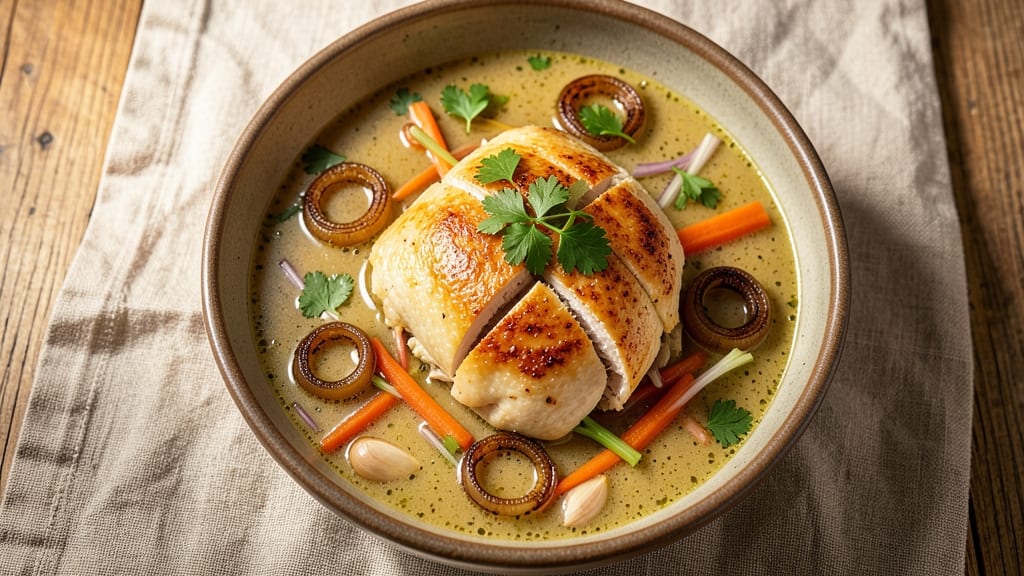
This authentic chicken soup recipe brings the comforting warmth of grandma's kitchen to your pot, where every spoonful tells a story of slow-simmered tradition.
The secret lies in building rich, flavorful broth from scratch—starting with a well-browned chicken base that infuses the liquid with deep, savory notes over hours of gentle simmering.
No shortcuts here; this is the kind of soup that warms both body and soul, perfect for chilly evenings or when you need a taste of home.
The beauty of this recipe is its simplicity disguised as sophistication: tender chicken, hearty vegetables, and aromatic herbs all meld together in a single pot, creating a dish that feels both rustic and refined.
We'll use traditional techniques like parboiling vegetables to preserve their texture and adding herbs at just the right moment to maximize their flavor. The result? A soup that's creamy without cream, deeply flavorful without heavy seasoning, and impossibly comforting without being heavy.
What makes this recipe truly special is how it balances authenticity with modern convenience. You'll achieve restaurant-quality depth in your broth without needing fancy ingredients or hours of prep time—just patience and attention to detail.
The final touch? A sprinkle of fresh herbs and a drizzle of olive oil that elevates the humble bowl to something extraordinary. This isn't just soup; it's a tradition you'll want to pass down.
Serve it with crusty bread to soak up every last drop of that golden broth, or pair it with a simple green salad for a complete meal.
The beauty of this recipe is its versatility—it's perfect for family dinners, potlucks, or even a cozy night in when you need a taste of home. Let's get started on creating something that feels like a hug in a bowl.
Ingredients for authentic chicken soup
Sixteen ingredients that transform into the soul-warming soup of your childhood memories.
| Ingredient | Amount | Notes |
|---|---|---|
| Whole Chicken 🍗 | 3 ½ lb | Cut into 8 pieces, skin-on |
| Yellow Onion 🧅 | 1 whole | Chopped into 1/2-inch pieces |
| Carrots 🥕 | 3 medium | Peeled and cut into 1-inch chunks |
| Celery Stalks 🧅 | 3 whole | Trimmed and cut into 1-inch pieces |
| Garlic Cloves 🧄 | 4 cloves | Minced, not pre-minced jarred |
| Fresh Parsley 🌿 | ¼ cup | Chopped, stems included |
| Fresh Thyme 🌿 | 2 sprigs | Or 1 tsp dried thyme |
| Bay Leaves 🌿 | 2 whole | Remove after simmering |
| Extra-Virgin Olive Oil 🫒 | ¼ cup | For browning chicken |
| Chicken Broth 💧 | 6 cups | Homemade preferred, low-sodium |
| Salt 🧂 | 1 ½ tsp | Kosher or sea salt |
| Black Peppercorns 🌶️ | ½ tsp | Freshly cracked |
| Egg Noodles 🍝 | 8 oz | Or any pasta of choice |
| Fresh Dill 🌿 | 2 tbsp | Chopped, for finishing |
| Lemon Juice 🍋 | 1 tbsp | Freshly squeezed |
The chicken is the heart of this soup—look for organic or free-range at Whole Foods or your local butcher if you can swing it. The skin-on pieces add incredible richness to the broth, so don't peel it off. For the vegetables, carrots, celery, and onions should be fresh and crisp—those sad limp ones at the grocery store won't cut it. I always grab the organic produce section if available, but regular works too. The garlic? Freshly minced makes all the difference—jarred garlic has a weird aftertaste that ruins everything. If you're making this ahead, prep the veggies and store them in the fridge for up to 3 days before cooking.
No fresh thyme? Dried works at one-third the amount, but it's not the same. Short on parsley? Fresh cilantro or basil can stretch it, though the flavor will be different. The broth is non-negotiable—homemade is best, but if you're using store-bought, Pacific Foods or Swanson are solid choices. For the noodles, egg noodles are traditional, but any pasta works—even rice noodles for a lighter version. The dill and lemon juice at the end? Don't skip them—that's where the magic happens. Pro tip: If you're using dried herbs, crush them between your palms first to release the oils.
This soup tastes even better the next day—make a double batch and freeze half for those lazy nights. Store leftovers in the fridge for up to 5 days, or freeze for 3 months. I like to portion it into individual containers so I can just grab and reheat. The broth alone keeps for 4 days in the fridge—strain it and use it for other recipes. For serving, crusty bread is a must, but a simple green salad makes it a complete meal. The noodles? Cook them al dente and add them to the soup right before serving so they don't get mushy.
Why You'll Love This Recipe
- One-Pot Magic: I swear by this—just toss the whole chicken, chopped veggies, and garlic into one pot. No extra bowls, no mess. The chicken bones even infuse the broth with depth while you chop the onions and carrots (which, honestly, take less time than scrolling through your phone).
- Garlic-Glazed Goodness: That slow caramelization of the garlic and onions? It’s the secret weapon. The soup gets this rich, savory base that makes every spoonful feel like a hug—especially when the celery adds a crisp bite against the tender chicken. (Between us, I’ll add extra garlic if no one’s looking.)
- Leftovers That Beg for More: This recipe practically demands seconds—and thirds. The broth stays flavorful for days, and the chicken shreds perfectly for sandwiches or salads. I’ve reheated portions for lunch all week without a single complaint (even from my picky teenager).
- Budget-Friendly Hero: A whole chicken costs less than takeout, and the veggies stretch the flavor. You’re not just feeding a family—you’re stocking meals for the week. Plus, the bones? Free broth gold. (Yes, even on a Tuesday night.)
Step-by-step instructions for grandma-style chicken soup
Here's how to make this comforting soup just like my grandma used to—simple steps for maximum flavor.
Brown the Chicken for Deep Flavor
Heat the 0.25 cup extra-virgin olive oil in a large Dutch oven over medium-high heat. Working in batches, add the 3.5 lb whole chicken pieces (cut into 8 pieces) skin-side down. Cook undisturbed for 5-6 minutes until the skin turns golden brown and crispy.
This browning step is crucial—it creates the rich, caramelized foundation for your soup. Once golden, flip the chicken pieces and cook for another 3-4 minutes until they're browned on all sides. Remove the chicken from the pot and set aside on a plate. You'll see those beautiful browned bits sticking to the bottom—that's pure flavor we're about to develop further.
Sauté the Aromatic Vegetables
In the same Dutch oven, add the 1 whole yellow onion, 3 medium carrots, and 3 whole celery stalks (all chopped as specified). Cook for 5-6 minutes until the vegetables soften and the onion becomes translucent. Add the 4 cloves minced garlic and cook for another 30 seconds until fragrant.
Here's where the soup starts building its complex flavor profile. The vegetables should release their natural juices and create a light coating on the bottom of the pot. If they start sticking, add a splash of chicken broth to deglaze. Stir in the 2 sprigs fresh thyme and 2 whole bay leaves—these herbs will infuse the broth with their earthy aromas as it simmers.
Simmer the Chicken and Vegetables
Pour in the 6 cups chicken broth and add the 1.5 tsp salt and 0.5 tsp black peppercorns. Return the chicken pieces to the pot, skin-side up. Bring the mixture to a gentle boil, then reduce heat to low and let it simmer uncovered for 45-50 minutes. You'll know it's ready when the chicken is fork-tender and the vegetables are soft.
This slow simmering is what makes the soup authentic. The chicken should fall apart easily when pierced with a fork, and the broth should have a rich, golden color. If the liquid level gets too low, add ½ cup water to maintain the proper consistency. Remove and discard the bay leaves after 30 minutes of simmering to prevent bitterness.
Finish with Fresh Herbs and Lemon
Strain the soup through a fine-mesh sieve into a clean pot, pressing on the solids to extract maximum flavor. Return the broth to the stove and bring to a gentle simmer. Stir in the 0.25 cup fresh parsley and 2 tbsp fresh dill, then add the 1 tbsp lemon juice. Taste and adjust seasoning if needed—this is where you can really make the soup your own.
The lemon juice brightens the flavors and cuts through the richness, while the fresh herbs add a vibrant finish. Keep the soup warm over low heat while you prepare the noodles. The acidity from the lemon also helps prevent the soup from tasting flat, which is a common issue with homemade broths.
Cook and Combine the Noodles
Bring a separate pot of salted water to a boil and cook the 8 oz egg noodles according to package instructions until al dente. Drain the noodles, reserving ½ cup pasta water, and immediately add them to the warm soup. Stir gently to combine, adding reserved pasta water if needed to reach your desired consistency.
Here's the thing about this soup—it should be hearty but not too thick. The noodles should be well-coated in the broth, but you should still be able to see them clearly. Serve immediately with a sprinkle of additional fresh parsley and a wedge of lemon on the side. This soup tastes even better the next day, so make extra if you can—it's perfect for leftovers!
Pro Tips For Making Authentic Chicken Soup
- Brown the Chicken First: Skip the "quick sear" trap—cut the whole chicken into 6-8 pieces, pat dry, then brown them in batches over medium-high heat for 5-6 minutes per side. The Maillard reaction here builds flavor that no later simmering can replicate. (Yes, even if you’re tempted to toss in raw chicken to save time.)
- Mince Garlic Like a Pro: Instead of chopping garlic cloves, smash them flat with the side of your knife first, then mince into tiny specks. This prevents bitter almond notes and ensures even distribution. I used to burn garlic—now I just let it sizzle in the oil for 30 seconds max.
- Salt the Water Generously: Add 1-2 tablespoons of salt to the pot before submerging the chicken. The broth will absorb flavor more deeply, and you won’t end up with bland broth that needs rescuing later. (Trust me, I’ve tasted both.)
- Simmer, Don’t Boil: Once the chicken is submerged, reduce heat to maintain a gentle simmer—tiny bubbles at the edges, not a rolling boil. Boiling toughens the meat and clouds the broth. Cover loosely and let it work for at least 45 minutes. (Patience here makes the difference.)
Storing and reheating your leftovers
Refrigerator Storage
Let your soup cool to room temperature (about 1 hour) before transferring to airtight containers—I swear by glass Pyrex bowls with snap-on lids. Store in the fridge at 40°F or below for up to 5 days, but honestly, it tastes even better after 24 hours as flavors meld.
The broth will develop deeper richness overnight, and the noodles absorb the flavors beautifully. 🌡️
Freezer Prep Tips
For long-term storage, portion the soup into quart-sized freezer bags or glass containers (leave 1-inch headspace for expansion). Freeze for up to 3 months—I like to label each bag with the date.
The broth alone freezes beautifully for up to 4 months if you strain it first. Pro tip: Add a ½ tsp salt per quart before freezing to compensate for flavor dilution when reheated.
Stovetop Reheating
My preferred method is stovetop because it preserves texture perfectly. Thaw overnight in the fridge, then heat over medium-low heat for 10-15 minutes, stirring occasionally. If it thickens too much, add 2-3 tbsp water or broth at a time.
For extra richness, stir in 1 tbsp butter or a splash of heavy cream during reheating. The result? Soup that tastes almost as good as fresh!
Microwave Method
For quick meals, microwave in 2-minute intervals on 50% power, stirring between each interval. Cover loosely with a microwave-safe lid to retain moisture. Add 1 tbsp water if the soup looks too thick.
I find this works best for individual servings—just double-check the internal temperature reaches 165°F for safety. The noodles might soften more than ideal, so add fresh ones when serving if needed.
Broth-Only Storage
Save your strained broth separately for future use! Store in the fridge for 4 days or freeze for 4 months. When reheating, bring to a simmer and add fresh herbs (like thyme or bay leaves) to revive flavors.
I often use leftover broth for risotto or grains—it adds incredible depth to any dish. The secret is to strain out all solids before freezing for the cleanest flavor. ✨
Garnish Refresh
Before serving reheated soup, always add fresh garnishes to brighten flavors. A sprinkle of chopped parsley, dill, or a squeeze of lemon juice makes all the difference.
For extra richness, drizzle with high-quality olive oil or a pat of cultured butter. These finishing touches transform reheated soup into something restaurant-worthy again. 💛
Nutrition facts
Frequently asked questions
Why does this recipe call for skin-on chicken?
The skin adds incredible richness and depth to the broth through its natural fats and collagen. When browned properly, it creates a golden crust that dissolves into the soup, enhancing flavor without needing extra butter or cream. For best results, don't remove the skin until after simmering—it's the secret to that restaurant-quality taste!
Can I make this soup without a Dutch oven?
A heavy-bottomed pot or even a large stockpot will work just fine. The key is maintaining even heat during the long simmer. If your pot isn't heavy, reduce the heat slightly to prevent scorching. A 6-8 quart pot should give you plenty of room for the chicken to move around comfortably.
What if I don't have fresh herbs like parsley or dill?
No problem! Use dried herbs at one-third the amount (e.g., 1 tsp dried parsley instead of 0.25 cup fresh). For dill, try fresh basil or cilantro—they'll give a different but still bright flavor. If you're completely herb-free, a pinch of garlic powder or onion powder can add depth. The lemon juice is non-negotiable though—it's what prevents the soup from tasting flat!
How do I know when the chicken is done?
The chicken is ready when it reaches an internal temperature of 165°F and the meat falls apart easily with a fork. For skin-on pieces, the skin should be crispy and the meat should pull away from the bone cleanly. If you're unsure, cut into the thickest piece—juices should run clear, not pink. The long simmer time (45-50 minutes) ensures perfect tenderness without needing to check constantly.
Can I add other vegetables to this soup?
Yes! Traditional additions include potatoes, corn, or spinach. Add potatoes (peeled and cubed) with the carrots and celery—they'll cook through during the simmer. For leafy greens like spinach, stir them in during the last 5 minutes of cooking. Just be mindful of cooking times—some veggies (like zucchini) cook faster than others. The classic trio of carrots, celery, and onion is called "mirepoix" for a reason—it's the flavor foundation!