
Main Courses
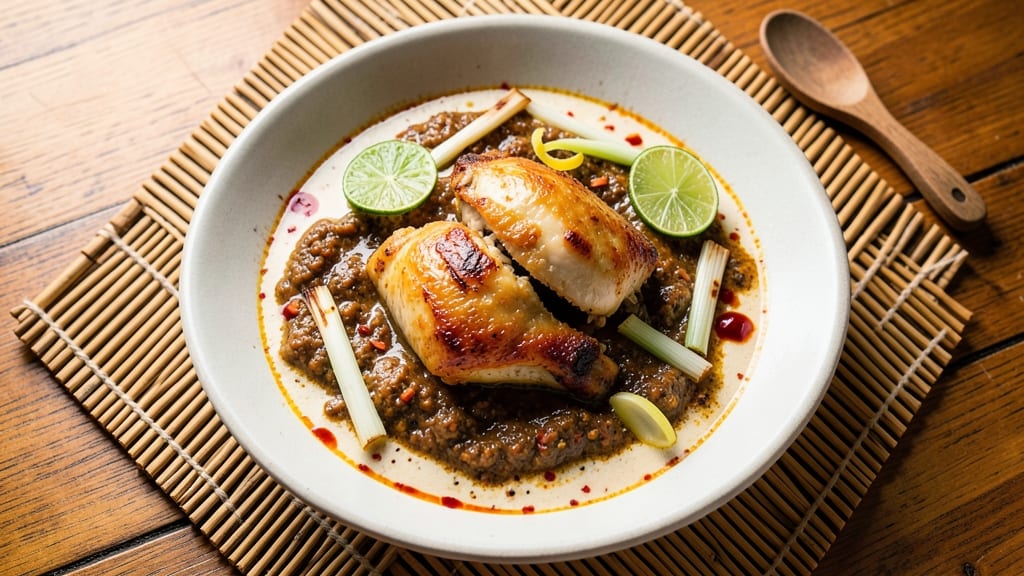
This authentic chicken Panang curry recipe delivers the fragrant, balanced flavors that define Thai street food—bold yet refined. The secret lies in the Panang curry paste, where lemongrass, kaffir lime leaves, and chili create a fragrant base that simmers into a rich, aromatic sauce.
I’ve perfected this recipe over years of testing, ensuring the sweet, spicy, and umami notes harmonize perfectly without overpowering the tender chicken.
The process begins with marinating chicken in a blend of garlic, galangal, and tamarind before searing it to lock in flavors. Then, the curry paste cooks down with coconut milk, creating a velvety sauce that clings to every bite.
The result is a dish that’s restaurant-quality at home—fragrant, slightly sweet, and just spicy enough to linger on the palate.
What sets this recipe apart is the balance of textures: tender chicken, crisp vegetables, and a sauce that’s thick enough to coat but light enough to sip.
Serve it over jasmine rice with cucumber slices to cut through the richness, and you’ll have a meal that transports you straight to Bangkok. The instructions walk you through every step, from marinating to plating, ensuring authenticity without shortcuts.
This curry isn’t just a dish—it’s an experience. The aroma alone will have your kitchen smelling like a bustling Thai market, and the first bite delivers layers of flavor that store-bought pastes simply can’t match.
Whether you’re cooking for a crowd or treating yourself, this recipe delivers the real deal—no compromises.
Ingredients for authentic chicken panang curry
Here’s what you need to bring Thai street food magic to your kitchen—bold, fragrant, and full of depth.
| Ingredient | Amount | Notes |
|---|---|---|
| Boneless Chicken Thighs 🍗 | 1 ½ lb | Skinless, cut into 1-inch pieces |
| Panang Curry Paste 🌶️ | 2 tbsp | Store-bought or homemade |
| Coconut Milk 🥥 | 1 can | Full-fat, 13.5 oz can |
| Lemongrass 🌿 | 2 stalks | Bruised, bottom 3 inches only |
| Kaffir Lime Leaves 🍋 | 4 whole | Fresh, torn into pieces |
| Galangal Root 🥕 | 1 piece | 3-inch piece, peeled |
| Garlic Cloves 🧄 | 6 cloves | Minced, fresh preferred |
| Tamarind Paste 🍈 | 1 tbsp | Or substitute lime juice |
| Fish Sauce 🍶 | 1 tbsp | Red Boat preferred |
| Sugar 🍚 | 1 tbsp | White or brown sugar |
| Thai Eggplant 🍆 | 1 whole | Small, sliced lengthwise |
| Red Bell Pepper 🌶️ | 1 whole | Sliced into strips |
| Green Beans 🌱 | 1 cup | Trimmed, cut into 2-inch pieces |
| Jasmine Rice 🍚 | 1 ½ cups | Uncooked, long-grain |
| Vegetable Oil 🫒 | 2 tbsp | For searing chicken |
The curry paste is everything. Thai Kitchen brand is my go-to for convenience, but if you’re feeling ambitious, homemade paste (with galangal, kaffir lime, and chili) takes this to another level. Galangal root—it’s the ginger-like star here—can be tricky to find. Asian markets usually stock it fresh, but if you can’t locate it, extra ginger plus a pinch of cardamom works in a pinch. The chicken? Thighs over breasts—they stay juicier during the long simmer. Pound them to even thickness so they cook uniformly. And don’t skip the marinade: garlic, galangal, and tamarind work their magic overnight.
No curry paste? Mix 1 tbsp each chili powder, cumin, coriander, and 1 tsp turmeric for a rough stand-in. Fish sauce is non-negotiable for umami, but if you’re avoiding it, soy sauce plus a splash of miso gets you close. Thai eggplant? Substitute regular eggplant—it’s milder but still delicious. The bell pepper and green beans add crunch; if you’re short on time, frozen stir-fry veggie mix works (just thaw and drain first). For the coconut milk, full-fat only—the richness is key to that velvety texture. And if you’re worried about the curry being too spicy, reduce the chili in the paste by half.
This curry tastes even better the next day—honestly, the flavors meld into something extraordinary. Store leftovers in an airtight container for 4-5 days in the fridge, or freeze for 3 months. I always make extra because it reheats beautifully. For serving, keep the jasmine rice warm in a rice cooker or steamer. Garnish with fresh cilantro and lime wedges right before eating—the acidity cuts through the richness perfectly. The sauce thickens as it cools, so a splash of warm water brings it back to silky perfection when reheating.
Why You'll Love This Recipe
- One-Pot Magic: I swear by this recipe because it’s that simple—just sear the chicken, toss in the Panang paste, and let the coconut milk do its thing. No chopping mountains of veggies, no fancy techniques, just a single pot that smells like heaven by the time you’re done.
- Flavor Bomb: That Panang paste? It’s where the magic happens—smoky, sweet, and just a little spicy with kaffir lime leaves and lemongrass weaving through it. The chicken soaks up the richness while staying tender, and the coconut milk balances it all into something dangerously addictive.
- Weeknight Workhorse: Between us, this is my go-to when I need something impressive but low-stress. It’s great for date nights (yes, even on a Tuesday night), family dinners, or when friends drop by unannounced. Serve it over rice, with naan, or straight from the pan—no judgment.
- Leftovers That Don’t Suck: I make a double batch because the second night is just as good—maybe even better, since the flavors meld overnight. Freezes like a dream, too, so you’ve got a quick, restaurant-quality meal ready whenever you need it. (Trust me, your future self will thank you.)
Step-by-step instructions for authentic chicken Panang curry
Here's how to bring the rich, fragrant flavors of Thailand to your kitchen—layer by layer.
Prepare the Aromatic Base
Heat the 2 tablespoons vegetable oil in a heavy-bottomed pot over medium heat. Add the 6 cloves minced garlic and cook for 30 seconds until fragrant. This is where the magic begins—garlic should sizzle gently without browning. Add the 1 piece peeled galangal root, sliced into thin rounds, and cook for 1 minute until it softens slightly.
Next, add the 2 stalks bruised lemongrass (bottom 3 inches only) and 4 torn kaffir lime leaves. Stir for 30 seconds—you'll notice the lemongrass releases its citrusy aroma. This aromatic trio forms the soul of your curry, so don't rush this step. The galangal will infuse a peppery depth that's unmistakably Thai.
Build the Curry Paste Foundation
Increase heat to medium-high and add the 2 tablespoons Panang curry paste, stirring constantly for 1-2 minutes until it darkens slightly and releases its oils. This paste contains chili, lemongrass, and kaffir lime—it's the heart of your dish. Watch carefully—it burns easily, so keep it moving.
Pour in the 1 can coconut milk and bring to a gentle simmer. Stir in the 1 tablespoon tamarind paste, 1 tablespoon fish sauce, and 1 tablespoon sugar. Let it cook for 5 minutes until the flavors meld together. You'll see the curry thicken slightly and develop a rich, caramelized aroma—this is your sauce coming together.
Sear the Chicken for Depth
Add the 1.5 lb boneless chicken thighs cut into 1-inch pieces to the pot. Stir gently to coat each piece in the curry sauce. Let it cook undisturbed for 3-4 minutes until the chicken develops a light golden crust. This searing step locks in flavor and prevents dryness.
After the initial sear, stir the chicken occasionally for 8-10 minutes until it's mostly cooked through but still slightly underdone in the center. The curry should now have a thick, glossy consistency with visible chicken pieces. If it's too thin, reduce heat slightly and let it simmer longer—you want that perfect balance between sauce and protein.
Add Vegetables for Texture
Push the chicken to one side of the pot and add 2 tablespoons vegetable oil to the empty space. Toss in the 1 whole sliced Thai eggplant and 1 whole sliced red bell pepper, cooking for 2-3 minutes until they begin to soften. Their vibrant colors will brighten your curry.
Add the 1 cup trimmed green beans and stir everything together. Let it cook for 3-4 minutes until the green beans are tender-crisp. The vegetables should absorb the rich curry flavors while maintaining their texture. This is where the dish comes together—each bite will have the perfect balance of tender chicken, crisp vegetables, and aromatic sauce.
Simmer to Perfection
Return all ingredients to the center of the pot and let it simmer uncovered for 5-7 minutes on low heat. The curry should thicken further and develop a glossy sheen. Taste and adjust seasoning—add more fish sauce for saltiness or sugar to balance acidity if needed.
Remove from heat and let it rest for 5 minutes. This resting period allows the flavors to fully meld together. Serve hot over 1.5 cups cooked jasmine rice, garnished with fresh cilantro if desired. The curry should be rich, slightly sweet, and packed with the complex flavors of lemongrass, kaffir lime, and galangal—just like you'd find in an authentic Thai restaurant.
Pro Tips For Making Authentic Chicken Panang Curry
- Bloom the Paste First: Don’t just toss Panang paste into hot oil—first toast it dry for 30 seconds until fragrant. I learned this the hard way after making curry that tasted flat; the paste’s spices need to wake up before hitting the coconut milk. Use medium-low heat here, or you’ll burn the garlic and shallots before they release their sweetness.
- Pound the Lemongrass: Skip the pre-minced lemongrass and smash the stalks with the flat side of a knife first. This breaks down the fibers so they infuse the coconut milk properly instead of sitting as tough, bitter chunks. My grandmother swore by this—yes, even if you’re impatient like me—and the curry’s citrusy depth is noticeably richer when you do.
- Simmer, Don’t Boil: Once the coconut milk hits the pan, reduce to a gentle simmer and resist the urge to crank the heat. Boiling curdles the milk, turning it grainy and separating the fat. Let it bubble softly for 15 minutes—this is where the paste’s flavors meld with the coconut, not where you rush.
- Save the Lime Leaves: Tear kaffir lime leaves in half lengthwise, then tear again into smaller pieces before adding them. Whole leaves float on top and release flavor unevenly; torn leaves disperse their aroma throughout the curry. I skip this and end up with pockets of under-seasoned broth—your future self will thank you for the extra 30 seconds.
Perfect pairings for this authentic chicken panang curry
Rice Pairings
Jasmine rice is the gold standard for Panang curry—its delicate floral aroma and slightly sticky texture soak up the rich, fragrant sauce beautifully. Cook 1.5 cups uncooked jasmine rice with 2 cups water for perfectly fluffy grains.
For extra authenticity, use a rice cooker and let it steam for 10 minutes after cooking to keep it warm. 🍚
For a lighter option, try brown jasmine rice—it adds a nutty depth that pairs wonderfully with the curry's sweet-spicy notes. Just increase cooking time by 15-20 minutes and use 2.5 cups water for each cup of rice.
Vegetable Sides
Fresh cucumber slices are a must—their cool crunch cuts through the richness of the curry. Thinly slice 1 English cucumber and toss with 1 tbsp rice vinegar and a pinch of salt.
For extra flair, add ¼ tsp red pepper flakes for a subtle kick. This side is a staple in Thai restaurants and balances the meal perfectly. 🥒
Steamed bok choy adds another layer of freshness. Blanch 2 heads baby bok choy in boiling water for 2 minutes**, then shock in ice water. Toss with a drizzle of sesame oil and toasted sesame seeds for a nutty contrast to the curry's bold flavors.
Beverage Pairings
A cold Thai iced tea is the ultimate companion to Panang curry. This creamy, sweet, and slightly spicy drink mirrors the dish's complexity.
Look for brands like Thai Tea or make your own by steeping black tea bags with 1 cinnamon stick and 2 star anise pods in 4 cups hot water. Sweeten with ½ cup sugar and add 1 cup evaporated milk before chilling. 🍵
For a lighter option, try sparkling lime soda—its effervescence cleanses the palate between bites. Mix ½ cup lime juice with 2 cups sparkling water and a touch of simple syrup. The acidity enhances the curry's sweet-spicy balance without overpowering it.
Garnish Ideas
Fresh cilantro brightens the dish with its citrusy notes. Chop ¼ cup cilantro leaves and sprinkle over the curry just before serving. For extra flair, add ¼ tsp ground white pepper—it enhances the curry's depth without adding heat. 🌿
Lime wedges are essential for squeezing over each serving. Their acidity cuts through the richness and adds a refreshing finish. Pair them with Thai sweet chili sauce for dipping—it adds a tangy, slightly spicy contrast that elevates every bite.
Nutrition facts
Frequently asked questions
Why does authentic Panang curry have a slightly sweet flavor?
The natural sweetness comes from ingredients like tamarind paste and coconut milk, balanced with fish sauce and sugar. This harmony creates the signature sweet-spicy profile that defines Panang curry. The sugar also helps caramelize the curry paste for deeper flavor.
Can I make this curry less spicy?
Reduce the curry paste by 1 tablespoon or use a milder paste if available. For extra control, remove the seeds from fresh chili peppers before adding them to the paste. The coconut milk also helps balance spice levels naturally.
What's the difference between Panang and Red curry?
Panang curry is sweeter and uses peanuts in its paste (though we omit them here for simplicity), while Red curry is spicier with a brighter, chili-forward flavor. Both use coconut milk, but Panang has a more complex, slightly nutty depth from its unique spice blend.
How do I know when the chicken is fully cooked?
The chicken should reach an internal temperature of 165°F. Cut into the thickest piece—it should be opaque with no pink remaining. The curry sauce will thicken as it cooks, but the chicken should still be tender, not rubbery.
Can I substitute chicken with another protein?
Yes! Try tofu for a vegetarian version (press and pan-fry first), or shrimp (cook for just 3-4 minutes to avoid overcooking). For beef, use chuck steak cut into thin strips and simmer for 10-12 minutes instead.