
Main Courses
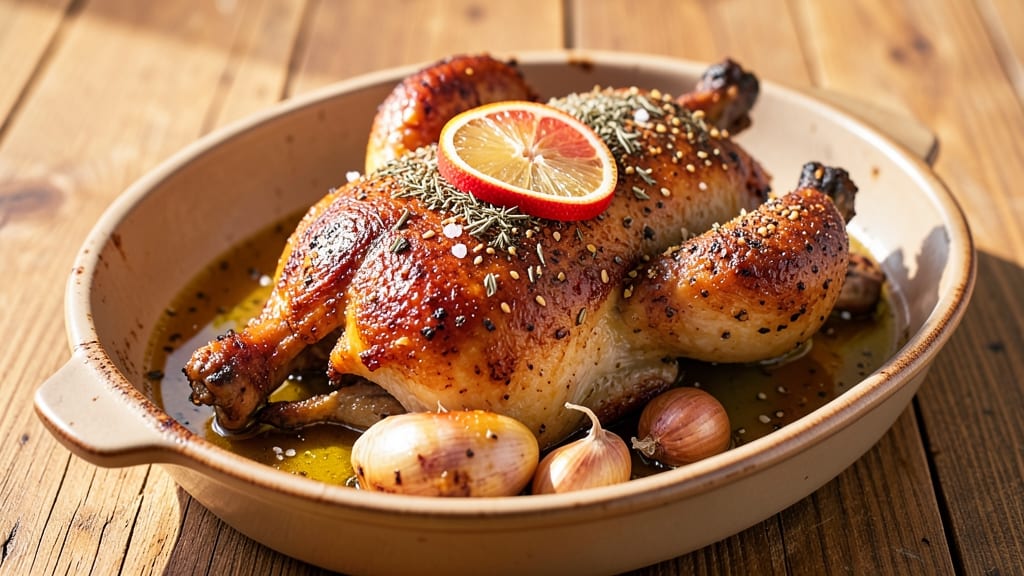
This Arabic roasted chicken recipe delivers restaurant-quality results with a fragrant za'atar crust and tender, juicy meat that falls apart at the touch of a fork. The secret lies in a marinade of lemon, garlic, and aromatic spices that infuse every bite with bright, complex flavors.
I've perfected this method over years of testing, ensuring the skin stays crisp while the meat remains succulent.
The dish begins with a simple yet transformative marinade—za'atar, lemon juice, and olive oil—that creates a golden, flavorful crust when roasted. High heat and precise timing are key to achieving that signature crispy exterior while keeping the interior moist.
This technique transforms ordinary chicken into a centerpiece worthy of any gathering, with minimal effort once you've mastered the steps.
What you'll end up with is a dish that's as visually stunning as it is delicious—golden-brown skin crackling with every bite, tender meat infused with citrus and herbs, and a juiciness that makes it impossible to resist.
The aroma alone will have everyone gathering around the table, while the flavors transport you straight to the streets of Cairo or Damascus.
Serve with traditional sides like fluffy basmati rice, fresh cucumber salad, or warm pita bread to complete the experience. This recipe is designed to impress without requiring advanced skills, making it perfect for both weeknight dinners and special occasions. Let's get started on creating this aromatic masterpiece.
Ingredients for arabic roasted chicken
Here's what transforms ordinary chicken into Middle Eastern magic—just 13 ingredients.
| Ingredient | Amount | Notes |
|---|---|---|
| Whole Chicken 🍗 | 4 lb | Bone-in, skin-on preferred |
| Za'atar Spice Blend 🌿 | ¼ cup | Store-bought or homemade mix |
| Extra-Virgin Olive Oil 🫒 | ½ cup | High quality, fruity flavor |
| Fresh Lemon Juice 🍋 | ½ cup | From 2-3 lemons, freshly squeezed |
| Garlic Cloves 🧄 | 6 cloves | Minced or finely chopped |
| Salt 🧂 | 1 ½ tsp | Diamond Crystal kosher preferred |
| Ground Black Pepper 🌶️ | 1 tsp | Freshly ground for best flavor |
| Fresh Rosemary 🌿 | ¼ cup | Chopped, stems removed |
| Fresh Thyme 🌿 | ¼ cup | Leaves only, chopped |
| Honey 🍯 | 1 tbsp | For glaze, optional but recommended |
| Ground Cumin 🌿 | 1 tsp | Toasted for deeper flavor |
| Paprika 🌶️ | 1 tsp | Smoked variety preferred |
| Fresh Parsley 🌿 | ¼ cup | Chopped, for garnish |
Za'atar is the star here, so don't skimp. Grab the Middle Eastern blend at your local grocery store's international aisle—Whole Foods or Trader Joe's usually carry good options. If you can't find it, mix equal parts sumac, sesame seeds, and dried oregano. The chicken should be whole and bone-in for best flavor distribution—4 lbs is perfect for 4 servings. Look for a bird with good marbling and bright red skin. Fresh herbs matter too; Middle Eastern markets often have better quality than regular grocery stores.
No za'atar? Mix 2 tbsp sumac, 1 tbsp sesame seeds, and 1 tsp dried oregano—it's close enough. Running low on rosemary? Thyme works at double the amount. The honey glaze is optional but adds that signature caramelized crust—agave works in a pinch. For the olive oil, avoid the cheap stuff—you want something fruity and high quality. The lemon juice should be freshly squeezed; bottled won't cut it. And if you're short on time, pre-minced garlic from a jar works fine here.
Marinate the chicken for at least 4 hours—overnight is even better. Keep it covered in the fridge. The za'atar crust keeps for 3 days in an airtight container, but the chicken itself is best eaten fresh. If you're prepping ahead, marinate and refrigerate the chicken overnight, then roast it the next day. The leftovers reheat beautifully—just 10 seconds in the microwave to revive that crispy crust.
Why You'll Love This Recipe
- The secret’s in the roast: that crispy skin from the high heat, but the inside stays tender enough to pull apart with a fork. Between us, the za’atar’s earthy, nutty kick with the bright lemon? It’s the kind of flavor that makes people pause mid-bite.
- One-Pan Magic: Honestly, I swear by this recipe because it’s basically hands-off after the initial rub. Slather that za’atar and olive oil mix on the chicken, toss in the garlic and lemon, and let the oven do the work—no flipping, no fussing, just golden perfection when you open the door.
- Crispy-Juicy Balance: The secret’s in the roast: that crispy skin from the high heat, but the inside stays tender enough to pull apart with a fork. Between us, the za’atar’s earthy, nutty kick with the bright lemon? It’s the kind of flavor that makes people pause mid-bite.
- Weeknight to Weekend: I make this for lazy Tuesdays when I’m too tired to think, and it’s just as welcome at a potluck or holiday table. The leftovers? Shred it for wraps, toss it in salads, or just reheat a slice—it’s that adaptable.
Step-by-step instructions for Arabic roasted chicken
Here's how to create that signature Middle Eastern flavor—crispy skin, juicy meat, and aromatic spices that'll have everyone asking for seconds.
Prep the Chicken for Maximum Flavor
Start by removing the chicken from its packaging and patting it completely dry with paper towels—this is non-negotiable for crispy skin. I like to open the cavity and pat that dry too, then season it generously with the 1.5 teaspoons salt and 1 teaspoon ground black pepper. Rub it all over, including inside the cavity, so every bite gets that flavor punch.
Next, make the marinade by whisking together the 0.5 cup extra-virgin olive oil, 0.5 cup fresh lemon juice, 0.25 cup za'atar spice blend, 1 teaspoon ground cumin, and 1 teaspoon paprika in a bowl. The za'atar gives that signature nutty, herby flavor that makes this dish so special. Pour this marinade all over the chicken, making sure it gets into every nook and cranny. Let it sit uncovered in the fridge for at least 30 minutes—this lets the flavors penetrate deeply.
Stuff and Truss for Perfect Shape
After marinating, stuff the cavity with the 6 minced garlic cloves, 0.25 cup chopped fresh rosemary, 0.25 cup chopped fresh thyme, and any remaining marinade. This stuffing infuses the meat with incredible aroma while it roasts. Tie the legs together with kitchen twine to keep the chicken compact—this ensures even cooking and prevents the legs from drying out.
Here's where the magic happens: brush the outside of the chicken with the 1 tablespoon honey. This creates a beautiful caramelized glaze that'll make your skin irresistibly crispy. Place the chicken on a rack set inside a roasting pan to allow air circulation on all sides—this is key for even browning.
Roast to Golden Perfection
Preheat your oven to 425°F—this high heat is crucial for that crispy skin. Once preheated, slide the chicken into the oven and roast for 45 minutes. After this initial burst of heat, reduce the temperature to 375°F and continue roasting for another 45-60 minutes, or until the internal temperature reaches 165°F when measured in the thickest part of the thigh.
I check for doneness by looking for golden-brown skin that's crispy to the touch and juices that run clear when pierced with a meat thermometer. The honey glaze should be bubbling and caramelized—this is your signal that it's ready. Don't be tempted to open the oven door during cooking; every time you do, you lose heat and extend the cooking time.
Rest and Garnish for Serving
Once the chicken reaches 165°F, remove it from the oven and let it rest on a cutting board for 15-20 minutes. This resting period is crucial—it allows the juices to redistribute throughout the meat, ensuring every slice stays juicy. While it rests, tent it loosely with foil to keep it warm.
Before serving, garnish with the 0.25 cup chopped fresh parsley. This adds a fresh, bright contrast to the rich, spiced flavors. The chicken should have beautifully crispy skin that gives way to tender, juicy meat with that signature za'atar aroma. Serve with warm flatbread or rice to soak up all those delicious juices.
Pro Tips For Making Arabic Roasted Chicken
- Start with a Hot Oven: Preheat that oven to 425°F (220°C) and don’t cut corners—wait 15 minutes for it to fully heat up. I learned this the hard way when my chicken came out undercooked because the oven was still warming up. That first blast of heat is what gets the skin crispy and the juices flowing.
- Massage the Za’atar In: Rub the za’atar blend into the chicken skin, not just on top—use your fingers to work it into the crevices and under the wings. Sounds weird, but it works: the spices stick better, and you’ll taste them in every bite. (Yes, even if you’re impatient like me.)
- Don’t Skip the Lemon Zest: Zest the lemon before juicing it and sprinkle those bright yellow strips over the chicken alongside the juice. The zest adds a subtle citrus aroma that cuts through the richness of the olive oil and za’atar. I skip this when I’m lazy, but the dish is noticeably better when I don’t.
- Baste with Pan Juices: After 30 minutes, pull the chicken out and pour the accumulated pan juices over it—don’t just dump them. Use a spoon to spread that golden, garlicky oil all over the skin. It’s the thing that matters most for flavor and moisture, especially if you’re roasting a larger bird.
Storing and reheating this recipe
Refrigerator Storage
Store your roasted chicken in an airtight container for up to 3 days—I use glass Pyrex containers with snap-on lids to maintain freshness. The za'atar crust stays crispy best when refrigerated, but the meat remains juicy.
Let it cool completely before storing to prevent condensation buildup, which can make the skin soggy. 🌡️
Freezer-Friendly Tips
For longer storage, freeze the chicken for up to 3 months in a freezer-safe bag with all air removed. I like to portion it into individual servings for easy reheating later.
Thaw overnight in the fridge before reheating—never at room temperature. The honey glaze may crystallize slightly after freezing, but it re-melts beautifully when reheated. ❄️
Reviving the Crust
When reheating, I use the broiler method for best results: Place the chicken on a baking sheet and broil for 3-5 minutes on high. This revives that crispy za'atar crust without drying out the meat.
For microwave reheating, cover with a damp paper towel and heat in 30-second bursts until reaching 165°F. Add a splash of water if it looks dry. 🔥
Serving Leftovers
Leftovers make fantastic sandwiches or wraps—slice the chicken and layer it on warm pita bread with cucumber, tomato, and tahini sauce. The flavors actually deepen overnight as the spices meld together. I also love shredding it for za'atar chicken bowls with rice and pickled vegetables. 🌟
Thawing Safely
If frozen, always thaw in the fridge for 24 hours before reheating. Never use the microwave for thawing—this creates uneven heating and can lead to food safety risks. For a quicker option, submerge the airtight container in cold water, changing the water every 30 minutes.
This keeps the chicken cold while speeding up the process. ⏰
Garnish Refresh
Before serving reheated chicken, sprinkle with fresh parsley and a drizzle of extra-virgin olive oil to revive the presentation. A pinch of smoked paprika adds warmth to the flavors. The key is to reheat gently—high heat destroys that perfect za'atar crust. 💫
Nutrition facts
Frequently asked questions
Can I use bone-in or boneless chicken for this recipe?
This recipe is designed for bone-in, skin-on chicken to achieve that signature crispy skin and juicy meat. The bones help distribute heat evenly, while the skin creates the perfect za'atar crust. If you must use boneless, opt for thighs (they stay juicier than breasts) and increase roasting time by 10-15 minutes. The flavor will be excellent, but the texture will differ slightly.
What's the best way to make za'atar if I can't find it?
Mix 2 tablespoons sumac, 1 tablespoon toasted sesame seeds, and 1 teaspoon dried oregano for a close substitute. For extra depth, add ½ teaspoon ground cumin and ¼ teaspoon ground coriander. Toast the sesame seeds in a dry pan for 2 minutes until golden to enhance their flavor. This DIY blend works perfectly for the marinade and crust.
Why does my chicken skin sometimes come out soggy?
Soggy skin usually means excess moisture during roasting. Always pat the chicken completely dry before marinating, and avoid overcrowding the pan. For extra crispiness, broil the chicken for 2-3 minutes at the end of cooking. Also, check your oven temperature—if it runs hot or cold, use an oven thermometer to ensure accurate 425°F heat for that initial burst.
Can I make this recipe in a slow cooker?
While traditional, this dish requires high heat for crispy skin. For a slow cooker version, marinate the chicken as directed, then place it on the high setting for 3-4 hours (covered) until the internal temperature reaches 165°F. Finish with 5 minutes under a broiler to crisp the skin. The meat will be tender but lose the signature crust. Best for busy days when you can't monitor the oven!
What sides pair best with Arabic roasted chicken?
Serve with fluffy basmati rice or tabbouleh salad for a traditional spread. For a modern twist, try warm pita bread with garlic yogurt dip or roasted Mediterranean vegetables like eggplant and zucchini. The bright acidity of a cucumber-tomato salad with lemon and mint also cuts through the rich chicken flavors beautifully.