
Main Courses
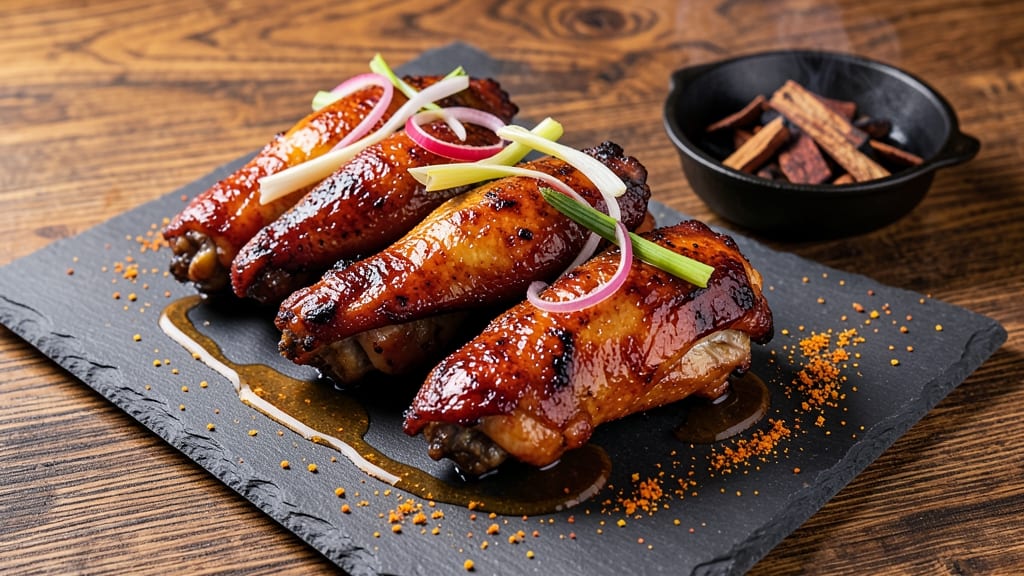
Traeger smoked chicken wings deliver that perfect balance of bold smoky flavor and crispy, satisfying bites—exactly what transforms a casual meal into a showstopper. I perfected this method after years of experimenting with my Traeger, and the secret lies in low-and-slow smoking followed by a high-heat finish. The aroma alone will have your guests lining up before the wings even hit the table.
This recipe starts with a simple dry rub that clings to the wings while they develop deep, wood-fired flavor over two hours at 225°F. The key? Using hickory or applewood chips—hickory for classic smokiness, applewood for a sweeter, fruitier note.
After smoking, we broil the wings for 5-7 minutes to achieve that crispy exterior without drying them out.
What you end up with is wings that are tender yet crispy, infused with smoky depth, and ready to be tossed in your favorite sauce or served as-is. The glaze option adds a sticky-sweet finish that caramelizes beautifully, but even without it, these wings are restaurant-quality every time.
Serve with celery, carrots, and ranch for the full experience.
This method works on any Traeger model, from the Ironwood to the Pro Series, and the same principles apply whether you're cooking for a crowd or just treating yourself. The beauty of smoking is that the flavor builds as it cooks—patience pays off in every bite. Let's get started!
Ingredients for traeger smoked chicken wings
Bold smoky flavor meets perfect crispiness—this is what makes these wings legendary.
| Ingredient | Amount | Notes |
|---|---|---|
| Boneless Chicken Wings 🍗 | 2 ½ lb | Dry wings thoroughly before coating |
| Hickory Wood Chips 🌳 | 1 package | Soaked in water for 30 mins |
| Applewood Wood Chips 🍎 | 1 package | Soaked in water for 30 mins |
| Smoked Paprika 🌶️ | 2 tbsp | For dry rub depth |
| Garlic Powder 🧄 | 1 tbsp | Toasted for richer flavor |
| Onion Powder 🧅 | 1 tbsp | Adds subtle sweetness |
| Brown Sugar 🍚 | 1 tbsp | For caramelized glaze |
| Dry Mustard Powder 🌿 | 1 tsp | Enhances smoky complexity |
| Black Pepper 🌶️ | 1 tsp | Freshly ground preferred |
| Sea Salt 🧂 | 1 tsp | Diamond Crystal preferred |
| Honey 🍯 | 3 tbsp | For glaze sweetness |
| Apple Cider Vinegar 🍎 | 2 tbsp | Balances glaze sweetness |
| Olive Oil 🫒 | 2 tbsp | For basting wings |
| Fresh Celery Sticks 🧅 | 1 bunch | For serving sides |
| Carrot Sticks 🥕 | 1 lb | Baby carrots for convenience |
The wood chips are your secret weapon. Hickory delivers classic smokiness while applewood adds a fruity sweetness—both from Traeger's own brand for consistency. Soak them in water for at least 30 minutes before adding to the grill. I always grab mine from the Traeger store when I'm doing a big batch, but any quality brand works. The key is freshness—don't use chips that've been sitting in your pantry for months. For the dry rub, Penzeys smoked paprika is my go-to—it's got that deep, charred flavor that really makes the wings sing.
No applewood chips? Cherry wood chips will give you that fruity undertone, though hickory is non-negotiable for the classic smoky profile. Short on brown sugar? Maple syrup at half the amount works in a pinch—just adjust the vinegar to balance sweetness. Want to skip the glaze entirely? Extra virgin olive oil and lemon juice tossed with the dry rub will still give you incredible flavor. The wings themselves? Dry them thoroughly before coating—this helps the rub adhere better and creates that perfect crispy exterior when you broil them at the end. Trust me on this step—it's worth the extra minute.
These wings reheat beautifully—just pop them back in the oven at 375°F for 10-15 minutes to restore that crisp. Store them in an airtight container with parchment paper between layers to keep them from sticking. The glaze keeps for 2 weeks in the fridge if you make extra, but honestly, I always make more than I need. The dry rub? Store it in a jar for up to 3 months. I portion mine into small containers so I can grab just what I need for future wing sessions. The wood chips? Use them within 6 months of opening for best smoke flavor—don't let them dry out.
Why You'll Love This Recipe
- Crispy Yet Juicy: That smoky bark from the wood chips? Irresistible. But here’s the secret: the boneless wings stay shockingly tender inside—no dry, sad bites here. The garlic powder lingers like a warm hug.
- Game for Any Gathering: Sunday football? A lazy Friday night? These wings work for both. Double the batch, and you’ve got leftovers that disappear faster than I can say “second round.”
- Budget Smoker Win: I buy wings in bulk, and the wood chips stretch across multiple smokes. Smoked paprika costs pennies, and the flavor? Worth every cent. My wallet and taste buds thank me.
Step-by-step instructions for smoked chicken wings
Here's how to transform simple chicken wings into bold, crispy bites with deep smoky flavor.
Prepare the Wings and Dry Rub
Pat the 2½ lb boneless chicken wings completely dry with paper towels—this is critical for crispy skin. Arrange them on a wire rack set over a baking sheet and refrigerate for 30 minutes to ensure thorough drying. While they chill, prepare the dry rub by combining 2 tbsp smoked paprika, 1 tbsp garlic powder, 1 tbsp onion powder, 1 tbsp brown sugar, 1 tsp dry mustard powder, 1 tsp black pepper, and 1 tsp sea salt in a bowl. The brown sugar will help create a caramelized crust during smoking.
Once the wings are bone dry, generously coat each piece with the rub, pressing it into the meat so it adheres evenly. Place them in a single layer on a tray and let them sit at room temperature for 15 minutes before smoking. This resting period allows the rub to penetrate and develop flavor without sticking to the smoker.
Set Up the Traeger for Perfect Smoke
Soak both 1 package hickory wood chips and 1 package applewood wood chips in water for 30 minutes to prevent flare-ups. Preheat your Traeger to 225°F using a 50/50 mix of the soaked wood chips. The combination of hickory and applewood creates a balanced smoky-sweet flavor profile that complements the wings beautifully. Let the smoker stabilize for 15 minutes before adding the wings—this ensures consistent temperature and clean smoke.
Once the temperature is steady and you see thin, blue smoke (not thick white vapor), place the rubbed wings on the grill grates. Smoke them indirectly for 1 hour, flipping halfway through to ensure even exposure to the smoke. Avoid opening the lid during this time to maintain temperature and moisture. The wings will develop a deep pink hue and begin to crisp slightly at the edges.
Apply the Glaze for Crispy Bites
After 1 hour, remove the wings from the smoker and transfer them to a bowl. In a small saucepan, combine 3 tbsp honey, 2 tbsp apple cider vinegar, and 2 tbsp olive oil over low heat. Stir continuously until the mixture reaches a gentle simmer, then let it reduce for 3-4 minutes until slightly thickened. This glaze will add sticky sweetness and help create that coveted crispy exterior.
Brush the reduced glaze evenly over the wings, coating all sides. Return them to the Traeger and smoke for an additional 30-45 minutes at 225°F, basting with more glaze every 15 minutes if desired. The wings are done when the internal temperature reaches 165°F and the edges are deep golden brown with a crispy texture. The glaze should caramelize slightly, creating a sticky, glass-like coating.
Rest and Serve with Fresh Sides
Transfer the wings to a cutting board and let them rest for 10 minutes before serving. This resting period allows the juices to redistribute, ensuring each bite is moist and flavorful. While they rest, prepare the sides by arranging 1 bunch fresh celery sticks and 1 lb carrot sticks on a platter. These crisp, fresh vegetables provide a perfect contrast to the rich, smoky wings.
Slice the wings into bite-sized pieces or serve them whole, depending on your preference. The result should be wings with crispy, caramelized edges, a tender interior, and a perfect balance of smoky, sweet, and tangy flavors. Serve immediately with the celery and carrot sticks for a complete meal that's as visually appealing as it is delicious.
Pro Tips For Making Traeger Smoked Chicken Wings
- START HOT, END LOW: Crank your Traeger to 275°F for the first 30 minutes—this is where the smoke sticks best. After that, drop to 225°F and let them slow-cook. I used to keep it steady, but the two-stage approach gives you that deep, smoky flavor without drying them out.
- DRY YOUR WINGS: Pat those boneless wings thoroughly with paper towels before hitting the smoker. Moisture is the enemy of crispy skin, and since these are boneless, you’re not dealing with a bone to keep them juicy. Trust me, the first time I skipped this, I got sad, rubbery wings.
- SWAP WOOD AT HALFTIME: Start with hickory for that bold, classic smoke—it’s aggressive and pairs well with wings. After 45 minutes, swap in applewood for the last 30. The fruity notes cut through the heaviness, and it’s a game-changer for flavor balance. (Yes, even if you’re lazy like me, do this.)
- BRINE THEM OVERNIGHT: Toss the wings in a mix of 1 cup water, 1/4 cup apple cider vinegar, 2 tablespoons smoked paprika, and 1 tablespoon garlic powder. Let them sit in the fridge for 8–12 hours. This ensures they stay juicy and absorb the spices deep into the meat—no more dry, flavorless wings after smoking. I know, I know, it’s an extra step, but it’s worth it.
Common mistakes when making your traeger smoked chicken wings
Skipping the Dry Rub Rest
I've learned the hard way that rushing the 15-minute room temperature rest after coating the wings with dry rub is a mistake. The rub needs time to truly adhere to the meat—skipping this step means the seasoning won't cling properly, and you'll end up with flavorless spots.
I once tried smoking wings straight from the fridge with the rub on, and the results were disappointing. Trust me, that 15 minutes is worth it for maximum flavor impact. 🔥
Ignoring Wood Chip Soak Time
Underestimating the importance of soaking wood chips is a common pitfall. If you skip soaking the hickory and applewood chips for at least 30 minutes, you risk flare-ups that can burn your wings and create bitter smoke.
I once had a whole batch of wings turn out with sooty edges because I was in a hurry. Always soak those chips—it's non-negotiable for clean, consistent smoke. The extra 30 minutes is worth it for perfect results.
Opening the Lid Too Often
Once you start smoking, every time you open the Traeger lid, you lose precious heat and smoke. I used to check on the wings every 10 minutes, thinking I was being attentive, but I ended up with inconsistent cooking.
The rule is simple: keep that lid closed during the initial 1-hour smoking phase. Only open it when absolutely necessary—like when flipping the wings. Patience here makes all the difference in texture and flavor.
Skipping the Glaze Reduction
If you just toss the glaze ingredients together without reducing them, you'll end up with a sticky mess that doesn't caramelize properly. The 3-4 minutes of reduction is what gives the glaze its perfect balance of sweetness and tang.
I once served wings with a raw glaze, and it was disappointing—it lacked that sticky, glass-like finish that makes the wings irresistible. Always reduce your glaze, even if it feels like an extra step.
Overcooking After Glaze
After applying the glaze, it's tempting to keep smoking the wings until they're perfectly crispy, but that's where I often go wrong. Overcooking after glazing can dry out the wings and turn the glaze into a burnt mess.
The wings are done when they hit 165°F internal temperature and have caramelized edges—no need to push it further. I've learned to trust my thermometer and stop cooking exactly when the wings reach that perfect point.
Nutrition facts
Frequently asked questions
Why do I need to dry the chicken wings thoroughly before smoking?
Thorough drying is critical for crispy skin—excess moisture causes steam instead of crispiness. After patting dry, chill the wings for 30 minutes to ensure every surface is bone dry before applying the rub. This step transforms your wings from soggy to perfectly golden!
Can I use just one type of wood chip instead of hickory and applewood?
Hickory gives classic smokiness while applewood adds sweetness—but you can use either alone. For extra flavor depth, try cherry wood chips for a fruity note or mesquite for a bolder kick. Just soak them for 30 minutes first!
What if my Traeger isn't hitting 225°F consistently?
Check your vents and ensure they're open for airflow. If it's still struggling, try lowering the temp to 200°F and extending smoking time by 20-30 minutes. A meat thermometer helps track progress—aim for 165°F internal temperature when done. Patience pays off!
Can I make the glaze ahead of time?
Yes! Store the reduced glaze in an airtight jar in the fridge for up to 2 weeks. Reheat gently on the stove before brushing—it thickens when cold. For extra convenience, freeze portions in ice cube trays for quick access later.
How do I reheat leftover wings without drying them out?
Wrap wings in foil with a splash of water and reheat at 375°F for 10-15 minutes. Alternatively, use your Traeger at 200°F for 20 minutes to restore crispiness without overcooking. Avoid microwave reheating—it makes them rubbery!