
Soups & Stews
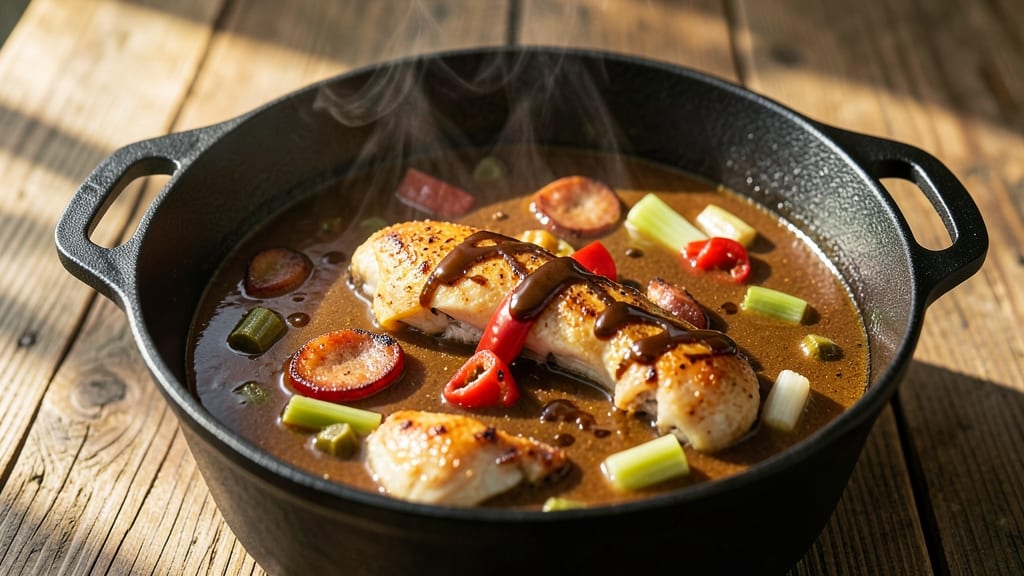
A traditional chicken gumbo recipe brings the soul of Louisiana to your kitchen with its deep, dark roux and rich, okra-thickened broth.
This dish is where I first learned the patience of slow cooking—each step matters, from the perfect brown of the roux to the tender chicken that falls apart with a gentle pull.
Growing up in small-town Georgia, I was surrounded by hearty stews, but gumbo taught me how to build layers of flavor that transform simple ingredients into something extraordinary.
The secret to authentic gumbo lies in the roux, which must cook until it reaches a deep, chocolate-brown color—this is where the magic happens.
The "holy trinity" of onions, bell peppers, and celery forms the flavor base, while okra or filé powder thickens the broth just enough to coat the chicken and sausage without making it gluey.
This recipe delivers the kind of depth you’d expect from a Cajun kitchen, where every bite tells a story of tradition and care.
By the time you serve this gumbo, your kitchen will smell like a Louisiana bayou, and your guests will taste the difference between a quick stew and a dish made with intention.
The roux gives it that signature richness, the okra creates a velvety texture, and the chicken absorbs all the flavors until it’s impossible to resist. Serve it over steamed rice with a side of crusty bread to soak up every last drop of that flavorful broth.
This is more than just a recipe—it’s a celebration of technique and tradition, passed down through generations. Whether you’re cooking for a family gathering or a quiet weeknight dinner, gumbo brings people together in a way few dishes can.
Let’s get started on creating a pot that will leave everyone asking for seconds.
Ingredients for traditional chicken gumbo
A handful of soulful ingredients bring the bayou to your pot.
| Ingredient | Amount | Notes |
|---|---|---|
| Boneless Chicken Thighs 🍗 | 2 lb | Skin-on for extra flavor |
| Andouille Sausage 🌭 | 1 lb | Cubed, traditional Cajun |
| Yellow Onions 🧅 | 2 whole | Diced finely for holy trinity |
| Green Bell Peppers 🌶️ | 2 whole | Diced, for holy trinity |
| Celery Stalks 🥬 | 2 whole | Diced, for holy trinity |
| Dried Okra Pods 🌿 | 2 tbsp | Rehydrates for thickness |
| All-Purpose Flour 🌾 | 1 cup | For dark roux base |
| Vegetable Oil 🫒 | 1 cup | For roux cooking |
| Chicken Broth 🍲 | 6 cups | Low-sodium preferred |
| Cajun Seasoning 🌶️ | 2 tbsp | Homemade or store-bought |
| Salt 🧂 | 1 tsp | Kosher or sea salt |
| Black Pepper 🌶️ | ½ tsp | Freshly ground preferred |
| Bay Leaves 🍃 | 2 whole | For aromatic depth |
| White Rice 🍚 | 3 cups | Long-grain preferred |
The roux is everything here—butter and oil together (yes, both) for that perfect dark chocolate color. I always grab Costco's vegetable oil—it's neutral and cheap. For the chicken, thighs with skin stay juicier than breasts, and the fat adds richness. Andouille sausage is non-negotiable for that authentic Cajun bite—look for the pre-cubed kind at Whole Foods or your local butcher. The okra pods? Buy dried at Trader Joe's—they rehydrate perfectly and give that signature texture.
No andouille? Smoked sausage or kielbasa works in a pinch, though it's not the same. Skip the okra? Filé powder at half the amount (1 tbsp) thickens it up. Fresh herbs like thyme or parsley can replace bay leaves, but dried works at one-third the amount. For the holy trinity, Trader Joe's pre-diced veggies save time—just make sure they're fresh. The broth? Low-sodium is key—you'll be adding salt later anyway. And if you're short on time, instant rice works for the sides, though it's not the same texture.
This gumbo tastes even better the next day—the flavors meld perfectly. Store leftovers in the fridge for 4-5 days or freeze for up to 3 months. I always make extra because it's impossible to resist. For the roux, don't walk away—stir constantly or it'll burn. The rice should be cooked separately and served on the side so it doesn't get soggy. And if you're serving a crowd, double the rice—everyone will want seconds.
Why You'll Love This Recipe
- I’ll be real: this makes way more than I need for one night. Perfect for game day, potlucks, or when your roommates show up unannounced. Leftovers keep for up to 5 days, so you can have gumbo for breakfast (yes, even on a Tuesday night).
- One-Pot Magic: Honestly, this isn’t just a meal—it’s a lazy chef’s dream. You toss everything into one Dutch oven, and the holy trinity of onions, bell peppers, and celery handles the prep while you stir that roux. No chopping marathon, just chop, cook, and forget about cleanup until the end.
- Smoky, Soulful Satisfaction: That dark roux? It’s the secret weapon. Paired with the smoky kick of andouille sausage and the tender skin-on chicken thighs, every bite is a flavor explosion. The okra pods thicken it just enough to make you lick the bowl—trust me.
- Feeds the Crowd (or Your Cravings): I’ll be real: this makes way more than I need for one night. Perfect for game day, potlucks, or when your roommates show up unannounced. Leftovers keep for up to 5 days, so you can have gumbo for breakfast (yes, even on a Tuesday night).
Step-by-step instructions for traditional chicken gumbo
Here's the method that delivers that iconic dark roux and rich, okra-thickened broth every time.
Build the Dark Roux Foundation
Heat the 1 cup vegetable oil in a large Dutch oven over medium-low heat. Add the 1 cup all-purpose flour all at once and stir constantly with a wooden spoon or whisk. This is where patience pays off—don't walk away. The roux will go from pale to peanut butter brown in about 30 minutes.
Watch closely as it darkens to a deep chocolate color—this is your signal to stop. If it gets too dark, it'll taste bitter. Once you reach that perfect dark mahogany color, immediately add the 2 tbsp dried okra pods and stir for 2 minutes to rehydrate them. This step creates the signature gumbo thickness while adding that subtle okra flavor.
Cook the Holy Trinity and Brown the Meat
Increase heat to medium and add the 2 yellow onions, 2 green bell peppers, and 2 celery stalks. Cook for 8-10 minutes, stirring occasionally, until the vegetables soften and release their juices. This is your holy trinity—don't skip this step as it forms the flavor base.
Push the vegetables to the side of the pot and add the 2 lb boneless chicken thighs and 1 lb andouille sausage. Cook for 5-6 minutes until the chicken is no longer pink and the sausage begins to brown. You want the meat to develop that deep, caramelized crust before we add the liquid.
Simmer the Broth and Season
Pour in the 6 cups chicken broth, scraping up any browned bits from the bottom of the pot. Add the 2 tbsp cajun seasoning, 1 tsp salt, ½ tsp black pepper, and 2 bay leaves. Bring to a gentle boil, then reduce heat to low and let it simmer uncovered for 45 minutes. This slow simmer allows all the flavors to meld together beautifully.
Here's the thing—don't rush this step. The broth should reduce slightly and develop a rich, deep color. You'll notice the okra has fully rehydrated and is helping to thicken the gumbo naturally. Taste and adjust seasoning if needed, adding more salt or cajun seasoning as necessary.
Prepare and Cook the Rice
While the gumbo simmers, rinse the 3 cups white rice under cold water until the water runs clear. This removes excess starch that could make the rice gummy. In a separate pot, bring 4 cups water to a boil, add the rice, reduce heat to low, cover, and let it cook for 15 minutes. Don't peek or stir—the rice needs to steam undisturbed.
After 15 minutes, turn off the heat and let the rice sit covered for 10 minutes. This resting period is crucial for fluffy, separate grains. Once the rice is ready, you'll notice it's perfectly cooked with a slight bite in the center—this is what you want for gumbo.
Combine and Serve
Remove the bay leaves from the gumbo and ladle the hot broth over the cooked rice in individual bowls. The ratio should be about 1 cup broth per ½ cup rice—this gives you that perfect gumbo consistency where each bite has both rice and broth.
Let it sit for 2-3 minutes before serving so the rice can absorb the rich flavors. Garnish with extra cajun seasoning if desired. The result should be a dark, rich gumbo with tender chicken, smoky sausage, and that perfect okra-thickened broth that coats every bite.
Pro Tips For Making Traditional Chicken Gumbo
- Stir Like Your Life Depends On It: The roux is the soul of gumbo, and skipping the whisk for even a minute turns that golden promise into bitter ash. I used to walk away—big mistake. Keep that wooden spoon or whisk moving in tight circles, especially once it hits peanut butter brown. The second you stop stirring, the clock starts ticking on disaster.
- Dice Holy Trinity Uniformly: Your gumbo’s texture hinges on even cooking. Chop the onions, bell peppers, and celery into matchstick-sized pieces—no big chunks hiding in the back. I learned this the hard way when a celery stalk stayed crunchy while everything else turned to mush. Precision here means every bite tastes like the first.
- Don’t Crowd the Chicken: When browning the chicken thighs, resist the urge to pile them all in at once. Work in batches if needed—crowding steams instead of sears, and you’ll end up with pale, flavorless meat. A hot pan and a little patience give you that caramelized crust that makes all the difference.
- Taste Before You Rest the Rice: That 10-minute rest after cooking the rice is non-negotiable, but don’t assume it’s perfect. Taste a grain first—if it’s still firm, let it sit longer. If it’s mushy, you’ve overcooked it. The gumbo’s broth should cling to the rice like a second skin, not turn it into glue. Adjust the ratio if needed.
Perfect pairings for this recipe
Cajun-Inspired Bread Pairings
No gumbo is complete without a crusty loaf to soak up every last drop of that rich broth. I always keep a loaf of French bread or sourdough on hand—look for crusty artisan breads from local bakeries.
The crunchy exterior contrasts beautifully with the tender chicken and velvety broth. For extra authenticity, toast the bread with 1 tsp Cajun seasoning before serving. This adds a subtle kick that complements the gumbo's depth. 🥖
Spicy Pickled Vegetables
Add a refreshing contrast with pickled okra or hot peppers on the side. I like to make my own with jalapeños and red onions pickled in vinegar, sugar, and salt. The tangy crunch cuts through the richness of the gumbo and adds a bright, spicy element.
You can also find these at specialty stores like Charleston markets if you're short on time. This side feels like a true Louisiana touch. 🌶️
Buttery Cornbread
For a Southern twist, serve your gumbo with buttery cornbread—it's a classic pairing that soaks up the broth beautifully. I prefer a light, crumbly texture over dense, so I use half cornmeal and half all-purpose flour in my recipe.
Add ½ tsp baking powder and a dash of Cajun seasoning for extra flavor. This dish feels like a true home-cooked meal, just like the ones I grew up with in Georgia. 🌽
Cajun-Inspired Drink Pairings
A cold ice tea or lemonade with a splash of Cajun seasoning is perfect for balancing the gumbo's heat and richness. I love making my own with fresh mint and a touch of honey. For something stronger, a dry Riesling or Sauvignon Blanc cuts through the dish's bold flavors.
If you're in the mood for beer, try a light lager like Bud Light or Miller Lite—it's crisp and refreshing without overpowering the meal. 🍹
Fresh Green Salad
A light, crisp salad with arugula, cherry tomatoes, and red onion adds freshness to balance the gumbo's richness. Toss it with olive oil and lemon juice, and sprinkle with fresh parsley for a pop of color.
This side keeps the meal feeling balanced and fresh, especially on hot days. I often add shaved Parmesan cheese for extra depth. It's a simple but effective way to round out the meal. 🥗
Nutrition facts
Frequently asked questions
Why does the roux need to be such a dark color?
The dark mahogany roux creates the signature depth of flavor in gumbo. This deep color develops rich, nutty notes that form the base of the dish. If it's too light, the gumbo will lack complexity—think of it like the difference between a pale latte and a bold espresso. Stirring constantly for 30 minutes ensures that perfect balance of color and flavor.
Can I substitute andouille sausage with another type?
While andouille is traditional, smoked sausage or kielbasa work in a pinch. However, they won't replicate that authentic Cajun kick. For best results, look for pre-cubed andouille at specialty stores or butcher shops. The fat content and spice level make it irreplaceable for true gumbo flavor.
What's the best way to handle the okra if I don't have dried pods?
Use 1 tablespoon filé powder instead of dried okra—it thickens the broth similarly. Add it gradually during the last 5 minutes of simmering to avoid clumping. Fresh okra works too, but dried is more convenient and gives that classic gumbo texture.
Why is the rice cooked separately?
Cooking rice separately prevents it from turning mushy when mixed with the hot gumbo broth. The 10-minute rest after cooking also ensures fluffy, separate grains. Serve the rice first, then ladle the gumbo over it to maintain texture. This technique keeps every bite perfect.
How do I adjust the spice level if it's too mild?
Add ½ teaspoon more Cajun seasoning during the simmering process or sprinkle extra on top before serving. For heat, stir in a dash of cayenne or serve with hot sauce on the side. Taste as you go—this is where the magic of gumbo happens!