
Side Dishes
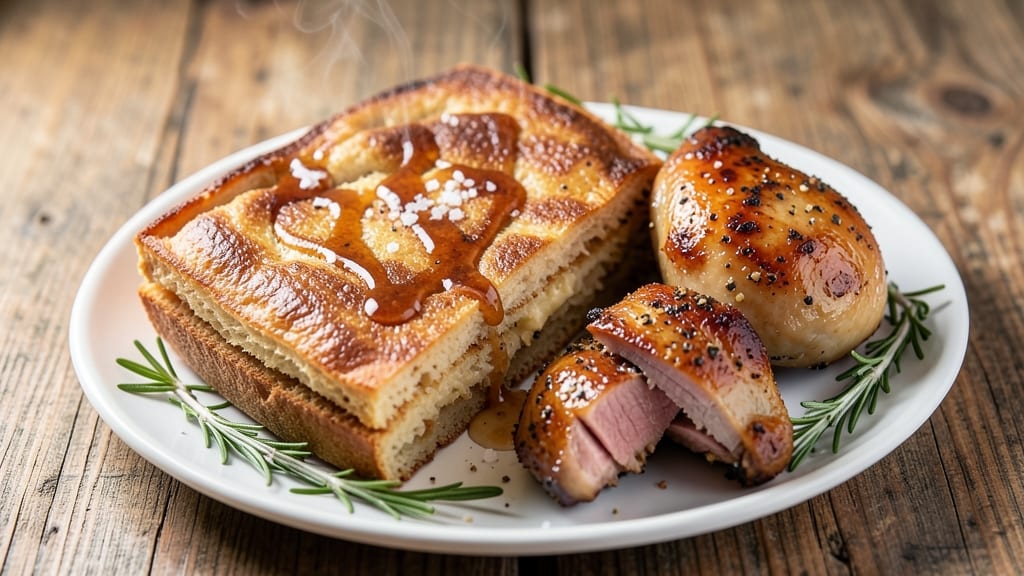
This Rex's Chicken Fry Bread recipe brings the heart of Navajo tradition to your kitchen with its signature crispy, golden layers and juicy chicken filling.
Growing up in small-town Georgia, I first tasted this dish at a family gathering where my aunt served it warm from the fryer, still steaming with honey. The combination of flaky dough and tender chicken creates a balance of textures that's impossible to resist.
What makes this recipe special is the authentic technique: a simple yeast dough that rises just enough to create those signature puffed layers, then fried to a golden crisp.
The chicken—whether fried or baked—stays juicy and flavorful, tucked perfectly inside the dough. This dish is more than just food; it's a celebration of cultural heritage and community.
By the time you assemble the pieces, you'll have a stack of crispy, golden fry bread with tender, juicy chicken peeking through. The contrast of textures—crispy outside, soft inside—makes every bite satisfying. Serve it warm with honey, powdered sugar, or a side of salsa for the full experience.
This is a dish that brings people together, whether for a family dinner or a special occasion. The secret to success lies in the dough's texture and the chicken's tenderness. Let's get started on creating this Navajo-inspired classic in your own kitchen.
Ingredients for rex's chicken fry bread
Pantry staples meet Navajo tradition in this crispy, golden fry bread with juicy chicken inside.
| Ingredient | Amount | Notes |
|---|---|---|
| All-Purpose Flour 🌾 | 3 cups | Sifted for light texture |
| Granulated Sugar 🍚 | 1 tbsp | Ensures golden browning |
| Active Dry Yeast 🍞 | 1 package | 1 packet (2.25 tsp) |
| Warm Water 💧 | 1 cup | 110°F for yeast activation |
| Unsalted Butter 🧈 | ½ cup | Cold, cubed for flaky layers |
| Large Eggs 🥚 | 1 whole | Room temperature |
| Salt 🧂 | 1 tsp | Kosher or sea salt |
| Boneless Chicken Thighs 🍗 | 1 ½ lb | Skin-on for juiciness |
| Garlic Cloves 🧄 | 3 cloves | Minced for chicken seasoning |
| Vegetable Oil 🫒 | 3 cups | For deep frying (peanut oil preferred) |
| Powdered Sugar 🍚 | ¼ cup | Optional for dusting |
| Honey 🍯 | ¼ cup | For serving (optional) |
| Lemon Juice 🍋 | 1 tbsp | Brightens chicken flavor |
| Ground Black Pepper 🌶️ | ½ tsp | Freshly cracked |
The yeast is non-negotiable here—Bob's Red Mill or King Arthur brands activate best when warm. If your kitchen runs cold, proof the yeast in 110°F water for 5 minutes before mixing. For the chicken, skin-on thighs stay juicier than breasts (trust me on this). Buy them fresh from the butcher section—pre-cut pieces often lack the fat cap that keeps them tender. The dough needs time to rise, so plan ahead: 1 hour at room temp or up to 24 hours in the fridge for deeper flavor.
No yeast? Baking powder at 1.5 tsp can replace it, but texture won't be identical. Short on butter? Lard or shortening works for flakiness (just don't use margarine). The chicken seasoning is flexible—swap garlic for 1 tsp onion powder if needed. For frying, peanut oil gives the best flavor, but vegetable oil is fine. Keep the oil at 350°F—hotter and it burns, cooler and it soaks in. The powdered sugar and honey are optional but bring that classic touch—local honey adds extra depth if you're feeling fancy.
Dough keeps 2 days in the fridge wrapped tightly, or 3 months frozen between parchment. Chicken can be pre-cooked and stored 3 days in the fridge—reheat gently before stuffing. Fry bread reheats best in a 350°F oven for 10 minutes to restore crispiness. For a crowd, double the dough and fry in batches—don't overcrowd the oil. Leftovers? Wrap in foil and freeze—microwave for 20 seconds to revive.
Why You'll Love This Recipe
- Let’s be real: chicken thighs are cheaper than breast, and you’re using every ounce of that juicy meat. The all-purpose flour and yeast are staples, and if you already have honey or powdered sugar on hand, you’re only adding a few extra dollars. It’s the kind of dish that stretches your grocery budget while still feeling like a treat. Plus, leftovers? They reheat beautifully—just pop them in the oven until crispy again. No waste, no fuss.
- No-Mess Magic: I love that this recipe lets me use the same 1 cup of warm water and 1 tbsp sugar to activate the yeast—no weird measurements or extra bowls. The dough comes together in minutes, and the yeast does all the heavy lifting while I prep the chicken. Honestly, it’s the kind of dish where you’re not stuck stirring for hours; you’re just folding, resting, and frying.
- Juicy Chicken, Golden Crunch: That ½ cup of cold, cubed butter in the chicken? Game-changer. It renders perfectly while cooking, keeping the meat tender and infusing that rich, buttery flavor. Then you fold it into pillowy dough, fry it crisp, and dust it with powdered sugar and honey—sweet meets savory in the most satisfying way. The first bite? That crispy edge with the creamy center? Chef’s kiss.
- Feed a Crowd, No Stress: This recipe makes four generous pieces, and they’re big enough to share. Between the chicken thighs and the dough, you’re getting hearty portions that disappear fast. Plus, the dough can rise overnight in the fridge—just pull it out the next morning, and you’ve got more time for coffee or last-minute chaos. It’s my secret weapon for game days or when the in-laws show up unannounced.
Step-by-step instructions for rex's chicken fry bread recipe
Here's how to create those legendary golden layers with perfectly juicy chicken inside.
Prepare the Juicy Chicken Filling
Pat the 1½ lb boneless chicken thighs completely dry with paper towels. Season generously with ½ tsp ground black pepper and 1 tsp salt, then minced 3 garlic cloves evenly over the surface. In a large skillet over medium-high heat, add ½ cup unsalted butter and cook the chicken for 6-8 minutes per side until the internal temperature reaches 165°F and the juices run clear.
Here's the thing—don't overcook the chicken or it'll turn dry. Remove it from the pan and let it rest for 5 minutes before shredding with two forks. The butter should be golden and fragrant, but don't let it burn. Once shredded, stir in 1 tbsp lemon juice to brighten the flavor and keep the chicken moist.
Make the Perfect Fry Bread Dough
In a large bowl, whisk together 1 cup warm water (about 110°F) with 1 tbsp granulated sugar and 1 package active dry yeast. Let it sit for 5-10 minutes until foamy—this activates the yeast and ensures a light, airy texture. In a separate bowl, mix 3 cups all-purpose flour and 1 tsp salt. Gradually add the yeast mixture to the flour while stirring until a shaggy dough forms.
Add the 1 large egg and knead the dough on a lightly floured surface for 5 minutes until smooth and elastic. The dough should be soft but not sticky. Here's where it gets fun—wrap it in plastic wrap and let it rise in a warm place for 1 hour or until doubled in size. The dough should feel springy when pressed gently.
Assemble and Cook the Golden Layers
Divide the risen dough into 4 equal portions and roll each into a ¼-inch thick circle on a floured surface. Place ¼ of the shredded chicken in the center of each circle, then fold the dough over to completely enclose the filling. Seal the edges tightly by pinching them with your fingers. Place the assembled fry breads on a floured surface and let them rest for 10 minutes—this helps them hold their shape.
Heat 3 cups vegetable oil in a deep skillet or Dutch oven to 350°F. Fry one fry bread at a time for 2-3 minutes per side until golden brown and crispy. Drain on a wire rack or paper towels. If the oil temperature drops below 325°F, add more oil to maintain the heat—this ensures that perfect crispy exterior.
Serve with Sweet and Savory Drizzles
While the fry breads are still warm, dust them lightly with ¼ cup powdered sugar for a sweet contrast. Drizzle with ¼ cup honey for extra richness. Serve immediately while the layers are crispy on the outside and the chicken filling is juicy inside. The powdered sugar gives a delicate sweetness that balances the savory chicken perfectly.
Real talk—this is the moment that matters: the first bite should deliver crispy, flaky layers with juicy chicken that doesn't fall apart. If you want to go the extra mile, serve with a side of spicy mayo or extra lemon wedges for brightness. The contrast of textures and flavors makes this dish unforgettable.
Pro Tips For Making Rex'S Chicken Fry Bread
- TEST YOUR YEAST: I learned this the hard way—skipping the foam check means your dough will be dense and flat. After mixing the warm water (110°F), granulated sugar, and active dry yeast, wait the full 5-10 minutes until it bubbles like a tiny beer. If it doesn’t, your yeast is dead, and your fry bread will taste like a brick. Toss it and start fresh—this isn’t the step to cut corners.
- SEAL THE EDGES: Pinching the dough edges when folding in the chicken sounds simple, but I’ve seen too many gaps where the filling oozes out during frying. Press them tight—like you’re sealing a letter—so the unsalted butter and juices stay locked inside. A little less filling per pocket means less mess and more crispy perfection.
- MONITOR OIL TEMP: That 350°F mark isn’t just a suggestion—it’s the non-negotiable sweet spot. Use a thermometer, not your eyeballs. If the oil dips below 325°F, your fry bread will absorb oil like a sponge instead of getting that golden crust. Add more oil or let it reheat; rushing this step is how you end up with greasy, sad dough balls.
- REST THE CHICKEN: I used to shred the chicken right after cooking and dive straight into assembly—big mistake. Let those thighs rest for the full 5 minutes under foil. This lets the juices redistribute, so your filling stays moist and doesn’t turn dry when wrapped in the dough. Trust me, your future self will notice the difference.
Troubleshooting your rex's chicken fry bread
Dough Too Dense?
If your dough feels heavy or doesn't rise properly, your yeast might be inactive. Always use 110°F water to activate the yeast—cold water kills it. I once forgot to warm the water and ended up with a sad, flat dough.
Try proofing your yeast in 110°F water with 1 tsp sugar for 5 minutes before mixing—it should bubble within 5-10 minutes. If it doesn’t, your yeast is dead, and you’ll need to start over. 💡
Chicken Dries Out
Overcooking is the #1 enemy of juicy chicken. When the internal temperature hits 165°F, it’s done—no more minutes! I’ve learned the hard way that leaving it another minute can turn tender meat into rubber.
Rest the chicken for 5 minutes before shredding to lock in moisture. The 1 tbsp lemon juice at the end is a game-changer for brightness.
Fry Bread Sinks Instead of Rises
If your fry bread flattens in the oil, the dough likely wasn’t rested enough. Let the assembled pieces sit for 10 minutes before frying—they need time to relax.
Also, ensure your oil is at 350°F; cooler oil causes the dough to absorb instead of crisp. I use a thermometer to confirm—no guesswork allowed. 🌡️
Oil Burns or Soaks In
Burnt oil ruins the fry bread’s texture, while oil that’s too cool makes it greasy. Maintain 350°F by adding small amounts of oil as needed. I keep a quart of extra oil nearby to top it off.
If your oil drops below 325°F, the dough will absorb instead of frying. A deep, heavy pot like a Lodge Dutch oven helps distribute heat evenly.
Filling Leaks Out
Sealing the edges properly is key—pinch them tightly like you’re closing a lunchbox. If the filling still escapes, chill the assembled dough for 15 minutes before frying.
The cold sets the gluten, making it easier to handle. I’ve had to start over twice because I rushed this step—don’t be like me! 😅
Nutrition facts
Frequently asked questions
Why does this fry bread recipe use yeast instead of baking powder?
The yeast creates those signature light, airy layers that make the fry bread extra flaky and delicious. Baking powder would give you a quick rise but won't develop the same tender, puffy texture. Yeast also adds depth of flavor that's key to authentic Navajo-style fry bread. The 1 hour rise time is worth it for that perfect balance of crispy and tender!
Can I use chicken breasts instead of thighs for this recipe?
While you can use chicken breasts, the skin-on thighs are the secret to juicy, flavorful filling. Breasts dry out faster when cooked, and they lack the fat that keeps the meat tender. If you prefer breasts, cook them 10 minutes less and add a splash of chicken broth to the filling to maintain moisture.
What if my dough doesn't rise properly?
Check your yeast first - it needs 110°F water to activate properly. If your dough is flat, try proofing the yeast separately for 5-10 minutes until bubbly before mixing. Also ensure your kitchen is warm enough - cold rooms slow yeast activity. If all else fails, let the dough rise in a warm oven (turned off) with a damp towel over it.
How do I prevent the chicken filling from leaking out when frying?
Seal those edges tightly by pinching them like you're closing a lunchbox! For extra security, chill the assembled dough for 15 minutes before frying. This sets the gluten and makes it easier to handle. I've learned the hard way - rushing this step causes messy fillings.
Can I make the dough ahead of time?
The dough keeps beautifully for 2 days in the fridge wrapped tightly in plastic. For even deeper flavor, refrigerate it overnight. When ready to use, let it warm up to room temperature before shaping. You can also freeze the dough for 3 months - just thaw it overnight in the fridge before using.