
Main Courses
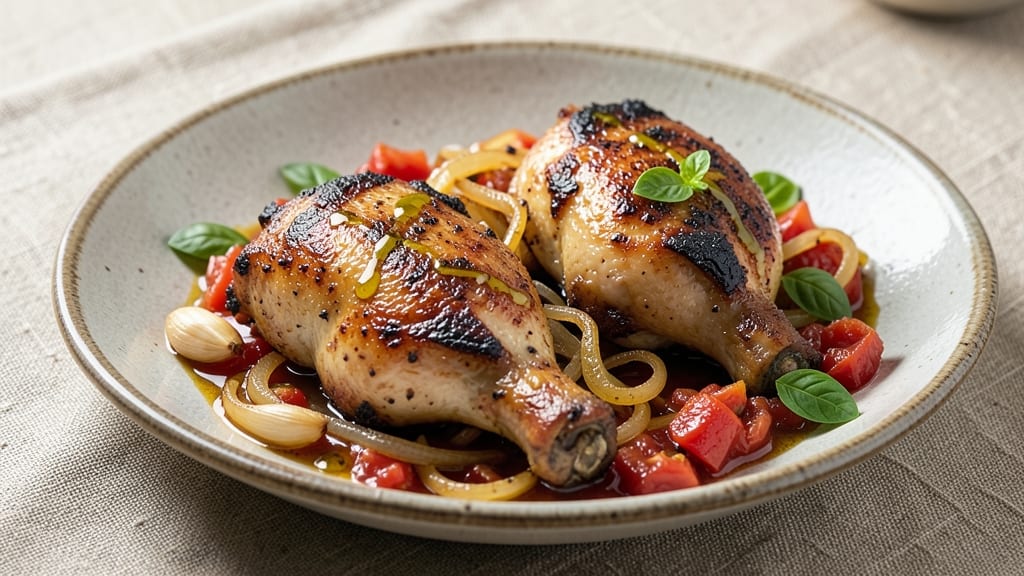
Rao's chicken cacciatore recipe delivers the kind of slow-simmered depth that makes every bite taste like a home-cooked Italian masterpiece. The secret lies in patient layering—browning the chicken until golden, then melting garlic and onions into a fragrant base before adding tomatoes and herbs.
I’ve perfected this version over years of testing, ensuring the sauce remains rich yet balanced, never overpowering the tender chicken. What sets this apart is the wine reduction that transforms simple ingredients into something restaurant-worthy.
The process begins with searing chicken thighs in olive oil until deeply browned, a step that builds flavor from the very first bite.
Then comes the sauce: crushed tomatoes, white wine, and fresh herbs simmer together for at least 45 minutes, allowing the flavors to meld into a velvety, aromatic sauce. The result is chicken that falls apart effortlessly, swimming in a sauce that’s bright, tangy, and deeply savory—just like Rao’s.
This dish pairs beautifully with crusty bread or al dente pasta, soaking up every drop of that slow-simmered magic. The key is letting it rest before serving, allowing the chicken to absorb the sauce and become even more tender.
Whether you’re feeding a family or hosting dinner guests, this recipe delivers the authentic Italian-American comfort Rao’s is known for.
Ready to recreate this classic? The instructions walk you through every step, from searing to simmering, ensuring your cacciatore turns out restaurant-quality at home. Let’s get started—your taste buds will thank you.
Ingredients for rao's chicken cacciatore
Pantry staples meet Italian tradition. A few key ingredients transform into restaurant-quality cacciatore.
| Ingredient | Amount | Notes |
|---|---|---|
| Chicken Thighs, Bone-In 🍗 | 1 ½ lb | Skin-on for richer flavor |
| Yellow Onions 🧅 | 1 whole | Medium size, diced |
| Garlic Cloves 🧄 | 4 cloves | Peeled, minced |
| Extra-Virgin Olive Oil 🫒 | ½ cup | High quality, fruity |
| Crushed Tomatoes 🍅 | 2 cups | San Marzano preferred |
| Dry White Wine 🍷 | ½ cup | Sauvignon Blanc or Pinot Grigio |
| Chicken Broth 💧 | ½ cup | Low-sodium preferred |
| Fresh Rosemary 🌿 | ¼ cup | Chopped, stems removed |
| Fresh Thyme 🌿 | ¼ cup | Leaves only, chopped |
| Fresh Basil 🌿 | ¼ cup | Chopped, for finishing |
| Tomato Paste 🍅 | 1 tbsp | Smooth, not chunky |
| Kosher Salt 🧂 | 1 ½ tsp | Diamond Crystal preferred |
| Ground Black Pepper 🌶️ | ½ tsp | Freshly ground |
| Red Pepper Flakes 🌶️ | ¼ tsp | Adjust for heat preference |
The chicken thighs are non-negotiable—skin-on, bone-in for that deep, rich flavor. Trader Joe's or Whole Foods carry excellent cuts, but any grocery store's bone-in thighs will work. Look for good marbling and bright red color. The onions and garlic form the aromatic base, so don't skimp—freshly minced garlic makes all the difference. For the tomatoes, San Marzano cans are worth the investment—they're sweeter and less acidic, which keeps the sauce balanced. If you can't find them, any high-quality crushed tomatoes will do, but avoid the watery brands.
No white wine? Chicken broth with a splash of apple cider vinegar mimics the acidity perfectly. Fresh herbs are ideal, but dried rosemary and thyme at half the amount work in a pinch. The tomato paste might seem like overkill for just one tablespoon, but it's what gives the sauce that intense, concentrated tomato flavor that Rao's is known for. If you're short on time, Trader Joe's tomato paste squeeze tubes are a lifesaver—they're convenient and keep well. For the red pepper flakes, adjust to taste—start with half the amount if you're sensitive to heat, then add more later if needed.
This dish tastes even better the next day, so make extra if you can. The sauce keeps for 5-6 days in the fridge, and the chicken reheats beautifully. For leftovers, store them in an airtight container with a thin layer of olive oil on top to preserve freshness. Freezes well for up to 3 months—just thaw overnight in the fridge before reheating. The sauce thickens as it cools, so add a splash of broth or water when reheating to loosen it up.
Why You'll Love This Recipe
- Here’s what sold me: that ½ cup of dry white wine isn’t just for show. It reduces down to a syrupy glaze that clings to the chicken thighs like a flavor hug. Plus, it mellows the acidity of the crushed tomatoes so the dish feels balanced, not tart.
- I’ll be real: this is my secret weapon for busy nights. The sauce keeps for 5-6 days in the fridge, and reheating? Just add a splash of chicken broth to keep it silky. Serve it over rice, toss it with pasta, or let the kids dip bread into it—it’s that versatile.
Step-by-step instructions for Rao's chicken cacciatore
Transform simple ingredients into restaurant-worthy cacciatore with this slow-simmered technique.
Sear the Chicken for Deep Flavor
Pat the 1½ lb chicken thighs, bone-in completely dry with paper towels—this ensures maximum crispiness. Heat ½ cup extra-virgin olive oil in a large Dutch oven over medium-high heat until shimmering. Add the chicken skin-side down and sear for 8-10 minutes, pressing gently to prevent curling. You'll know it's ready when the skin turns deep golden brown and releases easily from the pan.
Flip the chicken and cook the other side for 5-6 minutes until golden. Remove the chicken and set aside on a plate. Here's the thing—don't drain the oil. Those browned bits (fond) form the flavor base for your sauce. Reduce heat to medium and add the 1 diced yellow onion, cooking for 5 minutes until softened. Stir in the 4 minced garlic cloves and cook for 30 seconds until fragrant—this prevents burning.
Build the Herb-Infused Tomato Base
Add 1 tbsp tomato paste to the pot and stir for 1 minute to remove any raw taste. Pour in the ½ cup dry white wine, scraping up all the browned bits with a wooden spoon. Let the wine simmer for 3-4 minutes until reduced by half. This step concentrates the flavors and removes alcohol sharpness.
Increase heat to medium-high and add the 2 cups crushed tomatoes, ½ cup chicken broth, ¼ cup chopped fresh rosemary, ¼ cup chopped fresh thyme, 1½ tsp kosher salt, ½ tsp ground black pepper, and ¼ tsp red pepper flakes. Stir well, then return the chicken to the pot, skin-side up. Bring to a gentle simmer, then reduce heat to low and cover partially. The sauce should bubble gently—if it's too vigorous, the chicken will cook unevenly.
Slow-Simmer for Tender Perfection
Let the cacciatore simmer uncovered for 45-50 minutes, turning the chicken occasionally to ensure even cooking. You're aiming for 165°F internal temperature in the thickest part of the thigh. The sauce will reduce slightly, becoming rich and velvety. Here's where patience pays off—rushing this step leads to dry chicken and thin sauce.
Once the chicken reaches temperature, remove it from the pot and let it rest for 5 minutes on a cutting board. Skim any excess fat from the sauce if desired, then return the chicken to the pot. Stir in the ¼ cup chopped fresh basil and simmer for 2-3 minutes to infuse the leaves' bright flavor. The basil should be added at the end to preserve its delicate aroma.
Serve with Crispy Skin and Silky Sauce
Transfer the chicken and sauce to a serving platter, spooning the sauce generously over the top. The chicken should have crispy, caramelized skin and fork-tender meat that pulls apart easily. Serve immediately with crusty bread or polenta to soak up the rich tomato-herb sauce. Each bite should deliver a perfect balance of tender chicken, tangy tomatoes, and aromatic herbs.
Real talk: If the sauce seems too thick after resting, thin it with 1-2 tablespoons warm chicken broth while reheating. For extra depth, a splash of dry white wine can brighten the flavors if made ahead. This dish tastes even better the next day—just reheat gently on the stove with a splash of broth to maintain texture.
Pro Tips For Making Rao'S Chicken Cacciatore
- Sear the Chicken Hard: High heat. Seriously, crank it up to medium-high and let those bone-in thighs develop a deep brown crust before touching them with anything else. I learned this the hard way—skipping the sear means a pale, bland sauce instead of rich, caramelized flavor that clings to every bite.
- Slice Onions Thin: About 1/8-inch thick, not those thick wedges you might grab. Thin slices cook faster, soften evenly, and release their sweetness into the sauce without turning mushy. My grandmother swore by this, and she was right: the onions should melt into the tomatoes, not float like raisins.
- Deglaze with Wine First: After searing the chicken, hit the pan with a splash of white wine (or even a little broth) before adding the tomatoes. This scrapes up all those browned bits—what makes cacciatore sing—and gives the sauce depth before the acidity of the crushed tomatoes kicks in. Skip this, and you’re missing half the flavor.
- Simmer Low and Slow: Once everything’s in the pot, drop the heat to a bare simmer—just enough to keep tiny bubbles breaking the surface. Too hot, and the sauce turns gluey; too cool, and the chicken stays tough. I was skeptical until I tried it: 45 minutes at this pace guarantees tender meat and a sauce that thickens just enough to coat a fork.
Wine and beer pairings for rao's chicken cacciatore
Italian White Wine Pairings
The bright acidity of an Italian white wine cuts through the rich tomato and herb sauce beautifully. I always reach for a dry Vermentino from Sardinia—its citrusy notes complement the dish's tangy depth.
The Sauvignon Blanc from Alto Adige also works perfectly, balancing the dish's savory complexity with its crisp, green apple finish. Look for wines with 12-13% alcohol to avoid overwhelming the delicate flavors. 🍷
Crisp White Wine Alternatives
If you prefer something lighter, a Pinot Grigio from Friuli-Venezia Giulia offers refreshing minerality that pairs well with the dish's herbaceous notes. For a touch of sweetness, a Fiano from Campania adds floral undertones that harmonize with the basil and rosemary.
Both options are excellent choices for those who enjoy a more approachable white wine.
Beer Pairings for Bold Flavors
A dry Italian lager like Peroni or Moretti provides the perfect contrast to the rich sauce with its clean, crisp finish. For craft beer enthusiasts, a Belgian witbier with its citrus and coriander notes can add an interesting twist, enhancing the dish's herbal profile.
Both options keep the focus on the cacciatore's natural flavors without competing. 🍺
Avoid Heavy Red Wines
While red wines might seem like an obvious choice, they can overpower the dish's delicate balance of herbs and tomatoes. Skip bold reds like Chianti or Barolo—their tannins and intensity clash with the sauce's acidity.
Instead, stick to whites or light beers to let the dish shine. This pairing ensures every bite of tender chicken and velvety sauce remains the star. 💡
Late-Harvest Wines for Depth
For a more complex pairing, try a late-harvest Pinot Grigio or Vermentino with residual sugar. The subtle sweetness enhances the dish's savory notes without being overpowering. These wines offer a richer mouthfeel that complements the slow-simmered depth of the cacciatore.
It’s a subtle but satisfying choice for those who enjoy a touch of complexity. 🍇
Nutrition facts
Frequently asked questions
Why does this recipe call for bone-in chicken thighs?
The bone-in, skin-on thighs deliver unmatched flavor and texture—the fat renders slowly during cooking for richness, while the skin crisps beautifully. Bone-in cuts also stay juicier during the long simmer. For even deeper flavor, pat them completely dry before searing to maximize crispiness.
What should I do if I don't have dry white wine?
No problem! Substitute with ½ cup chicken broth plus 1 tablespoon apple cider vinegar—it mimics the acidity perfectly. The dish will still develop that tangy depth, just without the wine's floral notes. Stir well before adding to the pot.
How do I know when the chicken is fully cooked?
Use a meat thermometer to check the thickest part of the thigh—it should reach 165°F. The chicken will also pull apart easily with a fork when done. If you don't have a thermometer, cut into the thickest piece—it should be opaque and juices should run clear, not pink.
Can I make this dish ahead of time?
The flavors improve with time—make it 1-2 days ahead and store in an airtight container. Reheat gently on the stove with a splash of broth to restore moisture. The sauce will thicken slightly as it cools, so thin with broth when reheating. This dish actually tastes better the next day!