
Main Courses
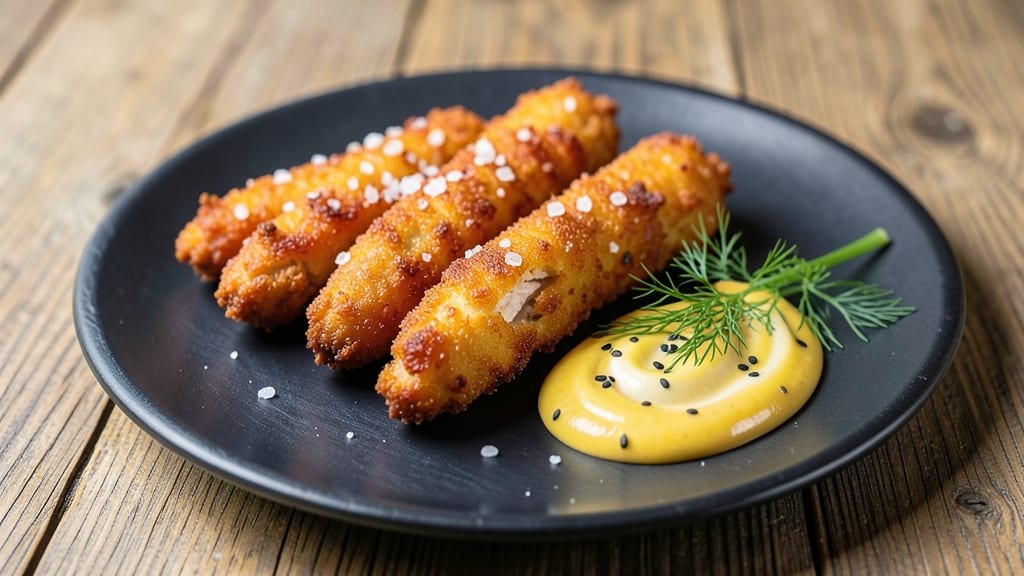
This copycat Raising Cane’s chicken fingers recipe brings that beloved crispy, juicy magic straight to your kitchen. After years of perfecting this copycat recipe—including the buttermilk marinade and cornstarch-heavy breading—I've finally cracked the code for restaurant-quality results at home.
The secret lies in the double-dredging technique and precise frying temperature that ensures every bite is just as satisfying as the original.
This recipe focuses on simplicity without sacrificing flavor or texture. You'll need basic pantry staples like buttermilk, cornstarch, and all-purpose flour, along with a few key ingredients that elevate the dish. The marinating process is where the magic begins, tenderizing the chicken while infusing it with that signature tangy flavor.
Once breaded, the chicken develops a crispy exterior that stays crunchy even after frying, while the inside remains juicy and perfectly cooked through.
What you'll end up with is a plate of golden, crispy chicken fingers that look and taste just like the chain's famous version. The breading sticks perfectly to the chicken, creating that satisfying crunch with every bite, while the juicy centers ensure you won't be left with dry, tough meat.
This is the copycat recipe I've been perfecting for years, and it never fails to impress—whether you're serving it as a kid-friendly meal or a nostalgic treat for adults.
Serve these copycat chicken fingers with classic sides like fries or coleslaw for the full Raising Cane's experience. The recipe scales easily, so you can make a full batch for a family dinner or just a few for a quick snack.
Let's get started on making these crispy yet juicy chicken fingers at home!
Ingredients for raising cane's chicken fingers copycat
Three pounds of chicken thighs transform into crispy, juicy copycat Raising Cane's fingers.
| Ingredient | Amount | Notes |
|---|---|---|
| Boneless Chicken Thighs 🍗 | 3 lb | Cut into 1-inch fingers |
| Buttermilk 🥛 | 2 ½ cups | Full-fat for best flavor |
| All-Purpose Flour 🌾 | 3 cups | For first breading layer |
| Cornstarch 🌽 | 1 ½ cups | Cornstarch-heavy for crispiness |
| Granulated Sugar 🍬 | ¼ cup | For caramelization |
| Kosher Salt 🧂 | 2 tsp | Fine grain preferred |
| Black Pepper 🌶️ | 1 tsp | Freshly ground for best flavor |
| Vegetable Oil 🫒 | 3 cups | For frying, neutral flavor |
| Baking Soda 🧪 | 1 tsp | For extra crispiness |
| Paprika 🌶️ | 1 tbsp | For visual appeal |
| Garlic Powder 🧄 | 1 tsp | For subtle flavor boost |
| Onion Powder 🧅 | 1 tsp | For depth of flavor |
The chicken thighs are your secret weapon here. Boneless, skinless thighs stay juicier than breasts during frying, and the 3-pound batch ensures plenty for sharing. For best results, use fresh, high-quality buttermilk—the tangier the better. I always grab mine from Costco or my local natural foods store, where it’s less processed. The key is cutting the thighs into 1-inch fingers—uniform size means even cooking and crispy perfection. Don’t skip the double-dredging step; it’s what gives those fingers that restaurant-worthy crunch.
No buttermilk? Mix 2 cups milk with 1 tbsp vinegar to replicate the tang. For the breading, all-purpose flour works best, but if you’re in a pinch, use half flour and half cornmeal for a coarser texture. The cornstarch is non-negotiable—it’s what creates that light, crispy exterior. Want to add some heat? 1/2 tsp cayenne pepper mixed into the flour will do the trick. And if you’re worried about the oil getting too hot, use an oil thermometer—350°F is ideal for golden, not greasy, fingers.
This recipe makes enough for a crowd, so plan to freeze half for later. Let the breaded fingers rest on a wire rack for 20 minutes before frying to prevent sogginess. Store leftovers in an airtight container in the fridge for up to 3 days, or freeze for up to 3 months. For best results, reheat in the oven at 375°F for 10 minutes to restore that crispy texture. The breading will hold up beautifully, but the juiciness inside is what keeps people coming back for more.
Why You'll Love This Recipe
- No-Fuss Breading: I swear, the buttermilk marinade does half the work for you—just dip, rest, and fry. No rolling in flour or complicated steps; the cornstarch and sugar in that flour mix create that perfect crunch without the fuss.
- Crispy-Creamy Magic: That buttermilk tenderizes the chicken thighs while the flour crust locks in juiciness—golden outside, pillowy inside. Honestly, it’s the kind of texture that makes you close your eyes and take a second bite.
- Game for Any Meal: Slap these on a sheet pan for a quick lunch, toss them into a kid’s bento for school, or serve them as the star of a tailgate spread. They’re just as happy in a basket as they are in a takeout bag.
- Budget Win: Chicken thighs stretch further than breasts, and buttermilk + pantry staples mean no pricey shortcuts. I’ve made three meals out of one batch—leftovers reheat like a dream in the air fryer, too.
Step-by-step instructions for Raising Cane's copycat chicken fingers
Here's the method that delivers that signature crispy exterior with perfectly juicy centers.
Prepare the Chicken and Buttermilk Marinade
Cut the 3 lb boneless chicken thighs into 1-inch fingers using a sharp knife. Pat them dry completely with paper towels—this step is crucial for maximum crispiness. Place the chicken pieces in a large resealable bag and pour in the 2½ cups buttermilk. Seal the bag and marinate in the refrigerator for at least 12 hours, or up to 24 hours for deeper flavor penetration.
Here's the thing—chicken absorbs buttermilk more effectively when it's cold. The acid in the buttermilk tenderizes the meat while the fat adds moisture that prevents drying during frying. Don't skip this step, even if you're eager to start cooking.
Create the Breading Station
In a large bowl, whisk together the 3 cups all-purpose flour, 1½ cups cornstarch, ¼ cup granulated sugar, 2 tsp kosher salt, 1 tsp black pepper, 1 tsp baking soda, 1 tbsp paprika, 1 tsp garlic powder, and 1 tsp onion powder. This combination creates the perfect balance of crispiness, flavor, and texture. The cornstarch-heavy mixture is what gives these fingers their signature crunch.
Spread the flour mixture on a large plate or shallow dish. You'll want to work quickly after removing the chicken from the marinade to prevent soggy breading. The baking soda acts as a leavening agent that creates tiny air pockets for extra crispiness, while the paprika adds that signature golden color.
Bread and Fry the Chicken Fingers
Remove the chicken from the buttermilk and let any excess drip off. Working in batches to avoid crowding, dredge each piece thoroughly in the flour mixture, pressing gently to ensure complete coverage. Place the breaded fingers on a wire rack set over a baking sheet to allow air circulation on all sides.
Heat 3 cups vegetable oil in a deep fryer or heavy pot to 375°F. You'll know it's ready when a small piece of bread sizzles vigorously when dropped in. Fry the chicken fingers for 3-4 minutes per side until they reach an internal temperature of 165°F and achieve a deep golden brown color. The oil temperature is critical—too hot and they'll burn before cooking through, too cool and they'll absorb oil instead of becoming crispy.
Maintain Temperature and Serve
Transfer the fried chicken fingers to a paper towel-lined plate to drain excess oil. The key to keeping them crispy is maintaining their temperature. Place them on a wire rack in a 200°F oven for up to 10 minutes if you need to hold them before serving. This keeps them warm without making them soggy.
Serve immediately with your favorite dipping sauce. The combination of the crispy exterior from the cornstarch-heavy breading and the juicy, tender chicken inside is what makes these copycat fingers so successful. Each bite should deliver that satisfying crunch followed by moist, flavorful chicken.
Pro Tips For Making Raising Cane'S Chicken Fingers Copycat
- Cut Thighs Lengthwise: Slice boneless chicken thighs down the middle (not across) into cutlets—this keeps them thin enough to cook fast and crispy without drying out. I used to flatten them whole, but they’d steam instead of sear, and the crust would fall off like sad lasagna.
- Buttermilk Soak Time: Let the chicken marinate in buttermilk for at least 4 hours—overnight is ideal. The longer it sits, the more tender and juicy the fingers get. I skipped this once and ended up with rubbery, sad sticks of chicken.
- Double-Dip the Flour: Coat the chicken in the flour-cornstarch-sugar mix twice, tapping off excess after each dip. The first layer locks in flavor; the second builds that signature crunch. Yes, it’s messy, but it’s the thing that matters most.
- Fry in Batches: Don’t overcrowd the pan—two fingers max per batch, or the oil temp will drop and you’ll get greasy, limp results. I learned this the hard way when my first batch turned into a sad, soggy pile. High heat is non-negotiable.
Perfect pairings for these flavors
Classic Dipping Sauces
Raising Cane’s signature sauce is a tangy, slightly sweet honey mustard—I’ve perfected my version using 2 tbsp Dijon mustard, ¼ cup honey, 2 tbsp apple cider vinegar, and a pinch of garlic powder.
Whisk it together and let it sit for 10 minutes to meld flavors. This balances the crispy chicken perfectly, cutting through the richness while complementing the buttermilk marinade. 🍯
Southern Fried Sidekicks
For an authentic Southern spread, pair these fingers with crispy shoestring fries—I use 2 large russet potatoes cut into matchsticks, tossed in 2 tbsp olive oil, 1 tsp paprika, and ½ tsp salt, then baked at 425°F for 25 minutes.
The fries’ caramelized edges mirror the chicken’s golden crust. Alternatively, make creamy coleslaw with ½ cup mayonnaise, 2 tbsp apple cider vinegar, and 1 cup shredded cabbage—the cool crunch contrasts the fingers’ heat beautifully.
Beverage Pairings
A sweet tea float—equal parts iced sweet tea and vanilla ice cream—is a nostalgic Southern staple that cleanses the palate between bites. For something lighter, try a sparkling lemonade with ½ cup fresh lemon juice, ¾ cup simple syrup, and 2 cups sparkling water.
The citrus brightens the dish’s richness without overpowering it. Avoid creamy sodas, which can clash with the crispy texture.
Garnish Upgrades
Elevate your plate with a sprinkle of flaky sea salt like Maldon right before serving—it enhances the breading’s savory notes. Fresh parsley or cilantro adds a pop of color and freshness, while a drizzle of hot honey (mix ½ cup honey with 1 tsp cayenne) introduces subtle heat.
I always garnish with a few crushed red pepper flakes for guests who love a kick.
Kid-Friendly Twists
For picky eaters, serve the fingers with ranch or ketchup—both are crowd-pleasers. I also add mini corn dogs (using the same buttermilk marinade!) as a fun side. For a fun presentation, arrange the fingers on a wooden board with toothpicks and let kids assemble their own plates.
The interactive element makes mealtime enjoyable for all ages. 👨🍳
Nutrition facts
Frequently asked questions
Why does the recipe call for boneless chicken thighs instead of breasts?
Boneless chicken thighs stay juicier than breasts during frying because they have more fat and connective tissue. This ensures your copycat fingers stay moist inside while achieving that signature crispy exterior. The thighs also absorb the buttermilk marinade better, enhancing flavor penetration for that authentic Raising Cane's taste.
How do I prevent the breading from falling off while frying?
Double-dredge the chicken fingers by dipping them in buttermilk, then pressing them firmly into the flour mixture twice. Let the breaded fingers rest on a wire rack for 20 minutes before frying to let the flour adhere. This creates a stronger bond and ensures the breading stays intact while frying. Avoid overcrowding the fryer for even cooking and crispiness.
Can I bake these chicken fingers instead of frying them?
While frying is the traditional method for that signature crispiness, you can bake them for a lighter option. Brush the breaded fingers with melted butter, then bake at 400°F for 20-25 minutes, flipping halfway. However, the texture won't be as crispy as deep-frying, so expect a slightly softer exterior. For best results, stick with frying for that authentic Raising Cane's crunch.
What’s the best way to reheat leftovers without making them soggy?
Place the leftover chicken fingers on a wire rack in a 200°F oven for 10 minutes. This maintains their crispiness without steaming them. Avoid microwaving, as it can make the breading soggy. For frozen fingers, thaw them in the fridge overnight before reheating. This ensures even heating and preserves that perfect crunch.