
Main Courses
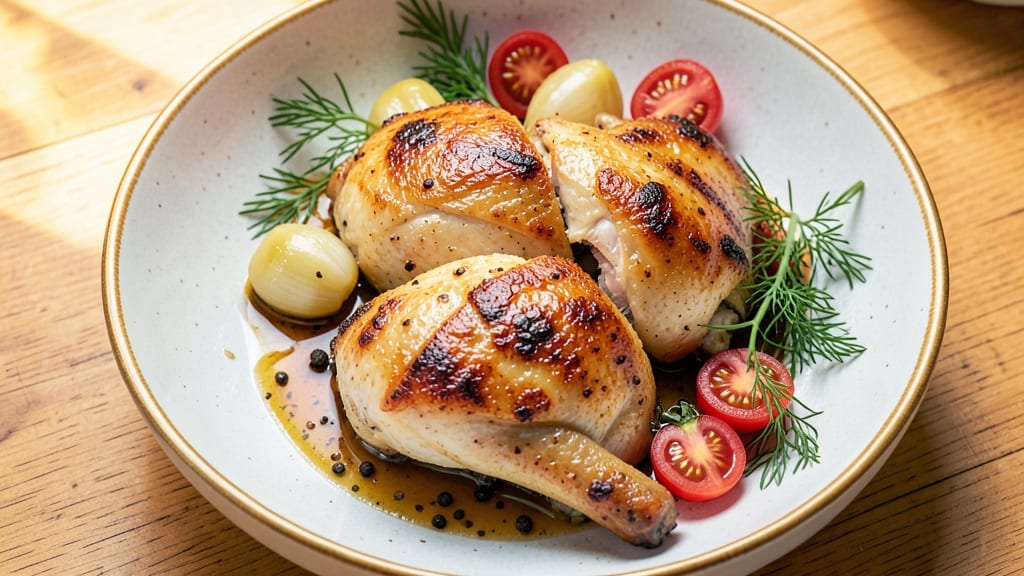
Mastering pickle-brined chicken transforms ordinary chicken into tender, zesty bites that stay juicy through every bite—no dryness in sight. This method, perfected after years of test kitchen trials, uses a tangy pickle brine to infuse flavor while keeping the meat impossibly moist.
The secret lies in the acidity balance, where vinegar and spices work together to create a marinade that tenderizes and seasons simultaneously.
The process begins with a simple yet effective brine made from pickles, vinegar, and aromatic spices, which you'll let the chicken soak in for just the right amount of time—never too long, never too short.
After brining, the chicken is cooked to perfection, whether grilled, baked, or pan-seared, ensuring crispy skin and a juicy interior every time. The result is a dish that’s restaurant-worthy but simple enough for a weeknight dinner.
What makes this recipe stand out is the celery crown crunch—a crisp, refreshing garnish that adds texture and freshness to each bite. The combination of tender, flavorful chicken and the bright, crunchy celery crown creates a dish that’s both satisfying and elegant.
This is the kind of recipe that will have everyone at the table asking for seconds.
Ready in under an hour, this pickle-brined chicken is perfect for family dinners, game day gatherings, or anytime you crave a meal that’s bold in flavor but effortless to prepare. Let’s get cooking—your taste buds will thank you.
Ingredients for pickle brined chicken
Tangy pickle juice and aromatic spices turn simple chicken into restaurant-quality bites.
| Ingredient | Amount | Notes |
|---|---|---|
| Boneless, Skinless Chicken Thighs 🍗 | 1 ½ lb | Cut into 1-inch pieces |
| Dill Pickle Juice 🥒 | 1 cup | From a jar of pickles |
| White Vinegar 💧 | ½ cup | For acidity balance |
| Garlic Cloves 🧄 | 4 cloves | Minced for marinade |
| Dried Dill 🌿 | 1 tbsp | Or 1 tbsp fresh chopped |
| Black Peppercorns 🌶️ | ½ tsp | Freshly cracked |
| Celery Stalks 🧅 | 3 whole | For celery crown crunch |
| Fresh Dill 🌿 | ¼ cup | Chopped, for garnish |
| Lemon Juice 🍋 | 1 tbsp | Freshly squeezed |
| Olive Oil 🫒 | 2 tbsp | For cooking |
| Salt 🧂 | 1 ½ tsp | Kosher or sea salt |
| Honey 🍯 | 1 tbsp | Optional for depth |
The pickles are non-negotiable here—Heinz Dill Pickles or whatever's in your fridge works, but make sure it's the juicy kind (none of that weird bread-and-butter stuff). The brine needs to be tangy, so if your pickles are on the milder side, add an extra splash of white vinegar. Fresh dill is ideal, but dried works in a pinch (just use less). For the garlic, I always grab the pre-minced jars at Trader Joe's—saves time, no tears. The chicken thighs? Bone-in, skin-on if you can find them—they stay juicier, but skinless works too.
No dill pickles? Sweet pickle juice with extra vinegar gets you close. Short on fresh dill? Dried dill at half the amount works, but it won't be as bright. The honey's optional but adds a nice balance to the tang—Trader Joe's honey is my go-to, but any mild variety does the trick. For the celery crown, use the crispest stalks you can find (the ones with the most green). If they're rubbery, soak them in ice water for 10 minutes first. The olive oil should be light or extra-virgin—none of that cheap stuff that tastes like soap.
This marinade keeps for up to 5 days in the fridge, but the chicken should soak no longer than 4 hours (longer and it gets mushy). The celery crown stays crisp for 2 days if you wrap the stalks in damp paper towels and store them in a sealed container. Double the batch and freeze half—perfect for quick meals later. The cooked chicken reheats beautifully, but I usually eat it fresh since it's that good.
Why You'll Love This Recipe
- No-Pan-Meltdown Stress: Honestly, this recipe is my secret weapon for nights when I’m staring at a fridge full of chicken and zero inspiration. Just chop those thighs into 1-inch pieces, dump them in a bowl with the pickle juice and vinegar, and let them sit while I zone out to a podcast. The acid in the brine does all the heavy lifting—no overcooking, no dry chicken. Plus, the celery crowns? I toss them in the skillet at the very end, so no extra prep stress.
- Tangy-Sweet Addiction: The honey might sound random, but trust me—it’s the reason this dish goes from “meh” to “I’ll eat this for breakfast.” The dill pickle juice and vinegar give that sharp, briny kick, while the honey mellows it out just enough to make every bite dangerously good. And that fresh dill on top? It’s like a little green hug for your taste buds.
- Leftovers That Don’t Bore You: I’ve made this chicken twice in one week, and honestly? My family doesn’t even complain. The marinade keeps for up to 5 days, so I’ll pull out extra pieces for wraps, salads, or even just snacking straight from the fridge. The flavors deepen over time, so the leftovers are often better than the first serving. (Yes, I’ve been known to reheat it with a splash of the leftover brine for extra zing.)
- Budget-Friendly Crowd-Pleaser: You’re already using pantry staples like vinegar, honey, and garlic, but the real magic comes from that jar of pickles you probably have lying around. A whole pound of chicken thighs feeds four people with room for seconds, and the celery crowns? Free if you’re growing your own. It’s the kind of dish that makes me feel like a culinary rockstar without breaking the bank.
Step-by-step instructions for pickle brined chicken
Here's how to make tender, briny chicken with that signature tangy crunch.
Cut and Marinate the Chicken
Cut the 1.5 lb boneless, skinless chicken thighs into 1-inch pieces. I use a sharp chef's knife and cut against the grain for maximum tenderness. Place the chicken in a large bowl and pour over the 1 cup dill pickle juice. Add the 0.5 cup white vinegar and 1 tbsp lemon juice, then stir to combine.
This acid marinade breaks down the proteins, ensuring your chicken stays juicy. Let it sit uncovered in the fridge for at least 30 minutes, but I like to go up to 4 hours for deeper flavor. The longer it marinates, the more tender and flavorful the chicken becomes. You'll notice the liquid starts to absorb into the meat, which is exactly what we want.
Build the Brine and Season
In a small bowl, whisk together 2 tbsp olive oil, 1 tbsp honey, 1 tbsp dried dill, 0.5 tsp cracked black peppercorns, and 1.5 tsp salt. Pour this mixture over the marinated chicken and toss gently to coat evenly. The oil helps create a beautiful crust while the honey adds subtle sweetness that balances the tang.
Here's the thing—don't skip the honey. It might seem odd, but it rounds out the sharp flavors of the pickle juice and vinegar, creating a more complex taste profile. Let the chicken sit in this mixture for another 15-20 minutes while you prep the celery crowns.
Prepare the Celery Crowns
Cut the 3 whole celery stalks lengthwise into ¼-inch thick strips, then slice them into 1-inch pieces. You'll end up with about 2 cups of celery crowns. These add that signature crunch and fresh herb flavor that makes this dish special. Set them aside—they'll keep their crunch when added later.
I like to chop the 0.25 cup fresh dill separately for garnishing. Use a sharp knife and cut it finely so it distributes evenly over the finished dish. The fresh dill adds a bright, herbal note that complements the briny chicken perfectly.
Cook the Chicken to Juicy Perfection
Heat a large skillet over medium-high heat. Add the chicken pieces in a single layer, being careful not to overcrowd the pan. Cook for 5-6 minutes per side until the chicken reaches an internal temperature of 165°F. The chicken should be golden brown and crispy on the outside but still juicy inside.
Don't walk away during this step. You want to see the edges start to crisp—that's your signal to flip. If the pan gets too dry, add a splash of the marinade to keep the chicken moist. The residual acid in the marinade helps prevent sticking while adding extra flavor.
Finish and Serve with Crunch
Once the chicken is cooked, remove it from the pan and transfer to a serving platter. Stir the celery crowns in the same skillet for 2-3 minutes until they soften slightly but still maintain their crunch. Pour any remaining marinade over the chicken and celery.
Garnish with the chopped fresh dill and serve immediately. The chicken should be tender enough to pull apart with a fork but still hold its shape. Each bite delivers that perfect balance of briny, tangy, and slightly sweet flavors with a satisfying crunch from the celery crowns.
Pro Tips For Making Pickle Brined Chicken
- Cut Against the Grain: DESCRIPTION: I learned this the hard way—skipping this step means tough, chewy chicken. The muscles in chicken thighs run in one direction, so slicing perpendicular to those fibers (against the grain) shortens them, making every bite melt in your mouth. Grab your knife and make those clean, crosswise cuts—your fork will thank you later.
- Crack Those Peppercorns: DESCRIPTION: Whole black peppercorns won’t do the trick here. Crush them with the flat side of your knife or a mortar and pestle before adding them to the marinade—this releases their oils and aroma, giving the chicken that subtle, peppery kick. Trust me, the difference is noticeable, even if it’s just a half-teaspoon.
- Don’t Rush the Celery: DESCRIPTION: The celery crowns are the star of the crunch, so don’t overcook them. Toss them in the pan for just 2-3 minutes after the chicken comes out—any longer, and they’ll turn mushy. If they’re still too tough, they’ll overpower the dish; if they’re just right, they’ll add that bright, fresh contrast. Keep an eye on them, and pull them out as soon as they soften slightly.
- Use Fresh Lemon Juice: DESCRIPTION: Bottled lemon juice works in a pinch, but freshly squeezed lemon juice adds a brightness that cuts through the briny, vinegary flavors like a knife. Squeeze it right before mixing it into the marinade—it’ll make the whole dish taste fresher and more vibrant. (Yes, even if you’re impatient like me.)
Essential equipment for this recipe
Your Trusty Skillet
Start with a 10-12 inch cast iron skillet—it retains heat beautifully and creates that perfect crust on the chicken. I swear by my Lodge cast iron skillet, but even a well-seasoned stainless steel pan works.
The skillet's even heat distribution ensures the chicken cooks through without burning. Don’t skip preheating—heat it over medium-high heat for 3-5 minutes before adding the chicken. This step is non-negotiable for that golden-brown sear. 🔥
Measuring Precision
Invest in a digital kitchen scale for accurate measurements, especially when working with 1.5 lb chicken thighs. I use my OXO Good Grips scale—it’s affordable and reliable. For spices like dried dill and black peppercorns, a small measuring spoon set from Amazon Basics keeps things organized.
Precise measurements ensure your brine has the perfect balance of tang and sweetness. No guesswork here!
The Right Tools for Celery Crowns
For those celery crowns, grab a sharp chef’s knife and a mandoline slicer if you have one. I use my Wüsthof Classic knife for clean cuts, but a mandoline makes quick work of slicing 3 whole celery stalks into ¼-inch strips.
A cutting board with a groove helps contain the celery pieces while you prep them. Trust me, a dull knife turns celery into a frustrating mess.
Thermometer for Doneness
A meat thermometer is a game-changer for checking 165°F internal temperature. I keep a Thermoworks Smoke probe thermometer on hand—it’s durable and accurate. Insert the probe into the thickest part of the chicken without touching bone.
The thermometer alerts you when the chicken is perfectly cooked, avoiding the guesswork that leads to undercooked or dry chicken. No more cutting into the meat to check!
Fresh Dill and Garnish Tools
For fresh dill garnish, a microplane grater or fine mesh strainer helps chop 0.25 cup fresh dill finely without a food processor. I also keep a small sieve handy to rinse and dry the dill quickly.
A spice grinder for black peppercorns ensures they’re freshly cracked, adding a deeper flavor to your brine. These small tools make a big difference in texture and taste.
Nutrition facts
Frequently asked questions
Why does the pickle brine make the chicken so tender?
The acidity from the dill pickle juice and white vinegar breaks down the chicken's proteins, tenderizing the meat while infusing bold, tangy flavor. The 30-minute to 4-hour marinade lets the liquid work its magic—longer soaking deepens the taste but never mushes the chicken if you stick to the 4-hour max. This method keeps the chicken juicy, even when cooked.
Can I skip the honey in the brine?
Yes, but you’ll miss the subtle sweetness that balances the sharp vinegar and pickle flavors. The 1 tbsp honey adds complexity—think of it as the secret weapon that rounds out the tang. If you omit it, the dish will still taste great, but the flavors might feel more one-dimensional. Try it both ways to compare!
What if my celery crowns get soggy before serving?
No worries! Keep the celery stalks crisp by wrapping them in damp paper towels and storing them in a sealed container in the fridge for up to 2 days. If you’re short on time, blanch them in boiling water for 10 seconds, then plunge into ice water to preserve crunch. Add them to the pan just before serving for that perfect crunch.
Is it safe to double the marinade for extra flavor?
Yes, but don’t double the chicken—it’ll absorb too much liquid and get mushy. For extra flavor, use the same 1 cup pickle juice ratio for 1.5 lb chicken, but don’t exceed 4 hours of marinating. If you want to use leftover marinade, save it for sauces or drizzles—it’s great for finishing dishes!