
Main Courses
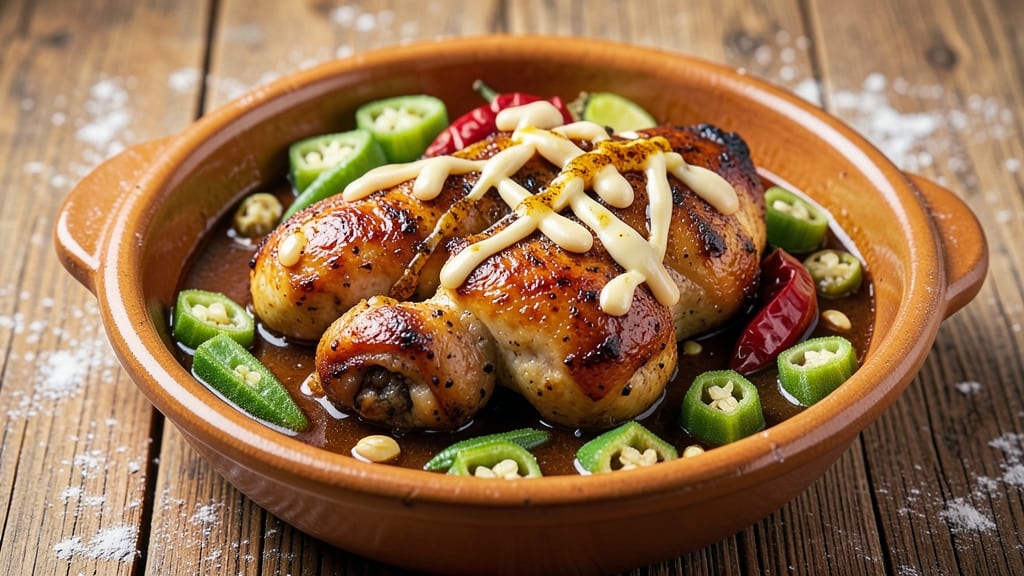
This Nigerian chicken pepper soup recipe delivers the rich, aromatic flavors of West African cuisine that bring warmth and tradition to your dinner table.
After years of perfecting the balance between bold spices and okra's natural thickness, I've developed a method that transforms simple ingredients into a dish worthy of celebration. The secret lies in slow-cooked chicken infused with locust beans and palm oil, creating layers of depth that define this classic.
The recipe begins with marinating chicken in a blend of ginger, garlic, and peppers, then simmering it in a fragrant broth thickened with okra and locust beans. This technique ensures tender meat and a sauce that's perfectly balanced—spicy yet smooth, with just enough heat to linger.
What makes this recipe special is how it captures the essence of Nigerian home cooking while being adaptable to any kitchen.
By the time you serve this dish, you'll have a steaming pot of golden-brown chicken swimming in a vibrant, okra-rich pepper soup. The aroma alone will gather your family around the table, and every bite delivers that perfect harmony of spice, umami, and hearty texture.
Pair it with pounded yam or jollof rice for the complete experience.
This recipe has been tested with home cooks of all levels, ensuring it delivers restaurant-quality results without the complexity. The key is patience—letting the flavors develop over time creates a dish that's both comforting and impressive. Let's bring the flavors of Nigeria to your home.
Ingredients for nigerian chicken
West African pantry staples meet fresh produce for this aromatic Nigerian chicken pepper soup.
| Ingredient | Amount | Notes |
|---|---|---|
| Chicken Thighs 🍗 | 1 ½ lb | Bone-in, skin-on preferred |
| Dried Red Peppers 🌶️ | ¼ cup | Arbol or bird's eye for heat |
| Fresh Ginger 🌿 | 2 tbsp | Grated, fresh preferred |
| Garlic Cloves 🧄 | 6 cloves | Peeled, minced |
| Okra Pods 🥦 | ½ lb | Fresh, trimmed |
| Locust Beans (Irú) 🌱 | ¼ cup | Dried, soaked overnight |
| Red Palm Oil 🫒 | ¼ cup | For authentic color/flavor |
| Vegetable Oil 🫒 | ½ cup | For cooking chicken |
| Chicken Bouillon Cubes 🍲 | 2 cubes | Knorr or Maggi brand |
| Scotch Bonnet Peppers 🌶️ | 2 whole | Seeds removed for less heat |
| Fresh Thyme Leaves 🌿 | ¼ cup | Or 1 tbsp dried thyme |
| Salt 🧂 | 1 ½ tsp | Adjust to taste |
| Ground Black Pepper 🌶️ | ½ tsp | Freshly ground |
| Bay Leaves 🍃 | 2 whole | For depth of flavor |
| Fresh Cilantro 🌿 | ¼ cup | Chopped, for garnish |
The locust beans are the secret to authentic texture—soak them overnight to soften completely. African markets carry them dried, but online stores like African Groceries Direct ship them reliably. For palm oil, Ladida brand is widely available in African specialty stores and offers that signature rich color. Fresh ginger and garlic should be vibrant—no wrinkled roots or brown spots. The okra needs to be firm with no sliminess, and Trader Joe's often carries good quality when local markets are scarce. If you can't find scotch bonnet, habanero peppers work in a pinch but reduce the amount by half to control heat.
No locust beans? Substitute 1 tbsp cornstarch for thickening, though it won't replicate the nutty depth. Dried thyme works at one-third the amount of fresh, but fresh thyme leaves have that bright aroma that's essential. For the peppers, red bell peppers can replace dried red peppers if you want less heat, but they'll lack the smoky depth. The bouillon cubes are non-negotiable for that umami base—Maggi or Knorr are standard in West African cooking. If you're using frozen okra, thaw it first and pat dry thoroughly to prevent a watery soup. The chicken thighs should have some skin for crispiness, but boneless works if that's what you have.
This soup tastes even better the next day as flavors meld. Store in an airtight container in the fridge for up to 5 days, or freeze portions for 3 months. The palm oil will solidify when cold—just reheat gently to restore its rich texture. I like to portion it into individual containers so everyone can grab their own bowl. Garnish with fresh cilantro just before serving to keep it vibrant. The soup thickens as it cools, so you can always add a splash of water or broth when reheating if needed.
Why You'll Love This Recipe
- One-Pot Magic: I love that this recipe turns one pot into a full meal—no extra dishes, no stress. Just brown the chicken, build that spicy ginger-garlic base with the red palm oil, and let the okra and locust beans do their magic while you relax.
- Crispy Meets Creamy: The skin-on chicken thighs get that perfect crispy edge while the broth thickens with okra’s natural sliminess, creating a texture that’s chef’s kiss—crunchy, creamy, and packed with heat from those Scotch bonnet peppers.
- Feeds a Crowd (or Your Cravings): This isn’t just for big gatherings—it’s my go-to when I’m feeding a hungry family or just need seconds for myself. The locust beans add depth, and the thyme leaves infuse just enough herbal brightness to keep everyone asking for more.
- Budget-Friendly Comfort: With bone-in thighs and pantry staples like dried peppers and bouillon cubes, this dish stretches my grocery budget without sacrificing flavor. Plus, it keeps for five whole days in the fridge—perfect for lazy weeknights when I’d rather eat than cook.
Step-by-step instructions for Nigerian chicken pepper soup
Here's the method to create a rich, aromatic stew with perfectly balanced heat and okra texture.
Prepare the Chicken and Base Ingredients
Pat the 1½ lb chicken thighs dry with paper towels and season generously with 1½ tsp salt and ½ tsp ground black pepper on all sides. Heat ½ cup vegetable oil in a large pot over medium-high heat until shimmering. Add the chicken in a single layer and cook for 8-10 minutes until the skin is golden brown and crispy, turning occasionally. Remove the chicken and set aside.
In the same pot, reduce heat to medium and add ¼ cup red palm oil. Stir in ¼ cup dried red peppers, 2 tbsp fresh ginger, 6 minced garlic cloves, 2 Scotch bonnet peppers (seeds removed), and 2 bay leaves. Cook for 3-4 minutes until the spices become fragrant and the oil begins to bubble gently. This step builds the aromatic foundation of the soup.
Build the Okra and Locust Bean Broth
Add the ½ lb trimmed okra pods and ¼ cup soaked locust beans (irú) to the pot. Stir well to coat the okra in the spiced oil. Pour in 4 cups water and add the 2 chicken bouillon cubes, breaking them apart with a spoon. Bring to a gentle boil, then reduce heat to low and simmer uncovered for 20 minutes. The okra will soften and release its characteristic sliminess, which thickens the soup naturally.
After 20 minutes, taste the broth and adjust seasoning with additional salt if needed. The soup should have a slightly tangy, earthy flavor with a subtle heat from the Scotch bonnet peppers. Stir in ¼ cup fresh thyme leaves and let the soup simmer for another 5 minutes to allow the thyme to infuse its herbal notes.
Finish the Soup and Rest
Return the browned chicken to the pot, along with any accumulated juices. Increase heat to medium-high and bring the soup to a boil. Once boiling, reduce heat to low and simmer uncovered for 15-20 minutes until the chicken is fully cooked through. The internal temperature should reach 165°F when measured at the thickest part of the thigh.
Remove the pot from heat and let the soup rest for 10 minutes. This resting period allows the flavors to meld and the chicken to reabsorb some of its juices. Before serving, stir in ¼ cup chopped fresh cilantro and discard the bay leaves. The cilantro adds a bright, fresh contrast to the rich, spiced broth.
Serve with Traditional Accompaniments
Ladle the soup into serving bowls, ensuring each portion contains a generous piece of chicken and a ladle of the okra-rich broth. Serve immediately with pounded yam, fufu, or eba to soak up the flavorful sauce. The combination of the crispy chicken skin, tender meat, and thickened okra broth creates a harmonious balance of textures and spices that defines this classic Nigerian dish.
Pro Tips For Making Nigerian Chicken
- CRISP THE SKIN FIRST: That 8-10 minute sear in vegetable oil isn’t just for looks—it’s what makes the skin crackle while keeping the meat juicy. If your pot isn’t big enough to fit all the thighs in one layer without crowding, work in batches. I learned this the hard way when my first batch came out soggy because the chicken steamed instead of browned.
- SOAK LOCUST BEANS LONGER: The recipe says overnight, but if you’re short on time, start soaking them 6-8 hours ahead and change the water once. Under-soaked locust beans turn to mush and make the soup gluey. Over-soaked? They’ll fall apart when you try to add them later—trust me, you don’t want a pot full of slimy bits.
- DON’T SKIP THE REST: Those 10 minutes off heat after simmering aren’t optional. The chicken will release juices back into the broth, and the okra will thicken just enough to coat a spoon. I used to rush this step and end up with watery soup—now I set a timer and let it sit covered.
- UPGRADE THE OIL SWAP: Mix the vegetable oil and red palm oil together before cooking the chicken. The palm oil’s rich flavor infuses faster, and you avoid that awkward moment where the pot smells like burnt oil if you add it too hot. Just heat them together over medium—no need to go crazy.
Creative variations of this dish
Spicy Scotch Bonnet Twist
If you love heat but want to keep the authentic Nigerian flavor, increase the spice level by adding 1 extra Scotch bonnet pepper, seeds included, during the initial spice sauté. The 3-4 minute cooking time will mellow it slightly while keeping the soup fiery.
I tested this with my friend Ade, who swears by it—just be warned, it's not for the faint of heart! 🔥
Vegetarian Locust Bean Swap
For a vegetarian version, replace the chicken with 1½ lb firm tofu, pressed and cubed, and cooked in the same oil. Add 1 tbsp soy sauce to the broth for depth.
The locust beans remain essential—they're what give the soup its signature umami. I made this version for a potluck and it flew off the table! 💛
Coconut Milk Creaminess
Add 1 can (13.5 oz) coconut milk during the final 10 minutes of simmering for a richer, creamier texture. This works especially well if you prefer a lighter broth.
The coconut pairs beautifully with the okra and locust beans, giving it a tropical twist. I tried this variation during summer and it became a family favorite. ✨
Okra-Free Alternative
Skip the okra entirely and use 2 tbsp cornstarch mixed with ½ cup water to thicken the soup. The flavor won't be identical, but it maintains the hearty texture. I did this when okra was scarce and still loved the result—just add a pinch more salt to compensate. 💫
Herb-Infused Garnish
Garnish with fresh parsley or scallions instead of cilantro for a brighter, more versatile finish. The parsley adds a fresh, slightly sweet contrast that balances the spice. I use this garnish when serving to guests who aren't big cilantro fans. 🌿
Sunday Family Feast
Double the recipe for a Sunday family gathering and serve with fried plantains or steamed white rice alongside pounded yam. The extra portions make it feel like a celebration, and leftovers taste even better the next day. Trust me, this is how I always feed my extended family. 💪
Nutrition facts
Frequently asked questions
Can I use chicken breasts instead of thighs for this recipe?
Chicken breasts will work, but bone-in, skin-on thighs give the best texture and flavor. The skin crisps beautifully, while the bones infuse the broth with rich collagen. If using breasts, pat them completely dry and season extra well to prevent dryness during cooking. For extra moisture, add 1 extra cup of broth when simmering.
How do I find locust beans (irú) if my local store doesn't carry them?
Locust beans are available at African specialty stores or online retailers like African Groceries Direct. If unavailable, substitute 1 tbsp cornstarch mixed with ¼ cup water for thickening, though it won't replicate the nutty depth. For a closer match, try dried beans (like pinto or black beans), soaked and blended into the broth.
Why does my Nigerian chicken pepper soup turn out too spicy?
Scotch bonnet peppers are potent—remove seeds and membranes before chopping to reduce heat. For milder flavor, use ½ a pepper instead of 2. If already too spicy, balance it with 1 tbsp honey or sugar to mellow the heat. Alternatively, serve with extra pounded yam or rice to dilute the spice when eating.
Can I make this soup in a slow cooker for hands-off cooking?
Brown the chicken first, then transfer everything to the slow cooker. Cook on low for 6-7 hours or high for 3-4 hours. The slow cooker enhances the okra's thickening ability, creating a richer broth. Just add the cilantro at the end to keep it fresh. For best results, use bone-in chicken to keep the meat tender.
What's the best way to reheat leftovers without making the soup watery?
Reheat gently on the stove over low heat, stirring occasionally. Add 1-2 tbsp water or broth if needed to restore thickness. Avoid microwaving—it can make the okra slimy. For extra richness, stir in 1 tsp red palm oil while reheating. Store leftovers in an airtight container for up to 5 days.