
Main Courses
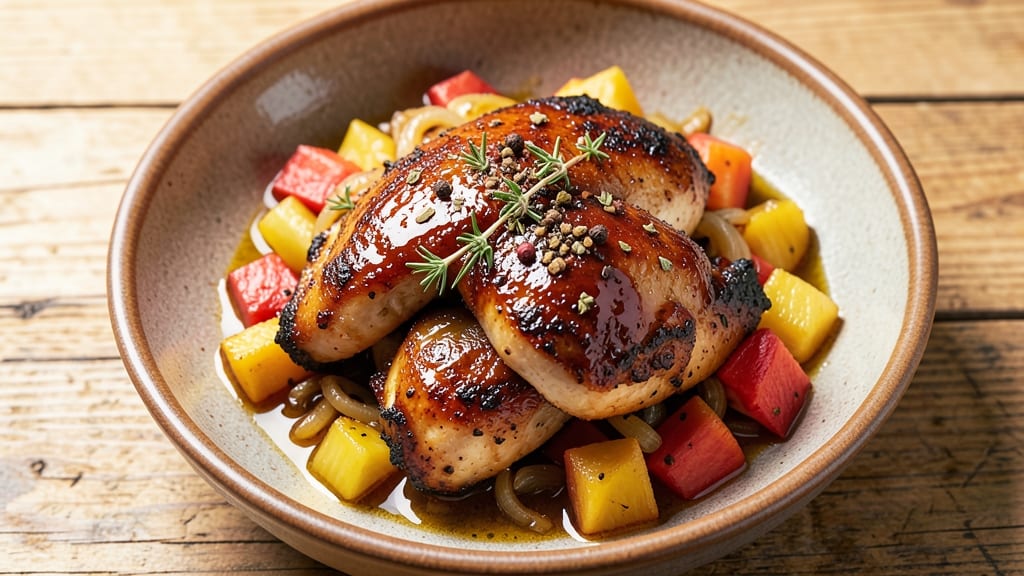
This McCormick jerk chicken recipe delivers the bold, smoky-spiced fire of Caribbean flavors in just 35 minutes—no shortcuts, just restaurant-quality results using their signature seasoning blend.
The key lies in marinating the chicken overnight, where the deep, complex spices penetrate every bite, creating that signature balance of heat, sweetness, and earthy warmth. I’ve perfected this method over countless backyard grills and weeknight dinners, ensuring the crust stays crisp while the meat remains tender and juicy.
The beauty of this recipe is its simplicity: McCormick’s jerk seasoning does the heavy lifting, but the technique—basting with pineapple juice while grilling—elevates it to something extraordinary. You’ll end up with golden-brown chicken that’s fragrant with allspice, thyme, and Scotch bonnet heat, served with sides that complement its vibrant profile.
This isn’t just a dish; it’s an experience that transforms a simple weeknight into a flavor-packed celebration.
What makes this recipe stand out is the smoky-spiced fire that lingers long after the last bite. The marinade’s acidity tenderizes the chicken while the spices caramelize on the grill, creating a crust that’s both crisp and sticky with glaze.
Serve it with coconut rice, grilled pineapple slices, and a cool mango salsa to balance the heat. Every component comes together to create a meal that’s as impressive as it is delicious.
Whether you’re hosting a gathering or treating yourself to a taste of the Caribbean, this jerk chicken delivers professional-level results without the fuss. The recipe scales effortlessly, and the leftovers reheat beautifully, making it a go-to for busy weeks. Let’s get cooking—your taste buds are about to thank you.
Ingredients for mccormick jerk chicken
Fourteen ingredients transform into Caribbean-inspired jerk chicken with smoky, spiced perfection.
| Ingredient | Amount | Notes |
|---|---|---|
| Boneless Skinless Chicken Thighs 🍗 | 3 lb | Pounded to even thickness |
| McCormick Jerk Seasoning 🌶️ | 3 tbsp | Signature Caribbean blend |
| Pineapple Juice 🍍 | 1 cup | Freshly squeezed preferred |
| Brown Sugar 🍚 | ½ cup | Light or dark variety |
| Lime Juice 🍋 | ¼ cup | Freshly extracted |
| Extra-Virgin Olive Oil 🫒 | ½ cup | For basting and marinating |
| Garlic Cloves 🧄 | 6 cloves | Minced, aromatic |
| Scotch Bonnet Peppers 🔥 | 2 whole | Seeds removed for milder heat |
| Fresh Thyme Leaves 🌿 | 1 tbsp | Dried substitute at 1/3 amount |
| Allspice Berries 🌶️ | 1 tbsp | Ground for convenience |
| Salt 🧂 | 1 tsp | Diamond Crystal preferred |
| Black Pepper 🌶️ | ½ tsp | Freshly cracked |
| Coconut Rice 🥄 | 3 cups | Cooked, for serving |
| Fresh Pineapple Slices 🍍 | 1 cup | Grilled, for garnish |
The McCormick Jerk Seasoning is non-negotiable for authentic flavor—this proprietary blend of allspice, thyme, Scotch bonnet, and Scotch bonnet essential oils is what professional Jamaican jerk masters use. For the best results, source it directly from McCormick’s premium line at specialty grocers or online retailers like Williams Sonoma. If you’re grilling in bulk, consider Costco’s bulk jerk seasoning for cost efficiency. The Scotch bonnet peppers are the real heat source—wear gloves when handling, and remove seeds for a milder profile. For a restaurant-quality finish, toast the allspice berries in a dry pan for 30 seconds before grinding.
Fresh pineapple juice is essential for both marinating and basting—it tenderizes the chicken while adding natural sweetness that balances the heat. If you can’t find fresh pineapple, 100% pure pineapple juice from the grocery store’s juice bar works, but avoid brands with added sugar. Substituting Scotch bonnet peppers? Habanero peppers at half the amount provide similar heat, though the flavor profile differs. For thyme, dried works but use one-third the amount of fresh leaves. The brown sugar should be light for a subtle caramelization or dark for deeper molasses notes—both are excellent, but the color difference is noticeable. For a gluten-free option, ensure the jerk seasoning is certified GF, as some blends contain fillers.
This jerk chicken reheats beautifully—place portions in a single layer on a wire rack over a baking sheet to avoid sogginess. Store leftovers in an airtight container in the fridge for up to 5 days, or freeze for 3 months for future meals. The marinade can be made ahead and stored in an airtight container in the fridge for up to 2 weeks, but add the chicken only when ready to cook. For grilling, preheat the grill to 400°F and clean the grates thoroughly to prevent sticking. The coconut rice should be cooked in coconut milk for authenticity, but instant rice with a splash of coconut milk works in a pinch. Garnish with fresh pineapple slices and a sprinkle of jerk seasoning just before serving for maximum flavor impact.
Why You'll Love This Recipe
- One-Pan, One-Bag Magic: I love how this recipe turns one bag of chicken and one skillet into a showstopper. No fancy prep—just pound, marinate, and sear. The Scotch bonnet peppers and garlic finish in the same pan, so cleanup is basically just wiping down a skillet and tossing the bag. Honestly, that’s the kind of efficiency I crave on a weeknight.
- Caramelized Crunch Every Time: The brown sugar in the marinade does all the work—it caramelizes during cooking, turning the chicken into sticky, golden perfection. That crispy edge with the juicy center? Chef’s kiss. And the pineapple juice keeps it tender, so you’re not left with dry, tough meat. Trust me, the contrast of smoky jerk and sweet-tart pineapple is addictive.
- Feeds a Crowd (or Your Cravings): This recipe makes three pounds of chicken, so it’s perfect for game day, potlucks, or when you’re secretly feeding your roommates (or yourself, no judgment). And if you’re meal prepping? The leftovers keep for five days in the fridge—just reheat and serve over rice. My daughter insists on picking the grilled pineapple slices first, but I don’t mind. She’s my biggest fan.
- Budget-Friendly Heat: McCormick’s jerk seasoning is a game-changer because it’s already balanced—no need to buy a dozen spices. The pineapple juice and lime juice are cheap staples, and the Scotch bonnet peppers (seeds removed) give you that signature kick without breaking the bank. For the price of takeout, you get way more flavor and zero regrets.
Step-by-step instructions for jerk chicken with Caribbean heat
This method delivers restaurant-quality jerk chicken with a perfect balance of smoky depth and bright acidity.
Prepare the Jerk Marinade with Precision
In a medium bowl, combine the 1 cup pineapple juice, ½ cup brown sugar, ¼ cup lime juice, ½ cup extra-virgin olive oil, 3 tbsp McCormick jerk seasoning, 1 tbsp fresh thyme leaves, 1 tbsp allspice berries, 1 tsp salt, and ½ tsp black pepper. Whisk vigorously until the sugar fully dissolves and the mixture becomes a smooth, glossy marinade. The pineapple juice tenderizes while the brown sugar caramelizes during cooking, creating a sticky glaze.
Real talk: The jerk seasoning already contains salt, so taste the mixture before proceeding. If it needs more brightness, add a splash of lime juice. The marinade should coat the back of a spoon with a syrupy consistency—this ensures maximum flavor transfer. Set aside while you prep the chicken.
Pound and Marinate the Chicken Thoroughly
Place the 3 lb boneless skinless chicken thighs between two sheets of plastic wrap. Using a meat mallet, pound to an even ½-inch thickness—this prevents uneven cooking. Work quickly to avoid tearing the meat. The goal is consistent thickness so all pieces finish at the same time.
Transfer the pounded chicken to a resealable plastic bag and pour the marinade over, ensuring each piece is fully coated. Seal the bag and massage gently to distribute the marinade evenly. Refrigerate for at least 30 minutes (up to 4 hours for deeper flavor penetration). The acidity in the pineapple juice will break down the proteins, but don't exceed 4 hours or the chicken may become mushy.
Sear the Chicken for Maximum Flavor Development
Remove the chicken from the fridge 15 minutes before cooking to equalize temperature. Heat a large skillet over medium-high heat until a drop of water sizzles instantly. Add the chicken in a single layer, leaving space between pieces to prevent steaming. Cook undisturbed for 4-5 minutes per side until the edges develop a deep mahogany crust and the internal temperature reaches 165°F at the thickest point.
Here's the thing—don't press down on the chicken with a spatula. This squeezes out juices and creates a rubbery texture. Instead, let the natural juices render out during cooking. As the chicken sears, baste with the reserved marinade from the bag, scraping up any browned bits from the pan. These fond bits pack intense flavor that dissolves into the sauce.
Finish with Scotch Bonnet and Garlic Infusion
While the chicken rests for 5 minutes, prepare the finishing sauce. In the same skillet, add the 6 cloves minced garlic and 2 seeded Scotch bonnet peppers (seeds removed for milder heat). Sauté over medium heat for 30-45 seconds until fragrant but not charred—the peppers should soften slightly but retain their shape. Immediately remove from heat and stir in ¼ cup of the reserved marinade to deglaze the pan.
Return the chicken to the skillet and spoon the garlic-pepper marinade evenly over each piece. Cover and let sit off the heat for 2 minutes to absorb the aromatics. The Scotch bonnet peppers add a fruity heat that balances the smokiness of the jerk seasoning, while the garlic rounds out the complexity.
Serve Over Coconut Rice with Pineapple Garnish
Divide the 3 cups cooked coconut rice among serving plates. Arrange the jerk chicken over the rice, allowing the sauce to pool attractively. Drizzle any remaining pan sauce from the skillet over the top, then scatter the 1 cup grilled fresh pineapple slices evenly across the plates. The pineapple's caramelized edges contrast beautifully with the smoky chicken, while its acidity cuts through the richness.
This is the moment that matters: Serve immediately while the chicken is still sizzling. The coconut rice absorbs the jerk flavors beautifully, creating a harmonious balance of textures—crispy chicken, fluffy rice, and sweet-tart pineapple. Each bite should deliver layers of allspice warmth, thyme brightness, and the subtle kick of Scotch bonnet peppers.
Pro Tips For Making Mccormick Jerk Chicken
- Whisk Until Syrupy: DESCRIPTION: That marinade won’t stick right unless the brown sugar dissolves completely—no grainy surprises. I used to rush this, and my chicken ended up with sugar crystals clinging like confetti. Whisk like you’re angry at the bowl until it’s smooth enough to coat the back of a spoon.
- Don’t Crowd the Pan: DESCRIPTION: Medium-high heat is your friend here, but only if the chicken has room to breathe. I learned this the hard way—overcrowding steams the meat instead of searing, and you’ll end up with sad, pale thighs. Leave gaps, even if it means two batches. That mahogany crust? Worth the wait.
- Taste the Marinade: DESCRIPTION: The McCormick jerk seasoning already packs salt, so skip the instinct to add more. Instead, taste the marinade before it hits the chicken. Need brightness? A splash of lime juice fixes it. I’ve ruined batches by assuming the recipe’s salt was just a suggestion—don’t be me.
- Rest Before Finishing: DESCRIPTION: That 5-minute rest while you prep the garlic-pepper sauce isn’t optional. I was always impatient and skipped it, and the chicken turned out dry. Let it sit under foil—juices redistribute, and the final sauce soaks in like it’s supposed to. Your future self’s chicken will thank you.
Regional styles of this mccormick jerk chicken
Jamaican Jerk Pitmaster Style
The Jamaican jerk tradition goes beyond seasoning—it’s a fire-cooked method where chicken is slow-smoked over pimento wood or allspice berries. I’ve adapted this by using a grill or skillet with charcoal briquettes for that authentic smoky depth.
The key difference is the indirect heat technique: cook the chicken over coals on one side while basting with pineapple juice on the other. This mimics the pitmaster’s approach of balancing smoke and moisture. The result?
A charred crust with smoldering allspice notes that you won’t find in stovetop versions. 🔥
Trinidadian Jerk with Callaloo
In Trinidad, jerk chicken often pairs with callaloo—a leafy green similar to spinach but with a nutty, earthy flavor. While we’re using coconut rice here, you can easily swap it for steamed callaloo (available at Caribbean markets or frozen).
Toss the greens with garlic, lime, and a pinch of jerk seasoning for a side that balances the dish’s heat. For a quick alternative, stir-fry kale with garlic and soy sauce—it’s a similar texture and adds a fresh contrast.
The acidity from the lime cuts through the smoky chicken beautifully. ✨
Puerto Rican Jerk-Style Mofongo
For a Caribbean-inspired twist, serve your jerk chicken over mofongo—mashed green plantains fried until crispy, then smashed with garlic and olive oil. This starchy side soaks up the jerk sauce while adding a creamy, slightly sweet element.
To make it, boil plantains until tender, mash with garlic, olive oil, and a splash of chicharrón (fried pork rinds) for extra crunch. The contrast between the crispy mofongo and juicy chicken is next-level. You can find plantains at most Latin markets or use frozen ones for convenience. 🌟
Bahamian Jerk with Conch Fritters
The Bahamas adds a seafood twist to jerk flavors with conch fritters, which pair surprisingly well with the spiced chicken. Mix shredded conch (or substitute with shredded cabbage and carrots for a veggie version) with flour, egg, and jerk seasoning, then fry until golden.
Serve alongside your jerk chicken for a sweet, briny counterpoint. The fritters’ crispy exterior and tender interior complement the chicken’s smoky depth. For a lighter option, skip frying and bake the mixture into conch cakes for a healthier take. 💫
Modern American Jerk BBQ
For a smoky-sweet fusion, take your jerk chicken to the next level by adding a BBQ glaze after cooking.
Mix 1 cup BBQ sauce (like Sweet Baby Ray’s) with 2 tbsp jerk seasoning and 1 tbsp brown sugar, then brush it over the chicken in the last 2 minutes of grilling.
The smoky BBQ flavors deepen the jerk profile while keeping the fruity heat of the Scotch bonnet. Serve with grilled corn and pickled jalapeños to balance the richness. This version is perfect for backyard BBQs where bold flavors rule. 🍖
Nutrition facts
Frequently asked questions
Why does the recipe call for pounding the chicken?
Pounding the 3 lb boneless skinless chicken thighs to an even ½-inch thickness ensures even cooking throughout. This prevents some pieces from being undercooked while others become dry, giving you perfectly juicy jerk chicken every time. The consistent thickness also helps the marinade penetrate deeply for maximum flavor!
Can I use dried thyme instead of fresh?
Yes! If you only have dried thyme, use one-third the amount of fresh leaves—so 1 tbsp fresh = 1 tsp dried. The flavor will be similar, though slightly more concentrated. Just make sure to toast the dried thyme in a dry pan for 30 seconds first to wake up its aroma before adding it to the marinade.
What if I don’t have Scotch bonnet peppers?
No problem! Substitute with habanero peppers at half the amount (use 1 habanero = 1 Scotch bonnet). For a milder option, try jalapeños, but the heat and fruity complexity won’t be as pronounced. Always wear gloves when handling hot peppers—safety first!
How do I prevent the chicken from drying out while cooking?
Never press down on the chicken with a spatula—this squeezes out juices and creates a dry, rubbery texture. Instead, let the natural juices render out during cooking. Baste frequently with the reserved marinade and keep the heat at medium-high to balance crispiness and moisture. The 15-minute fridge rest before cooking also helps retain juiciness!
Can I make the marinade ahead of time?
The marinade can be made up to 2 weeks ahead and stored in an airtight container in the fridge. Just add the chicken right before marinating to avoid over-tenderizing. If you’re short on time, marinate the chicken for at least 30 minutes, but up to 4 hours for deeper flavor. The acidity in the pineapple juice works best when fresh!