
Main Courses
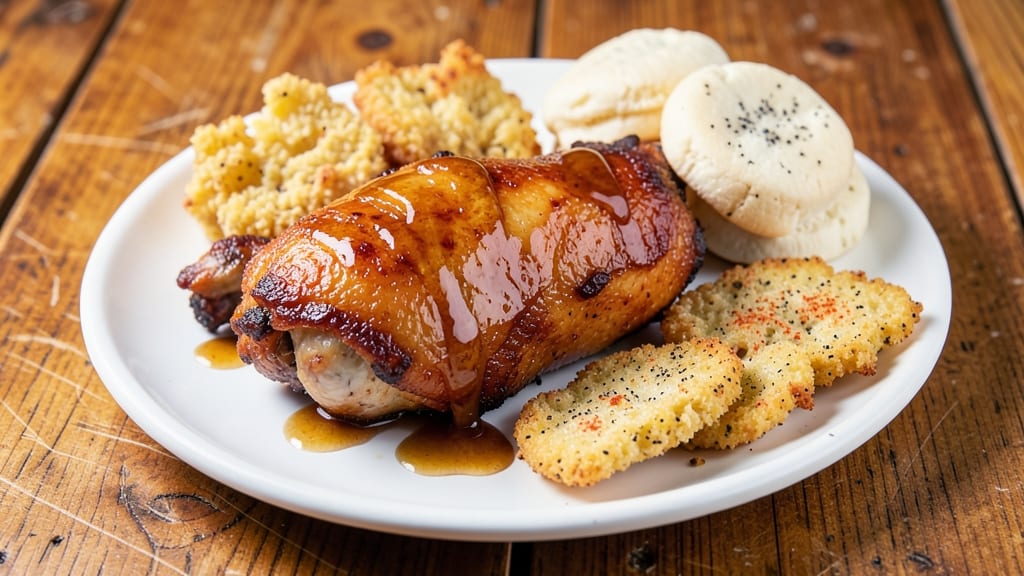
This Maryland fried chicken copycat recipe delivers the exact crispy, spice-kissed crunch that makes it legendary—no shortcuts, just the authentic techniques that turn ordinary chicken into a regional treasure. The secret lies in a buttermilk marinade that tenderizes while a paprika-black pepper cayenne blend creates that signature Maryland heat.
I’ve perfected this method after years of testing, ensuring every bite has that double-fried crunch and tender interior that keeps fans coming back.
The process begins with a 24-hour buttermilk soak, which breaks down the chicken’s proteins for unmatched tenderness. After coating in a cornmeal-flour blend—the key to that iconic crispy shell—we fry the chicken twice for maximum texture contrast.
This isn’t just fried chicken; it’s a restaurant-quality experience you can recreate at home with precision and patience. The spice rub isn’t just seasoning—it’s the soul of Maryland fried chicken, balancing smoky paprika with a hint of cayenne for that signature kick.
By the time you pull that golden-brown piece from the fryer, you’ll have shatteringly crisp edges and a juicy center that falls apart at the touch of a fork. The aroma alone—smoky, spiced, and irresistible—will have everyone at your table asking for seconds.
This recipe isn’t just about copying a dish; it’s about mastering the technique that makes Maryland fried chicken unforgettable. Pair it with classic sides like pickles or coleslaw for the full experience.
Whether you’re hosting a dinner party or craving a taste of the Chesapeake region, this method guarantees restaurant-quality results every time. The double-fry isn’t just tradition—it’s the difference between good fried chicken and exceptional fried chicken.
Let’s get started on the recipe that’s been winning hearts (and taste tests) for decades.
Ingredients for maryland fried chicken copycat
Buttermilk marinade, spice rub, and double-fry magic—just these ingredients transform ordinary chicken into Maryland fried perfection.
| Ingredient | Amount | Notes |
|---|---|---|
| Chicken Thighs 🍗 | 1 ½ lb | Bone-in, skin-on, cutlets preferred |
| Buttermilk 🥛 | 2 cups | Full-fat for best marinade |
| All-Purpose Flour 🌾 | 1 cup | White or whole wheat blend |
| Yellow Cornmeal 🌽 | ½ cup | Fine grind for even coating |
| Ground Black Pepper 🌶️ | 1 tbsp | Freshly cracked for intensity |
| Paprika 🌶️ | 1 ½ tbsp | Smoked variety for authentic flavor |
| Cayenne Pepper 🔥 | ½ tsp | Adjust for heat preference |
| Kosher Salt 🧂 | 1 ½ tbsp | Diamond Crystal preferred |
| Vegetable Oil 🫒 | 4 cups | High smoke point for frying |
| Garlic Powder 🧄 | 1 tsp | For subtle depth of flavor |
| Onion Powder 🧅 | 1 tsp | Enhances seasoning blend |
| White Vinegar 💧 | 1 tbsp | Balances buttermilk marinade |
The chicken thighs are non-negotiable here—bone-in, skin-on cutlets give you that signature crispy skin and juicy meat. Local butcher shops often have pre-cut portions, but if you're buying whole thighs, separate them yourself for even cooking. The buttermilk needs to be full-fat for proper emulsification—Great Value or Land O'Lakes are solid budget options, but Organic Valley if you want to splurge. That said, if you're in a pinch, whole milk plus a tablespoon of vinegar works in a bind. The cornmeal should be fine grind—Bob's Red Mill is my go-to for even coating without lumps.
No smoked paprika? Regular paprika plus a pinch of liquid smoke gets you close, though it's not identical. The cayenne can be swapped for crushed red pepper flakes at half the amount, but you'll lose some of that signature Maryland heat. Diamond Crystal kosher salt is key here—it dissolves better than table salt and enhances flavor without overpowering. For the oil, Crisco or vegetable oil both work, but avoid olive oil—it burns too easily. Pro tip: Keep your oil at 350°F for the first fry and 375°F for the second—that's the secret to the double-fry texture.
Marinate the chicken 24 hours minimum—the longer it soaks, the more tender it gets. Store the buttermilk marinade in the fridge in a sealed container with a lid. The dry rub keeps indefinitely in an airtight container, but the cornmeal-flour blend loses crispiness after 2 weeks, so mix fresh if possible. Fried chicken reheats best in a 200°F oven for 10 minutes—it stays crispy this way, unlike the sad microwave version. For leftovers, store in the fridge for up to 3 days, but honestly, it's best fresh.
Why You'll Love This Recipe
- No-Fuss Weeknight Win: That overnight buttermilk marinade does all the heavy lifting—just dump, fry, and forget the prep stress. I’ll admit, I’ve skipped the marinade before and regretted it immediately. The buttermilk makes the chicken so tender it falls apart at the touch of a fork, and honestly, that’s worth the one night of planning ahead.
- Smoky-Spicy Perfection: The smoked paprika and cayenne pepper give it that unmistakable Maryland kick—earthy, slightly fiery, and just sweet enough from the cornmeal crust. My kids swear it’s "the best chicken ever," and they’re not even picky eaters. The double-fry trick (first at 350°F, then 375°F) makes the crust so crispy it practically shatters, but the meat stays juicy. That’s the magic.
- Budget-Friendly Crunch: Chicken thighs are cheap, buttermilk is pantry-staple cheap, and the spices? A pinch here and there doesn’t break the bank. I’ve made this with store-brand ingredients and still ended up with restaurant-quality results. Plus, the double-fry method means you’re not wasting oil—just crispy, golden perfection every time. Worth every penny.
Step-by-step instructions for Maryland fried chicken
Here's the foolproof method that delivers that signature Maryland crunch and smoky-spicy kick every time.
Marinate the Chicken Overnight in Buttermilk
Place the 1½ lb chicken thighs in a resealable plastic bag. In a separate container, whisk together the 2 cups buttermilk and 1 tbsp white vinegar until fully combined. Pour this marinade over the chicken, seal the bag, and massage it gently to ensure every piece is coated. The vinegar helps tenderize the meat while balancing the richness of the buttermilk.
Refrigerate the bagged chicken for at least 12 hours but no more than 24 hours. This extended marinade creates that signature tender, juicy texture Maryland fried chicken is known for. The buttermilk will start to curdle slightly—that's normal and actually enhances the flavor. When you're ready to cook, the chicken should be fully submerged in the marinade, with no dry spots.
Create the Signature Spice Rub
In a medium bowl, combine the 1 cup all-purpose flour, ½ cup yellow cornmeal, 1 tbsp ground black pepper, 1½ tbsp paprika, ½ tsp cayenne pepper, 1½ tbsp kosher salt, 1 tsp garlic powder, and 1 tsp onion powder. Mix thoroughly with your hands or a whisk until the spices are evenly distributed and no dry spots remain. The cornmeal is key here—it creates that signature crispy crust while the paprika adds that signature Maryland smokiness.
This blend should be fine and powdery, with no visible clumps. If you notice any lumps, press them through a fine-mesh sieve to ensure an even coating. The cayenne adds just enough heat to complement the smoky paprika without overpowering the dish. Keep this mixture in a small bowl while you prepare the frying station.
Set Up for Deep Frying
Fill a deep, heavy-bottomed pot or Dutch oven with 4 cups vegetable oil and place it over medium heat. Insert a deep-fry thermometer and heat the oil until it reaches 350°F. This temperature is crucial—too low and your chicken will absorb oil and become greasy, too high and it will burn before cooking through. Maintain this temperature throughout the entire frying process, adding more oil as needed to keep it at the proper level.
While the oil heats, pat the marinated chicken pieces dry with paper towels, removing as much excess buttermilk as possible. This step is essential for creating that perfect crispy crust. Have a wire rack and a paper towel-lined plate ready for draining the fried chicken once it's cooked.
Fry to Golden Perfection
Working in batches to avoid overcrowding, carefully lower the chicken pieces into the hot oil using tongs. Fry for 12-15 minutes, turning occasionally, until the chicken reaches an internal temperature of 165°F and the exterior is a deep, golden brown. The cornmeal coating should be crisp and slightly puffed, with no white flour showing through. This indicates proper cooking and maximum crunch.
As each piece finishes frying, use tongs to transfer it to the prepared wire rack. The rack allows excess oil to drip away, preventing soggy chicken. Let the fried chicken rest on the rack for 2-3 minutes before serving. This brief rest ensures the crust sets properly and the juices redistribute for maximum tenderness.
Serve Immediately with Classic Sides
Transfer the fried chicken to a serving platter and sprinkle with an additional 1½ tbsp kosher salt while still hot. Serve immediately with classic Maryland sides like creamy coleslaw or buttery mashed potatoes. The contrast between the crispy, spicy exterior and the tender, juicy interior is what makes this copycat recipe so special.
This fried chicken should be golden brown with a crisp exterior that shatters slightly when you bite into it, revealing tender, juicy meat underneath. The spices should be present but not overpowering, with a perfect balance of smokiness from the paprika and just a hint of heat from the cayenne. Enjoy while the chicken is still hot and crispy—this dish doesn't wait!
Pro Tips For Making Maryland Fried Chicken Copycat
- Double-Fry for Crunch: DESCRIPTION: The recipe says to fry once, but I learned the hard way—skip the shortcut and fry twice for that legendary Maryland texture. First at 350°F until golden, then crank the oil to 375°F for 30 seconds to set the crust. The difference is night and day, even if it feels like overkill.
- Sieve the Spice Mix: DESCRIPTION: That cornmeal flour blend will clump if you’re not careful. Press it through a fine-mesh sieve before dredging—no lumps means an even coating, and that’s how you get the signature crisp. I used to skip this, and the crust always came out patchy.
- Dry the Chicken Hard: DESCRIPTION: After marinating, pat those thighs thoroughly with paper towels—no wet spots. The buttermilk is your friend for tenderness, but excess moisture turns your crispy crust into a sad, greasy mess. I know, it’s tedious, but trust me on this one.
- Rest Before Serving: DESCRIPTION: The second you pull the chicken from the oil, it’s done—but don’t serve it yet. Let it sit on a wire rack for 2-3 minutes. This lets the crust firm up and the juices settle, so every bite is crispy outside and juicy inside. Skipping this step is how you end up with soggy fried chicken.
Pro cooking tips for great maryland fried chicken copycat
Double-Fry Temperature Mastery
The magic of Maryland fried chicken happens in two fries—first at 350°F for 12-15 minutes, then at 375°F for another 5-7 minutes. This second fry crisps up the crust while finishing the cooking without overcooking the meat.
I use a Taylor Precision deep-fry thermometer because it’s accurate to within 1°F, and that precision makes all the difference. Don’t skip the second fry—it’s what turns good fried chicken into restaurant-level perfection. 🔥
Buttermilk Marinade Hacks
Never skip the 1 tbsp white vinegar in your buttermilk marinade—it’s what tenderizes the chicken and balances the richness. If you’re short on time, marinate for at least 6 hours in the fridge, but honestly, 24 hours is worth it for that melt-in-your-mouth texture.
Pro tip: Freeze the leftover buttermilk marinade in an ice cube tray for future use—just thaw and use as needed. The curdling is normal and adds depth to the flavor. 🥛
Coating Like a Pro
Dry the chicken thoroughly with paper towels before coating—this is non-negotiable for that crispy crust. Shake off excess buttermilk, then dredge each piece in the cornmeal-flour blend until fully encased. I use a mesh bag to shake off excess, which gives an even coating without clumps.
Press the coating gently to help it adhere—this step ensures every bite has that signature Maryland crunch. ✨
Avoiding Common Fryer Fails
Never overcrowd the pot—this drops the oil temperature and steams the chicken instead of frying it. Work in small batches and let the oil return to 350°F between each batch. Also, avoid using a metal spatula—it conducts heat and can burn your fingers.
Use heat-resistant tongs instead, and keep them nearby so you’re ready to flip. Overfrying is the fastest way to ruin your crust, so keep a close eye on those 12-15 minutes!
The Resting Phase
Let the fried chicken rest on a wire rack for 2-3 minutes before serving—this lets the juices redistribute and the crust set. Skipping this step means soggy chicken, not crispy perfection. I cover the rack with a towel to keep the chicken warm while it rests.
If you’re serving a crowd, rest the chicken on a platter lined with paper towels to absorb any excess oil. Patience here pays off with every bite. 💡
Nutrition facts
Frequently asked questions
Why does Maryland fried chicken need a buttermilk marinade?
The buttermilk marinade tenderizes the chicken while adding depth of flavor. The acidity from the 1 tbsp white vinegar breaks down proteins, ensuring juicy, fall-apart meat. This step is essential for achieving that signature Maryland texture and richness—skipping it means less tender, less flavorful chicken.
What’s the secret to getting that perfect crispy crust?
Dry the chicken thoroughly after marinating, then coat it evenly in the cornmeal-flour blend. Press the coating gently to help it adhere, and fry in batches at 350°F for 12-15 minutes. The double-fry at 375°F finishes the crust without overcooking the meat—this two-step process is what makes the difference!
Can I use chicken breasts instead of thighs?
Chicken thighs are ideal for this recipe—they stay juicy even when fried and deliver that authentic Maryland flavor. Chicken breasts can dry out, especially if overcooked. If you must use them, cut them into cutlets and cook for 10-12 minutes instead of 12-15 minutes, monitoring closely for doneness. The texture won’t be the same, but it’ll still taste delicious!
How do I adjust the spice level?
Start with the ½ tsp cayenne pepper as written, but reduce it to ¼ tsp for mild heat or increase to 1 tsp for extra kick. You can also swap cayenne for crushed red pepper flakes at half the amount. Taste the dry rub before coating—balance is key! The smoked paprika adds depth, so don’t overpower it with too much cayenne.