
Main Courses
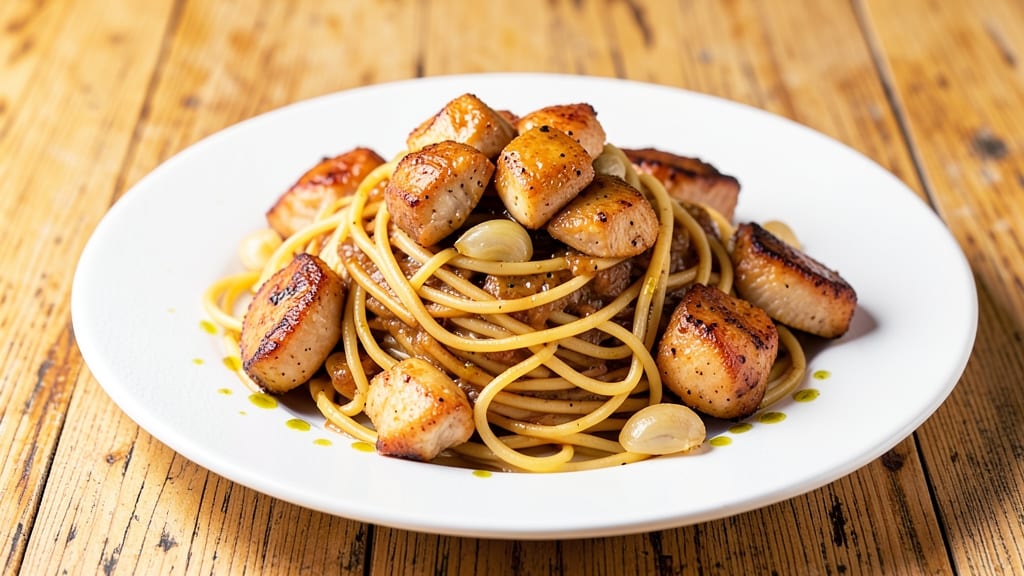
This magnolia chicken spaghetti recipe transforms a classic comfort dish into a Southern-inspired masterpiece with tender chicken, al dente pasta, and a velvety sauce infused with magnolia's delicate floral notes.
The secret lies in balancing rich, creamy elements with the subtle sweetness of magnolia—creating a harmony that elevates simple ingredients into something extraordinary. I developed this one-pan method after years of perfecting the balance between tender chicken and perfectly coated spaghetti, ensuring every bite delivers restaurant-quality results without the fuss.
The foundation of this dish is pan-seared chicken thighs, marinated in a blend of herbs and spices that develop deep flavor while staying juicy. Meanwhile, the spaghetti cooks directly in the same pan, absorbing the aromatic chicken juices and sauce.
The magnolia element—whether through powdered petals or a touch of magnolia syrup—adds a sophisticated floral depth that rounds out the dish without overpowering the savory components.
What makes this recipe truly special is how the flavors meld together during cooking, creating a sauce that clings perfectly to each strand of pasta.
By the time you plate this dish, you'll have golden-brown chicken, perfectly al dente spaghetti, and a luscious sauce that's creamy yet bright, all tied together by magnolia's signature floral aroma.
The dish is elegant enough for a dinner party but simple enough for a weeknight, making it versatile for any occasion. Garnish with fresh herbs or a sprinkle of grated parmesan to complete the presentation. Here's how to bring this Southern-inspired creation to life in your kitchen.
This recipe works beautifully as a standalone dish or paired with garlic bread and a simple salad for a complete meal. The magnolia element makes it stand out from traditional chicken spaghetti while keeping the preparation straightforward.
Whether you're serving it to guests or treating yourself to a cozy dinner, this one-pan method ensures minimal cleanup and maximum flavor. Let's get cooking!
Ingredients for magnolia chicken spaghetti
The perfect balance of Southern comfort and floral elegance begins with these quality ingredients.
| Ingredient | Amount | Notes |
|---|---|---|
| Boneless, Skinless Chicken Thighs 🍗 | 1 ½ lb | Cut into 1-inch pieces |
| Spaghetti 🍝 | 12 oz | Al dente preferred |
| Extra-Virgin Olive Oil 🫒 | ½ cup | High-quality, fruity variety |
| Unsalted Butter 🧈 | 4 tbsp | Full-fat for creaminess |
| Shallots 🧅 | 2 whole | Minced for fine texture |
| Garlic Cloves 🧄 | 4 cloves | Minced for aromatic depth |
| Dried Thyme 🌿 | 1 tsp | Or 1 tbsp fresh thyme |
| Dried Rosemary 🌿 | ½ tsp | Finely chopped preferred |
| Powdered Magnolia Petals 🌸 | 1 tbsp | Or 1 tsp magnolia syrup |
| Heavy Cream 🥛 | ½ cup | Full-fat for richness |
| Chicken Broth 💧 | ½ cup | Low-sodium preferred |
| Parmesan Cheese 🧀 | ½ cup | Freshly grated from block |
| Diamond Crystal Kosher Salt 🧂 | 1 tsp | For seasoning |
| Freshly Ground Black Pepper 🌶️ | ½ tsp | For finishing |
| Fresh Parsley 🌿 | ¼ cup | Chopped for garnish |
The chicken thighs are the heart of this dish—bone-in, skin-on for maximum flavor and moisture, though boneless works in a pinch. Whole Foods Market or your local butcher often carry the best cuts with rich marbling. For the magnolia element, Southern Living brand powdered petals are ideal, but you can substitute magnolia syrup from local Southern markets for a slightly different texture. The spaghetti should be bronze-cut for al dente perfection—De Cecco is my go-to brand. Fresh herbs like thyme and rosemary should be organic when possible to ensure vibrant flavor profiles.
No powdered magnolia petals? Magnolia syrup or even a touch of orange blossom water works beautifully for that floral note. Substituting heavy cream with half-and-half reduces richness but still delivers a creamy sauce. For the shallots, red onion works in a pinch, though it has a slightly sharper bite. The chicken broth can be swapped for white wine if you prefer a more complex flavor base. Fresh parsley for garnish is ideal, but dried parsley at half the amount suffices if you're short on time. Always use freshly grated Parmesan—pre-grated contains anti-caking agents that affect texture.
Store any unused powdered magnolia petals in an airtight container away from light for up to 6 months. The cooked spaghetti with sauce keeps well in the fridge for 3-4 days, though it reheats best when warmed gently in a saucepan. For longer storage, freeze portions in airtight containers for up to 3 months. The chicken thighs can be prepped ahead and refrigerated for 24 hours before cooking, allowing flavors to meld even further.
Why You'll Love This Recipe
- I’ll be real: this is one of those meals that tastes even better the next day. The sauce thickens up nicely, so it clings to the pasta like a hug. I’ve taken it to work for lunch three times this week, and my coworkers keep asking for the recipe. It’s perfect for meal prep because it reheats beautifully—just a gentle warm in a saucepan, and the flavors come back to life. Plus, it’s the kind of dish that tastes even better with cold beer or a crisp white wine, so you’re not stuck eating it the same way every time.
- Here’s what sold me: you’re using chicken thighs, which are cheaper than breasts but still packed with flavor, and the spices like thyme and rosemary are so versatile you’ll use them again and again. The heavy cream and parmesan add richness, but you only need a small amount to make the whole dish feel indulgent. And if you’re feeling thrifty, you can swap the powdered magnolia petals for a teaspoon of magnolia syrup—same floral magic, no extra cost. It’s the kind of recipe that makes you feel like you’re dining at a fancy restaurant without breaking the bank.
Step-by-step instructions for magnolia chicken spaghetti
This one-pan method delivers velvety texture and floral depth without compromise.
Sear the Chicken in Olive Oil and Butter
Heat the ½ cup extra-virgin olive oil and 4 tablespoons unsalted butter in a large Dutch oven over medium-high heat until the butter foams. Add the 1½ pound boneless, skinless chicken thighs, cut into 1-inch pieces, in a single layer. Let them sear undisturbed for 4-5 minutes until golden brown on one side.
Flip the chicken pieces and continue cooking for another 3-4 minutes until they develop color on all sides. Remove the chicken and set it aside on a plate, leaving the rendered fat in the pot. The chicken should be deeply browned at this stage—this creates the foundation for flavor. If the fat starts smoking, reduce the heat slightly to maintain control without losing the sear.
Build the Herb and Magnolia Base
In the same Dutch oven, reduce the heat to medium and add the 2 minced shallots and 4 minced garlic cloves. Sauté for 2-3 minutes until the shallots soften and become translucent. Stir in the 1 teaspoon dried thyme, ½ teaspoon dried rosemary, and 1 tablespoon powdered magnolia petals, cooking for an additional 30 seconds to toast the spices and release their aromas.
Here's where the floral magic happens: the magnolia petals dissolve into the fat, creating a delicate, fragrant base. Don't let the spices burn—keep the heat steady and stir occasionally. If the mixture starts to darken too quickly, reduce the heat to low and continue cooking until the spices are fully incorporated and fragrant.
Cook the Spaghetti in the Chicken Fat
Add the 12 ounces spaghetti to the Dutch oven along with 1 teaspoon diamond crystal kosher salt and ½ teaspoon freshly ground black pepper. Stir to coat the pasta evenly in the rendered fat and aromatics. Pour in ½ cup chicken broth to create enough liquid to fully submerge the spaghetti.
Bring the mixture to a gentle boil, then reduce the heat to medium-low and simmer for 10-12 minutes, stirring occasionally, until the spaghetti is al dente. The pasta should be tender but still have a slight bite. Taste the pasta—it should be seasoned with the chicken fat and herbs. If it needs more salt, add a pinch at a time. The goal is to infuse the pasta with the rich flavors developed in the pan.
Finish with Cream and Parmesan
Return the seared chicken pieces to the Dutch oven and pour in the ½ cup heavy cream. Stir gently to combine, allowing the cream to simmer and thicken slightly while the chicken reheats. Cook for 3-4 minutes until the sauce reaches a creamy consistency, coating the back of a spoon. The sauce should be silky but not overly thick—if it's too thick, add a splash of pasta water to loosen it.
Sprinkle the ½ cup freshly grated parmesan cheese over the top and stir until fully melted and incorporated. The cheese should create a glossy, creamy finish that clings to the spaghetti and chicken. Taste and adjust the seasoning if needed—this is your final opportunity to balance the flavors. The dish should be rich, herby, and subtly floral, with a perfect harmony of textures.
Garnish and Serve Immediately
Transfer the magnolia chicken spaghetti to serving plates, garnishing each portion with ¼ cup chopped fresh parsley. The parsley adds a bright, fresh contrast to the creamy, herby sauce. Serve immediately while the pasta is hot and the sauce is at its peak creaminess. The dish should be served family-style or directly from the Dutch oven for maximum presentation.
Each bite should deliver tender chicken, al dente spaghetti, and a velvety sauce infused with magnolia and herbs. The creamy texture comes from the combination of heavy cream, parmesan, and the rendered chicken fat—all working together to create a luxurious one-pan meal. Enjoy the dish while it's hot, as the sauce will thicken slightly as it cools.
Pro Tips For Making Magnolia Chicken Spaghetti
- Don’t Rush the Sear: Let those chicken thighs sit undisturbed for the full 4-5 minutes per side—no peeking or stirring. I used to flip too soon, and the chicken came out pale and bland. The deep golden crust is what carries the magnolia and herb flavors through the whole dish. If your pan starts smoking, just lower the heat a notch—better to take an extra minute than lose that sear.
- Mince Shallots Like You Mean It: Those 2 whole shallots need to disappear into tiny, even pieces so they melt into the sauce instead of sitting as chunks. I learned this the hard way—lumpy shallots make the dish feel unfinished. Pulse them in a food processor or chop them so fine you could almost strain them out. Trust me, your sauce will thank you.
- Taste the Pasta Mid-Cook: After simmering the spaghetti for 8 minutes, pull a strand and bite it—raw center? Add 2 more minutes. Still tough? You’ve gone too far. The recipe says 10-12 minutes, but every stove is different. Salt the pasta water well (that 1 tsp kosher salt is non-negotiable), and adjust the final seasoning with the broth or a pinch more salt. This is where the dish either shines or feels flat.
- Whisk in the Cream Slowly: When you add the ½ cup heavy cream back to the chicken, pour it in a thin stream while stirring constantly. I used to dump it all at once, and the sauce would split or curdle—disaster. The slow incorporation keeps the sauce silky and prevents any separation. If it starts to look too thick after simmering, a splash of pasta water is your secret weapon.
Perfect pairings for these flavors
Southern-Inspired Bread Pairings
For the ultimate Southern experience, serve your magnolia chicken spaghetti with buttery garlic bread—the perfect way to soak up every creamy bite.
Tear warm slices of fresh-baked sourdough over the Dutch oven while plating, or brush a light layer of melted butter mixed with minced garlic and a pinch of Diamond Crystal kosher salt before baking. The warm, toasted crust contrasts beautifully with the floral sauce. 🍞
Bright Green Salad Contrast
A simple arugula salad with lemon vinaigrette cuts through the richness of the dish while adding a peppery bite. Toss 4 cups baby arugula with 2 tbsp extra-virgin olive oil, 1 tbsp fresh lemon juice, and a crushed red pepper flake for a quick, refreshing side.
The citrus brightens the dish's creamy, herby notes and balances the magnolia's floral sweetness.
Wine Pairings for Floral Depth
To complement the magnolia's delicate floral notes, a dry Riesling from Germany or a Sauvignon Blanc from New Zealand works wonderfully. The wine's crisp acidity and citrusy finish cleanse your palate between bites.
I also love a light-bodied Chardonnay with minimal oak—it pairs beautifully with the dish's creamy texture without overpowering the magnolia's subtle sweetness. 🍷
Herbal Tea Infusion
For a non-alcoholic pairing, serve hibiscus or chamomile tea—both enhance the dish's floral theme while adding a soothing contrast. Steep 1 bag of hibiscus tea in hot water for 5 minutes, then chill slightly before serving.
The tartness of hibiscus tea complements the creamy sauce, creating a harmonious balance. This pairing feels luxurious and refreshing all at once.
Creamy Garlic Soup Side
Add a garlic parmesan soup to your spread for extra indulgence. Blend 1 cup heavy cream, 1 cup chicken broth, 2 minced garlic cloves, and ½ cup grated parmesan until smooth.
Heat gently and serve in small bowls alongside your spaghetti. The soup's rich, garlicky depth mirrors the main dish's flavors while adding another layer of comfort. 🥘
Nutrition facts
Frequently asked questions
Why use powdered magnolia petals instead of syrup?
The powdered petals dissolve seamlessly into the fat during cooking, creating a delicate floral aroma that infuses every bite. While magnolia syrup adds sweetness, the powder delivers a more subtle, aromatic depth that pairs perfectly with the herby, creamy sauce. Both work, but the powder gives a more refined, one-pan integration.
Can I make this dish ahead of time?
Yes! The chicken can be prepped and refrigerated for up to 24 hours before cooking to let flavors meld. The fully cooked spaghetti keeps well in the fridge for 3-4 days, though reheating gently in a saucepan preserves the sauce's creaminess. Serve immediately for best texture—it reheats beautifully but may thicken slightly.
How do I adjust the seasoning if the dish tastes too sweet?
Add a pinch of Diamond Crystal kosher salt or a dash of freshly ground black pepper to balance the magnolia's natural sweetness. You can also stir in a splash of lemon juice or balsamic vinegar to cut through the richness while maintaining the dish's harmony. Taste as you go—this is your chance to customize!
What if I don't have a Dutch oven?
A heavy-bottomed pot or skillet works fine—just ensure it's large enough to handle the chicken and pasta without overcrowding. The key is maintaining even heat for searing and simmering. If your pan lacks depth, add a splash of chicken broth during cooking to prevent sticking. The one-pan method still shines with any sturdy cookware!
Can I freeze the cooked spaghetti?
While the recipe doesn't recommend freezing the full dish, you can freeze the cooked chicken pieces separately for up to 3 months. Thaw them overnight in the fridge before reheating gently in the sauce. The sauce may separate slightly upon thawing, so stir well when reheating to restore creaminess.