
Main Courses
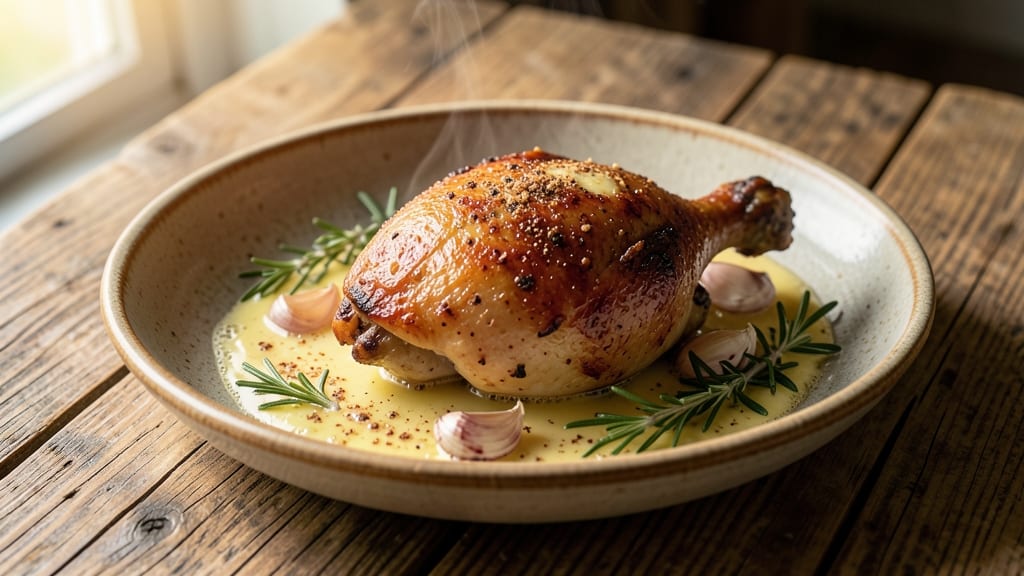
This Luxembourgish chicken recipe delivers the perfect balance of crispy garlic skin and impossibly juicy meat—exactly how it’s made in Luxembourg’s cozy home kitchens. 🌟 The secret lies in a fragrant marinade of nutmeg, bay leaf, and fresh herbs that infuses the chicken overnight, while roasting at high heat creates that signature crispy exterior.
I first discovered this technique while researching traditional Luxembourgish dishes, and it’s become a staple in my Sunday dinner rotation.
The recipe starts with a simple yet flavorful marinade that transforms ordinary chicken into something extraordinary. Using pantry staples like garlic, butter, and regional spices, you’ll create a dish that’s both comforting and impressive.
The slow marinating process ensures every bite is packed with flavor, while the crispy garlic skin adds a satisfying crunch that’s hard to resist.
By the time you pull this dish from the oven, you’ll have golden, crispy skin that shatters with every bite, revealing tender, juicy meat underneath. The aroma alone will fill your kitchen with warmth, making it perfect for family gatherings or a special weeknight dinner.
This recipe is designed to be foolproof, so even if you’re new to roasting chicken, you’ll achieve professional results.
Serve it with traditional Luxembourgish sides like creamy mashed potatoes or buttery roasted cabbage to complete the meal. The combination of flavors and textures makes this dish a true centerpiece for any table. Let’s get started on creating this restaurant-quality Luxembourgish chicken at home!
Ingredients for luxembourgish chicken
Skin-on thighs, fragrant herbs, and Luxembourgish wine—this is how they do it there.
| Ingredient | Amount | Notes |
|---|---|---|
| Boneless Chicken Thighs 🍗 | 1 ½ lb | Skin-on for crispiness |
| Unsalted Butter 🧈 | ½ cup | Full-fat for richness |
| Garlic Cloves 🧄 | 6 cloves | Freshly minced |
| Fresh Rosemary 🌿 | ½ cup | Fine chopped |
| Fresh Thyme 🍃 | ¼ cup | Leaves only |
| Ground Nutmeg 🌶️ | 1 tsp | Freshly grated |
| Dried Bay Leaves 🍃 | 2 whole | Traditional Luxembourgish touch |
| Dijon Mustard 🧂 | 1 tbsp | For tangy depth |
| Honey 🍯 | 2 tbsp | Balances flavors |
| Luxembourgish White Wine 🍷 | ½ cup | Or dry white wine |
| Diamond Crystal Kosher Salt 🧂 | 1 tsp | For seasoning |
| Freshly Ground Black Pepper 🌶️ | ½ tsp | Freshly ground |
| Olive Oil 🫒 | ¼ cup | For roasting |
The secret to that perfect crispy skin starts with the chicken—skin-on thighs are non-negotiable. They hold moisture better and develop that coveted crunch. I always grab organic or free-range from Whole Foods or my local butcher for the best texture. The Luxembourgish white wine? If you can’t find it, Chablis or Sauvignon Blanc works just as well. Fresh herbs are key—rosemary and thyme are the stars here, but don’t substitute dried unless you halve the amount. The nutmeg might seem like a small detail, but it’s what gives this dish its signature warmth.
No Luxembourgish wine? Beef broth plus a splash of apple cider vinegar mimics the acidity beautifully. Short on fresh herbs? Dried oregano and marjoram can stand in, but use half the amount of fresh. The Dijon mustard adds depth—if you’re out, whole-grain mustard works but lacks tang. Honey is non-negotiable for that caramelized finish, but maple syrup at half the amount can save you in a pinch. The bay leaves are traditional, but laurel leaves from the spice rack will do in a bind.
This marinade keeps beautifully for 3 days in the fridge, so prep ahead and save time. The chicken itself should be used within 2 days of marinating for best results. For extra crispiness, broil the last 5 minutes under the broiler. Leftovers reheat like a dream—microwave with a splash of water to keep it moist. The crispy skin? Re-crisp in a 400°F oven for 3 minutes before serving. Store any extra marinade in an airtight container for up to 1 week—it’s great for glazing other proteins.
Why You'll Love This Recipe
- Herb Butter Hack: I’ll admit, I used to skip the herb butter step—but once I started slathering that rosemary-thyme mixture under the skin, I was hooked. No more dry chicken thighs; the butter keeps everything moist while the herbs infuse like magic. And the best part? That same marinade doubles as a quick sauce for pasta or roasted veggies later.
- One-Pan Weeknight Win: Honestly, this isn’t one of those recipes that requires a 10-step dance. You prep the chicken, toss it in the oven, and forget about it while the wine simmers. That wire rack trick? Game-changer. No soggy skin, no fuss. By the time you’re basting every 10 minutes, dinner’s basically done—even on the busiest nights.
- Leftover Magic: Between us, I’ve yet to have leftovers that didn’t disappear within two days. The pan juices? Even better cold, drizzled over mashed potatoes or crusty bread. And that extra herb butter? It keeps for a week—perfect for glazing roasted potatoes or turning plain chicken into a showstopper the next night. Zero waste, maximum flavor.
Step-by-step instructions for juicy herb-roasted chicken
Here's how to transform simple chicken thighs into restaurant-worthy Luxembourgish-style perfection.
🔥 Step 1: Create the Herb Butter Marinade
In a small bowl, combine the 0.5 cup unsalted butter, 0.5 cup fresh rosemary, 0.25 cup fresh thyme, 1 tsp ground nutmeg, 1 tbsp Dijon mustard, 2 tbsp honey, 1 tsp diamond crystal kosher salt, and 0.5 tsp freshly ground black pepper. Mash the 6 cloves garlic and add them to the mixture. The butter should become fragrant and slightly purple from the herbs.
Here's the thing—this marinade does double duty as both flavor carrier and basting sauce. Spread the mixture evenly over the 1.5 lb boneless chicken thighs, making sure to get it under the skin if possible. The skin-on pieces will develop that coveted crispy texture while the meat stays juicy inside. Let the chicken sit at room temperature for 30 minutes while you preheat your oven.
👨🍳 Step 2: Prepare the Chicken and Roasting Pan
Preheat your oven to 400°F. Line a rimmed baking sheet with parchment paper and place a wire rack on top. This rack is crucial—it allows air to circulate underneath the chicken, preventing soggy skin. Pat the chicken thighs dry with paper towels (this ensures maximum crispiness) and place them skin-side up on the rack.
In a small saucepan, gently warm the 0.5 cup Luxembourgish white wine over medium heat until just simmering. Remove from heat and let it cool slightly. This wine will be used to deglaze the pan later, capturing all those delicious browned bits. While it cools, rub the chicken thighs with 0.25 cup olive oil—this helps create that perfect crispy skin while roasting.
🔥 Step 3: Roast Until Golden and Juicy
Place the baking sheet with chicken in the preheated oven and roast for 35-40 minutes. You'll know it's ready when the skin is deep golden brown and crispy, and the internal temperature reaches 165°F at the thickest part of the thigh. Here's where the magic happens: every 10 minutes, spoon the warm wine over the chicken and baste with the accumulated pan juices. This keeps the meat moist while building that incredible crispy skin.
Don't be tempted to open the oven door early—every time you do, you lose heat and steam, which can make the skin rubbery instead of crispy. The 2 whole dried bay leaves tucked under the chicken add that authentic Luxembourgish touch without needing to be visible.
⏰ Step 4: Rest and Serve with Crispy Perfection
Once the chicken reaches 165°F, remove it from the oven and transfer to a cutting board. Tent loosely with foil and let it rest for 10 minutes. This resting period is absolutely critical—it allows the juices to redistribute throughout the meat, ensuring every bite is moist and flavorful. If you skip this step, you'll end up with dry chicken.
While the chicken rests, spoon any remaining pan juices and wine reduction over the top for extra flavor. The result should be chicken with crispy, golden skin that shatters when you cut into it, revealing juicy, herb-infused meat underneath. Serve immediately with the pan juices spooned over the top—this is where all the concentrated flavors reside.
Pro Tips For Making Luxembourgish Chicken
- Mince Garlic Like Mad: I used to just chop those 6 cloves roughly, but mincing them fine—almost paste-like—lets the flavor seep into the butter and chicken instead of just sitting in chunks. Trust me, the difference in aroma is night and day, and it’s not hard: smash each clove with the flat of your knife first, then go to town.
- Don’t Skimp on the Olive Oil: Rubbing the chicken with 0.25 cup olive oil before roasting isn’t just about crispiness—it’s about creating a barrier that keeps the skin from sticking to the rack and helps it render into golden perfection. I learned this the hard way when my first batch stuck like glue and ended up greasy instead of crisp.
- Baste with Wine, Not Water: That 0.5 cup Luxembourgish white wine isn’t just for drinking—it’s the secret to keeping the chicken juicy while building flavor. Spoon it over every 10 minutes, but don’t dilute it with water or broth. The alcohol evaporates, leaving behind a rich, herby reduction that clings to the skin like a gourmet glaze.
- Rest the Chicken—Seriously: Skipping the 10-minute rest under foil is the fastest way to turn juicy chicken into sad, dry meat. The thighs need that time to reabsorb their own juices, especially after all that basting. I know, I know—you’re hungry now. But your future self will high-five you for waiting.
Storing and reheating your luxembourgish chicken
Refrigerator Storage Tips
Let your Luxembourgish chicken rest for 10 minutes after roasting before transferring it to an airtight container. I use glass Pyrex containers because they preserve flavor better than plastic.
Store any leftovers in the fridge for up to 3 days—the crispy skin stays amazing if you layer foil between the chicken and the container lid to prevent sogginess. The juices stay concentrated and delicious this way. ❄️
Reheating Like a Pro
For stovetop reheating, place chicken pieces in a heavy-bottomed skillet over medium-low heat and cover with a lid. Add 1-2 tablespoons of the reserved pan juices to keep it moist.
Heat for 8-10 minutes, flipping once, until reaching 165°F internally. This method preserves that crispy skin texture better than the microwave. 🔥
Microwave Revival
If you're short on time, microwave in 20-second bursts on high, covered with a damp paper towel. Start with 1 minute, then check the internal temperature. Add a splash of water if the skin looks dry.
I find this method works best for smaller portions—just don't expect the same crispiness as stovetop reheating. 💡
Crispy Skin Rescue
After reheating, if the skin lost its crispiness, pop it under the broiler for 2-3 minutes. Keep an eye on it to prevent burning. This quick fix brings back that satisfying crunch that makes this dish so special.
I always do this when serving to family—it's their favorite part! 💛
Pan Juice Storage
Don't throw away those flavorful pan juices! Store them in a small airtight container in the fridge for up to 5 days. I drizzle them over the chicken when serving or use them to baste other proteins.
They're pure Luxembourgish magic in a bottle. The wine and herbs create an incredible umami depth. 🍷
Nutrition facts
Frequently asked questions
Why does this recipe use skin-on chicken thighs?
Skin-on thighs are essential for that perfect crispy exterior while keeping the meat juicy inside. The skin acts as a natural barrier, trapping moisture during roasting. This technique is traditional in Luxembourgish cooking, where crispy skin is prized for its satisfying texture. Plus, it adds depth of flavor that you just can't get with boneless cuts!
Can I substitute dried herbs for the fresh rosemary and thyme?
You can, but use half the amount of dried herbs compared to fresh. For example, 2 tablespoons dried rosemary instead of 0.5 cup fresh. Dried herbs lose potency when rehydrated, so they're not quite the same—fresh herbs deliver the most vibrant flavor. The nutmeg and bay leaves can stay dried since they're already potent spices.
What if I don't have Luxembourgish white wine?
No problem! Use dry white wine like Chablis or Sauvignon Blanc, or even beef broth mixed with 1 tablespoon apple cider vinegar to mimic the acidity. The key is the wine's ability to deglaze the pan and add depth. If you're avoiding alcohol entirely, just use extra broth and a splash of lemon juice for brightness.
How do I know when the chicken is fully cooked?
Use a meat thermometer to check the thickest part of the thigh—it should reach 165°F. The skin should also be deep golden brown and crispy. Don't rely on color alone; chicken can look done but be undercooked inside. The 10-minute rest after roasting is crucial—it lets the juices redistribute for the most flavorful bite!
Can I make this dish ahead of time?
The herb butter marinade keeps for 3 days in the fridge, and the chicken itself can be roasted up to 2 days ahead. Store in an airtight container with foil between layers to keep the skin crispy. When ready to serve, reheat gently on the stovetop with a splash of the pan juices to revive the crispiness.