
Salads
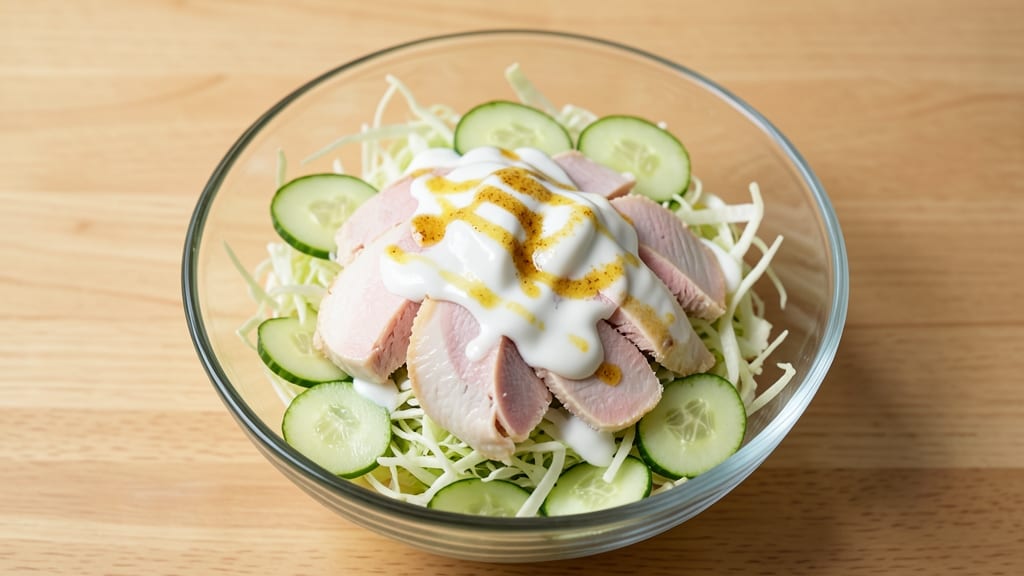
A kidney-friendly chicken salad recipe that delivers creamy texture without sodium spikes is exactly what your diet needs—flavorful, nourishing, and safe for kidney health.
After years of perfecting dishes for clients with dietary restrictions, I’ve developed a method that keeps potassium and phosphorus in check while maintaining that satisfying, velvety consistency. The secret lies in using low-sodium broth for moisture and kidney-safe vegetables like cucumber and cabbage, which add freshness without compromising nutritional balance.
This recipe focuses on portion control and smart substitutions to ensure every bite aligns with kidney-friendly guidelines. You’ll start with tender, poached chicken breast—cooked in a light broth to keep it moist without adding unnecessary sodium.
The dressing is where the magic happens: a blend of reduced-fat Greek yogurt, lemon juice, and a touch of Dijon mustard creates that signature creamy texture while keeping sodium levels safe. The result? A salad that’s rich in flavor but gentle on your kidneys.
What you’ll end up with is a creamy, protein-packed salad that’s perfect for lunch or light dinner, with no artificial additives or hidden sodium. The cucumber and cabbage add crunch and freshness, while the yogurt-based dressing ensures a smooth, satisfying bite.
This isn’t just another diet-friendly dish—it’s a restaurant-quality meal that happens to be kidney-safe. Let’s get started on a recipe that proves healthy eating can still be delicious.
Whether you’re managing kidney health or simply looking for a lighter chicken salad, this method delivers. The ingredients are straightforward, and the technique is foolproof—no complicated steps, just a balanced, flavorful dish that meets your dietary needs without sacrificing taste.
Ready to make a salad that’s as good for you as it is satisfying?
Ingredients for kidney friendly chicken salad
A creamy, protein-packed salad that’s kidney-safe and restaurant-quality without sodium spikes.
| Ingredient | Amount | Notes |
|---|---|---|
| Boneless, Skinless Chicken Breast 🍗 | 1 ½ lb | Poached in low-sodium broth |
| Plain Non-Fat Greek Yogurt 🥛 | 1 cup | Unsweetened, reduced-fat preferred |
| Fresh Cucumber 🥒 | 1 whole | Medium, Seeded, diced small |
| Green Cabbage 🥬 | 1 ½ cups | Shredded, finely chopped |
| Lemon Juice 🍋 | 2 tbsp | Freshly squeezed |
| Dijon Mustard 🍯 | 1 tbsp | Low-sodium preferred |
| Extra-Virgin Olive Oil 🫒 | 1 tbsp | For drizzling |
| Low-Sodium Chicken Broth 💧 | 1 ½ cups | For poaching chicken |
| Fresh Dill 🌿 | 2 tbsp | Chopped, for freshness |
| Celery Stalks 🥬 | 2 whole | Diced small, optional |
| Black Pepper 🌶️ | ¼ tsp | Freshly ground |
| Sea Salt 🧂 | ⅛ tsp | Kosher, optional for taste |
| Red Bell Pepper 🍅 | ½ cup | Diced small, optional |
The chicken breast is the foundation—boneless, skinless cuts cook evenly and stay tender. Low-sodium chicken broth is non-negotiable here; even the 'no salt added' versions can have hidden sodium. I like to poach the chicken in a shallow pan with just enough broth to cover, simmering gently until fully cooked. For extra flavor without sodium, add a few sprigs of fresh dill to the broth while poaching. Once cooled, the chicken shreds easily—no need to overcook it. If you're short on time, rotisserie chicken from the deli section (check the label for sodium) works too, but it’ll be slightly less moist.
The dressing is where this salad shines—Greek yogurt replaces mayo for creaminess without the fat or sodium. Fage 0% plain is my go-to, but any non-fat, unsweetened variety works. No Dijon? Yellow mustard at half the amount is a decent swap, though it’ll lack depth. The cucumber and cabbage are your kidney-friendly crunch sources—both are low in potassium and phosphorus. If red bell pepper is too high for your diet, zucchini or jicama (peeled and diced) are great alternatives. For extra freshness, toss in a handful of fresh parsley if you’ve got it—it brightens everything up.
This salad keeps beautifully in the fridge for 4-5 days, though the cabbage may soften slightly after day 3. To store, keep the dressing separate until ready to serve—this keeps the greens crisp. If you’re prepping ahead, poach the chicken and shred it first, then store it separately from the veggies. When ready to assemble, mix everything together and drizzle with the dressing. For leftovers, I like to pack it in glass containers with a squeeze of lemon juice to keep it fresh. The flavors actually improve overnight as everything melds together—just give it a quick stir before eating.
Why You'll Love This Recipe
- No-Sodium Stress: I’ve been there—searching for a chicken salad that won’t spike my blood pressure or leave me craving salt. This one uses plain non-fat Greek yogurt and low-sodium chicken broth to keep things clean while still packing protein. The lemon juice and Dijon mustard add zing without a single pinch of salt, so I can enjoy it guilt-free.
- Bright & Tangy Magic: The fresh dill and lemon juice in this salad aren’t just garnishes—they’re flavor game-changers. The yogurt base stays creamy but never heavy, and the green cabbage and cucumber give it that crisp, refreshing bite. Honestly, the first bite hits like a summer day in a bowl, and I swear I can taste the difference from store-bought versions.
- Leftover Hero: This salad doesn’t just survive—it thrives in the fridge. I make it on Sunday, and by Wednesday, I’m still eating it (the cabbage softens a bit, but the chicken and yogurt stay solid). It’s the kind of meal that turns a boring lunch into a satisfying, protein-packed win. Plus, it’s kidney-friendly and still tastes like a treat, not a diet necessity.
- One-Bowl Wonder: No fancy prep, no weird ingredients—just chicken, veggies, and a few pantry staples. The poaching method keeps the chicken tender, and the shredding with forks is foolproof. I’ve made it with my kids helping (they love dicing the cucumber), and it’s the kind of dish that feels like a hug on a busy night.
Step-by-step instructions for kidney-friendly chicken salad
Here's how to make this protein-packed salad with creamy yogurt and zero sodium surprises.
Poach the Chicken Breast in Low-Sodium Broth
Bring the 1½ cups low-sodium chicken broth to a gentle simmer in a medium saucepan over medium heat. The broth should bubble softly but not boil vigorously—you want just enough heat to maintain a steady 185°F temperature. Season lightly with the ⅛ tsp sea salt and ¼ tsp black pepper if desired, though the kidney-friendly approach keeps it minimal.
Add the 1½ lb boneless, skinless chicken breast and cook for 12-15 minutes, turning once halfway through. You'll know it's done when the internal temperature reaches 165°F and the meat is no longer pink in the center. Remove the chicken and let it rest on a wire rack for 10 minutes before shredding. This resting period ensures the fibers relax and the meat stays tender when mixed later.
Create the Creamy Yogurt Base
In a large mixing bowl, combine the 1 cup plain non-fat Greek yogurt, 1 tbsp Dijon mustard, 2 tbsp lemon juice, and 1 tbsp extra-virgin olive oil. Whisk vigorously for 1-2 minutes until completely smooth and creamy. The yogurt should lighten in color slightly and become almost custard-like in texture. This base is the heart of the salad's creaminess without relying on high-sodium mayonnaise.
Add the 2 tbsp chopped fresh dill and mix again. The dill will brighten the flavor profile while adding a fresh herbal note. Taste at this stage—you might find the yogurt mixture needs a touch more acidity or mustard kick. If so, add a splash more lemon juice or a pinch of the ¼ tsp black pepper to balance the flavors before proceeding.
Shred and Mix the Chicken
Using two forks, shred the poached chicken breast into ¼-inch thick strips. Place the shredded chicken in the yogurt mixture and gently fold everything together with a rubber spatula. The chicken will absorb the creamy base while adding protein structure to the salad. Work quickly to avoid overmixing, which could make the chicken tough.
In a separate bowl, combine the 1½ cups finely shredded green cabbage, ½ cup diced red bell pepper, 1 medium diced cucumber, and 2 diced celery stalks. This vegetable mix adds crunch and volume while keeping the dish light. Once combined, fold the vegetable mixture into the chicken-yogurt blend until evenly distributed. The salad should be thick but still spoonable—if it feels too dry, add 1-2 tablespoons of reserved poaching liquid to maintain moisture.
Chill and Serve
Cover the bowl and refrigerate the salad for at least 1 hour before serving. This chilling time allows the flavors to meld together beautifully while keeping the texture creamy rather than greasy. The longer it sits, the better the flavors develop—up to 24 hours if you're prepping ahead.
When ready to serve, give the salad one final stir to redistribute any settled ingredients. The finished dish should have a smooth, creamy texture with bright pops of lemon, fresh dill, and crunchy vegetables. Serve on its own or over mixed greens for a lighter presentation. The salad's kidney-friendly profile comes from the low-sodium broth, Greek yogurt base, and minimal seasoning, making it a safe and delicious option for those monitoring their sodium intake.
Pro Tips For Making Kidney Friendly Chicken Salad
- Poach at 185°F: That gentle simmer isn’t just a suggestion—it’s the difference between dry chicken and melt-in-your-mouth perfection. Use a thermometer if your stove’s heat control is wishful thinking; I’ve ruined more batches than I’ll admit by boiling the broth instead of maintaining that steady 185°F. The chicken absorbs flavor better when it’s not fighting for its life in a rolling boil.
- Seed and Dice the Cucumber: Skimping on seeding the cucumber? That’s how you end up with a watery salad. Use a spoon to scoop out the seeds and any slimy bits—trust me, you’ll thank yourself when your salad stays creamy, not soggy. Dice it small enough to disappear into bites, but not so fine it turns to mush in the yogurt.
- Rest the Chicken 10 Minutes: I learned this the hard way—shredding chicken straight off the heat turns it into a chewy disaster. Let it rest on a wire rack (yes, even if you’re impatient like me) so the juices redistribute. The fibers relax, and the shredding becomes effortless. No one likes fighting their food, least of all your guests.
- Taste the Yogurt Base: Don’t just eyeball the flavor—taste it after mixing the yogurt, mustard, and lemon. It’s the only way to know if you need that extra splash of lemon juice or a pinch of pepper. I’ve made bland salad so many times I could write a book about it. Balance is everything, especially when you’re skipping salt.
Wine and beer pairings for these flavors
Light White Wine Pairings
For this kidney-friendly chicken salad, I reach for a crisp Sauvignon Blanc from New Zealand—like Cloudy Bay. Its bright acidity and citrus notes cut through the creamy yogurt base while complementing the fresh dill and lemon.
The low potassium content in white wine also makes it a safer choice for kidney health. A dry Riesling from Germany, like Dr. Loosen Blue Slate, offers subtle sweetness and mineral notes that balance the salad’s tangy flavors without overpowering them.
Sparkling Options for Refreshment
A chilled Prosecco or Cava adds effervescence that cleanses your palate between bites. Look for La Marca Prosecco or Freixenet Cordon Negro—both are lower in sodium and potassium compared to many other sparkling wines.
The bubbles help refresh your taste buds after each creamy spoonful, making the meal feel lighter overall. 🥂
Low-Alcohol Beer Choices
If you prefer beer, opt for a light lager like Budweiser or Coors Light—both have minimal sodium and potassium. For something with more character, try a German Pilsner such as Warsteiner.
Avoid dark beers or malty ales, which tend to have higher sodium levels from added minerals. The crisp, clean taste won’t clash with the salad’s delicate flavors.
Avoid These Pairings
Skip heavy red wines like Cabernet Sauvignon or bold beers such as IPAs—they’re too tannic and can overwhelm the salad’s subtle notes. Also, avoid wines with added sulfites or excessive sugar, as these can strain kidneys further.
Stick to simple, fresh options that won’t add unnecessary stress to your diet.
Herbal Wine Infusions
For a unique twist, infuse a dry white wine with fresh herbs like basil or thyme before serving. Steep 2-3 sprigs in ½ cup wine for 10 minutes and strain.
The herbal notes enhance the salad’s freshness while keeping the pairing kidney-friendly. This method adds complexity without extra sodium or potassium.
Nutrition facts
Frequently asked questions
Can I adjust this recipe for lower potassium?
For a lower-potassium version, swap the red bell pepper and celery for zucchini or jicama—both are much lower in potassium. Also, use 1 cup of low-potassium tomatoes (if tolerated) instead of cucumber, and reduce the lemon juice to 1 tbsp to lower acidity. Always check potassium levels in your broth and yogurt labels, as these can vary by brand.
Why does the recipe use poached chicken instead of baked or grilled?
Poaching in low-sodium broth ensures the chicken stays moist and tender without added salt, which is critical for kidney-friendly meals. Baking or grilling can dry out the chicken, and even "no salt added" seasonings may contain hidden sodium. The gentle cooking method also helps maintain the 165°F internal temperature safely while keeping flavors balanced.
What if I don’t have fresh dill?
No problem! Substitute with 1 tbsp dried dill (reduce to ½ tbsp if using), or swap for fresh parsley or basil—both add brightness. If you’re avoiding fresh herbs entirely, add an extra ½ tbsp lemon zest to boost flavor. The yogurt base will still taste delicious, just with a slightly different herbal note.
Can I make this salad ahead of time?
Yes, but separate the components for best results! Poach and shred the chicken ahead, then refrigerate it until ready to mix. Store the vegetables and dressing separately—this keeps the greens crisp and prevents sogginess. Combine everything just before serving, and let it chill for at least 1 hour to let flavors meld. This method ensures texture stays perfect even after 24 hours.
How do I keep the salad creamy without mayo?
The secret is in the Greek yogurt base! Whisking it vigorously with lemon juice and Dijon mustard creates an emulsified, custard-like texture. For extra creaminess, add 1 tsp honey or maple syrup (if tolerated) to balance acidity, or stir in 1 tbsp reserved poaching liquid to maintain moisture. The result is a rich, velvety salad without any sodium spikes.