
Main Courses
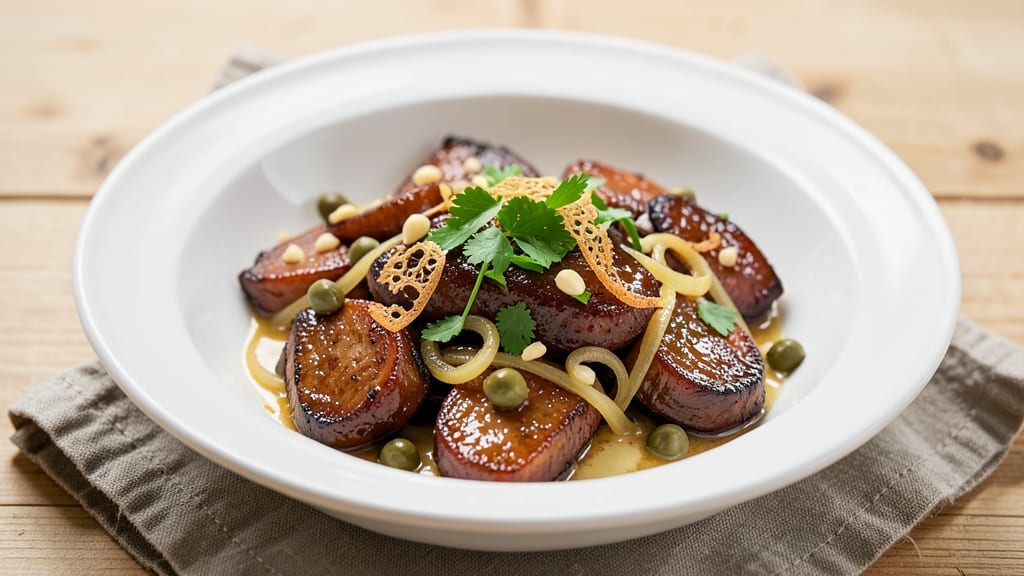
This Jewish chopped chicken liver recipe transforms humble ingredients into a dish that feels like a celebration on your plate—rich, tender, and packed with the kind of bold flavors that have been passed down for generations.
The secret lies in the precise chopping technique and the balance of onions, garlic, and capers, which create a sauce that clings to each bite like a velvety embrace.
What sets this recipe apart is the celery crown crunch—a signature element that adds texture and freshness to cut through the richness.
Unlike many versions that rely on heavy cream or butter, this method uses just enough oil to achieve that signature pan-seared depth while keeping the dish light enough for a weeknight dinner.
The result is a dish that’s both comforting and refined, perfect for those who appreciate the art of traditional cooking.
By the time you serve this, you’ll have a plate of golden-brown chicken livers with tender onions and parsley, all finished with a crisp celery garnish that adds a satisfying crunch. The flavors are complex—earthy, slightly tangy, and rich—without being overpowering, making it a dish that feels special yet approachable.
Pair it with crusty bread or a simple green salad to balance the richness.
This recipe is more than just a dish; it’s a connection to tradition, a way to bring a taste of heritage into your kitchen with every bite.
Whether you’re serving it for a family gathering or a quiet dinner at home, the technique and ingredients are designed to deliver consistent, restaurant-quality results every time.
Ingredients for jewish chopped chicken liver
Rich, tender livers meet crisp celery crowns in this heritage-inspired dish.
| Ingredient | Amount | Notes |
|---|---|---|
| Chicken Livers 🍗 | 1 ½ lb | Fresh, rinsed thoroughly |
| Yellow Onions 🧅 | 2 whole | Finely diced, medium size |
| Garlic Cloves 🧄 | 6 cloves | Minced, aromatic |
| Celery Stems 🌿 | 1 whole | Thinly sliced, for crown |
| Capers 🍋 | 2 tbsp | Chopped, briny flavor |
| Fresh Parsley 🌿 | ½ cup | Chopped, bright green |
| Extra-Virgin Olive Oil 🫒 | ½ cup | High-quality, fruity |
| Dry White Wine 🍷 | ¼ cup | Such as Sauvignon Blanc |
| Salt 🧂 | 1 tsp | Kosher or sea salt |
| Ground Black Pepper 🌶️ | ½ tsp | Freshly ground preferred |
| Lemon Juice 🍋 | 1 tbsp | Freshly squeezed, tangy |
| All-Purpose Flour 🌾 | 2 tbsp | For dredging livers |
The quality of chicken livers is paramount. Opt for freshly slaughtered from a reputable butcher—look for vibrant color and no off-odors. Trader Joe's or Whole Foods carry excellent options, or ask your local deli for organic, pasture-raised to elevate the dish. Rinse them thoroughly under cold water to remove any blood residue, then pat dry with paper towels. The celery stems should be firm and crisp—avoid any that feel soft or stringy.
Dry white wine is essential for deglazing, but if unavailable, substitute chicken broth with a splash of white vinegar for tang. Capers provide briny depth, so if you lack them, capers paste or a pinch of salt with lemon zest mimics the effect. For the flour dredge, gluten-free all-purpose blend works in a pinch, though texture will differ slightly. Fresh parsley brightens the dish, but dried parsley at half the amount suffices if fresh isn’t accessible. Always use high-quality extra-virgin olive oil—cheap versions can overpower the delicate flavors.
This dish is best prepared 1-2 days ahead—flavors meld beautifully overnight. Store leftovers in an airtight container in the fridge for up to 5 days. For long-term storage, freeze portions in glass containers for up to 3 months. Reheat gently on the stovetop with a splash of water or broth to restore moisture. The celery crown garnish should be added fresh just before serving to maintain its crispness. Pair with crusty sourdough bread or a simple arugula salad to balance the richness.
Why You'll Love This Recipe
- No-Panic Prep: Honestly, the only prep work that feels like effort is rinsing those livers—but even that’s just a quick splash of water. The rest? Dicing onions, mincing garlic, and tossing flour on livers while you wait for the oil to heat. I’ve made this while scrolling through my phone, and the livers still turn out perfect.
- Umami Bomb: That crispy exterior from the flour-dredged livers paired with the briny kick of 2 tbsp chopped capers and the bright pop of lemon juice? It’s like a flavor explosion in your mouth. The celery crown adds a crunchy contrast that keeps you coming back for seconds—yes, even on a Tuesday night.
- Leftovers That Last: Forget sad sandwiches or wilted salads. These livers keep their magic for up to 5 days in the fridge, and they freeze like a dream for 3 months. I reheat them in a skillet with a splash of wine, and boom—dinner’s ready in five minutes. My secret weapon for busy weeks.
- Budget’s Friend: Chicken livers are cheaper than ground beef for the same protein punch, and that ½ cup extra-virgin olive oil stretches further than you’d think. Serve it with crusty bread or over pasta, and you’ve got a meal that feels fancy but won’t break the bank. My wallet—and my taste buds—thank me.
Step-by-step instructions for Jewish chopped chicken liver
Here's the method I've perfected for achieving that signature crunch and rich flavor.
Prepare the Chicken Livers
Begin by rinsing the 1½ lb chicken livers thoroughly under cold water to remove any blood or impurities. Pat them completely dry with paper towels—this step is crucial for preventing splattering when cooking. Remove any connective tissue or membranes you find, as these can make the final dish tough.
In a bowl, combine the 2 tbsp all-purpose flour, 1 tsp salt, and ½ tsp ground black pepper. Add the chicken livers to the flour mixture and toss gently to coat evenly. Let them sit for 5 minutes while you prepare the vegetables. This light dredging creates a delicate crust that crisps beautifully during cooking.
Sauté the Aromatics and Celery Crown
Heat ¼ cup extra-virgin olive oil in a large skillet over medium heat. Add the 2 finely diced yellow onions and cook for 5 minutes until they begin to soften and turn translucent. Add the 6 minced garlic cloves and cook for another 30 seconds until fragrant—don't let them brown, or they'll turn bitter.
Push the onions and garlic to one side of the pan, then add the 1 thinly sliced celery stem to the empty space. Cook for 2 minutes until the celery begins to soften slightly. This creates the signature "celery crown" texture that contrasts perfectly with the rich liver. Remove the celery with a slotted spoon and set aside on a paper towel-lined plate.
Pan-Sear the Chicken Livers
Increase the heat to medium-high and add the floured chicken livers to the skillet in a single layer, leaving space between them. Cook undisturbed for 3-4 minutes until they develop a deep golden-brown crust on the bottom. Flip carefully and cook for another 3-4 minutes until the other side is equally browned and the livers reach an internal temperature of 145°F on an instant-read thermometer.
Remove the livers from the pan and set aside on a plate. The residual heat will carry them to perfect doneness. Here's the thing—don't overcrowd the pan when cooking, or they'll steam instead of sear. If needed, cook in batches to maintain that beautiful crust.
Deglaze and Finish the Sauce
Reduce the heat to medium and pour in the ¼ cup dry white wine, scraping up any browned bits from the bottom of the pan with a wooden spoon. Let it simmer for 2-3 minutes until reduced by half. Add the 2 tbsp chopped capers and ½ cup chopped fresh parsley, stirring to combine. The capers will add a briny depth that balances the richness of the livers.
Return the chicken livers to the pan along with any accumulated juices. Add the 1 tbsp lemon juice and toss gently to coat everything in the sauce. The acidity brightens the dish and cuts through the richness. Cook for an additional 1-2 minutes just to heat through and allow the flavors to meld.
Serve with the Celery Crown
Transfer the chicken livers to a serving platter and arrange the reserved celery crown on top. The contrast of the crispy celery against the smooth, rich liver is what makes this dish special. Garnish with an additional ½ cup chopped fresh parsley for freshness and color.
Serve immediately while everything is hot. The livers should be tender with a crisp exterior, the sauce should coat each bite, and the celery crown should add a satisfying textural contrast. This dish is best enjoyed fresh, so don't let it sit too long before serving.
Pro Tips For Making Jewish Chopped Chicken Liver
- Skip the Overcrowding: I learned this the hard way—when I stuffed all 1.5 lb of chicken livers into the pan at once, they just steamed into bland, greasy messes. Work in batches, even if it means two trips to the skillet. That golden crust? Only happens when they’re searing, not sweating. (And yes, even if you’re impatient like me.)
- Salt the Celery Crown: The celery crown isn’t just for show—it’s the crispy contrast that makes this dish pop. Before you fry that single stem, sprinkle it lightly with a pinch of salt while it cooks. It’ll crisp up faster and taste like it belongs in the mix, not like an afterthought. (Trust me, the parsley won’t even notice.)
- Wine Down Early: That ¼ cup dry white wine is non-negotiable, but don’t rush the reduction. Let it simmer until it’s cut in half—about 2-3 minutes—and you’ll taste the depth in every bite. Skimp here, and the sauce tastes like sad, flat vinegar. (And no one wants sad vinegar.)
- Lemon Last, Always: The lemon juice is the bright note that keeps this rich dish from feeling heavy, but add it too early, and it’ll cook off into nothing. Toss it in right before serving, when the livers are back in the pan and everything’s hot. That tang? It should hit you like a wake-up call, not a faded memory.
Regional styles of this dish
Ashkenazi Tradition
This dish traces its roots to Ashkenazi Jewish cuisine, where chicken livers were a staple during Shabbat and festive meals. The technique of pan-searing livers with onions and capers became particularly popular in Eastern European communities, where resourcefulness and bold flavors defined home cooking.
I remember my grandmother insisting on using the freshest livers from the butcher—she’d say, "The best dishes come from the best ingredients." 🧂
Sephardic Twist
In Sephardic traditions, especially among North African and Middle Eastern Jewish communities, this dish often incorporates harissa or smoked paprika> for added depth. Instead of white wine, they might deglaze with vermouth> or a splash of orange liqueur>.
The capers are sometimes replaced with pickled peppers> or preserved lemons>, adding a tangy complexity that balances the richness of the livers.
Yiddish Delicatessen
In Yiddish delis across America, this dish became a signature appetizer or main course, often served with crusty rye bread> or matzo crackers>. The key difference?
Many delis add a touch of sour cream> or creme fraîche> to the finished dish, creating a creamy sauce that contrasts with the crisp celery crown. I’ve seen versions where the livers are even wrapped in prosciutto> before serving—a fusion that’s become wildly popular.
Modern Adaptations
Today, chefs are reimagining this classic with global influences. Some add goat cheese> or feta> to the sauce for a Mediterranean touch, while others incorporate umami-rich ingredients> like mushroom powder> or fish sauce>.
For a lighter take, I’ve seen versions where the livers are poached instead of seared, then finished with a lemon-beurre blanc> sauce. The celery crown remains a constant, though—it’s the heart of the dish’s texture.
Israeli Sabich Influence
In Israel, this dish often appears in the sabich>, a sandwich that layers eggplant, hard-boiled eggs, and hummus with the chopped livers. The livers are typically cooked with tomato paste> and coriander>, giving them a slightly sweet and herby profile.
The celery crown is replaced with shredded lettuce> or pickled turnips>, adding a fresh crunch. It’s a perfect example of how this dish travels and transforms while keeping its soul intact.
Family Variations
Every Jewish family has their own twist. My cousin in Brooklyn adds a pinch of cinnamon> to the flour dredge, while my aunt in Montreal swears by a splash of soy sauce> in the deglazing wine for extra umami.
Some families serve it cold as a meze-style appetizer>, while others keep it hot for a hearty main. The beauty of this dish is its adaptability—it’s a canvas for personal and cultural expression.
Nutrition facts
Frequently asked questions
Why do you let the chicken livers sit in flour before cooking?
The 5-minute rest in flour creates a delicate crust that crisps beautifully when seared. This step prevents the livers from sticking to the pan and adds a satisfying texture contrast to the tender meat. The flour also helps absorb excess moisture, ensuring even cooking.
Can I use frozen chicken livers for this recipe?
Frozen livers work but require extra care. Thaw them overnight in the fridge first, then rinse thoroughly to remove any ice crystals. Pat them completely dry—any moisture will cause splattering during cooking. The texture may be slightly different, but the dish will still taste delicious.
What if I don’t have dry white wine?
Substitute with ¼ cup chicken broth mixed with 1 tablespoon lemon juice or 1 tablespoon white vinegar. The acidity will still brighten the sauce, though the wine’s depth won’t be identical. A splash of vermouth also works beautifully for a similar flavor profile.
How do I prevent the celery crown from getting soggy?
Cook the celery stems separately for just 2 minutes and remove them immediately with a slotted spoon. Pat them dry on paper towels before arranging on top. Serve the dish right away—never let the celery sit in the sauce or it will soften. The crispness is key to the dish’s texture!
Can I make this dish ahead of time?
Yes! Prepare everything up to the deglazing step, then refrigerate the components separately. Reheat the livers gently on the stovetop with a splash of water or broth, then toss with the sauce just before serving. The celery crown should be added fresh for maximum crunch.