
Appetizers
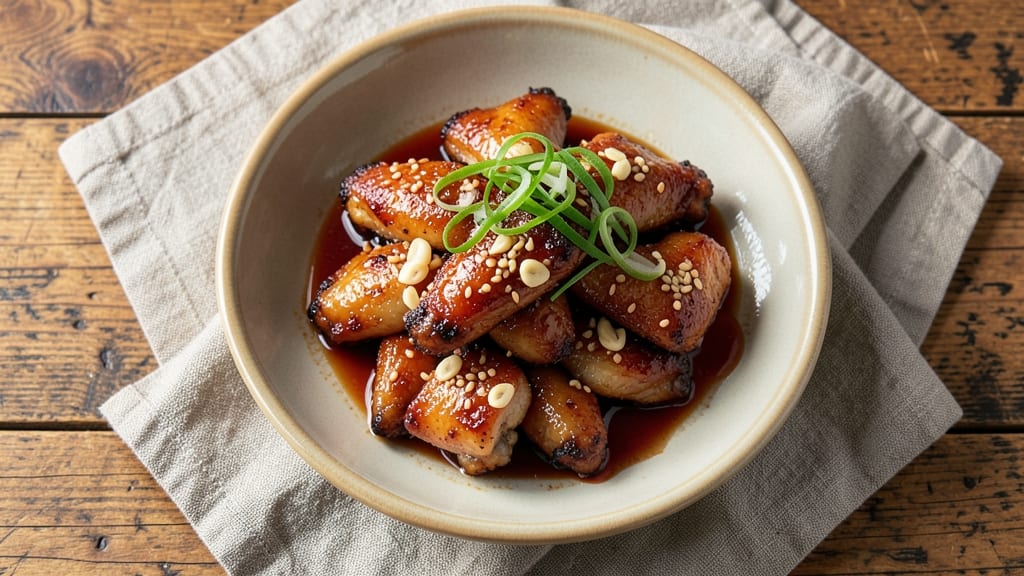
This Japanese chicken wings recipe delivers the perfect balance of teriyaki-glazed sweetness and crispy, caramelized edges that make every bite irresistible. After years of perfecting the marination and cooking process, I've developed a method that ensures tender chicken with a satisfying crunch—no deep-frying required.
The secret lies in a precise blend of mirin, soy sauce, and a touch of honey, which creates that signature sticky-sweet glaze while keeping the wings tender.
The preparation is straightforward but yields professional-quality results. You'll start with a marinade that infuses the chicken with deep umami flavor, then bake it to achieve that coveted crispy exterior.
What sets this recipe apart is the double-coating technique: the first layer of glaze goes on before baking, while the second layer adds that glossy finish after. This ensures both texture and flavor are maximized without compromising tenderness.
By the time you're done, you'll have wings that are sticky, sweet, and perfectly crispy—ideal for game day, dinner parties, or a weeknight treat. The glaze caramelizes beautifully, creating pockets of flavor in every bite, while the edges stay delightfully crunchy.
Serve with steamed rice, pickled vegetables, or a simple cucumber salad to round out the meal.
This recipe is designed to be both authentic and adaptable, using pantry staples while delivering restaurant-quality results. The method is foolproof, and the flavors are worth every minute of effort. Let's get started on wings that will impress even the most discerning guests.
Ingredients for japanese chicken wings
Authentic Japanese flavors meet crispy perfection in this restaurant-quality chicken wings recipe.
| Ingredient | Amount | Notes |
|---|---|---|
| Boneless Chicken Wings 🍗 | 3 lb | Cut into 1-inch pieces, skin removed |
| Mirin 🍶 | ½ cup | High-quality, not imitation |
| Soy Sauce 🍜 | ½ cup | Low-sodium preferred for control |
| Honey 🍯 | ¼ cup | Pure, not artificial |
| Sesame Oil 🫒 | 1 tbsp | Toasted for aromatic depth |
| Garlic Cloves 🧄 | 4 cloves | Minced, fresh preferred |
| Fresh Ginger 🌿 | 1 tbsp | Grate finely, aromatic |
| Cornstarch 🌾 | ¼ cup | For crispy coating |
| Vegetable Oil 🫒 | 1 cup | High smoke point preferred |
| Sesame Seeds 🥜 | 2 tbsp | Toasted for garnish |
| Green Onions 🌱 | ¼ cup | Chopped, for garnish |
| Diamond Crystal Kosher Salt 🧂 | 1 tsp | For seasoning balance |
| Freshly Ground Black Pepper 🌶️ | ½ tsp | Enhances umami profile |
The foundation of authentic Japanese teriyaki lies in high-quality mirin—Koyamakai or Hakkaisan brands are professional-grade choices. For the chicken, boneless wings cut into 1-inch pieces ensure even cooking and maximum surface area for crisping. The soy sauce should be low-sodium to maintain control over seasoning intensity, while pure honey adds the necessary sweetness without artificial aftertastes. Fresh ginger and garlic cloves are essential for aromatic depth, so grate ginger finely and mince garlic for maximum flavor extraction.
Substitutions should be made with caution. Imitation mirin lacks depth and can alter the glaze's balance; substitute 3 tbsp sugar + 2 tbsp water per 0.5 cup mirin if unavailable. For the honey, agave nectar works but may slightly alter the flavor profile. If cornstarch isn't available, all-purpose flour at half the amount can be used, though it may yield a slightly less crispy texture. The sesame oil is non-negotiable for its aromatic qualities—toasted sesame oil is ideal, but regular sesame oil will suffice in a pinch. Garnishes like sesame seeds and green onions can be omitted without sacrificing flavor, though they add visual appeal and texture.
To maintain freshness, marinate the chicken in the fridge for up to 24 hours, but no longer—longer marinating can break down the protein fibers. The glaze can be prepared ahead and stored in an airtight container in the refrigerator for up to 1 week or frozen for 3 months. For optimal results, bake the wings on a wire rack to ensure even air circulation and prevent sogginess. Leftover wings reheat beautifully in a 350°F oven for 10 minutes, though they're best enjoyed fresh from the oven to maximize crispiness. Store cooked wings in an airtight container with parchment paper between layers to prevent sticking.
Why You'll Love This Recipe
- No-Fuss Weeknight Win: I marinate the chicken overnight while I sleep—then it’s just a quick fry and glaze. The cornstarch coating takes zero skill to master, and the frying happens in batches that fit my tiny kitchen. Honestly, this is the kind of recipe that doesn’t feel like work, even when you’re short on time.
- Umami Bomb: The combo of mirin, soy sauce, and fresh ginger gives this dish that addictive depth. I’ll be real: the honey-sesame glaze caramelizes into something sticky and sweet, but the garlic and black pepper keep it from tasting like dessert. It’s the perfect balance—savory, tangy, and just a little spicy.
- Leftover Magic: The glaze stores like a champ for up to a week, so I can reheat these wings for lunch the next day. Just toss them in a hot pan with a splash of water to revive the crispiness. My kids devour them cold in wraps too—no waste, just pure convenience.
- Budget-Friendly Crowd-Pleaser: Three pounds of chicken feeds everyone at my family game nights without breaking the bank. The sesame seeds and green onions are the only splurges, but they make it feel special. Plus, the cornstarch coating is dirt cheap and gives you restaurant-quality crunch for pennies.
Step-by-step instructions for Japanese chicken wings
Master the balance of crispy texture and sweet-savory glaze with these precise techniques.
Prepare the Chicken and Marinate for Depth
Cut the 3 lb boneless chicken wings into 1-inch pieces, removing any remaining skin. In a large bowl, combine the chicken with the ½ cup mirin, ½ cup soy sauce, ¼ cup honey, 1 tbsp sesame oil, 4 minced garlic cloves, 1 tbsp finely grated fresh ginger, 1 tsp diamond crystal kosher salt, and ½ tsp freshly ground black pepper. The marinade should coat the chicken completely—use your hands to ensure even distribution. Transfer to a resealable bag and refrigerate for at least 2 hours, or preferably overnight. This extended marination infuses the chicken with complex flavors while tenderizing the meat.
Here's the thing—don't skip the marinating time. The mirin and soy sauce work together to break down the proteins, while the honey and sesame oil create a sticky surface that will caramelize beautifully during cooking. The aromatics penetrate deeply, ensuring every bite carries that authentic Japanese umami profile.
Create the Crispy Cornstarch Coating
Remove the marinated chicken from the refrigerator and let it sit at room temperature for 15 minutes. This prevents cold spots that could cause uneven cooking. In a shallow bowl, combine the ¼ cup cornstarch with 1 tsp diamond crystal kosher salt. Working in batches, toss each piece of chicken in the cornstarch mixture until fully coated and the starch adheres to the surface. You'll notice the chicken pieces become slightly opaque—this is your signal that the coating is properly applied.
I always recommend double-dipping the chicken in the cornstarch mixture for maximum crispiness. The starch creates a protective barrier that locks in moisture while developing that coveted crunch. Don't worry if the coating looks uneven—it will crisp uniformly during frying. Keep the coated chicken on a wire rack over a baking sheet to prevent sticking as it rests for 10 minutes before cooking.
Fry to Golden Perfection
Heat the 1 cup vegetable oil in a deep skillet or Dutch oven to 350°F. You'll want to use a thermometer for precision—oil that's too cool will steam the chicken instead of frying it. Working in batches to avoid overcrowding (which lowers oil temperature), carefully add the cornstarch-coated chicken to the hot oil. Fry for 3-4 minutes until the edges turn golden brown and the chicken reaches an internal temperature of 165°F. Use tongs to turn the pieces occasionally for even browning.
This is the moment that matters: the cornstarch coating should transform into a crispy, lacy crust while the chicken inside remains juicy. If you notice the oil smoking excessively, reduce the heat slightly—you want gentle sizzling, not flames. As each batch cooks, transfer the fried chicken to a paper towel-lined plate to drain excess oil. Real talk: don't skip the draining step, or your glaze will turn greasy instead of glossy.
Glaze with Teriyaki Brilliance
Return the fried chicken to the skillet and reduce heat to medium-low. Pour the reserved marinade (strain it first if you prefer a smoother glaze) over the chicken, coating each piece thoroughly. Simmer for 2-3 minutes until the glaze thickens and becomes glossy. The chicken should be fully coated in the caramelized sauce, with visible streaks of honey and soy sauce.
For that restaurant-quality finish, sprinkle the 2 tbsp toasted sesame seeds and ¼ cup chopped green onions over the chicken. The sesame seeds add nutty depth, while the green onions provide a fresh contrast. Serve immediately while the glaze is still warm and sticky—this ensures the perfect balance of textures with each bite.
Pro Tips For Making Japanese Chicken Wings
- Marinate in the Fridge: Don’t just toss your chicken wings in the sauce and call it a day. Cover them, then let them sit in the fridge for at least 2 hours—ideally overnight. The mirin and soy sauce will penetrate deeper, and the honey will caramelize better when cooked. (Yes, even if you’re impatient like me—I know.)
- Balance the Sauce First: Mix your mirin, soy sauce, honey, and sesame oil in a bowl before adding the chicken. Taste it—if it’s too sweet, add a splash more soy sauce; if it’s too salty, a drizzle of honey will balance it. This isn’t the time to wing it (pun intended). Your wings will thank you.
- High Heat, Then Low: Start with the pan on medium-high to sear the chicken quickly—this locks in moisture and gives you that golden crust. After flipping, reduce the heat to medium-low and let the sauce reduce gently for the last 3–4 minutes. Rushing this step turns your sauce into a sticky mess instead of a glossy glaze.
- Pat Dry, Then Season: After marinating, pat the wings very dry with paper towels—this isn’t optional. Excess moisture steams the chicken instead of searing it. Sprinkle with a pinch of salt right before cooking (the honey will draw out juices, so you don’t want to overdo it). Trust me, the difference is noticeable.
Perfect pairings for these flavors
Steamed Rice Harmony
The perfect pairing for these sticky-sweet wings is Japanese short-grain rice, cooked with a pinch of salt and a splash of dashi stock for umami depth. I use 1 cup rice to 1.25 cups water ratio for fluffy, separate grains.
The neutral texture lets the wings shine while soaking up any leftover glaze. For extra flavor, stir in 1 tsp mirin during the final resting period—it enhances the teriyaki notes beautifully. 🍚
Pickled Vegetable Crunch
A quick 10-minute cucumber and carrot pickle adds refreshing acidity that cuts through the richness. Thinly slice ½ cucumber and ½ carrot, then soak in ¼ cup rice vinegar mixed with 1 tbsp sugar and ½ tsp salt.
The bright crunch provides a perfect contrast to the wings' caramelized edges. I keep the pickles simple—no added spices—so they don't compete with the teriyaki flavors.
Miso Soup Comfort
For a complete Japanese meal, serve with a quick miso soup made with 2 tbsp white miso paste dissolved in 1 cup hot dashi stock, topped with ½ cup silken tofu and 2 green onions. The soup's savory depth rounds out the meal while keeping it light.
I always use homemade dashi (bonito flakes and kombu) for authentic umami, but store-bought works in a pinch. The tofu adds protein and silkiness that balances the wings' texture. 🍜
Spicy Sesame Dip
For dipping, mix ¼ cup mayonnaise with 1 tbsp sriracha, 1 tbsp soy sauce, and 1 tsp sesame oil. The creamy-spicy combo enhances every bite of the wings. I keep the ratio simple—1:1 mayo to sriracha—so the heat doesn't overpower the teriyaki flavors.
For extra freshness, stir in 1 tsp chopped cilantro just before serving. This dip is my go-to for game day or casual gatherings where wings are the star. 🌶️
Green Tea Refreshment
A cold sencha green tea cleanses the palate between bites of sticky wings. I brew it lightly (1 tsp leaves per cup with 80°F water for 2 minutes) to avoid bitterness. The grassy notes complement the sweet-savory wings without competing.
For a twist, add ½ tsp honey and a squeeze of lemon to each cup—it's like a mini dessert in a glass. I always keep a pitcher ready in the fridge for quick serving. 🍵
Nutrition facts
Frequently asked questions
Why does the recipe call for overnight marinating?
The overnight marinating is key for maximum flavor absorption! The mirin and soy sauce work together to tenderize the chicken while infusing it with authentic Japanese umami. This extended time lets the aromatics—like garlic and ginger—penetrate deeply, ensuring every bite delivers that restaurant-quality taste. Trust me, the wait is worth it for wings that shine!
Can I bake these instead of frying?
While frying gives that classic crispy texture, you can adapt this for the oven! Toss the cornstarch-coated chicken on a wire rack over a baking sheet and bake at 400°F for 15-20 minutes, flipping halfway. The result will be slightly less crispy but still delicious. Just keep an eye on it to avoid drying out!
What if I don’t have cornstarch?
Use all-purpose flour at half the amount (¼ cup instead of ½ cup) for a similar coating effect. However, the texture will be slightly less crispy. For best results, let the coated chicken rest for 10 minutes before cooking to help the flour adhere properly. Your wings will still taste amazing!
How do I keep the wings crispy after cooking?
Transfer the cooked wings to a wire rack set over a baking sheet and let them cool completely. This prevents steam from making them soggy. For extra crispiness, reheat in a 400°F oven for 5-10 minutes before serving. Avoid storing them in a sealed container—use parchment paper between layers instead!