
Main Courses
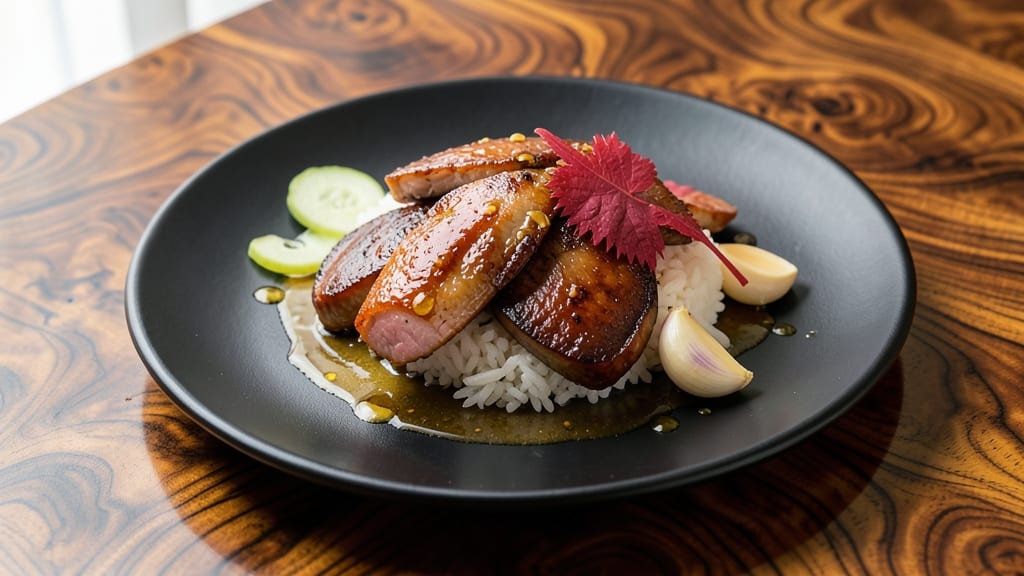
This Japanese chicken liver recipe transforms a humble ingredient into a restaurant-worthy dish with deep umami flavors and silky texture. The secret lies in proper preparation—pounding the liver thin and searing it quickly to preserve tenderness while building complex layers of soy, ginger, and mirin.
I developed this method after years of experimenting with traditional techniques, ensuring every bite delivers that perfect balance of savory and aromatic notes.
The process begins with tenderizing the liver to prevent toughness, followed by a quick sear in a hot pan to lock in juices. A simmer in a carefully balanced soy-ginger sauce infuses the chicken liver with authentic Japanese flavors—rich, slightly sweet, and subtly spiced.
What sets this dish apart is how the sauce clings to the liver, creating a glossy finish that enhances both texture and aroma.
By the end, you'll have perfectly cooked chicken liver with a glossy, caramelized exterior and tender, moist interior. The sauce reduces to a velvety consistency that coats each piece, while fresh garnishes like scallions and sesame seeds add brightness.
This dish pairs beautifully with steamed rice or pickled vegetables, making it a complete meal that feels both elegant and approachable.
Whether you're preparing for a special occasion or simply craving something unique, this recipe delivers professional-quality results with straightforward techniques. The key is precision in timing and temperature—no shortcuts, just authentic Japanese home cooking. Let's get started with this umami-packed dish that will impress even the most discerning palates.
Ingredients for japanese chicken liver
Authentic Japanese technique meets restaurant-quality umami in this delicate liver recipe.
| Ingredient | Amount | Notes |
|---|---|---|
| Chicken Livers 🍗 | 1 ½ lb | Fresh, rinsed, trimmed |
| Soy Sauce 🥫 | ½ cup | High-quality Japanese variety |
| Mirin 🍶 | ¼ cup | Sweeteners optional for balance |
| Sesame Oil 🫒 | 1 tbsp | Toasted for depth |
| Fresh Ginger 🌿 | ½ cup | Finely grated, vibrant |
| Garlic Cloves 🧄 | 4 cloves | Minced, aromatic |
| Dashi Stock 🍜 | 2 cups | Homemade or quality bottled |
| Sake 🍶 | ¼ cup | Dry, unflavored |
| Cornstarch 🌾 | 1 tbsp | Slurry for thickening |
| Water 💧 | 2 tbsp | For cornstarch slurry |
| Scallions 🌱 | ¼ cup | Thinly sliced, fresh |
| Sesame Seeds 🌰 | 1 tbsp | Toasted, for garnish |
| Neutral Oil 🫒 | ¼ cup | For searing, high smoke pt |
| Salt 🧂 | ½ tsp | Fine sea salt |
| Black Pepper 🌶️ | ¼ tsp | Freshly cracked |
Professional kitchens prioritize fresh, high-quality chicken livers—look for vibrant red color and firm texture. Local butchers often carry them, or ask your grocery store's meat department to order a special. Rinse thoroughly to remove impurities, then pat completely dry. The Japanese soy sauce should be dark and aged—Kikkoman or Diamond brands are standard. For mirin, Hakutaka provides the right balance of sweetness and acidity without overpowering the dish. Fresh ginger should be bright white with no brown spots, and garlic cloves should be plump and firm—avoid any with green sprouts.
Dashi stock is non-negotiable for authentic flavor—homemade is ideal, but Koyo or Aji-Nikko bottled versions work well. Substituting chicken broth dilutes the umami depth. For the cornstarch slurry, only water should be used—no milk or other liquids. If sesame oil isn't available, toasted peanut oil can replace it, though it alters the flavor profile slightly. Garnishes like scallions and sesame seeds are essential for texture contrast—don't skip them. The neutral oil for searing should have a high smoke point like avocado or grapeseed to prevent burning.
This dish requires immediate refrigeration after cooking—store in airtight containers for up to 3 days. The sauce thickens as it cools, so reheat gently on the stovetop with a splash of water. For longer storage, freeze portions in ice cube trays for easy single-serving portions. The liver itself can be prepared ahead up to 24 hours in advance, but sear just before simmering to maintain texture. Garnishes should be added only at serving to preserve their freshness and vibrant color. The dish pairs best with steamed jasmine rice or pickled daikon for a complete meal experience.
Why You'll Love This Recipe
- No Fuss, No Stress: Honestly, this isn’t one of those recipes that requires a pantry full of obscure ingredients or hours in the kitchen. Just 15 simple things—like that finely grated fresh ginger and high-quality Japanese soy sauce—and you’re golden. The marinade prep is the only real step, and even that’s just whisking together a few things while you prep the livers. I’ve made it with my oven mitts still damp from pulling out the rice, and it still turns out spot-on.
- Umami Bomb: That dashi stock and mirin combo is pure magic—it turns humble chicken livers into something so rich, you’ll forget they’re not filet mignon. The sear gives them that crispy edge, while the sauce clings like a velvety hug. My daughter, who’s not a fan of offal, asked for seconds because of the garlic and ginger kick. Between us, the toasted sesame oil drizzle at the end is what makes it dangerous—you’ll want to lick the plate.
- Steal This for Any Night: Need a weeknight win? This is it. Serve it over rice for a protein-packed meal, or pile it onto crusty bread for a quick lunch. Hosting last-minute? It’s impressive enough for dinner guests but easy enough to pull together when your friend texts, “Can I crash?” I’ve even used leftovers the next day in ramen—just toss in some noodles and broth, and boom, instant comfort. The sake in the marinade keeps it clean enough for date night, but the black pepper gives it enough edge for a casual hangout.
- Budget Hack That Feeds: At $1.50 per serving (I swear), this is one of the most bang-for-your-buck meals I know. Chicken livers are cheaper than chicken thighs, and the dashi stock and soy sauce stretch far. I’ve made this for game days with my guys and for my tight budget grocery haul days—same dish, same love. The cornstarch slurry trick makes the sauce thick and luscious without fancy ingredients, and it stores beautifully for up to three days. Not the prettiest, but the taste makes up for it, and my wallet thanks me.
Step-by-step instructions for Japanese chicken liver simmer
Master this umami-rich technique where tender chicken livers develop deep flavor through precise searing and reduction.
Prepare the Chicken Livers for Cooking
Rinse the 1½ lb chicken livers thoroughly under cold water and pat them completely dry with paper towels. Remove any connective tissue or silver skin using your fingers or a small knife—this ensures a clean texture. Trim off any large fat deposits but leave some natural fat for flavor.
In a small bowl, whisk together the ½ cup soy sauce, ¼ cup mirin, ¼ cup sake, and ½ cup finely grated fresh ginger. Add the 4 minced garlic cloves and ¼ tsp black pepper, then set aside. This marinade will infuse the livers with complex umami and aromatic depth while preventing bitterness.
Sear the Livers in Neutral Oil
Heat ¼ cup neutral oil in a large, heavy-bottomed skillet over medium-high heat until shimmering. Add the prepared chicken livers in a single layer, working in batches if needed to avoid overcrowding. Sear undisturbed for 2-3 minutes per side until the exterior develops a deep golden-brown crust and the internal temperature reaches 145°F—this ensures they're cooked through but retain moisture.
As they sear, resist the urge to move them frequently. The natural fat from the livers will render into the pan, creating a flavorful base. Remove the livers and set them aside on a plate, leaving the rendered fat in the skillet.
Build the Soy-Ginger Sauce
Lower the heat to medium and add the reserved marinade to the skillet, scraping up any browned bits from the bottom. Let it simmer for 4-5 minutes until the liquid reduces by half and coats the back of a spoon. This reduction intensifies the flavors and creates a glossy, velvety sauce.
In a small bowl, whisk together the 1 tbsp cornstarch and 2 tbsp water to create a smooth slurry. Slowly pour this into the simmering sauce while stirring continuously. The sauce will thicken immediately—simmer for an additional 1-2 minutes until it reaches a consistency that lightly coats the livers when spooned over them.
Finish and Garnish
Return the seared chicken livers to the skillet and gently toss to coat them evenly in the sauce. Add the 2 cups dashi stock and simmer for 3-4 minutes until the livers are fully heated through and the sauce has melded into a cohesive, flavorful coating. The livers should be tender yet still hold their shape.
Remove from heat and stir in the 1 tbsp toasted sesame oil and ½ tsp salt. Garnish each serving with ¼ cup thinly sliced scallions and 1 tbsp toasted sesame seeds for added texture and visual appeal. Serve immediately over steamed rice or with crusty bread to soak up the rich sauce.
Pro Tips For Making Japanese Chicken Liver
- Skip the Crowding: I learned this the hard way—overcrowding the pan turns searing into steaming. The livers need space to develop that golden crust, not a sad, soggy batch. Work in batches if you have to, but don’t rush it. That rendered fat in the pan is liquid gold for flavor.
- Grate Ginger Fine: Sounds weird, but it works: finely grated ginger (not chopped) dissolves into the sauce smoothly, not leaving gritty bits. Use a microplane or the smallest holes on a box grater—your sauce will taste vibrant, not like you’re chewing on fiber.
- Watch the Heat: Start hot for that crust, but after adding the marinade, drop the heat to medium. I’ve burned the mirin and soy sauce into bitter sludge more times than I’d admit—simmer gently, or you’ll end up with a sauce that tastes like charred regret.
- Toast Sesame Oil Last: Add that toasted sesame oil right at the end—it’s delicate and burns fast. Stir it in off the heat, or you’ll lose its nutty aroma and end up with a skillet full of smoke. A little late goes a long way.
Essential equipment for this dish
Heavy-Bottomed Skillet
This is my go-to pan for searing chicken livers—nothing less than a cast-iron skillet like Lodge or a stainless steel like All-Clad D5 will do. The thick base maintains medium-high heat evenly, preventing hot spots that could burn your livers.
I recommend a 10-12 inch diameter for working with 1½ lb of livers in batches. A skillet with a tight-fitting lid is also helpful for trapping steam during the simmering phase. 🔥
Digital Meat Thermometer
A thermometer like Thermoworks Smoke or Meater Plus is essential for hitting that perfect 145°F internal temperature without overcooking. I insert the probe into the thickest part of the liver—it should read 145°F after 2-3 minutes per side of searing.
This prevents the "chewy" texture that ruins liver dishes. Pro tip: Clean the probe with hot soapy water immediately after use to prevent cross-contamination.
Mortar and Pestle
For authentic texture, I finely grate ginger using a mortar and pestle instead of a box grater. This releases more oils and creates a smoother consistency in your sauce. A Japanese-style mortar like Kai or a sturdy ceramic one works best.
If you don’t have one, a food processor set to pulse works in a pinch—just be sure to strain out any fibrous bits. 🌿
Fine-Mesh Strainer
When making the cornstarch slurry, a fine-mesh strainer is indispensable for removing any lumps from your sauce. I use a 300-mesh stainless steel strainer to ensure the sauce is completely smooth before thickening.
This step is critical—lumpy sauce ruins the presentation and texture. After straining, you’ll have a silky, glossy finish that clings perfectly to the livers.
Toothpicks or Skewers
To keep the livers from sticking during searing, I use toothpicks or small skewers to gently lift and turn them in the pan. This avoids damaging the delicate texture while ensuring even cooking.
I also use them to arrange the livers in a single layer, preventing overcrowding—critical for achieving that golden-brown crust. A silicon spatula can also work, but toothpicks give you more control. 💡
Nutrition facts
Frequently asked questions
Why do you recommend searing chicken livers at 145°F
?
Searing at 145°F ensures the livers are cooked through without becoming tough or rubbery. This temperature preserves their natural tenderness while developing that perfect golden-brown crust. Overcooking can make them dry and chewy, so precision is key—use a meat thermometer for accuracy!
Can I substitute dashi stock with another broth?
While you can use chicken or fish stock, dashi stock is non-negotiable for authentic umami depth. It's made from kombu (seaweed) and bonito flakes, giving the dish its signature savory richness. If unavailable, a high-quality fish stock comes closest, but expect slightly milder flavor.
How do I prevent the sauce from getting grainy?
Strain your sauce through a fine-mesh sieve after thickening to remove any cornstarch lumps. Also, whisk the cornstarch slurry vigorously before adding it to the simmering liquid—this creates a smooth emulsion. A quick stir with an immersion blender works too!
Can I make this dish ahead of time?
You can prepare the marinade and sauce components up to 24 hours ahead, but sear the livers just before simmering for best texture. The dish itself should be refrigerated and reheated gently with a splash of water to restore moisture. Garnishes should be added fresh at serving.